
When camping during the wet season in the Philippines, selecting the right camping table material is the difference between a reliable camp setup and a rusted, warped piece of ruin. The relentless combination of heavy monsoon downpours and high relative humidity demands gear that can withstand constant moisture. To keep your outdoor kitchen or dining area stable and functional, you must understand how different materials react to these extreme tropical conditions.
For the absolute best resistance against water damage and rust, anodized aluminum and high-density polyethylene (HDPE) plastic are the top choices. These materials are inherently waterproof, do not suffer from structural rot, and require minimal upkeep after a rainy weekend in the mountains or near the beach. While steel and wood offer distinct advantages like wind stability and aesthetic appeal, they require specialized coatings and intensive maintenance to survive the Philippine wet season.
How High Humidity and Heavy Rain Challenge Camping Tables
The Philippine rainy season introduces a unique set of environmental challenges that can quickly degrade low-quality outdoor gear. High relative humidity, which often hovers above 80 percent during the wet months, means that moisture in the air rarely evaporates quickly. When you combine this persistent atmospheric dampness with sudden, torrential downpours, any exposed metal or poorly sealed organic material remains wet for hours or even days at a time.
Products mentioned in this guide
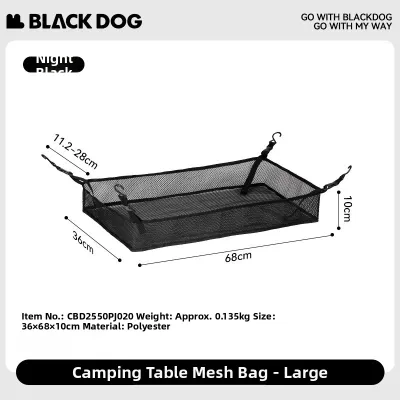
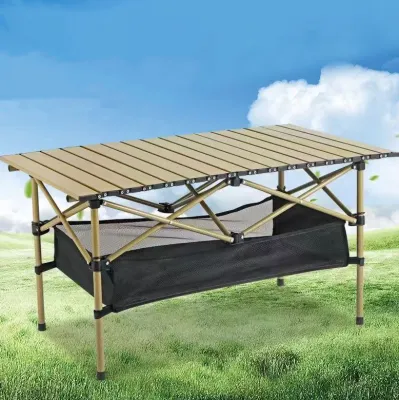
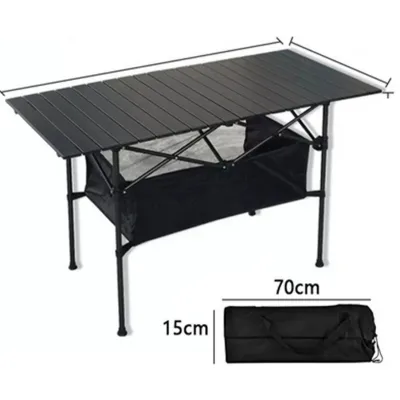
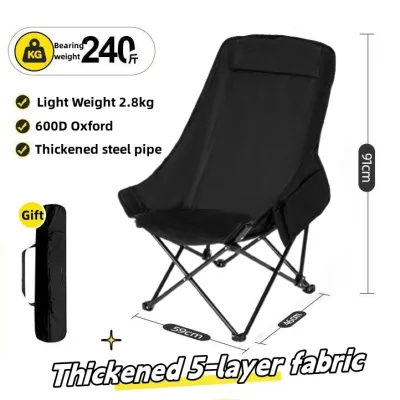
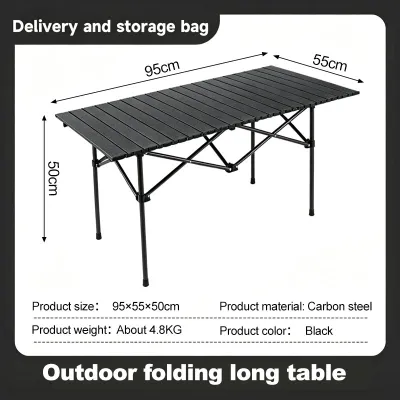
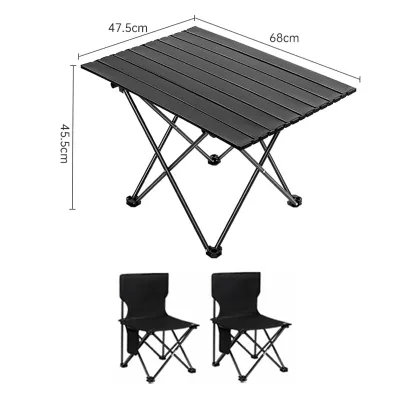
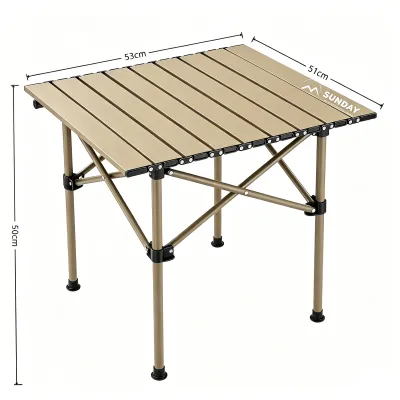
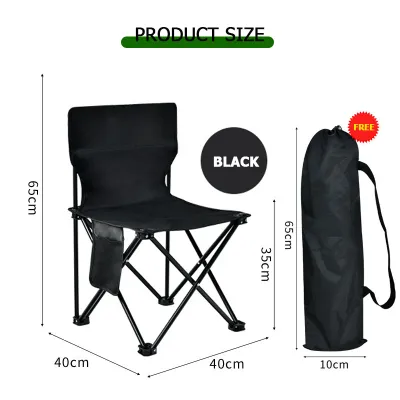
Prices are valid at publication and may change. Please refer to the product page for the latest price.
Water pooling on flat surfaces is only the beginning of the problem. Muddy campsites soften the ground, causing uneven weight distribution that puts immense stress on a table’s joints and legs. Constant exposure to moisture accelerates electrochemical reactions, leading to rapid metal oxidation, commonly known as rust. For wooden or bamboo tables, this damp environment acts as a catalyst for wood rot, warping, and the rapid colonization of mold and mildew.
Furthermore, the hardware holding the table together is often the first point of failure. Rivets, hinges, and screws are frequently made of different metals than the main frame, creating prime conditions for galvanic corrosion when water bridges the gap between them. Therefore, evaluating a camping table for the rainy season requires looking beyond the tabletop surface to inspect the structural joints, the quality of the hardware, and how easily the entire unit can be dried and cleaned.
Evaluating Table Materials for the Philippine Rainy Season
Choosing the right camping table requires a detailed look at how different materials perform under wet conditions. While manufacturers often advertise tables as “weather-resistant,” this generic label rarely accounts for the intense, sustained moisture of a tropical monsoon. By analyzing the structural characteristics of aluminum, steel, plastic, and wood, you can identify which specifications actually deliver on their promises of durability.

Aluminum: Checking Anodization and Hardware
Aluminum is widely regarded as the gold standard for portable camping gear, primarily because of its excellent strength-to-weight ratio and natural resistance to red rust. When aluminum is exposed to air, it naturally forms a thin, microscopic layer of aluminum oxide that protects the underlying metal from further corrosion. However, in highly humid environments or coastal campsites where salt air is present, untreated aluminum can still undergo pitting and surface oxidation, leaving a dull, powdery white residue.
To prevent this degradation, you should look for tables made from anodized aluminum or those finished with a durable powder coating. Anodization is an electrochemical process that thickens the natural oxide layer, making the surface exceptionally hard, scratch-resistant, and impervious to moisture. Powder coating provides a similar physical barrier, though it can chip if subjected to rough handling during transport.
The most critical vulnerability on an aluminum table is almost always its connecting hardware. While the slats and legs may be rust-proof aluminum, manufacturers often use budget-friendly carbon steel screws, rivets, and spring buttons to cut costs. When these steel components are exposed to rain, they rust rapidly, seizing up the folding mechanisms and leaving ugly orange stains across the clean aluminum frame. Always check the product specifications to confirm that all hinges, rivets, and fasteners are made of stainless steel or have been treated with a robust anti-corrosion coating.
Additionally, aluminum’s lightweight nature is a double-edged sword during the rainy season. On one hand, a light table is incredibly easy to carry across muddy, slippery trails when you need to pack up quickly. On the other hand, a light frame is highly susceptible to being flipped or dragged by sudden, strong monsoon winds. When using an aluminum table in stormy weather, you must plan to anchor it or place heavy gear on top to keep it secure.
Steel: Verifying Coatings and Stainless Grades
Steel camping tables are favored by campers who prioritize stability, high load capacity, and a solid feel. Unlike aluminum, steel is heavy enough to remain firmly planted during strong wind gusts, making it an excellent choice for base camps or car camping setups where wind resistance is crucial. However, standard carbon steel has a fatal flaw in the wet season: it will rust rapidly the moment it is exposed to oxygen and moisture.
If you choose a carbon steel table, you must verify the quality of its protective barrier. Look for heavy-duty powder-coated steel or galvanized steel. Powder coating baked onto the metal at high temperatures creates a tough, continuous shield, while galvanization coats the steel in a protective layer of zinc. The primary risk here is physical damage; if you scratch the table during assembly or transport, water will find its way to the bare steel underneath, and rust will spread silently beneath the paint.
An alternative is stainless steel, which contains chromium to resist rust. However, not all stainless steel grades offer the same level of protection. Many affordable camping tables utilize 201-grade stainless steel, which contains less nickel and is susceptible to surface rust when subjected to prolonged dampness. For maximum longevity in wet environments, look for tables specifying 304-grade stainless steel, which offers superior corrosion resistance even when exposed to acidic rain or coastal salt spray.
The trade-off with any steel table is the weight and the demand for immediate maintenance. Carrying a heavy steel table through mud is exhausting, and if you store it wet even once, the joints can seize up completely. If you select steel, you must commit to drying it thoroughly after every single trip to protect your investment.
Plastic and Resin: Assessing Structure and Wind Stability
Plastic and resin tables, particularly those made from High-Density Polyethylene (HDPE) or heavy-duty polypropylene, are practically impervious to water damage. These materials do not rust, rot, warp, or absorb moisture, making them incredibly reliable for rainy-season camping. Mud, spilled food, and heavy rain can be easily wiped off the surface with a quick pass of a microfibre cloth, allowing for fast cleanups at the campsite.
When shopping for a plastic camping table, the primary focus must shift from moisture resistance to structural integrity. Unreinforced plastic can warp or sag over time, especially when exposed to the combination of tropical heat and heavy kitchen gear. Turn the table over and inspect the underside of the tabletop; high-quality models feature molded honeycomb patterns or reinforced steel ribs that distribute weight evenly and prevent the plastic from bowing.
Another critical consideration is wind stability. Because plastic is relatively lightweight, a large plastic folding table can act like a sail during sudden monsoon gusts. To mitigate this risk, look for tables designed with a lower center of gravity, wider leg stances, or hollow legs that allow you to secure them with ground stakes. You can also drape heavy gear bags over the lower crossbars to anchor the table against the wind.
Furthermore, pay close attention to the folding joints and the frame of the plastic table. While the tabletop itself is immune to water, the legs and folding hinges are almost always made of metal. Ensure these metal components are powder-coated steel or aluminum, as cheap, untreated metal legs will rust quickly and compromise the structural stability of the entire table.
Wood and Bamboo: Reviewing Seals and Moisture Risks
Wooden and bamboo camping tables are highly sought after for their warm, natural aesthetic and classic campsite appeal. However, bringing untreated wood or bamboo into the Philippine rainy season is a recipe for quick deterioration. Wood is a porous, hygroscopic material, meaning it naturally absorbs moisture from the surrounding air. When a wooden table is subjected to heavy rain and high humidity, the wood fibers swell, causing the tabletop to warp, split, or crack as it dries unevenly.
If you are determined to use a wooden table, you must verify that the wood species is naturally oily and water-resistant. Teak, acacia, and eucalyptus perform significantly better in wet environments than softwoods like pine or fir. Additionally, check that the table has been treated with a marine-grade varnish, polyurethane seal, or specialized outdoor oil that blocks water penetration. This protective seal must be maintained and reapplied periodically to keep the water barrier intact.
Bamboo has become a popular, eco-friendly alternative to traditional wood, but it presents its own unique challenges in wet weather. Bamboo is technically a grass, and its hollow structure means that if water penetrates the outer shell, it can pool inside the nodes. This trapped moisture creates an ideal breeding ground for internal mold and mildew, which can rot the table from the inside out. Ensure any bamboo table you purchase has fully sealed ends and a thick, water-resistant protective coating on all surfaces, including the edges and underside.
Ultimately, wood and bamboo tables require the highest level of care and maintenance. They are not recommended for casual campers or those who prefer to pack up their gear and leave it in the car for a few days. If you cannot commit to immediate cleaning, drying, and periodic resealing, it is best to opt for aluminum or plastic.
Crucial Hardware and Design Details for Wet Environments
Beyond the primary material of the tabletop and legs, several subtle design features dictate how well a camping table will perform when the weather turns bad. Paying attention to these construction details before making a purchase will save you from common campsite frustrations.
- Joint and Hinge Design: Folding tables rely on a network of hinges, brackets, and sliding joints to collapse into a portable size. In wet weather, water can easily pool inside these moving parts, leading to hidden corrosion and stiff operation. Look for tables that feature open hinge designs or built-in drainage paths that allow water to run off rather than collect. Avoid tables with deep, recessed pockets around the joints where mud and water can become permanently trapped.
- Tabletop Configuration: The choice between a solid tabletop and a slatted, roll-up design has a major impact on water management. Solid tabletops can accumulate large puddles of water if the table is not perfectly level, which can seep into gear or cause materials to degrade. Slatted tops, typically found on aluminum roll-up tables, allow rainwater to drain straight through, keeping the surface relatively dry and allowing air to circulate freely around your gear. However, slatted tops make it easier for small items to fall through, so you must balance drainage efficiency with your storage needs.
- Legs and Feet: Rainy weather quickly turns campsite soil into soft, unstable mud. Standard, narrow metal table legs will sink easily into wet ground, causing the table to tilt and potentially tip over. To prevent this, look for camping tables equipped with wide, articulating mud feet or non-slip rubber caps. These wide feet distribute the table's weight over a larger surface area, preventing it from sinking. Additionally, adjustable-height legs are invaluable for leveling the table on uneven, rain-soaked terrain, ensuring your cooking stove and liquids remain stable.
- Carry Bag Material: The storage bag is an often-overlooked component of a camping table setup. If you pack a damp table into a cheap, non-breathable polyester bag, you create a humid microclimate that fosters rapid mold growth and accelerates rust on the metal hardware. Look for carry bags made from heavy-duty, water-resistant fabrics with high denier ratings (such as 600D oxford fabric) that feature mesh ventilation panels. These ventilation panels allow trapped moisture to escape, protecting your table during the drive home.
Drying and Storage Protocols After Rainy Trips
Proper post-trip maintenance is the single most effective way to extend the lifespan of your camping table, regardless of the material you choose. Taking a few deliberate steps after returning from a wet trip will prevent delayed rust, stubborn mold, and stiff joints.
- Immediate Post-Trip Actions: The golden rule of outdoor gear maintenance is to never store a wet table inside its carry bag. As soon as you return home, unpack the table completely. Extend all the legs, unfold the tabletop, and set it up in a shaded, well-ventilated area—such as a covered garage, balcony, or service yard. Avoid leaving the table in direct, intense tropical sunlight for extended periods, as extreme heat can degrade plastic coatings and warp wooden components. Allow the table to air-dry completely for at least 24 to 48 hours.
- Hardware Care: Once the table is dry, inspect all the metal hinges, rivets, and sliding joints. To displace any remaining microscopic moisture and prevent rust, apply a light coat of silicone spray or a specialized dry lubricant to the moving parts. Wipe away any excess lubricant with a clean cloth. Avoid using heavy, sticky oils or grease, as these will attract dirt, sand, and campsite debris during your next trip, leading to abrasive wear on the joints.
- Mold and Mildew Removal: If you notice spots of mold or mildew starting to form on fabric carry bags, mesh storage nets, or wooden surfaces, address them immediately. Mix a mild solution of warm water and dish soap, and gently scrub the affected areas with a soft-bristled brush or sponge. Avoid using harsh chemical bleach or abrasive scouring pads, as these can strip away protective polyurethane coatings, degrade anodized finishes, or weaken fabric fibers. Rinse the cleaned areas with clean water and allow them to dry thoroughly in the shade.
- Long-Term Storage: Store your camping table in a cool, dry, indoor environment where humidity levels remain relatively stable. Avoid storing outdoor gear in damp ground-level storage sheds, open carports, or unventilated attics where heat and moisture build up. Keeping your table raised off concrete floors—which can wick moisture upward—will further protect the metal feet and legs from slow-onset corrosion during the off-season.
Frequently Asked Questions (FAQ)
Can I leave my camping table outside overnight during heavy rain?
It is highly recommended to avoid leaving any camping table fully exposed to overnight rain. Even the most water-resistant anodized aluminum or HDPE plastic tables can suffer from water pooling in the joints, wind damage, or being knocked over by sudden storms. If space permits, collapse the table and store it inside your vehicle or tent vestibule overnight. Alternatively, place the table securely under a well-anchored tarp or canopy to minimize direct exposure to downpours and falling debris.
How do I treat early rust spots on a coated steel table?
If you notice early signs of rust on a powder-coated or galvanized steel table, you should treat them immediately to prevent the corrosion from spreading. Begin by gently scrubbing the rusted area with a soft wire brush or fine-grit sandpaper to remove the loose rust flakes, taking care not to scratch the surrounding intact coating. Clean the area with a damp cloth to remove any dust, let it dry completely, and apply a thin layer of rust-inhibiting primer. Once the primer is dry, touch up the spot with a matching outdoor-rated enamel paint or a clear protective sealant to restore the moisture barrier.

Community discussion
Share your experience or ask a question. Comments are reviewed before publication.