
Choosing the right outdoor gear during the wet months in the Philippines requires a clear shift in priorities. When heavy downpours and high humidity are constant threats, a standard folding table can quickly become a warped, rusted liability. If you are searching for a reliable kamping table that can withstand unpredictable tropical weather, prioritizing materials that resist moisture absorption, rust, and fungal growth is essential.
The materials that hold up best during the rainy season are high-grade anodized aluminum, marine-grade stainless steel, and high-density polyethylene (HDPE) plastics. While natural wood and bamboo offer a classic aesthetic, they demand intensive maintenance to survive the intense dampness of a tropical wet season. Selecting the ideal table involves evaluating not just the tabletop surface, but also the hinges, frame construction, and hardware that hold the entire structure together.
How the Philippine Rainy Season Changes Your Table Requirements
The outdoor environment in the Philippines during the rainy season presents extreme challenges that rapidly degrade standard camping gear. High ambient humidity levels, which often hover above 80 percent, mean that moisture in the air rarely evaporates quickly. When you combine this persistent dampness with sudden, heavy downpours, any outdoor furniture you use is subjected to prolonged water exposure that tests the limits of its material integrity.
Products mentioned in this guide
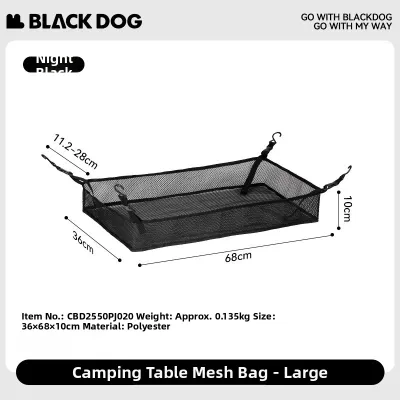
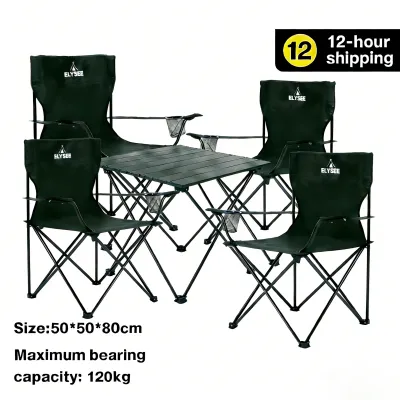
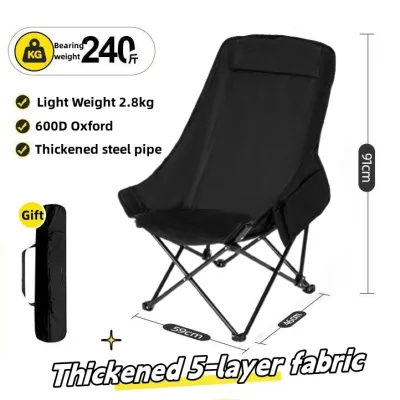
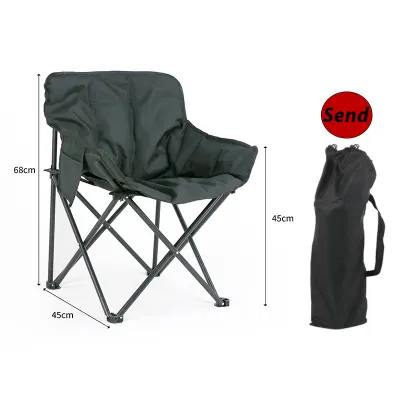
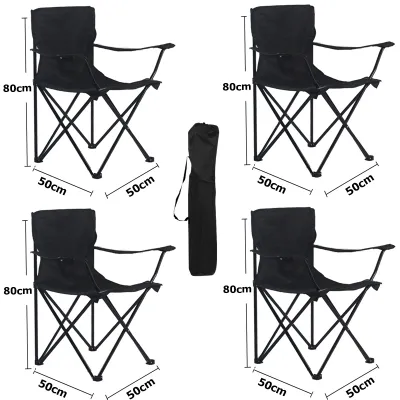
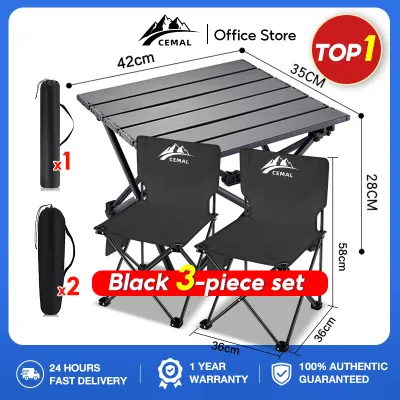
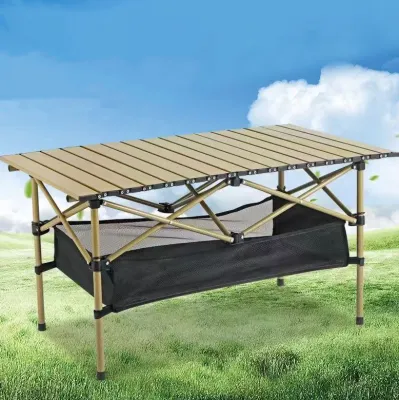
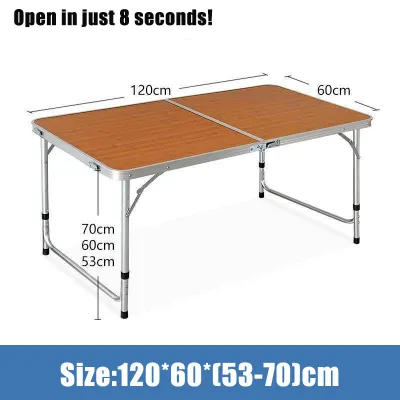
Prices are valid at publication and may change. Please refer to the product page for the latest price.
Muddy campsites and waterlogged ground introduce additional structural risks for portable tables. Soft, saturated soil can cause uneven settling, placing uneven pressure on the table’s joints and frame. If a table lacks stable, wide foot caps, its legs can sink into the mud, exposing the lower frame to constant moisture and ground-level acidity that accelerates degradation.
Under these conditions, untreated metals will begin to oxidize and rust within days, while porous materials like low-grade wood or pressed fiberboards absorb water and swell. This water absorption leads to warping, splitting, and the rapid colonization of mold and mildew, particularly in folded fabric joints or storage bags. Therefore, your purchasing decisions must shift away from purely aesthetic appeal or light weight, focusing instead on quick-drying surfaces, rust-proof joints, and non-porous finishes.
Evaluating Common Kamping Table Materials for Wet Conditions
Selecting a resilient kamping table requires a close examination of how different materials behave when exposed to continuous moisture. While many products are marketed as “weather-resistant,” real-world performance depends heavily on the specific manufacturing quality, surface treatments, and structural design. Understanding the strengths and limitations of each material category allows you to make an informed choice that aligns with your camping habits and maintenance preferences.

Metals: Aluminum and Stainless Steel
Aluminum is widely regarded as the industry standard for portable outdoor furniture due to its excellent strength-to-weight ratio and natural resistance to rust. When aluminum is exposed to air, it naturally forms a thin, protective oxide layer that prevents deeper corrosion. However, for prolonged exposure to heavy tropical rain, you should verify that the table features an anodized or powder-coated finish. This extra layer of protection prevents pitting—a type of localized corrosion that can occur when acidic rainwater or salty coastal air penetrates the metal’s surface.
Stainless steel offers superior durability and load capacity but is significantly heavier, making it more suitable for car camping or semi-permanent setups. When evaluating stainless steel tables, check the product specifications for the specific metal grade. Grade 304 stainless steel contains higher levels of chromium and nickel, providing robust resistance to rust even in highly humid or coastal environments. In contrast, lower grades like 201 stainless steel are more affordable but are highly susceptible to surface rust when exposed to persistent moisture.
Regardless of the primary metal used for the tabletop, always inspect the folding joints, rivets, and hinges. Manufacturers often use cheaper, untreated steel for these small components to cut costs. If these moving parts are not made of rust-resistant materials, they will seize or snap, rendering the entire table useless even if the tabletop remains pristine.
Wood and Bamboo
Natural wood and bamboo tables provide a warm, classic aesthetic that many campers prefer, but they require strict maintenance to survive the wet season. Dense hardwoods, such as teak or eucalyptus, contain natural oils that repel water, but they are heavy and expensive, often falling into the ₱4,000 to ₱8,000 price band. Even these premium woods require a high-quality polyurethane or marine-grade sealant to prevent water from penetrating the grain during a heavy downpour.
Lighter woods and laminated bamboo are highly vulnerable to the tropical climate. Bamboo is naturally porous; if it is not perfectly sealed, rainwater will seep into the fibers, causing the material to swell, splinter, and delaminate. Once moisture is trapped inside the laminated layers, mold and mildew will quickly develop, leading to structural rot that cannot be easily reversed.
If you choose a wooden or bamboo table, you must commit to a regular maintenance schedule. Before purchasing, check the manufacturer’s care instructions to see how often you need to reapply protective oils or sealants. If you prefer a low-maintenance setup that can be packed away wet without immediate damage, natural wood is generally not recommended for the rainy season.
Plastics, Resins, and Composites
High-density polyethylene (HDPE) and molded resins are inherently waterproof, making them exceptionally resilient during the rainy season. Unlike wood or metal, these synthetic materials will never rust, rot, or absorb water, allowing them to withstand days of continuous rain without any structural degradation. They are also highly resistant to stains and are easy to wipe clean after a muddy day at the campsite.
However, synthetic tables have specific trade-offs that you must consider before buying. While they excel in wet conditions, prolonged exposure to intense tropical sunlight between rainstorms can cause UV degradation, leading to fading or brittleness over time. Additionally, plastic tabletops can warp under heavy loads or extreme heat, so you must verify the manufacturer’s rated load capacity, which typically ranges from 30 to 50 kilograms for standard camping models.
Another critical check is the material of the internal support frame, as plastic tabletops are almost always supported by a steel or aluminum undercarriage. Ensure this frame is powder-coated or galvanized to prevent rust from compromising the table’s structural integrity. To prevent your gear, plates, and cups from sliding off when the table is wet, look for models that feature a textured or matte surface rather than a smooth, glossy finish.
Critical Hardware and Design Features for Rain Resistance
A table’s survival in wet weather depends on more than just its primary material; the overall structural design and secondary hardware components play an equally vital role. When shopping for a kamping table, pay close attention to the small details that prevent mechanical failure and ensure stability on wet terrain.
First, verify the composition of the assembly hardware, including screws, bolts, and locking pins. These components should be made of galvanized steel, stainless steel, or high-strength brass to prevent rust from seizing the folding mechanisms. A table with a rust-proof aluminum top is of little use if the hinge screws rust solid, preventing you from folding or unfolding the frame.
The design of the legs and feet is another critical factor for wet-weather performance. Look for tables equipped with wide, non-slip rubber or thermoplastic polyurethane (TPU) foot caps. These caps increase the surface area of the legs, preventing them from sinking into soft, muddy ground and ensuring the table remains stable and level. Furthermore, if the table has hollow metal legs, ensure they are securely sealed at both ends; if water enters the hollow tubes and cannot drain, it will cause the legs to rust from the inside out.
Surface design also impacts usability in the rain. Slatted tabletops, common in roll-up aluminum designs, are highly advantageous because they allow rainwater to drain freely through the gaps rather than pooling on the surface. If you choose a solid tabletop, ensure it has a slight texture to provide grip for wet items.
Finally, do not overlook the quality of the included carry bag. A high-quality storage bag should be made of water-resistant polyester or nylon and feature integrated ventilation mesh panels. This mesh allows residual moisture to escape, preventing the growth of mold and mildew if you are forced to pack up the table while it is still slightly damp.
Drying and Storage Protocols After Wet Camping Trips
Proper post-trip care is the most effective way to extend the lifespan of your camping furniture, regardless of the materials used. Taking a few deliberate, reversible maintenance steps during and after a wet camping trip will prevent long-term damage and keep your gear ready for the next adventure.
While still at the campsite, perform a basic wipe-down before packing up. Use a dry microfiber cloth to remove excess water, mud, and organic debris from the tabletop and frame. Removing food residues is particularly important, as organic matter combined with tropical humidity creates an ideal breeding ground for mold, mildew, and pests inside your storage bags.
Once you return home, establish a strict drying protocol. Never leave a damp table stored inside its carry bag, as this traps moisture and guarantees mold growth within 24 to 48 hours. Set the table up completely in a shaded, well-ventilated area—such as a covered garage, balcony, or service yard—and allow it to air-dry for at least 24 hours. Pay close attention to folding joints, hinges, and the undersides of the tabletop where water tends to collect.
After the table is completely dry, conduct a quick inspection. Check for any early signs of surface rust on the hinges or screws. If you find minor rust spots on metal components, consult the manufacturer’s care guide; many recommend gently cleaning the area with a soft brush and mild soapy water, avoiding harsh abrasive pads or steel wool that can strip away protective powder coatings. For wooden tables, inspect the finish to determine if it is time to reapply a protective sealant or oil, following the product label’s specific instructions.
Frequently Asked Questions (FAQ)
Can I leave my camping table outside overnight if it is raining?
It is highly recommended to fold and store your table overnight rather than leaving it exposed to continuous rain. Even highly water-resistant materials can suffer from water pooling, which stresses joints and accelerates wear on protective coatings. Strong winds can also tip the table over, causing structural damage or scratching the finish. For safety, store the table under a tarp shelter, inside your vehicle, or within a secure tent vestibule overnight.
How do I remove surface rust from my metal camping table?
To address minor surface rust spots, start by checking the manufacturer’s care instructions to avoid voiding your warranty. Generally, you can gently scrub the affected area using a soft-bristled brush or a non-abrasive sponge with mild soapy water. Avoid using steel wool, wire brushes, or harsh chemical rust removers, as these can permanently scratch aluminum or strip away protective powder coatings, leaving the metal more vulnerable to future corrosion.

Community discussion
Share your experience or ask a question. Comments are reviewed before publication.