
Finding the right center table for a compact living room in the Philippines requires balancing daily functionality, physical space, and aesthetic appeal. In many Philippine homes and condominiums, the living area is a multi-use zone serving as a relaxation spot, a workspace, and a gathering place. A bulky table can quickly crowd this central hub, while an undersized option may fail to meet your daily needs. The solution lies in choosing a table with smart proportions, lightweight visual designs, or multi-purpose features. By selecting the right shape, measuring clearances accurately, and verifying material specifications for the tropical climate, you can create an inviting, highly functional living space that feels open and organized.
How to Measure Your Living Room for a Center Table
Before browsing furniture catalogs or visiting showrooms, you must obtain precise measurements of your living room’s layout. Start by measuring the clear floor space available directly in front of your sofa. Use a metal measuring tape to record the distance from the front edge of the sofa to the opposite wall, television console, or secondary seating. If your sofa features reclining seats, measure the space with the seats fully extended to prevent future physical obstructions.
Once you have the overall dimensions, apply standard clearance guidelines to ensure comfortable movement. For adequate legroom, maintain a distance of 30 to 45 centimeters (about 12 to 18 inches) between the edge of the sofa cushion and the center table. This range allows you to sit comfortably and reach items without stretching excessively. Additionally, keep main walkways around the table at least 60 to 75 centimeters wide. This ensures that family members can walk through the room naturally without having to turn sideways.
Products mentioned in this guide

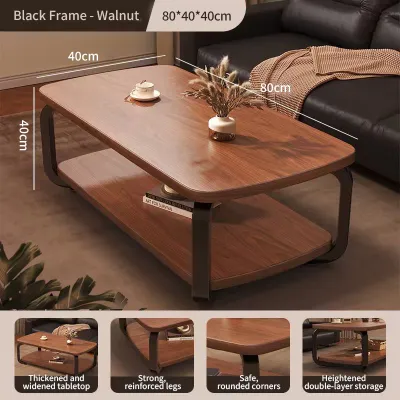
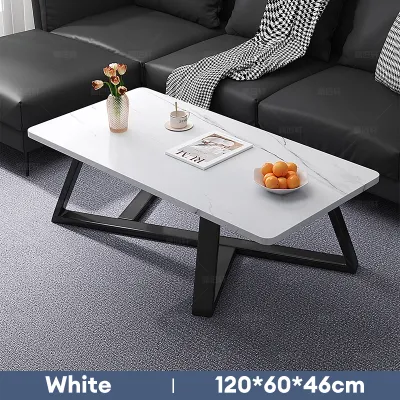
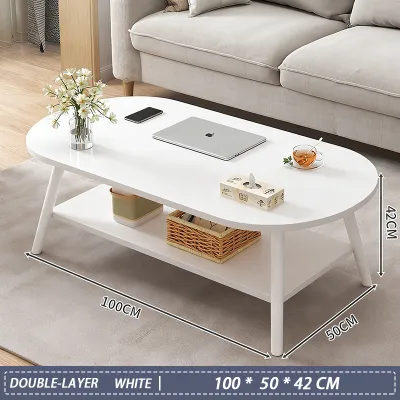
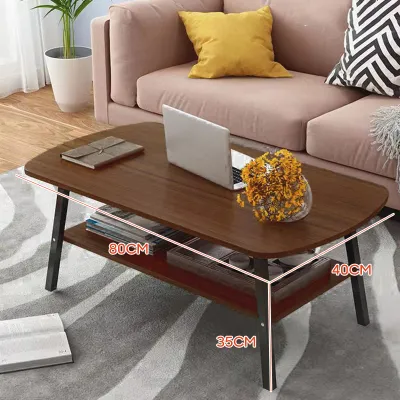
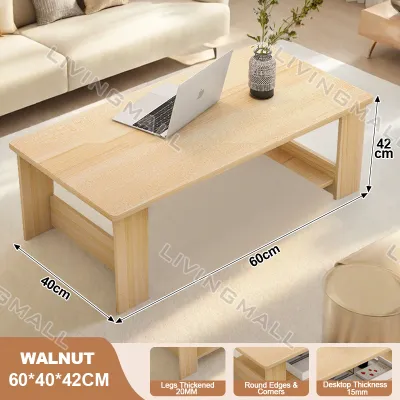
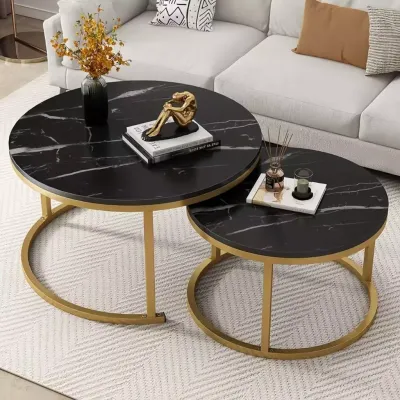
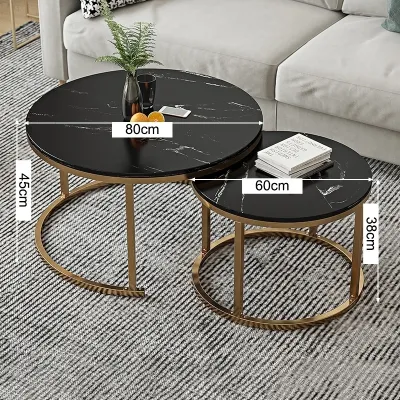
Prices are valid at publication and may change. Please refer to the product page for the latest price.
Equally important is verifying the delivery path from the building entrance to your living room. Many homeowners in high-rise condominiums purchase beautiful furniture only to find that the packaged item cannot fit through the elevator doors or navigate tight stairwell turns. Measure the height and width of your main doorway, entry hallways, and any communal elevators. Compare these dimensions with the manufacturer’s packaged shipping dimensions to guarantee a smooth delivery and assembly process.
Best Shapes and Designs to Maximize Small Spaces
The shape of your center table plays a significant role in how spacious your living room feels. Round and oval tables are highly recommended for compact layouts. Because they lack sharp corners, these shapes naturally soften the room’s visual lines and facilitate smoother traffic flow. In tight spaces, round edges eliminate the painful bump hazards that often occur when navigating close quarters, making them a safer option for active households.

For long and narrow living rooms, a slim rectangular or oblong center table is often the most practical choice. These designs mirror the elongated shape of a standard multi-seat sofa, providing a convenient surface area for everyone seated while preserving valuable walkway space on either side. When selecting a rectangular table, aim for a narrow depth—ideally between 40 to 50 centimeters—to keep the surrounding paths clear.
Beyond physical dimensions, you can manipulate the visual weight of the furniture to make a small room feel larger. Tables featuring glass or clear acrylic tops allow light to pass through, creating an illusion of open floor space. Similarly, choosing designs with open-legged bases, slender metal frames, or raised legs rather than solid, boxy pedestal bases prevents the room from feeling visually cluttered.
To achieve both visual balance and physical comfort, pay close attention to height alignment. The standard design rule is to choose a center table that is equal to or slightly lower than the height of your sofa’s seat cushions. Most standard sofa cushions sit between 40 and 45 centimeters from the floor. Keeping the table within this height range ensures an ergonomic setup where you can easily set down a cup of coffee or reach for items without disrupting your posture.
Multifunctional Features for Everyday Filipino Living
In many Philippine households, the living room is a dynamic environment where daily activities shift rapidly. Investing in a center table with multifunctional features allows you to adapt the space to different needs throughout the day. Lift-top mechanisms are incredibly popular for this reason. These tables feature a top surface that lifts forward and upward, transforming your coffee table into a comfortable desk for working from home or a raised dining surface for enjoying meals. When lifted, these mechanisms typically reveal a spacious hidden compartment underneath, perfect for storing laptops, work documents, or extra cushions.
Built-in storage solutions are another excellent way to keep small living room layouts organized. Look for center tables designed with integrated shelves, drawers, or open cubbies. These compartments provide designated spaces to store remote controls, chargers, coasters, and reading materials, keeping the main tabletop clean and free of clutter. By utilizing the built-in storage of your center table, you can eliminate the need for additional bulky side cabinets in the room.
Nesting tables offer exceptional flexibility for hosting family gatherings or hosting friends. This design consists of two or three tables of graduating sizes that slide completely underneath one another. During daily use, you can keep them nested together to save floor space. When guests arrive, simply slide the smaller tables out to instantly expand your serving surface for drinks and snacks, then tuck them away once the gathering is over.
Storage ottomans can also serve as highly effective center tables. These upholstered pieces provide a comfortable footrest or extra seating when you have visitors. By placing a sturdy, flat wooden or metal serving tray on top of the ottoman, you instantly convert it into a stable surface for holding drinks and decorative items, combining comfort, utility, and storage in a single piece of furniture.
Evaluating Materials and Finishes for Tropical Climates
The tropical climate of the Philippines, characterized by high humidity levels and warm temperatures, requires careful consideration when evaluating furniture materials. When shopping for wood or engineered wood center tables, do not rely solely on the material name. Instead, check the manufacturer’s specifications for moisture-resistant sealants, high-quality laminates, and proper edge banding. Unsealed wood or poorly finished medium-density fiberboard (MDF) can easily absorb airborne moisture, leading to warping, swelling, or veneer peeling over time.
If you prefer industrial or modern designs with metal frames, verify that the product features a rust-resistant or powder-coated finish. Raw or poorly treated metals are highly susceptible to corrosion and oxidation in humid coastal or tropical environments. A durable powder-coated layer acts as a protective barrier, ensuring the metal frame remains clean, structurally sound, and free of rust spots for years to come.
Glass and natural stone tops are excellent choices for tropical climates because they do not warp or degrade when exposed to moisture. They are also incredibly easy to wipe clean, making them highly hygienic. However, before purchasing a stone or thick tempered glass table, verify the overall weight of the item and the stability of its support structure. Heavy tops require robust, well-engineered bases to prevent tipping, especially if the table is placed on a thick rug or uneven flooring.
To maximize the lifespan of your center table, always prioritize proper care and maintenance. Read the manufacturer’s care label carefully to identify approved cleaning agents and avoid harsh chemical solvents that can strip protective finishes. Position your furniture away from windows that receive intense, direct afternoon sunlight, as prolonged UV exposure can fade wood stains and weaken adhesives. Finally, managing indoor humidity levels through regular ventilation, air conditioning, or dehumidifiers will help preserve both the structural integrity and the finish of your furniture.
Common Sizing and Placement Mistakes to Avoid
One of the most common mistakes when furnishing a small living room is ignoring walkway clearances. Placing a table that is too large for the space blocks natural traffic paths, forcing family members to awkwardly navigate around the furniture. This constant obstruction makes the room feel significantly smaller and causes daily frustration. Always prioritize a clear path of travel through the room.
Another frequent error is choosing a table with mismatched heights. A center table that stands significantly higher than your sofa cushions creates an awkward visual barrier and makes the seating area feel closed off. Conversely, a table that is too low can be uncomfortable to use, requiring you to bend down excessively to reach your items. Aim for a balanced height that aligns closely with your sofa seat cushions.
Avoid selecting visually heavy, solid-block tables for compact spaces. Solid box designs block light and create a dense visual obstacle in the center of the room, making the layout feel cramped. Instead, opt for designs with open bases or elevated legs that allow light and air to circulate freely.
Finally, remember to account for the clearance requirements of surrounding features before finalizing your table’s placement. Check the swing radius of nearby balcony doors, entryways, and cabinet drawers to ensure they can open fully without striking the table. If you have a reclining sofa, test the legrest extension to make sure it does not collide with the edge of the center table, preserving both your furniture and your comfort.
Frequently Asked Questions (FAQ)
Can I use a side table instead of a center table in a very small room?
Yes. In extremely tight spaces, substituting a traditional center table with a side table, a C-shaped table, or a slim console table is an excellent space-saving strategy. These alternatives provide a convenient surface for your drinks or devices while keeping the central floor area open and unobstructed. They are lightweight, easy to move, and can be tucked neatly next to the sofa armrest when not in use.
What is the ideal height for a center table?
The ideal height for a center table is generally equal to or slightly lower than the height of your sofa’s seat cushions, typically ranging between 40 and 45 centimeters. Keeping the table within this range ensures optimal physical comfort, allowing you to reach items easily while maintaining a balanced, visually appealing proportion in your living room layout.
How do I protect a wooden center table from humidity?
To protect a wooden center table from tropical humidity, always use coasters under cold drinks to prevent condensation from pooling on the surface. Wipe up any liquid spills immediately using a dry or slightly damp microfiber cloth. Additionally, ensure you strictly follow the manufacturer’s specific care instructions regarding polishing, sealing, and avoiding direct sunlight or high-moisture areas.
Community discussion
Share your experience or ask a question. Comments are reviewed before publication.