
Finding the perfect center table for sala spaces in compact Filipino homes requires a thoughtful balance of style, functionality, and physical dimensions. In a cozy condominium in Metro Manila or a traditional row-house living room, every square inch of floor space is incredibly valuable. The ideal center table should not only anchor your seating area but also support your daily routines—whether that means serving as a coffee station, a temporary work-from-home desk, or a storage unit—all while leaving enough room to walk comfortably. By prioritizing smart proportions, visual lightness, and multi-functional designs, you can create an inviting, clutter-free environment that feels spacious and highly organized.
How to Choose the Right Center Table for a Compact Sala
Selecting a center table for sala setups in tight spaces requires a systematic approach to evaluation. You cannot simply choose a table based on aesthetics alone; it must conform to the physical realities of your room and your household’s lifestyle.
- Proportions and Clearance: Before browsing online marketplaces or visiting local showrooms, you must measure your available floor area with precision. A common mistake is buying a table that is too large for the room's footprint, which restricts movement and makes the room feel cramped. To avoid this, measure the distance from the front of your sofa to your TV console or opposite wall. Subtract the depth of the table and the sofa to reveal your actual walkway space. For narrow condo layouts, every centimeter counts, so choosing a table with a slender profile is essential to prevent traffic jams in your living room. Ideally, you should aim for a table that is about two-thirds the length of your sofa to maintain balanced proportions.
- Visual Weight: Visual weight refers to how heavy an object looks in a room. A solid, block-like wooden chest occupies the same physical space as a glass-topped table with thin metal legs, but the solid chest will make a small room feel much more crowded. To keep your sala feeling open and airy, look for tables with slender legs, raised bases that show the floor underneath, or transparent glass and acrylic surfaces. Light color palettes—such as light oak, white, or soft gray—also help reflect natural light, making your living room feel larger than it actually is. Avoid heavy, dark, or solid-to-the-floor designs unless they offer significant storage benefits that offset their visual bulk.
- Multi-functionality: When square footage is limited, furniture must work twice as hard. Dual-purpose center tables are highly beneficial for small-space living. Features like hidden lower shelves, built-in drawers, nesting configurations, or lift-top mechanisms allow you to maximize utility without adding extra pieces of furniture. A single multi-functional table can easily transition from a coffee table to a dining surface or a home office desk, reducing the need for separate, space-consuming items. This is particularly useful in studio units where a single room must serve as a living room, dining room, and office.
- Safety and Stability: A compact space means you will likely pass close to your furniture on a regular basis, increasing the risk of accidental bumps. If your household includes young children, elderly family members, or active pets, safety must be a primary consideration. Verify the stability of any table before purchasing. Check the base width relative to the tabletop size; narrow bases are more prone to tipping over if someone leans on the edge. Look for rounded corners rather than sharp, angular edges to prevent painful bruises in tight walkways. If the table features moving parts or glass components, ensure they are securely fastened and rated for household use.
Top Center Table Designs That Maximize Small Living Spaces
Different design categories solve specific small-space challenges. Understanding the advantages, limitations, and key quality checks for each style will help you identify the best match for your home’s layout and your family’s daily lifestyle.
Products mentioned in this guide

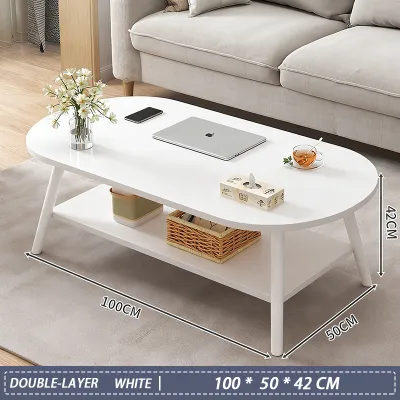
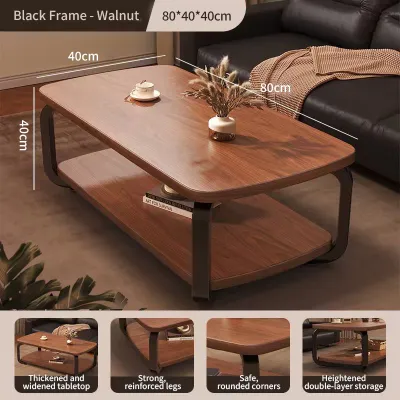
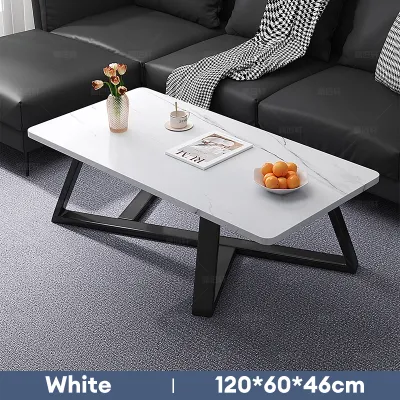
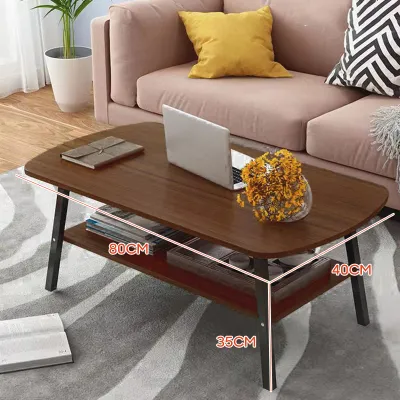
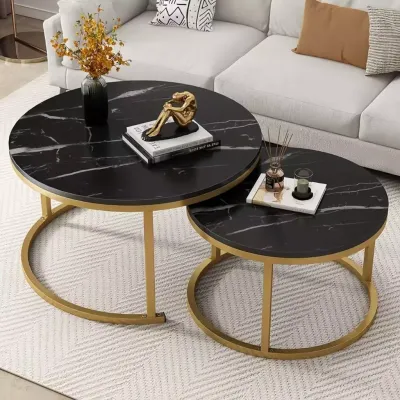
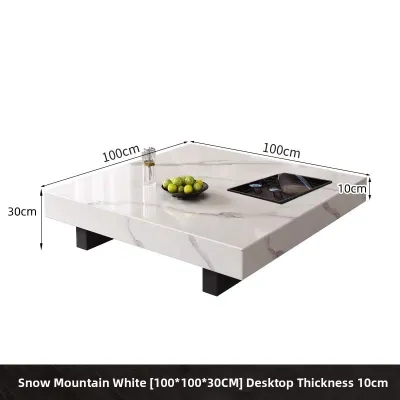
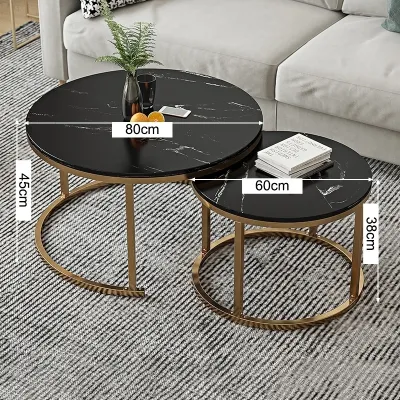
Prices are valid at publication and may change. Please refer to the product page for the latest price.

Nesting Tables for Flexible Seating and Surface Area
Nesting tables consist of two or more individual tables of graduating sizes that slide neatly underneath one another. This design is highly practical for small salas where hosting guests is a regular occurrence but daily floor space must remain clear. When you are alone, the tables remain stacked, occupying only the footprint of the largest piece. When friends or family visit, you can easily pull out the smaller tables to distribute snacks, drinks, or extra seating surfaces around the room.
Before purchasing a nesting set, measure the total footprint of the tables when they are completely nested together to ensure they fit comfortably in front of your sofa. Additionally, measure their fully expanded footprint so you know how much space they will occupy when in use. It is critical to verify the stability of the smaller, individual tables. Because they have lighter frames and narrower bases, they can easily tip over if placed on uneven surfaces or heavy carpets. Check the sliding or stacking mechanism to ensure the tables do not scratch each other’s frames or surfaces when being nested. Look for models with protective rubber feet or smooth glides to protect your flooring from scratches.
Lift-Top Tables for Multi-Purpose Condo Living
For studio apartments and small condominiums where the living room must double as a dining area or a home office, a lift-top center table is an excellent solution. These tables feature a mechanical top that lifts upward and forward, bringing the surface closer to you while you sit on the sofa. This eliminates the need to lean forward uncomfortably when eating or typing on a laptop, providing a much more ergonomic setup.
When shopping for a lift-top design, prioritize the quality of the lifting mechanism. Verify the hinge mechanism’s weight capacity and ensure it operates smoothly without sudden, jerky movements that could spill items on the table. The base of the table must be heavy and stable enough to counterbalance the weight of the extended top; a base that is too light can cause the entire table to tip forward when you apply pressure to the raised surface. Keep in mind that a major limitation of this style is that you cannot use the tabletop surface or access the interior storage compartment while the top is in the process of being raised or lowered. Additionally, check the delivery specifications, as these tables are often heavy and may require two people to carry up stairs or into elevators.
Storage Ottomans and Trunk-Style Tables
Storage ottomans and trunk-style tables offer a practical way to combat the lack of built-in cabinetry in small homes. These pieces feature a hollow interior accessible via a removable or hinged lid, allowing you to store extra pillows, blankets, board games, or electronic accessories out of sight. Because they are often upholstered, storage ottomans can also serve as comfortable footrests or extra seating when you have guests.
When selecting an upholstered storage table in the Philippines, material choice is critical due to the high relative humidity. Check the manufacturer’s care labels and material specifications for stain resistance and breathability. Do not assume all fabrics are moisture-proof; look for treated synthetic fibers or easy-to-clean faux leathers that resist mold and mildew in humid conditions. For safety, look for models equipped with soft-close safety hinges or lightweight lids. This prevents the lid from slamming shut unexpectedly, protecting fingers—especially those of young children—from being pinched. If using the ottoman as a table, ensure the top is flat and firm enough to hold a tray securely.
Glass and Acrylic Tables for Visual Lightness
Glass and acrylic center tables are favored by interior designers for their ability to create an illusion of space. Because these materials are transparent, they allow light to pass through and expose the floor underneath, reducing visual clutter. This makes a small sala feel significantly larger and less congested than it would with a solid wood or metal table.
However, transparent tables require careful consideration before purchase. Always verify that any glass table uses certified tempered glass, which is designed to break into small, blunt pieces rather than sharp shards if shattered. Check the edges and corners to ensure they are smooth and free of chips. For acrylic tables, verify the manufacturer’s load-bearing limits, as low-quality acrylic can bend or scratch easily under heavy items. Be prepared for the maintenance realities of these materials. In humid tropical climates, glass and acrylic surfaces easily show smudges, fingerprints, dust, and water spots from cold drinks, requiring frequent cleaning with a soft microfiber cloth and appropriate cleaners.
Space-Saving Layout and Placement Tips for Your Sala
Choosing the right table is only half the battle; arranging it correctly within your living space is equally important for maintaining a comfortable, functional home.
- Standard Clearance Rules: To ensure you can move freely around your living room, maintain a distance of 14 to 18 inches (approximately 35 to 45 centimeters) between the edge of your sofa and the center table. This spacing provides enough legroom to sit comfortably while keeping the table within easy reach for placing drinks, books, or remotes. If your space is exceptionally tight, you can reduce this clearance slightly, but avoid going below 12 inches, as this will make sitting down and standing up awkward and difficult. Additionally, ensure there is at least 24 to 30 inches of clearance between the table and other major furniture pieces, such as a TV console or armchair, to allow for comfortable walking.
- Adapting to Room Shapes: The shape of your center table should complement the layout of your room. For narrow, rectangular salas, an oval or round table is often superior to a square or rectangular one. Round and oval shapes lack sharp corners, making it easier to navigate around them in tight spaces. They also help soften the rigid lines of a rectangular room, creating a more balanced and inviting aesthetic. If you have an L-shaped sectional sofa, a square or round table fits neatly into the corner nook, maximizing the usable surface area without blocking walkways.
- Zone Definition: In open-plan condo units where the living area transitions directly into the dining space or kitchen, defining your zones is essential. You can use a properly sized area rug to anchor your seating arrangement. Place the rug under the front legs of your sofa and position the center table in the middle. This visual boundary defines the sala zone without the need for physical walls or bulky dividers, keeping the entire apartment feeling open, cohesive, and organized. Ensure the rug is large enough so that the table does not look lost, but small enough that it does not overwhelm the entire floor.
Maintaining Your Center Table in a Tropical Climate
The tropical climate of the Philippines, characterized by high humidity, heat, and seasonal heavy rains, presents unique challenges for furniture maintenance. Proper care is essential to extend the lifespan of your center table.
- Verifying Specifications: Before applying any cleaning products or protective treatments, always check the manufacturer’s care labels, surface treatments, and warranty conditions. Do not assume that a table made of solid wood, engineered wood, or woven natural fibers like rattan is naturally immune to moisture, warping, or mold. Different finishes require specific care; for instance, a polyurethane-sealed wooden table handles moisture differently than an oil-finished one. Following the manufacturer's explicit instructions is the best way to avoid accidental surface damage and maintain your warranty coverage.
- Routine Cleaning: Establish a regular cleaning routine to prevent dust accumulation and moisture buildup. Dust can attract moisture from the humid air, creating a breeding ground for mold and mildew. Wipe your table regularly with a dry or slightly damp microfiber cloth. Avoid using harsh chemical cleaners, abrasive pads, or excessive water, especially on engineered wood or veneered surfaces, as moisture can seep into the joints and cause the material to swell, peel, or warp. If you must use a damp cloth, immediately follow up with a dry cloth to remove any residual moisture.
- Surface Protection: In the Philippines, cold, iced drinks are a daily staple, but they quickly produce heavy condensation. To protect your table's surface from water rings, discoloration, and heat damage, consistently use coasters, trivets, or placemats. This rule applies regardless of any advertised moisture-resistant finishes. Placing hot coffee mugs or cold glasses directly on wood, veneer, or even painted metal can degrade the protective finish over time, leading to permanent stains and costly repairs. For wooden tables, consider applying a high-quality furniture wax or polish as recommended by the manufacturer to provide an extra barrier against humidity.
Frequently Asked Questions (FAQ)
What is the ideal height for a center table relative to the sofa?
For optimal ergonomic comfort and visual balance, your center table should be approximately the same height as your sofa’s seat cushions, or slightly lower (usually 1 to 2 inches lower). Most standard sofas have a seat height of 17 to 18 inches, meaning your center table should ideally stand between 15 and 18 inches tall. Keeping the table at this height ensures that you can easily reach for items without straining, while also maintaining clear sightlines across your living room, which helps a small space feel more open.
Can I use a side table as a center table in a very small sala?
Yes, substituting a traditional center table with a sturdy side table or a cluster of small pedestals is an excellent strategy for extremely tight living rooms. A side table typically has a smaller footprint, freeing up valuable floor space and improving traffic flow. If you choose this option, verify the side table’s stability and weight capacity to ensure it can safely handle daily use as your primary surface. Look for models with a weighted base or solid construction to prevent tipping when items are placed on them.
Community discussion
Share your experience or ask a question. Comments are reviewed before publication.