
Finding the right drawer cabinet for clothes in the Philippines requires balancing storage capacity, build quality, and climate resilience. In a tropical environment where high humidity, seasonal rains, and space limitations in modern condominiums are daily realities, a simple storage chest must do more than hold garments. It must protect fabrics from mold, fit within tight floor plans, and withstand structural stress over time. Organizing your clothes in closed drawers is also highly effective for keeping dust, pollen, and urban pollution off your clean garments, which is a constant battle in busy metropolitan areas.
Selecting the ideal cabinet involves evaluating materials, measuring clearances, and checking safety features to secure a durable, long-term furniture investment. By focusing on practical design and climate-appropriate construction, you can find a storage solution that keeps your wardrobe organized and pristine. Taking the time to understand your space and the local environment will ensure your furniture remains functional and beautiful for years to come.
How to Choose the Best Drawer Cabinet for Your Space and Climate
Space planning is the first critical step before purchasing any bedroom furniture. Measure the designated floor area carefully, but do not stop at the cabinet’s static footprint. You must account for the full extension of the drawers when they are completely open, ensuring there is still at least 60 to 90 centimeters of walking clearance in front of the unit. Additionally, measure the entryways, hallway corners, stairwells, and elevator doors in your building to guarantee the delivery team can physically transport the cabinet into your home without damaging the walls or the unit itself. Don’t forget to account for baseboards, which can prevent a cabinet from sitting completely flush against the wall.
Products mentioned in this guide
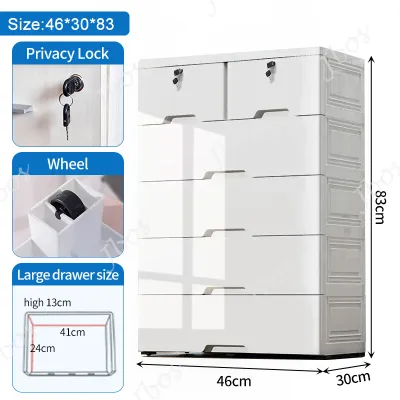
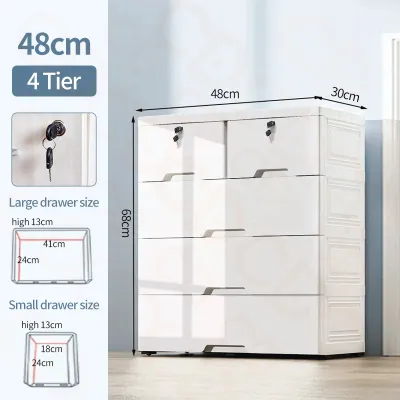
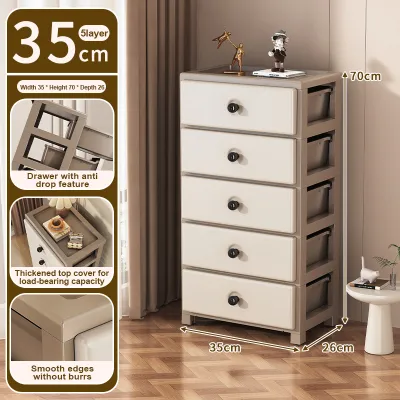
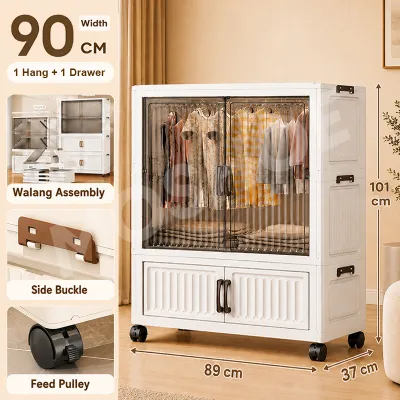
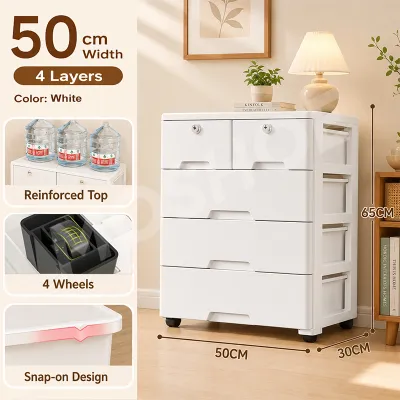
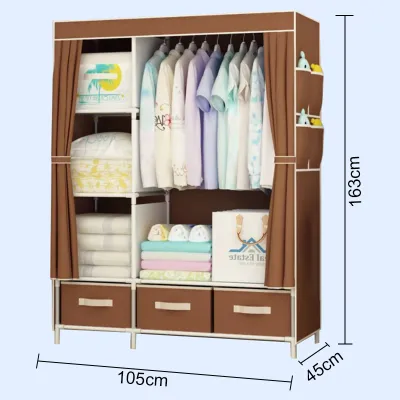
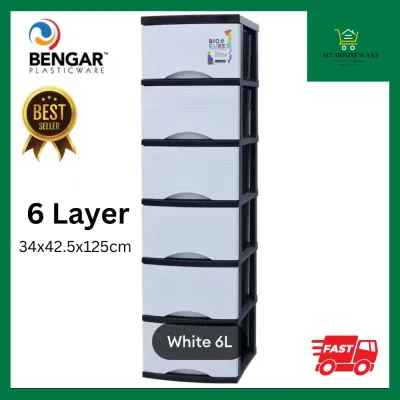
Prices are valid at publication and may change. Please refer to the product page for the latest price.
The tropical climate of the Philippines presents unique challenges for clothing preservation. High ambient humidity, particularly during the wet monsoon months from June to November, creates an environment where mold, mildew, and musty odors can quickly ruin fabrics. Wood and wood-composite materials naturally absorb moisture from the air, which can cause drawer panels to swell, warp, or stick in their frames. Ensuring your chosen cabinet has adequate ventilation, back-panel air vents, or a protective, moisture-resistant finish is essential to safeguard both the furniture’s structural integrity and your wardrobe.
Effective capacity planning depends on the specific types of clothing you need to store. Lightweight tropical wear, such as t-shirts, activewear, shorts, and undergarments, can be folded compactly and stored in relatively shallow drawers. Conversely, heavier items like denim jeans, bed linens, towels, or occasional cold-weather outerwear require deeper, more robust drawers that can handle significant volume and weight without bowing. Estimating the ratio of light to heavy garments will help you determine whether a tall, narrow chest of drawers or a wide, deep double-dresser is the most efficient configuration for your storage needs.
Top Drawer Cabinet Types for Clothes Storage
Understanding the different material options available in the market is crucial for selecting a cabinet that aligns with your budget, aesthetic preferences, and durability requirements.

Solid Wood Chests for Heavy Loads and Longevity
Solid wood drawer cabinets, often crafted from durable hardwoods like mahogany, tanguile, or acacia, offer unmatched structural strength and longevity. These units are highly capable of supporting substantial weight, making them excellent choices for heavy denim, bedding, and long-term storage. The natural density of solid wood provides excellent stability, reducing the risk of the cabinet wobbling or shifting when drawers are pulled open.
However, solid wood requires active protection in tropical climates. Unsealed or poorly varnished wood can absorb atmospheric moisture, leading to warping, drawer misalignment, and susceptibility to local pests such as termites (anay) or wood-boring beetles. When choosing a solid wood cabinet, verify that all surfaces—including the interior drawer boxes and the back panel—are fully sealed with a high-quality varnish, lacquer, or polyurethane coating. Reclaimed wood options can also be highly durable, provided they have undergone thorough kiln-drying and pest-treatment processes.
Keep in mind that solid wood pieces represent a premium investment, typically ranging from ₱15,000 to over ₱40,000 depending on the wood species and craftsmanship. They are also exceptionally heavy, which makes rearranging your bedroom layout or moving to a new residence a labor-intensive task. For those planning a permanent home, however, the durability of solid wood often justifies the initial cost.
Moisture-Treated Engineered Wood for Modern Apartments
Engineered wood cabinets, made from materials such as Medium-Density Fiberboard (MDF), particleboard, or plywood, are highly popular in urban condominiums and modern apartments. These materials allow for sleek, minimalist designs, clean lines, and a wide variety of laminate or veneer finishes that mimic high-end wood grains. They are generally lighter and more affordable than solid wood, with prices commonly ranging from ₱5,000 to ₱15,000.
To ensure durability in a humid environment, pay close attention to the construction specifications. Standard engineered wood can swell, bubble, or crumble if exposed to persistent moisture or water spills. Look for cabinets constructed with moisture-resistant (MR) grade boards or those featuring thick, high-pressure laminate (HPL) surfaces. Plywood core options generally perform better under humid conditions than low-density particleboard.
The quality of the edge banding is a vital indicator of longevity. Ensure that all exposed edges of the panels are sealed with tight, seamless PVC or ABS edge banding. This prevents ambient moisture from penetrating the inner core of the fiberboard, which is the primary cause of swelling and structural failure in budget furniture. Always check the manufacturer’s specifications to confirm the level of moisture treatment applied to the materials.
Plastic and Resin Drawers for High-Humidity Zones
For spaces prone to high dampness, such as ground-floor rooms, coastal homes, or utility areas, high-quality plastic and resin drawer cabinets offer a highly practical alternative. Modern synthetic cabinets made from heavy-duty polypropylene or engineered resins are completely waterproof, rust-proof, and immune to mold growth and pest infestations. They are also highly popular in rental properties due to their lightweight design and ease of relocation.
These units are incredibly easy to maintain, requiring only a quick wipe down with soap and water to clean. They are also highly budget-friendly, typically priced between ₱1,500 and ₱5,000, making them accessible storage solutions for temporary setups, children’s playrooms, or auxiliary closet organization. Many modern designs also feature modular stacking systems, allowing you to customize the height of your storage.
However, synthetic drawers have clear limitations in formal bedroom settings. They lack the sophisticated aesthetic of real wood and have a much lower weight-bearing capacity. Overloading plastic drawers with heavy garments like jeans or thick blankets can cause the plastic frames to bow, making the drawers difficult to slide open and closed. Additionally, avoid placing plastic cabinets in direct sunlight near windows, as prolonged UV exposure can degrade the material and cause it to become brittle over time.
Crucial Features to Check for Quality and Safety
Evaluating a drawer cabinet goes beyond its exterior appearance. To ensure you invest in a piece that is safe, functional, and durable, inspect several key mechanical and structural features before making your purchase.
Drawer Glides and Mechanisms: The hardware that supports the drawers determines how smoothly the cabinet operates daily. Avoid basic plastic roller wheels or simple wooden grooves, which can easily stick, derail, or wear down under moderate loads. Instead, look for full-extension metal ball-bearing slides. These glides allow the drawer to open completely, giving you full access to the back of the drawer box. Soft-close mechanisms are an excellent premium feature, preventing drawers from being slammed shut, which protects both the cabinet structure and delicate items inside.
Anti-Tip Safety Kits: Furniture tip-over accidents pose a serious safety risk, particularly in homes with young children, pets, or older adults. Tall chests of drawers (typically those over 30 inches or 76 centimeters in height) can easily become front-heavy and tip forward when multiple drawers are pulled open at once. Always verify if the manufacturer includes an anti-tip wall-anchoring kit with the cabinet. Anchoring the unit securely to a concrete or stud wall is a critical safety step that should never be skipped during installation.
Interior Finish and Dust Protection: Run your hands along the inside of the drawers to check for rough spots, exposed staples, or wood splinters that could snag delicate clothing fabrics like silk, lace, or fine knits. Additionally, inspect the gaps between the closed drawers and the cabinet frame. Tight, well-aligned gaps help block dust, humidity, and common household pests like silverfish, cockroaches, or ants from entering the storage compartments and damaging your clean garments.
Weight Limits: Every drawer cabinet has a maximum weight capacity determined by its material and glide system. Always check the manufacturer’s specified weight limit per drawer. Standard bedroom drawers typically support between 5 to 15 kilograms. Exceeding these limits leads to sagging drawer bottoms, bent glides, and permanent structural damage. If the manufacturer does not explicitly list the weight capacity, err on the side of caution and distribute heavier items among the bottom drawers.
Where to Buy and What to Expect for Delivery
Navigating the purchasing process in the Philippines requires understanding the trade-offs between physical retail showrooms and digital shopping channels, as well as coordinating local delivery logistics.
Physical Furniture Showrooms: Visiting physical furniture stores in major urban centers allows you to inspect the build quality firsthand. You can physically test the smoothness of the drawer glides, feel the texture of the wood finish, check the alignment of the panels, and confirm the exact dimensions. This hands-on inspection eliminates the guesswork associated with online photos, which can sometimes misrepresent colors or scale. It also gives you the opportunity to ask sales representatives directly about warranty coverage and assembly services.
Online Marketplaces and Brand Websites: Buying from official brand webstores or reputable e-commerce platforms offers convenience and a wider selection of designs. When shopping online, prioritize listings from verified official stores to ensure product authenticity. Carefully read customer reviews, paying close attention to feedback regarding shipping damage, missing assembly hardware, and how responsive the seller is to replacement requests. Look for listings that include detailed unboxing or assembly videos from previous buyers.
Delivery and Assembly Logistics: Drawer cabinets are bulky and heavy, making delivery logistics a key consideration. Confirm whether the retailer offers flat-pack delivery (which requires self-assembly) or fully assembled delivery. If purchasing flat-pack furniture, check if a professional assembly service is available for an additional fee. Ensure that the delivery vehicle can access your street, and verify that the cabinet can fit through your building’s elevators, stairwells, and doorways before scheduling the delivery date.
Maintenance Tips for Tropical Climates
To maximize the lifespan of your clothes drawer cabinet and protect your wardrobe from the harsh tropical environment, establish a regular maintenance and care routine.
Moisture Control: Because high humidity is a constant factor, place active moisture absorbers inside each drawer. Disposable desiccant bags, reusable silica gel packs, or activated charcoal deodorizers work exceptionally well to absorb excess moisture and prevent musty odors. Remember to inspect these absorbers monthly and replace or reactivate them as directed by the manufacturer. You can also use scented drawer liners to add a fresh fragrance while providing a protective barrier for your clothes.
Placement and Airflow: Never push your drawer cabinet completely flush against a wall, especially an exterior concrete wall. Exterior walls can absorb heat and moisture from the tropical sun and rain, leading to condensation and mold growth on the back of your furniture. Maintain a gap of at least 5 to 7 centimeters (2 to 3 inches) between the cabinet and the wall to facilitate healthy air circulation. If possible, position the cabinet in a well-ventilated area of the room away from direct air conditioner drafts, which can cause temperature fluctuations.
Routine Cleaning: Dust your cabinet weekly using a dry, soft microfiber cloth. If a deeper clean is required, use a slightly damp cloth to wipe down surfaces, but follow up immediately with a dry cloth to prevent moisture from pooling. Avoid using harsh chemical cleaners or abrasive pads that can strip away protective varnishes or scratch laminate finishes. For cabinets with metal drawer runners, apply a light spray of silicone lubricant to the tracks once a year to keep them sliding smoothly. If mold does appear, wipe it away immediately with a mild vinegar solution and dry the area completely.
Frequently Asked Questions (FAQ)
How do I prevent mold inside my wooden drawer cabinet?
To prevent mold, ensure all clothing is 100% dry before folding and storing them; even slightly damp fabrics can trigger mold growth in closed drawers. Place moisture-absorbing silica gel packs or charcoal sachets in the corners of each drawer, and leave the drawers slightly open on dry, sunny days to encourage airflow. Additionally, check that the cabinet’s interior wood panels are properly sealed with varnish, as raw wood is highly susceptible to absorbing moisture and hosting mold spores.
What is the standard depth for a clothes drawer cabinet?
The standard depth for a clothes drawer cabinet typically ranges from 16 to 24 inches (approximately 40 to 60 centimeters). Shallower drawers measuring 16 to 18 inches are ideal for compact rooms and storing smaller items like t-shirts, activewear, and undergarments. Deeper drawers measuring 20 to 24 inches provide the necessary volume to accommodate bulkier items such as denim jeans, sweaters, bedsheets, and towels without jamming the drawer mechanism.
Do I need to anchor my drawer cabinet to the wall?
Yes, anchoring your drawer cabinet to the wall is highly recommended for any unit over 30 inches (76 centimeters) tall. When multiple drawers are pulled open simultaneously, the center of gravity shifts dramatically forward, creating a severe tipping hazard. Securing the cabinet with an anti-tip safety kit is a vital precaution to protect children, pets, and household members from accidental tip-over injuries.
Community discussion
Share your experience or ask a question. Comments are reviewed before publication.