
An organized wardrobe can streamline your morning routine, protect your clothing investment, and maximize the usable space in your bedroom. However, finding the ideal container requires balancing accessibility, protection, and the specific needs of your garments. In tropical climates like the Philippines, where high humidity and seasonal dampness are constant challenges, your choice of storage is even more critical. While many Filipino households rely on a heavy-duty plastic “dora box lagyan ng damit” to keep garments safe from dust and pests, other clothing items thrive better in breathable fabric bins or modular drawer systems. Selecting the right type depends on what you are storing, how often you need to access it, and the physical limits of your closet shelves.
How to Choose the Right Storage Box for Your Wardrobe
To build an efficient wardrobe storage system, you must evaluate three primary dimensions: accessibility, structural rigidity, and visibility. Accessibility dictates how easily you can retrieve an item without disrupting the entire closet. Top-lid boxes are excellent for long-term storage but inconvenient for daily-use items, whereas front-pull drawers or open bins allow rapid retrieval. Structural rigidity determines whether you can stack containers safely to utilize vertical space. Finally, visibility—whether through clear plastic windows or open-front designs—helps you locate specific garments quickly, preventing the frustration of rummaging through multiple boxes.
Environmental factors play a massive role in material selection, especially under tropical conditions. The Philippines experiences high ambient humidity throughout the year, which can trap moisture inside closed spaces and lead to musty odors, mold, or mildew. Natural fibers like cotton, linen, and silk require a degree of breathability to prevent fibers from degrading, yet they must also be shielded from common household pests. Conversely, synthetic materials and heavy outerwear can tolerate sealed environments. Your storage strategy must balance these protective barriers with adequate ventilation.
Products mentioned in this guide
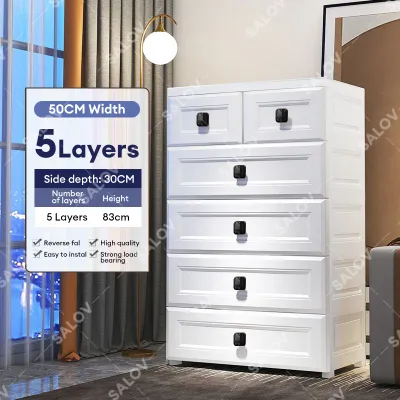
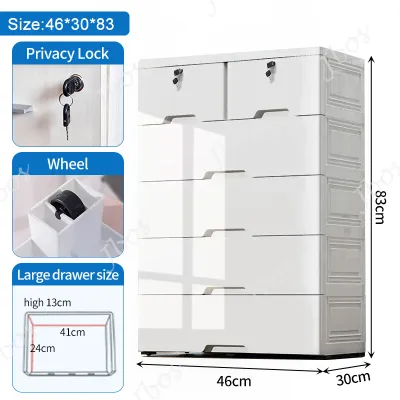
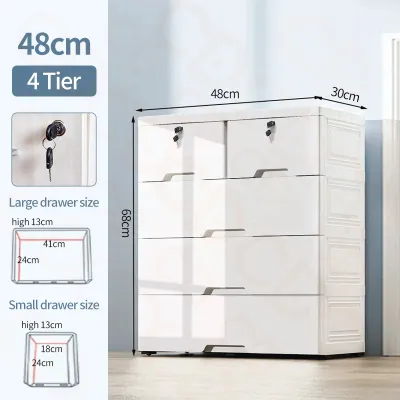
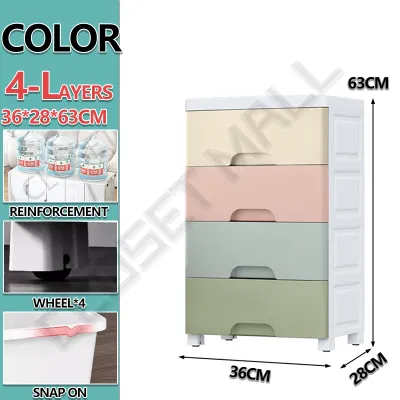
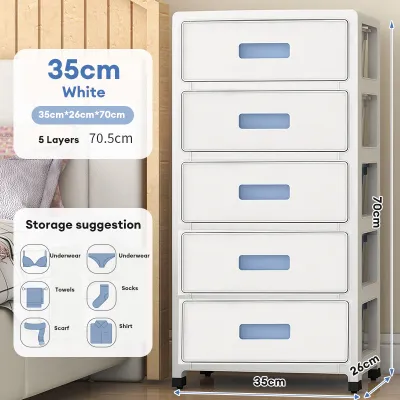
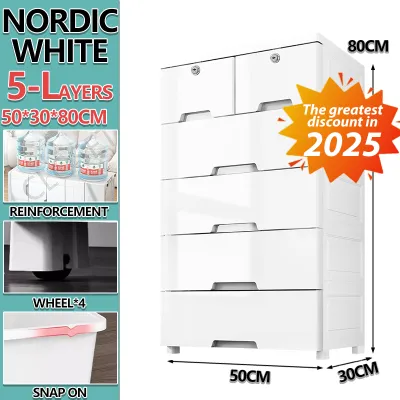
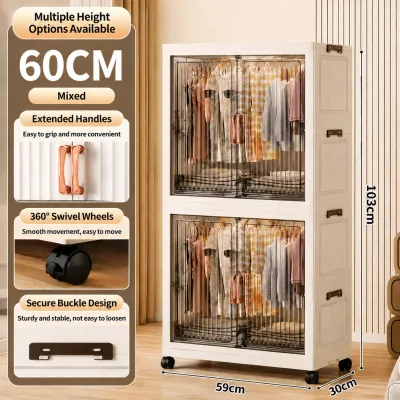
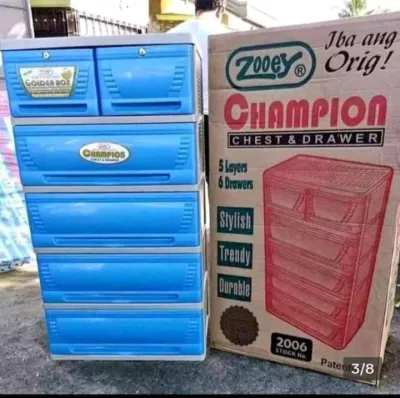
Prices are valid at publication and may change. Please refer to the product page for the latest price.
Before purchasing any storage container, you must assess the weight capacity of your existing wardrobe shelves. Solid wood wardrobes can support substantial loads, but many modern closets constructed from medium-density fibreboard (MDF) or particle board are prone to bowing or sagging under heavy weight. Rigid plastic containers filled with dense items like jeans or bedsheets exert significant downward force. If your shelves show signs of flexing, lightweight collapsible fabric boxes are more appropriate, or you should distribute the weight to the wardrobe floor for a safer, more stable approach.
Ultimately, identifying your primary storage goal will guide your material choice. If your objective is daily organization for activewear and undergarments, open-front bins or drawer-style inserts are superior. If you are rotating seasonal apparel or storing heirloom textiles, sealed protective cases are necessary. By matching the container’s physical properties to your specific organizational goals, you can preserve your wardrobe while keeping your bedroom clutter-free.
Fabric and Canvas Storage Bins: Best for Breathability
Fabric and canvas storage bins are highly favored for organizing everyday apparel due to their soft texture and natural ventilation. The inherent breathability of woven fabrics, such as cotton canvas, linen, or non-woven polyester, allows air to circulate freely around your clothes. This continuous airflow is crucial for natural fibers like cotton and wool, as it prevents the accumulation of stagnant, humid air that leads to fiber rot and sour odors.

When shopping for fabric organizers, you will encounter two main structural designs: soft, completely collapsible bins and those reinforced with internal frames. Soft bins are highly flexible and can squeeze into tight or irregular wardrobe corners, but they do not support stacking. If you want to stack your organizers, look for fabric bins equipped with internal steel wire frames or rigid cardboard inserts. These reinforced models maintain their shape even when empty, providing a flat, stable surface for placing another box on top.
Despite their aesthetic appeal and breathability, fabric bins have notable limitations regarding dust accumulation and pest vulnerability. In many Philippine households, dust can quickly settle on open fabric surfaces, and pests like silverfish or clothes moths can easily penetrate loose weaves. To mitigate this, check the product specifications for fabric bins that feature zippered fabric lids or inner protective coatings. These designs offer a compromise, blocking external dust while maintaining a lightweight profile.
The ideal use cases for fabric and canvas bins include bulky knitwear, casual cotton t-shirts, bed linens, and frequently accessed clothing. Because these items are used regularly, they benefit from the easy-reach design of open fabric bins. Additionally, the soft edges of canvas bins ensure that delicate fabrics do not snag on rough plastic corners or metal latches during retrieval. Budget-friendly fabric bins are highly affordable, often starting around ₱150 in local retail shops and online marketplaces.
Plastic Storage Bins: Why a Dora Box Lagyan ng Damit Protects Best
When maximum protection against environmental hazards is your top priority, rigid plastic containers are unmatched. In the Philippines, the classic plastic “dora box lagyan ng damit” has become a staple for household organization because it forms an absolute physical barrier. These heavy-duty plastic utility boxes shield your garments from external spills, heavy dust, and the intense ambient humidity characteristic of the rainy season. They also provide an impenetrable defense against pests, including termites, cockroaches, and mice, which can easily chew through cardboard or thin fabric.
To maximize the protective qualities of plastic storage, look for specific design features such as secure snap-lock latches, reinforced handles, and integrated bottom wheels for larger models. Some premium plastic bins feature silicone gasket seals along the lid rim to create an airtight environment. However, a fully sealed plastic bin can trap existing moisture inside. If you store clothes in airtight plastic containers, always place silica gel packets or active moisture absorbers inside the box to capture any residual dampness from the air or the fabric fibers.
While plastic offers superior protection, it does come with distinct trade-offs. The complete lack of breathability means that if garments are put away even slightly damp, they will quickly develop mold and a strong musty smell. Additionally, some low-grade plastics can undergo chemical off-gassing, leaving a synthetic odor on your clothes over time. Opaque plastic bins also present a visual challenge, as you cannot see the contents without opening them; choosing clear or translucent plastic resolves this visibility issue while maintaining structural defense. Prices for heavy-duty plastic options with latching lids typically range from ₱300 to over ₱800 depending on their capacity.
Rigid plastic bins are the ideal choice for storing heavy denim, delicate formal wear that requires strict dust protection, winter wear, and seasonal bedding. They are also highly suited for long-term storage in the lower sections of your wardrobe or on the closet floor. Because they are structurally rigid, you can stack multiple heavy plastic boxes on top of each other without worrying about crushing the garments inside, making excellent use of vertical floor space.
Stackable and Drawer-Style Organizers: Best for Daily Access
Modular, stackable drawer-style organizers function as custom extensions of your wardrobe, transforming deep, underutilized shelves into highly efficient storage zones. Unlike traditional boxes with top-opening lids, drawer-style organizers allow you to pull out individual compartments from the front. This design eliminates the need to unstack multiple heavy containers just to retrieve a single item from the bottom box, making them incredibly practical for daily-use apparel.
These modular systems are available in both rigid plastic and reinforced fabric designs. Stackable plastic drawers are particularly useful because they slide smoothly along built-in tracks, keeping your folded garments perfectly separated. For smaller items like socks, underwear, ties, and activewear, fabric drawer inserts with internal dividers are excellent. They allow you to implement file-folding techniques, where clothes are stood upright rather than stacked vertically, ensuring every single item is visible the moment you pull the drawer open.
When setting up a stackable system, safety and physical stability must be your primary considerations. Always check the interlocking mechanisms of the bins; high-quality stackable organizers feature grooves or clips on the top and bottom panels that lock the units together. To prevent your wardrobe shelves from tipping or collapsing, keep the center of gravity low. Place heavier items, such as jeans or sweaters, in the bottom drawers, and reserve the upper tiers for lightweight accessories, t-shirts, and undergarments.
These organizers are best suited for everyday folded garments, children’s clothes, and small accessories that easily get lost in deep wardrobe cavities. By dividing a large, open wardrobe shelf into smaller, specialized drawer compartments, you eliminate dead space and prevent clean, folded clothes from tumbling over into disorganized piles.
Quick Comparison: Matching Box Types to Clothing Categories
To help you decide which storage container best fits your wardrobe needs, the following matrix compares the primary storage box types based on their performance, breathability, and accessibility.
| Storage Type | Best For (Clothing Category) | Moisture & Dust Barrier | Breathability | Accessibility |
|---|---|---|---|---|
| Fabric / Collapsible | Sweaters, linen, cotton t-shirts, light bedding | Low to Moderate (depends on lid) | High | Moderate (requires top or front opening) |
| Rigid Plastic (Dora Box) | Denim, delicate formal wear, long-term seasonal items | High (excellent protection) | Low (requires moisture absorbers) | Low to Moderate (top-lid access) |
| Stackable / Drawer-Style | Underwear, socks, activewear, daily folded garments | Moderate | Moderate (varies by material) | High (easy front-pull access) |
This comparison highlights that no single box type is perfect for every scenario. A well-rounded wardrobe organization system often combines these different types—using rigid plastic for long-term protection, breathable fabric for delicate natural fibers, and drawer-style organizers for daily essentials.
How to Measure Your Wardrobe Before Buying Storage Boxes
One of the most common mistakes when organizing a closet is purchasing storage boxes based on visual estimation, only to find they do not fit inside the wardrobe. To prevent costly buying errors and returns, you must perform a precise spatial audit of your wardrobe using a metal measuring tape. Begin by recording the three essential dimensions of each shelf: the absolute width from side panel to side panel, the usable depth from the back wall to the closed door, and the exact vertical clearance between shelves.
Beyond these basic dimensions, you must account for hidden physical obstructions within your wardrobe’s architecture. Wardrobe door hinges, sliding door tracks, and magnetic catches often protrude into the usable cabinet space, reducing the actual clearance. Measure how far these components extend inward. Additionally, check if your wardrobe has a raised front lip or face frame; a box might fit comfortably once inside the shelf, but the front frame could block you from sliding the box in or out.
It is also vital to measure the physical clearance of the wardrobe doors themselves. If you are purchasing large, pre-assembled rigid plastic bins, ensure the door opening is wide enough for the box to pass through at a straight angle. If your wardrobe doors only open to a 90-degree angle, they may partially block the opening, requiring you to tilt or maneuver the box awkwardly, which can damage the wardrobe finish or the box itself.
When planning your layout, never try to fill the shelf space to the millimeter. Always leave a clearance gap of at least 1 to 2 inches (2.5 to 5 centimeters) around the sides and top of each storage box. This gap serves two critical purposes: it allows your hands to grip the sides or handles of the box easily when pulling it out, and it ensures sufficient air circulation around the containers, which is vital for preventing localized humidity buildup and mold growth inside your closet.
Maintaining Your Storage Boxes in a Humid Climate
Operating a wardrobe storage system in a humid tropical climate requires active, regular maintenance to protect both the containers and your valuable clothing. For rigid plastic boxes, establish a routine of wiping down the interior and exterior surfaces with a damp microfiber cloth at least once every few months. Ensure the plastic is completely dry before restocking it with clothes, as any residual surface moisture will quickly trigger mold growth once the lid is sealed. For fabric bins, use a vacuum cleaner attachment to remove accumulated dust, or spot-clean stains with a mild fabric detergent, allowing them to air out completely in a well-ventilated room.
Managing internal humidity is the single most effective way to prevent musty odors in closed wardrobes. For sealed plastic containers, place commercial desiccant bags, silica gel packets, or activated charcoal blocks inside. These materials actively draw moisture out of the air. Be sure to check these absorbers every month; once they are saturated, replace or reactivate them according to the manufacturer’s instructions to maintain their effectiveness.
Avoid the temptation to overpack your storage boxes. Stuffing too many garments into a single container exerts outward pressure that can warp plastic walls, split seams, and break zippers on fabric bins. More importantly, tightly packed clothes compress the air pockets between fibers, trapping moisture and accelerating the development of mildew. Leave at least 10% of the container’s volume empty to allow air to move naturally between the garments.
If you discover mold on any storage box or garment, immediate action is required to prevent the spores from spreading throughout your wardrobe. First, remove all affected items from the closet. If the mold is on a plastic box, clean it thoroughly with a diluted vinegar solution or a household disinfectant, then dry it completely in direct sunlight. For fabric bins, check the manufacturer’s care label; if washing is permitted, clean them with hot water and laundry sanitizer, or consult a professional cleaner if the material is delicate. Ensure the wardrobe interior is completely dry and free of mold before returning any storage boxes to their shelves.
Frequently Asked Questions (FAQ)
Are cardboard storage boxes safe for long-term wardrobe use?
Standard cardboard boxes are generally not recommended for long-term clothing storage, especially in humid environments. Cardboard is highly porous, meaning it readily absorbs moisture from the air, which leads to structural sagging, warping, and a sour, musty smell that transfers to your clothes. Furthermore, the adhesives and cellulose fibers in cardboard are highly attractive to pests like termites, silverfish, and cockroaches. If you prefer a lightweight, structured option, opt instead for fabric boxes with removable plastic or metal internal supports, or search for specialized water-resistant storage bins.
How do I stop clothes from smelling musty in plastic bins?
To prevent musty odors in plastic bins, you must ensure that every garment is 100% dry before it is packed away. Even a tiny amount of residual moisture from laundry dampness or body sweat will multiply in a sealed plastic environment. Always wash clothes before long-term storage, as body oils and perfumes can degrade fabrics and attract mold. Additionally, place activated charcoal packets or silica gel inside the bin to absorb ambient dampness, and try to open the bins for an hour in a well-ventilated, air-conditioned, or sunny room every few months to allow fresh air exchange.
Should I fold or roll clothes inside storage boxes?
The choice between folding and rolling depends entirely on the type of garment and the style of your storage box. Rolling is highly effective for casual wear, synthetic activewear, t-shirts, and undergarments, particularly when using shallow drawer-style organizers; it saves space, minimizes deep creases, and makes it easy to see every item at a glance. On the other hand, folding is much better for structured garments, heavy denim, linen shirts, and delicate knitwear. Folding distributes the weight evenly, preventing delicate fibers from stretching out of shape, and allows you to stack items flat inside deep, rigid plastic containers.
Community discussion
Share your experience or ask a question. Comments are reviewed before publication.