
Quick Answer: Which Collapsible Bed Fits Your Space?
Choosing the right collapsible bed for a small bedroom or a compact condominium unit depends on your primary spatial goals, budget, and lifestyle. If your main objective is to completely reclaim your floor space during the day to create a spacious room, a Murphy bed is the most effective choice. If you are a renter, a frequent mover, or simply need a temporary sleeping solution for occasional guests, a lightweight foldable frame offers unmatched portability and cost savings. For studio apartments or multi-functional spaces where the bedroom must double as a living room or home office during the day, a sofa bed provides immediate dual-purpose utility without requiring structural modifications.
There is no single universal option that fits every small bedroom. Instead, the ideal collapsible bed is one that aligns with your specific room layout, your willingness to perform daily setup routines, and the structural limitations of your living space.
Space and Layout: Floor Footprint vs. Vertical Clearance
When optimizing a small bedroom, understanding how a collapsible bed interacts with both horizontal floor area and vertical wall space is crucial. Each bed type demands a different compromise between the space it occupies when in use and the space it frees up when stored.
Products mentioned in this guide
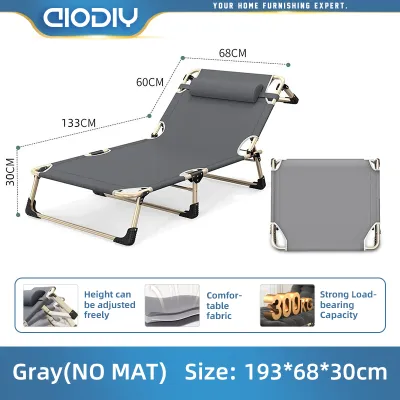
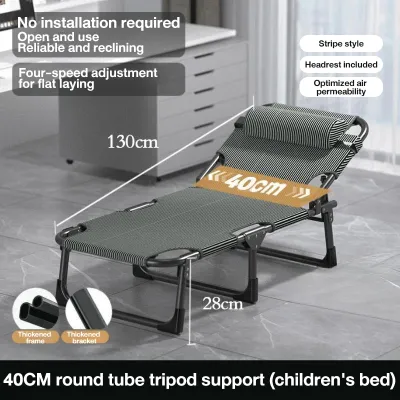
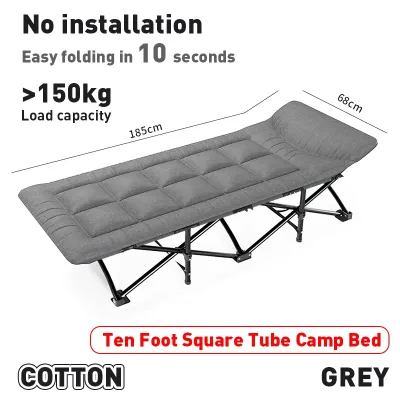
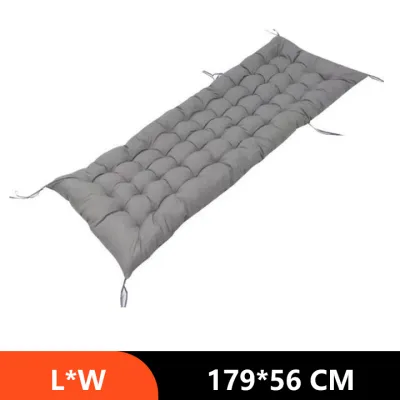
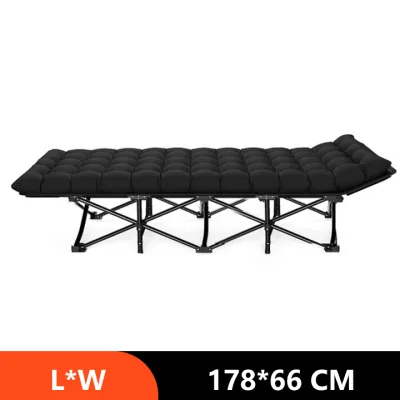
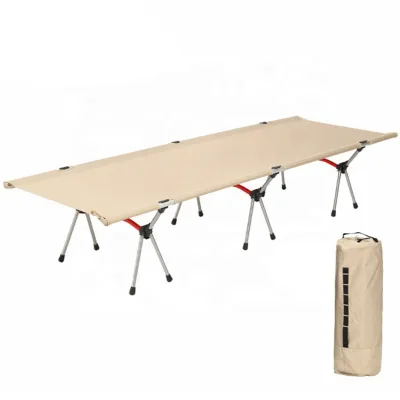
Prices are valid at publication and may change. Please refer to the product page for the latest price.

Murphy Beds: The Vertical Space Maximizer
A Murphy bed, also known as a wall bed, is designed to fold vertically or horizontally against a wall, completely clearing the floor footprint when stored. This mechanism is highly efficient for dedicated bedrooms because it leaves the entire room open for daytime activities, exercise, or home office use. However, this system relies heavily on vertical clearance. You must verify that your ceiling height can accommodate the height of the cabinet, which typically ranges from 80 to 90 inches for vertical models.
Additionally, the swing radius is a critical layout factor. When pulling the bed down, you must have completely clear floor space that extends at least 80 to 85 inches from the wall. Any lightweight furniture placed in this zone, such as coffee tables or study chairs, must be easily movable. The wall itself must also have sufficient uninterrupted width, preventing the placement of large wardrobes or permanent fixtures along that specific vertical plane.
Foldable Frames: The Portable, Storable Option
A foldable frame offers a different spatial strategy. Rather than occupying wall space, it is designed to fold in half—often with the mattress enclosed—and be rolled or carried into a storage closet, a utility room, or a designated niche. When deployed, it takes up the exact footprint of a standard single or double bed.
The primary spatial challenge with a foldable frame is finding a dedicated storage spot when it is not in use. If your condo or small room lacks deep closets or a spacious utility area, a folded frame can become an unsightly obstacle in hallways or corners. When open, it also requires clear walkways around its perimeter, meaning you must plan a layout where nearby furniture can be pushed aside easily to maintain a safe path to doors or windows.
Sofa Beds: The Permanent Dual-Purpose Footprint
Unlike Murphy beds or foldable frames, a sofa bed never completely vacates the floor. Instead, it transitions between two functional states within the same footprint. During the day, it serves as a sofa, occupying a fixed amount of floor space. At night, the seating cushions are removed or folded out to extend the frame into a full-length bed.
This permanent footprint makes sofa beds exceptionally efficient for studio units where a separate living room and bedroom are structurally impossible. However, because the bed extends forward, you must ensure there is enough clearance in front of the sofa. Coffee tables, media consoles, and rugs must be positioned so they do not obstruct the extension mechanism or block essential pathways when the bed is fully deployed.
Practical Room Measurement Checklist
Before committing to any collapsible bed, perform these essential physical measurements to ensure a proper fit:
- Ceiling Height: Measure from floor to ceiling at multiple points, especially for Murphy beds, to ensure clearance from light fixtures, ceiling fans, or structural beams.
- Wall Width and Depth: Confirm the wall can accommodate the cabinet width of a Murphy bed, including any decorative molding or baseboards.
- Deployment Depth: Measure the exact distance from the wall or sofa back to the furthest point of the bed when fully extended, leaving at least 18 to 24 inches of walking space around the edges.
- Door and Window Swings: Verify that the bed, when open, will not block entry doors, wardrobe doors, balcony doors, or low-hanging window panels.
- Access Pathways: Map out a clear path from the bed to the bathroom or exit, ensuring no one has to climb over other furniture during the night.
Daily Convenience and Sleep Comfort
The long-term satisfaction with a collapsible bed depends heavily on how easy it is to operate every day and how comfortable it is to sleep on night after night. A bed that is too difficult to set up will eventually be left permanently open, defeating its space-saving purpose, while an uncomfortable mattress will lead to poor sleep quality.
Evaluating Daily Setup Effort
The physical effort required to transition your bed from day to night configuration varies significantly across mechanisms. Modern Murphy beds equipped with counterbalanced gas pistons or heavy-duty spring systems are remarkably easy to operate. With a well-engineered system, you can lower or raise the bed using just one hand, as the mechanism bears the weight of the frame and mattress.
Foldable frames generally require moderate physical effort. You must roll the frame out of storage, unlock the safety latch, unfold the two halves, and secure the legs. Because these frames are lightweight, they can slide on smooth floors, requiring you to position them carefully.
Sofa beds can be the most physically demanding option. Traditional pull-out models require you to remove heavy seat cushions, bend down to grab a metal bar, and pull a heavy steel frame upward and outward. While newer “click-clack” or drawer-style slide-out models have simplified this process, sofa beds still require more bending and lifting than a balanced Murphy bed.
Mattress Compatibility and Sleep Quality
Sleep comfort is directly tied to the thickness and quality of the mattress your chosen frame can support. Murphy beds offer a major advantage here: most high-quality wall beds can accommodate standard, residential-grade mattresses up to 10 or 12 inches thick. This means you do not have to compromise on pocket springs, memory foam, or hybrid comfort layers.
Foldable frames are structurally limited to thinner mattresses, typically between 4 and 6 inches deep, to allow the frame to fold shut. These mattresses are often made of high-density foam. While comfortable enough for occasional guest use, they may lack the deep support required for daily, long-term sleep, sometimes requiring you to add a separate mattress topper that must also be stored during the day.
Sofa beds present a unique challenge because the mattress must fold into thirds or halves inside the sofa frame. Consequently, traditional sofa bed mattresses are thin and prone to sagging, often allowing sleepers to feel the metal support bars underneath. While modern premium sofa beds feature improved suspension systems or thicker foam layers, they rarely match the plush comfort of a standard mattress used on a Murphy bed.
Bedding and Linen Management
The daily chore of making the bed is another factor that influences convenience. Murphy beds excel in this area because most models feature built-in elastic straps or belts. These straps secure your sheets, blankets, and even pillows tightly against the mattress, allowing you to fold the bed directly into the wall without stripping the bedding.
In contrast, foldable frames must almost always be completely stripped of pillows and thick blankets before they can be folded and locked. You must find a separate storage spot for your bedding every morning and remake the bed every night.
Sofa beds fall somewhere in the middle. While some modern mechanisms allow you to leave thin flat sheets on the mattress when folded, thick comforters, duvets, and pillows must be removed and stored elsewhere to prevent jamming the folding mechanism.
Installation Requirements and Relative Costs
Beyond space and comfort, you must consider the structural demands, installation safety, and overall financial investment required for each collapsible bed type.
Structural Integrity and Safety Inspections
Safety is the absolute priority when installing heavy, moving furniture. Traditional Murphy beds exert significant leverage on the structure they are attached to. They must be securely anchored to the wall studs or solid masonry to prevent the cabinet from tipping forward when the bed is pulled down.
In the Philippines, residential construction varies widely. Many modern condominium units utilize lightweight drywall partitions or hollow concrete blocks (CHB) for interior walls, which may not have the structural capacity to support a heavy wall bed without additional reinforcement. Before purchasing a Murphy bed, you must inspect your wall type. If you are dealing with hollow drywall or non-load-bearing partitions, you must consult a structural engineer or a professional installer to reinforce the wall with wood blocking or steel brackets. Never attempt to mount a heavy wall bed to standard drywall using simple plastic anchors.
Rental and Condominium Regulations
If you are renting a home or living in a managed condominium, you must review your lease agreement and building administration guidelines before making structural changes. Installing a Murphy bed typically requires drilling multiple large expansion bolts into the wall or floor. Many landlords strictly prohibit this level of modification, or may require a professional restoration of the wall upon move-out. Additionally, condo administrations often require work permits, contractor insurance, and structural approvals before any drilling into structural concrete columns or shear walls is permitted.
Foldable frames and sofa beds, by contrast, are completely freestanding. They require zero wall drilling, making them fully compliant with strict rental agreements and hassle-free for condo living.
Assembly, Portability, and Delivery Logistics
The ease of getting the furniture into your room is another practical hurdle. Foldable frames are highly portable; they usually arrive in a single compact box and require little to no tool assembly, easily fitting into standard passenger elevators and narrow doorways.
Sofa beds are heavy and bulky. You must measure your building’s elevator dimensions, hallway widths, and tight stairwell corners to ensure the delivery team can physically transport the sofa bed to your unit. Once inside, assembly is usually straightforward but requires at least two people due to the weight of the frame.
Murphy beds are the most complex. They arrive flat-packed in multiple heavy boxes and require precise, multi-hour assembly. Because of the safety risks associated with tension springs or gas pistons, professional assembly and installation are highly recommended.
Budget Tiers and Long-Term Value
The financial commitment varies significantly among these three options:
- Foldable Frames (Budget-Friendly): These represent the lowest entry cost. They are highly affordable and require no professional installation fees, making them excellent for temporary setups or budget-conscious renters.
- Sofa Beds (Mid-Range): These sit in a moderate price bracket. While more expensive than a simple folding frame, they provide excellent value by eliminating the need to purchase a separate sofa and bed frame.
- Murphy Beds (Premium Investment): These require the highest upfront investment. The cost includes the specialized mechanical hardware, the heavy wooden cabinet, and often professional installation or custom carpentry. However, they offer the highest long-term value by transforming a single room into a fully functional dual-use space without the cost of moving to a larger property.
Climate and Material Durability
The tropical climate of the Philippines, characterized by high humidity and seasonal moisture, can affect the moving parts and materials of collapsible beds. High humidity can accelerate the rusting of metal hinges, springs, and sliding tracks, leading to squeaking or mechanical failure. When selecting any collapsible bed, look for powder-coated steel frames or rust-resistant hardware.
Furthermore, enclosed wooden cabinets—such as those housing Murphy beds—can trap moisture, leading to mold or musty odors on the mattress and bedding. To prevent this, ensure your room has adequate ventilation, use moisture-absorbing silica gel packs or dehumidifiers inside the cabinet, and periodically leave the bed open during dry days to air out the mattress.
Side-by-Side Comparison Matrix
To help you quickly compare your options, this table summarizes the key operational and physical differences between the three bed types:
| Bed Type | Floor Space When Folded | Daily Setup Effort | Sleep Comfort Potential | Installation Needs | Ideal User Profile |
|---|---|---|---|---|---|
| Murphy Bed | Maximum saved (0 sq ft on floor) | Low (gas piston assisted) | High (supports standard mattresses) | High (wall anchoring & professional setup) | Condo owners wanting a permanent, spacious bedroom |
| Foldable Frame | High saved (stored in closet/corner) | Moderate (manual unfolding & rolling) | Moderate (thinner foam mattresses) | Low (freestanding, tool-free setup) | Renters, students, or hosts needing guest beds |
| Sofa Bed | Moderate saved (retains sofa footprint) | Moderate to High (pulling heavy mechanisms) | Moderate (thin folding mattresses) | Low (freestanding, standard assembly) | Studio dwellers needing a combined living/sleep zone |
Final Decision Framework
To make your final decision, evaluate your living situation against these clear, practical scenarios.
Choose a Murphy Bed if:
- You own your condominium or home, or have written landlord permission to drill deep anchoring holes into the walls.
- You want to use your primary bedroom for other activities during the day, such as a home office, gym, or creative studio, without sacrificing sleep comfort.
- You have the budget to invest in a durable, professionally installed wood cabinet and a high-quality, standard-thickness mattress.
- Your room has solid concrete walls or reinforced studs capable of safely bearing the weight and tension of a wall-mounted frame.
Choose a Foldable Frame if:
- You are renting a temporary space or anticipate moving to a new home in the near future.
- You need a highly budget-friendly sleeping solution that does not require permanent installation or structural modifications.
- You have an accessible closet, a deep wardrobe, or a utility room where you can easily store the folded frame out of sight during the day.
- The bed is intended for occasional guest use rather than daily, long-term sleep.
Choose a Sofa Bed if:
- You live in a studio apartment or a loft where your living room and sleeping area must share the exact same floor space.
- You require comfortable daytime seating for hosting guests, watching television, or relaxing, and want to avoid buying a separate couch.
- You want a freestanding furniture piece that is easy to move if you rearrange your room layout or relocate to a new apartment.
Verify First Before You Buy:
Before making any purchase, always perform these safety and structural checks:
- Wall Construction: Confirm whether your target wall is made of solid concrete, hollow blocks, or lightweight drywall.
- Condo Regulations: Consult your property management office regarding drilling permits, noise restrictions for installation, and delivery guidelines.
- Clearance Zones: Double-check that your room's ceiling height, door swings, and walking paths remain unobstructed when the bed is fully deployed.
Frequently Asked Questions (FAQ)
Can I install a Murphy bed in a rented condo?
You must check your lease agreement and consult your building administration before attempting to install a traditional Murphy bed. Because these beds require heavy-duty bolts anchored directly into the wall structure to prevent tipping, most landlords do not allow them, as they leave significant structural holes. However, if you are renting, you can look for freestanding Murphy bed alternatives. These models are built into a heavy, self-supporting cabinet chest that rests on the floor. While they do not require deep wall drilling, they still require anti-tip safety straps anchored to the wall, so you must verify if your landlord permits minor drywall anchors.
Do sofa beds require a special mattress?
Yes, most sofa beds require a specialized mattress designed specifically for folding. Standard residential mattresses are too thick, rigid, and heavy to fold into a sofa frame, and attempting to force one inside will damage both the mattress and the folding mechanism. Sofa bed mattresses are typically between 4 and 6 inches thick and are constructed from highly flexible materials like high-density polyurethane foam or specially engineered low-profile coils. Always consult the manufacturer’s exact specifications regarding dimensions, thickness, and folding tolerance before purchasing a replacement mattress for your sofa bed.
Community discussion
Share your experience or ask a question. Comments are reviewed before publication.