
The best collapsible shoe rack organizer for a small bedroom in the Philippines must balance vertical space utilization, resistance to tropical humidity, and a highly adaptable footprint. In compact living spaces like Metro Manila studio condos, shared boarding houses, or cozy suburban bedrooms, floor space is a premium resource. A collapsible organizer allows you to store your footwear efficiently while retaining the flexibility to fold the unit flat when moving, cleaning, or reconfiguring your room layout. By prioritizing designs that fold down without requiring complex tools, you can keep your bedroom organized, clean, and free of physical clutter.
Maximize Floor Space: The Benefits of Collapsible Designs
Collapsible shoe rack designs offer distinct advantages over traditional, heavy wooden shoe cabinets, particularly when space is limited. Unlike fixed furniture, which permanently claims a portion of your room’s layout, folding structures can be adjusted or completely put away in a matter of minutes. This adaptability is highly beneficial for renters who may face frequent relocations or residents who need to adapt their bedroom space for multiple uses, such as working from home or exercising.
The engineering behind these organizers focuses on maximizing vertical storage while minimizing the physical materials used. By utilizing lightweight yet durable frames, collapsible designs provide multiple tiers of storage without adding the visual or physical bulk of solid wood panels. This open-air structure not only makes the room feel more spacious but also promotes better air circulation around your shoes, which is vital for maintaining freshness.
Products mentioned in this guide
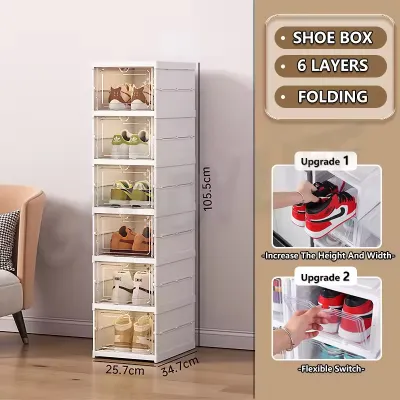
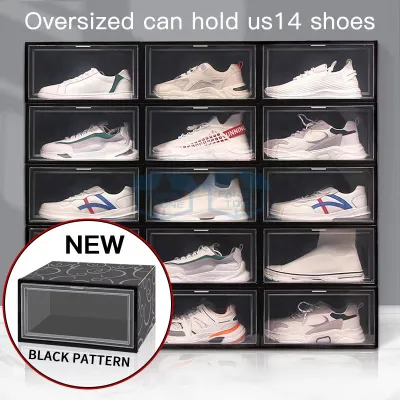
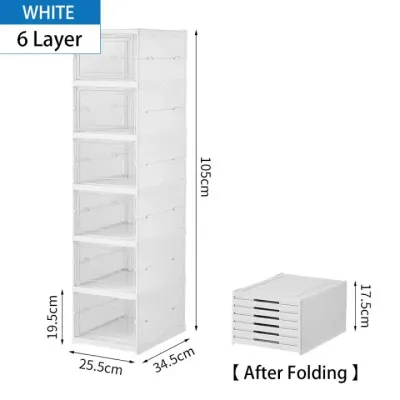
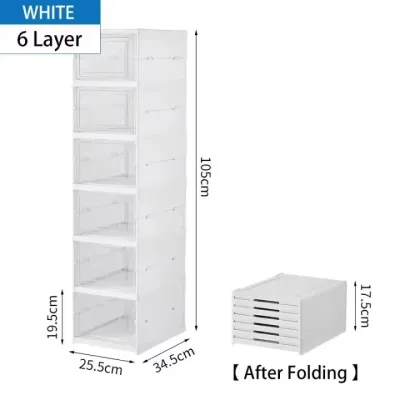
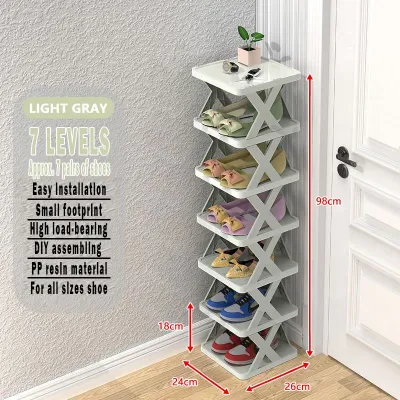
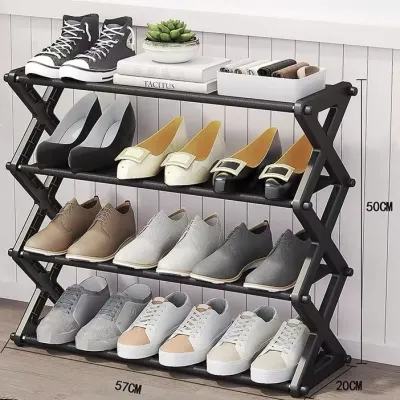
Prices are valid at publication and may change. Please refer to the product page for the latest price.
Furthermore, the ease of setup associated with collapsible organizers eliminates the need for power tools, wall drilling, or complicated assembly manuals. Most high-quality folding racks arrive pre-assembled or require only a few simple snaps to lock the frame into place. This user-friendly design ensures that anyone can set up a functional storage system immediately, avoiding the frustration of missing screws or misaligned panels.
When not in use, these racks collapse to a fraction of their expanded size, often measuring less than five centimeters in thickness. This slim profile allows you to slide the folded rack under a bed frame, behind a wardrobe, or inside a closet. This level of spatial efficiency is simply impossible to achieve with standard, rigid furniture pieces, making collapsible designs the superior choice for dynamic, modern living environments.
What to Look For: Durability, Stability, and Climate Resistance
Selecting the right collapsible shoe rack requires a careful evaluation of materials, structural integrity, and safety features. Because the organizer will be subjected to daily use and local environmental factors, choosing a model based solely on appearance can lead to premature wear or structural failure. Understanding the specific technical details of these organizers ensures you invest in a product that remains stable, safe, and functional for years to come.

Material and Climate Considerations
The tropical climate of the Philippines presents unique challenges for home furniture, particularly regarding moisture and humidity. High relative humidity levels can cause untreated metal frames to rust rapidly, while poorly ventilated fabric shelves can become breeding grounds for mold and mildew. When shopping for a collapsible rack, look for metal components that feature powder-coated, painted, or chrome-plated finishes, as these coatings provide a barrier against moisture. For fabric-based organizers, prioritize synthetic materials like polyester or non-woven fabrics that have been treated for water resistance, and ensure the manufacturer’s care instructions allow for easy spot-cleaning.
Weight Capacity and Stability
A shoe rack’s structural stability is directly linked to its frame design and the weight of the footwear it holds. Lightweight collapsible frames, particularly those made of thin plastic or hollow aluminum tubes, can become highly unstable and top-heavy when fully loaded with heavy shoes, such as leather boots, wedges, or thick-soled sneakers. To prevent tipping, check the manufacturer’s specified load capacity per tier and ensure the heaviest footwear is always placed on the bottom shelves. A low center of gravity is essential for maintaining the equilibrium of any free-standing collapsible structure.
Folding Mechanism Safety
The safety of a folding shoe rack depends heavily on the quality of its joints and locking mechanisms. Poorly designed hinges can slip under load, causing the entire rack to collapse unexpectedly, which poses a risk of injury or damage to your flooring and footwear. Look for organizers that feature secure locking pins, snap-lock joints, or tension bars that physically prevent the frame from folding once it is fully extended. These safety features are especially important in households with active pets or young children, where accidental impacts against the furniture are more likely to occur.
Footprint Dimensions
Before finalizing your choice, you must compare the physical dimensions of the rack in both its expanded and collapsed states. The expanded footprint determines how much floor space the rack will occupy during daily use, which must be balanced against the available clearance in your bedroom. Simultaneously, the collapsed thickness determines how easily the unit can be stored away when it is not needed. Measuring these dimensions in advance ensures that the organizer fits perfectly within your designated storage zone without obstructing walking paths or door swings.
Best Collapsible Designs for Different Bedroom Layouts
Different bedroom layouts require different storage solutions, and collapsible shoe racks are available in several distinct configurations to address these varying spatial needs. By matching the structural design of the organizer to the specific layout of your room, you can maximize your storage capacity without compromising the usability of your living space.
No-Assembly Foldable Tier Racks
No-assembly foldable tier racks are the traditional choice for quick and easy shoe storage. These units typically feature a metal or bamboo frame with multiple hinged shelves that swing into place and lock securely without the need for screws or brackets. They are highly stable when placed on flat, level surfaces and are best suited for floor space directly adjacent to your bedroom door, entryway, or alongside a wardrobe.
While these racks offer excellent stability and quick access to your footwear, they do have specific structural limits that you must consider. The shoe capacity per tier is generally limited to three or four pairs of adult shoes, depending on the overall width of the rack. Additionally, because the frame relies on rigid hinges, the height between tiers is fixed, usually ranging from 15 to 18 centimeters. This spacing is ideal for low-profile footwear like sandals, flats, and standard sneakers, but it will not accommodate high-top basketball shoes, ankle boots, or high heels, which must be placed on the very top shelf. To protect your bedroom flooring from scratches and prevent the rack from sliding, always verify that the unit is equipped with non-slip rubber or silicone foot pads.
Hanging and Over-Door Organizers
For bedrooms with extremely limited floor space where every square centimeter counts, hanging and over-door organizers offer an exceptionally efficient alternative. These designs utilize the vertical plane of your bedroom door or the interior hanging rod of your closet, keeping the floor completely clear of clutter. They typically feature a series of fabric pockets or wire loops suspended from heavy-duty metal hooks that drape over the top of the door frame.
Before choosing this style, you must carefully evaluate your door’s physical clearance and hardware strength. Standard bedroom doors require a gap of at least two to three millimeters between the top of the door panel and the frame to allow the hanging hooks to sit comfortably without scraping or preventing the door from closing. Furthermore, because a fully loaded 24-pocket organizer can easily weigh between five and ten kilograms when filled with shoes, your door hinges must be strong and securely screwed into the frame to prevent sagging. To address the common issue of the organizer swinging or banging against the door when it is opened and closed, look for models that include bottom anchor straps, adhesive hook-and-loop fasteners, or weighted lower hems to keep the unit securely flush against the door surface.
Stackable and Expandable Modular Units
Stackable and expandable modular units provide the highest level of customization, allowing you to tailor the shoe rack’s physical dimensions to your changing storage needs. These systems consist of individual plastic or wire mesh panels that connect using multi-angle ABS connectors, enabling you to build a custom grid of storage cubbies. This modularity makes them incredibly versatile, as they can be configured horizontally to slide under a low-clearance bed frame, or stacked vertically to fit into a narrow, unused corner of your bedroom.
The primary benefit of modular units is their ability to grow alongside your shoe collection; you can easily purchase additional panels and connectors to expand the system over time. However, this flexibility requires careful attention to structural safety and weight distribution. As you stack units higher, the cumulative weight of the shoes and the panels increases the risk of the structure bowing or tipping over. You must always verify the manufacturer’s maximum recommended stacking height—typically limited to three or four tiers for lightweight plastic models—and ensure that all plastic connectors are fully snapped into place using the included wooden mallet or manual pressure.
Smart Placement Strategies for Tight Bedrooms
Integrating a collapsible shoe rack into a small bedroom requires strategic planning to ensure the unit does not disrupt the flow of daily movement or create a cluttered visual environment. Simply placing the rack in the first open spot can lead to blocked walkways, restricted door swings, and an overall cramped feeling within the room. By identifying and utilizing underused zones, you can maintain a clean, organized, and highly functional bedroom layout.
One of the most effective placement strategies is utilizing the dead space behind your bedroom door. This area is often left empty because of the door’s swing path, but it can easily accommodate a slim-profile collapsible rack or an over-door organizer. To use this zone safely, you must measure the clearance between the open door and the adjacent wall; a minimum clearance of 20 centimeters is typically required to prevent the door handle or the door itself from crushing the rack or damaging your shoes.
Another excellent option is the narrow gap between your bed frame and the wall. In many small bedrooms, this space is too narrow for a traditional nightstand but is perfect for a low-profile, horizontal collapsible rack. Placing your shoes in this zone keeps them out of direct sight from the bedroom entryway, reducing visual clutter while keeping your daily footwear within easy reach when you get out of bed. If your bed frame has sufficient clearance, sliding a horizontal modular rack entirely underneath the bed is an even better way to maximize hidden storage.
To maintain a tidy and serene aesthetic in your bedroom, you must also consider how the shoe rack looks when fully loaded. Open shoe racks can quickly look chaotic if shoes are thrown on them haphazardly. To combat this visual clutter, consider placing uniform, breathable storage boxes on the shelves of your collapsible rack, or select an organizer that features a roll-down fabric cover. A cover allows you to hide your footwear from view instantly, creating a clean, uniform look that contributes to a more relaxing bedroom environment.
Final Buying Checklist: Measure and Verify Before You Order
Before you place an order on an e-commerce platform, taking a few minutes to measure your space and verify product specifications can save you from the hassle of returns and shipping delays. Online product listings can sometimes be misleading, making a shoe rack appear larger or sturdier than it actually is in reality. Following a structured checklist ensures that the organizer you receive is a perfect fit for both your bedroom and your footwear collection.
Space Measurement
Use a physical tape measure to record the exact width, depth, and height of the area where you plan to install the shoe rack. Do not rely on visual estimates. Be sure to account for baseboards, which can prevent the rack from sitting completely flush against the wall, as well as wall outlets, light switches, and air conditioning vents that must remain accessible.
Delivery and Assembly Clearance
Consider how the packaged item will reach your bedroom. If you live in a condominium or apartment building, measure the dimensions of the elevator door, the stairwell clearances, and your front door frame to ensure the delivery box can be brought inside without difficulty. For collapsible racks, verify the package dimensions provided by the seller before finalizing your purchase.
Shoe Profile Verification
Measure the height and width of your largest, tallest, and widest pairs of shoes. Compare these measurements against the individual tier height and shelf depth of the collapsible rack. If you own high-heeled shoes, platform sneakers, or ankle boots, ensure the rack has sufficient vertical clearance between shelves, or confirm that the top shelf is spacious enough to accommodate them safely.
Retailer Policies
When purchasing from online marketplaces, always read the seller’s return and exchange policies carefully. Because shipping bulky furniture items within the Philippines can incur high delivery fees, especially to provincial areas outside of Metro Manila, verifying the seller’s return conditions is crucial. Check customer reviews specifically for feedback on packaging quality, shipping damages, and whether the seller provides responsive customer service in case of defects.
Frequently Asked Questions (FAQ)
How do I clean and maintain a fabric or metal collapsible shoe rack?
To clean a metal collapsible shoe rack, wipe down the frame regularly with a dry or slightly damp microfiber cloth to remove dust and prevent moisture buildup that could lead to rust. Avoid using harsh chemical cleaners or abrasive scrubbing pads, which can scratch the protective powder coating. For fabric-based shelves or pockets, refer to the manufacturer’s care label; most non-woven or polyester fabrics can be spot-cleaned using a mild detergent and warm water. Always allow all components, especially the hinges and folding joints, to dry completely before folding the rack flat for storage to prevent mold growth and joint stiffness.
Can a collapsible shoe rack hold heavy boots or winter shoes?
Most lightweight collapsible shoe racks are engineered primarily for everyday footwear like slippers, sandals, flats, and standard athletic sneakers. Placing heavy leather boots, thick-soled work shoes, or heavy winter footwear on a lightweight collapsible frame can exceed the manufacturer’s specified weight limits, causing the shelves to sag or the entire structure to tip over. If you need to store heavy or bulky footwear, check the product specifications to confirm the load capacity per tier, and always place the heaviest shoes on the bottom shelf to maintain stability. For collections consisting entirely of heavy boots, a sturdier, non-collapsible wooden or heavy-duty metal rack is a safer and more durable alternative.
Community discussion
Share your experience or ask a question. Comments are reviewed before publication.