
Finding the right way to organize your wardrobe is essential for maintaining an orderly, stress-free bedroom. The best plastic storage boxes for organizing clothes in a wardrobe are medium-sized stackable bins with secure latching lids for everyday wear, large wheeled trunks for bulky off-season bedding, and shallow drawer-style units for accessories. Brands like Dorabox and Orocan provide excellent options to keep garments organized, dust-free, and protected from the high humidity characteristic of homes in the Philippines. Selecting the ideal dorabox lagyanan ng damit orocan setup depends on your wardrobe’s layout, your clothing volume, and how frequently you need to access your items.
Using plastic containers inside a closet does more than just group similar items together. In tropical climates, these boxes serve as a critical barrier against dust, moisture, and pests that can ruin delicate fabrics. By choosing the correct size and configuration, you can maximize your vertical closet space, turn deep shelves into highly functional storage zones, and simplify your daily routine.
Quick Guide: Matching Box Types to Your Wardrobe Needs
Every wardrobe has different storage zones, and matching the right plastic box to these zones is the first step toward a highly functional closet. Bulky items like thick blankets, heavy denim, and off-season jackets require large-capacity containers that can sit at the bottom of the wardrobe or on the floor. For these items, large wheeled trunks or heavy-duty plastic chests are highly effective because they hold substantial weight and can be rolled out easily when needed.
Products mentioned in this guide
![[NEW ITEM] 6888 CDN ROYALE NATURA CONVENIENCE / ORGANISER / WARDROBE / DURABOX / OROCAN / LAGAYAN NG DAMIT](https://img.lazcdn.com/g/p/2c2794e53715ddb7d33ac11452b5fe6b.jpg_400x400q80.jpg_.webp)
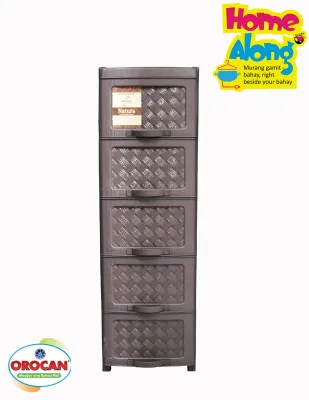
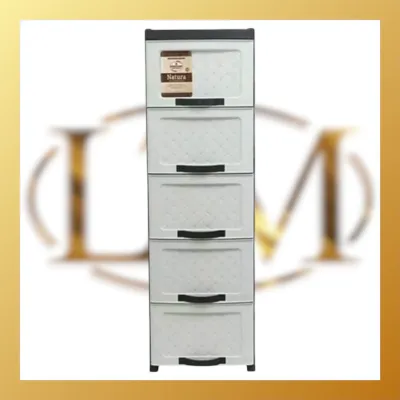
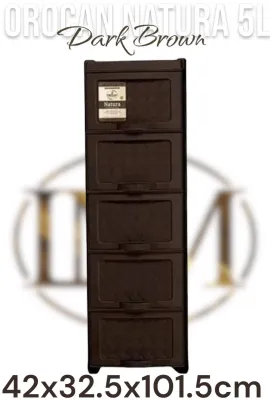
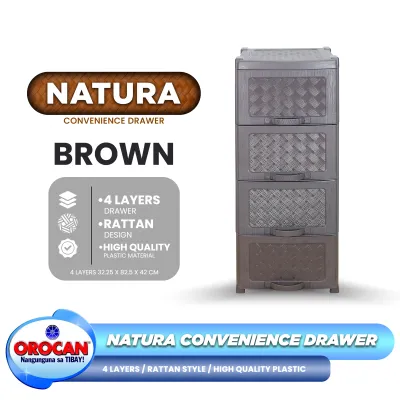
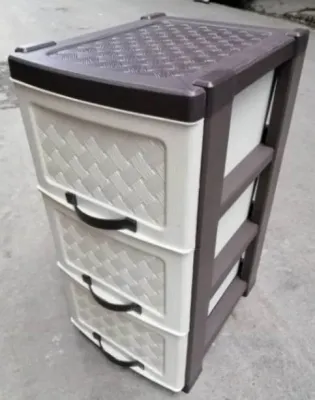
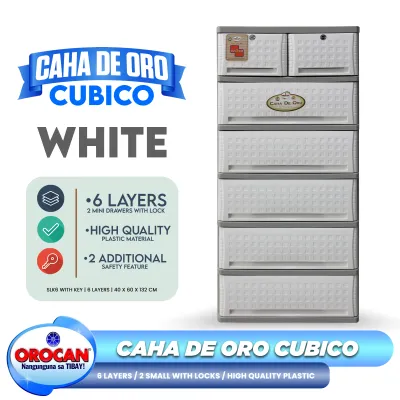
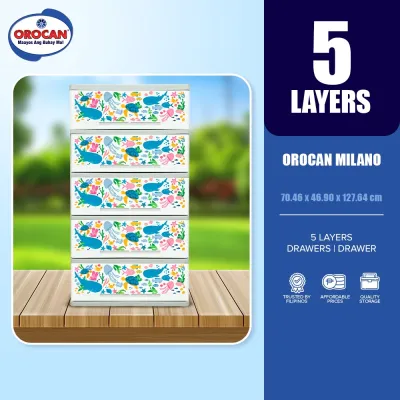
Prices are valid at publication and may change. Please refer to the product page for the latest price.
For everyday wear, such as t-shirts, folded trousers, and casual wear, medium-sized stackable bins with secure latches are the most practical choice. These containers fit comfortably on standard wardrobe shelves and can be stacked on top of one another to utilize vertical space. Using bins of uniform size ensures a stable stack, preventing tipping and making it easier to maintain a clean aesthetic inside the closet.
Small accessories, underwear, socks, and handkerchiefs tend to get lost in large, deep containers. For these delicate items, shallow drawer units or small bins with built-in dividers are the most appropriate solution. These containers allow you to separate items by category, making daily retrieval quick and effortless without disturbing the rest of your organized wardrobe.
What to Look for in a Dorabox Lagyanan ng Damit or Orocan Unit
When shopping for a dorabox lagyanan ng damit orocan style container, several key design features will determine how well the boxes function within your bedroom furniture. Selecting the wrong type of box can lead to wasted closet space, damaged clothes, or frustration when trying to reach your daily wear.

Dimensions and Clearance
Before purchasing any plastic storage box, you must measure the physical dimensions of your wardrobe shelves and floor space. Standard closets often have deep shelves that can accommodate longer boxes, but shallow wardrobes require careful selection to ensure the doors can close completely. Pay close attention to the exterior dimensions of the boxes, including any protruding handles, latches, or wheels, as these details add to the overall footprint.
If your wardrobe features sliding doors, remember that only half of the closet is typically accessible at one time. This layout requires boxes that can be easily pulled straight out without hitting the door frame. For wardrobes with hinged doors, ensure the door hinges do not block the path of wider boxes when you attempt to slide them off the shelves.
Lid and Closure Types
In the humid climate of the Philippines, the choice of lid is crucial for preserving the quality of your garments. Snap-lock lids feature heavy-duty latches that secure the lid firmly to the base, providing excellent protection against dust, insects, and ambient moisture. These are ideal for long-term storage or items placed on lower shelves where dust accumulation is common.
By contrast, hinged lids or fold-up lids offer quicker access to your clothes because you do not have to remove the entire lid to retrieve an item. However, they may not seal as tightly as snap-lock varieties. When choosing a lid type, consider how often you will open the box and whether the storage location is prone to dust or high humidity.
Mobility vs. Stability
Wheeled bases are incredibly convenient for large, heavy containers placed on the wardrobe floor or on deep, low shelves. They allow you to roll the box out with minimal effort, reducing the strain on your back when retrieving heavy items. However, wheels can compromise stability if you plan to stack multiple boxes on top of one another on high shelves.
For shelf storage, flat-bottom stackable boxes are much safer and more stable. Look for models with recessed lids designed specifically to nest with the bases of the boxes stacked above them. This interlocking feature prevents the containers from sliding or shifting when you open or close your wardrobe doors.
Material and Transparency
Clear or semi-clear plastic containers offer the distinct advantage of visual identification. You can easily see what is inside each box without having to open multiple lids, saving time during busy mornings. If you prefer a highly uniform, minimalist look, solid-colored boxes are an option, but they require clear labeling on the exterior to prevent confusion.
Regardless of transparency, inspect the finish and joints of the plastic boxes. High-quality injection-molded plastic should have smooth edges that will not snag delicate fabrics like silk or lace. Avoid boxes with thin, brittle walls that may crack under the weight of stacked containers or heavy garments.
Best Storage Configurations for Different Clothing Categories
Organizing your wardrobe effectively requires a tailored approach for different types of garments. Using a single box design for all your clothes often leads to cluttered containers and wasted space.
Bulky Items and Off-Season Clothes
Heavy blankets, bedsheets, and seasonal garments require large, high-capacity plastic trunks. These heavy-duty containers, often equipped with sturdy wheels and robust snap-lock latches, are designed to handle significant weight without bowing or cracking. Placing these large trunks on the floor of your wardrobe or on the very bottom shelf keeps the heaviest items low, maintaining a safe center of gravity for your furniture.
While these large trunks are excellent for maximizing storage volume, they do have physical limitations. Fully packed trunks can be heavy and difficult to lift, making them unsuitable for high shelves. Additionally, because they require substantial clearance to open, you must ensure you have enough open floor space in front of your wardrobe to roll the trunk out and access its contents comfortably.
Everyday Folded Garments
For casual wear like t-shirts, jeans, shorts, and light sweaters, medium-sized stackable bins are the most efficient option. These containers are small enough to handle easily but spacious enough to hold several folded items. Storing these bins on eye-level or mid-tier wardrobe shelves keeps your daily outfits within easy reach.
To optimize this configuration, choose bins of uniform size from the same product line. This uniformity allows you to create stable vertical columns, utilizing the full height of your wardrobe shelves. When stacking, place less frequently worn items in the bottom bins and your daily essentials in the top, easily accessible containers. Always verify that the interlocking lids fit securely to prevent any accidental slips.
Underwear, Socks, and Small Accessories
Small clothing items and personal accessories are best organized using shallow drawer units or small bins with built-in dividers. These specialized organizers prevent small items from shifting around and becoming a disorganized jumble. Placing these units on mid-level shelves makes it easy to slide open a drawer and grab what you need without disturbing other items in the closet.
Pull-out plastic drawer systems are particularly useful because they function like built-in furniture drawers but can be rearranged or moved as your storage needs change. If you use open bins for accessories, consider adding fabric or plastic grid dividers inside the bin to create dedicated slots for individual pairs of socks, belts, or undergarments.
How to Measure Your Wardrobe for the Right Fit
To avoid the frustration of buying plastic boxes that do not fit inside your closet, you must follow a systematic measurement process. Accurate measurements ensure that your chosen containers will maximize your storage capacity without obstructing the movement of your wardrobe doors.
- Measure the Interior Width: Extend your measuring tape from the far left interior wall of the wardrobe shelf to the far right wall. If your wardrobe has center dividers or shelf supports, measure each individual section separately.
- Measure the Interior Depth: Measure from the back wall of the closet to the front edge of the shelf. If you have sliding doors, measure up to the inner track of the door. For hinged doors, measure up to the door frame to ensure the box will not prevent the door from latching closed.
- Measure the Interior Height: Determine the vertical distance between shelves. If your shelves are adjustable, you can reposition them to accommodate taller boxes, but be sure to calculate the remaining space for other shelves.
- Account for Door Obstructions: Check for any internal hinges, door handles, or sliding door overlaps that protrude into the storage space. Subtract at least 2 to 3 centimeters from your total width and depth measurements to allow for comfortable clearance when sliding boxes in and out.
- Verify Box Exterior Dimensions: Manufacturers often list the interior volume of a box (in liters) or the dimensions of the base. Always look for the maximum exterior dimensions, which include the lid, handles, and latches. Compare these maximum dimensions against your wardrobe's adjusted measurements to ensure a perfect fit.
Maintenance Tips for Plastic Storage Boxes and Stored Clothes
Proper maintenance of your plastic storage containers and the garments inside them will extend the lifespan of both. Because the Philippines experiences high humidity throughout the year, taking preventive steps against moisture is essential.
Before placing any clothes inside a new or stored plastic box, clean the interior and exterior of the container thoroughly. Use a mild soap and warm water solution, then wipe the surfaces down with a clean, soft cloth. Avoid using harsh chemical cleaners or abrasive scrubbing pads, which can scratch the plastic and create tiny crevices where dust and mold spores can accumulate.
Allow the washed containers to dry completely in a well-ventilated area before adding clothes. Even a tiny amount of lingering moisture can trap humidity inside the sealed box, leading to mold growth, mildew, and unpleasant odors on your fabrics.
Periodically inspect the structural integrity of your boxes. Check the plastic latches, hinges, and wheels for signs of wear, stress marks, or cracking. Avoid overloading the containers beyond their structural limits; packing too many heavy items into a single box can cause the plastic walls to bow, preventing the lid from sealing properly and compromising the stability of stacked units.
Frequently Asked Questions (FAQ)
Can I stack Dorabox and Orocana bins together?
While both brands offer highly functional stackable plastic bins, it is generally not recommended to stack different brands together. Safe and stable stacking relies on the precise alignment of the lid’s recessed channels with the base of the container above it. Because different manufacturers use unique dimensions, latch designs, and lid profiles, mixing brands can result in unstable stacks that are prone to tipping. For maximum safety and stability, use containers from the same brand and product line within the same stack.
How do I prevent musty smells in plastic storage boxes?
To prevent musty odors, ensure that all clothes are completely clean and 100% dry before placing them in the containers. Even slightly damp garments can create a humid microclimate inside a sealed box, encouraging mildew. Placing moisture absorbers, such as silica gel packets or activated charcoal pouches, inside the boxes will help capture excess humidity. Additionally, avoid sealing plastic boxes completely airtight in damp rooms unless you are using adequate desiccants, and periodically open the containers on dry days to let the fabrics breathe.
Community discussion
Share your experience or ask a question. Comments are reviewed before publication.