
Finding the right double deck frame only for a compact bedroom in the Philippines requires balancing space efficiency, structural safety, and local environmental conditions. In high-density urban areas like Metro Manila, Cebu, or Davao, condo units and studio apartments often demand creative sleeping arrangements to maximize limited floor space. Selecting a standalone frame allows you to customize your mattress setup while keeping the room functional.
To make the best choice, you must look beyond aesthetics. A successful installation depends on precise physical measurements, material durability under tropical humidity, and smart design choices that do not crowd your walkways. This guide provides a practical framework to help you measure your space, evaluate frame designs, assess structural materials, and verify safety features before making a purchase.
Measuring Your Room and Clearance Requirements
Before browsing online marketplaces or visiting local showrooms, you must establish your room’s exact physical boundaries. A double deck frame has a larger physical footprint than the mattress it holds, as the outer frame, corner posts, and ladders add several centimeters to the overall width and length.
Products mentioned in this guide
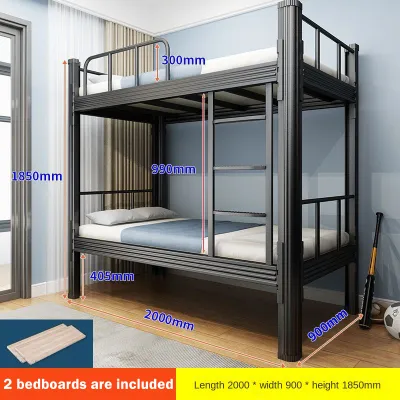
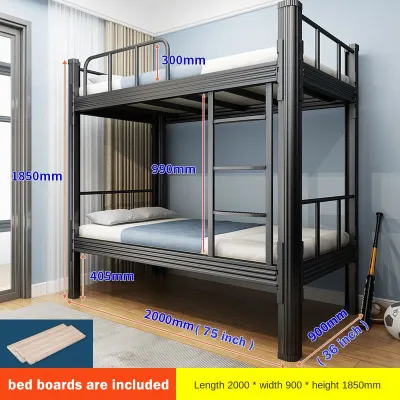
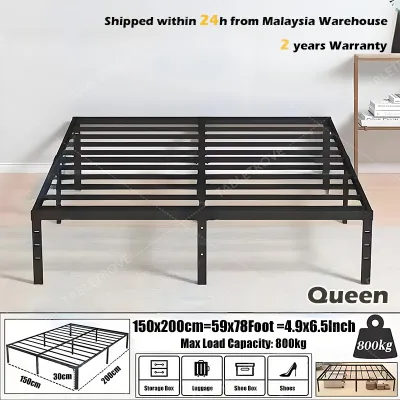
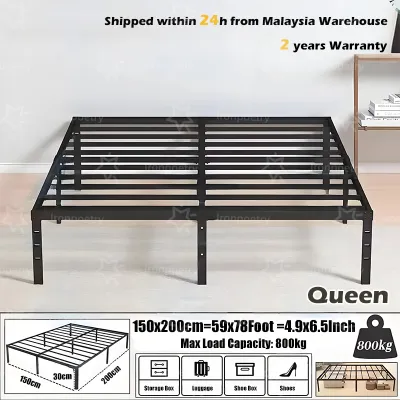
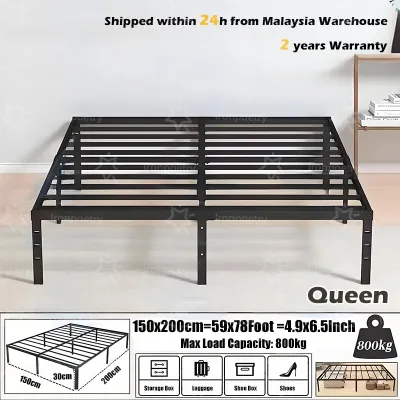
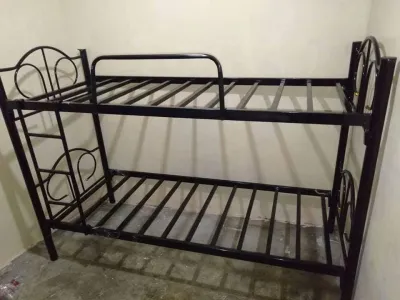


Prices are valid at publication and may change. Please refer to the product page for the latest price.
Start by mapping the floor footprint. Standard local mattress sizes typically range from single (36 inches by 75 inches) to semi-double (48 inches by 75 inches) and full double (54 inches by 75 inches). If you choose a single-on-single configuration, the frame will occupy roughly 100 cm by 200 cm of floor space. Upgrading to a single-on-double or double-on-double configuration increases the width significantly, which can restrict movement in narrow rooms. Ensure there is at least 60 cm of clear walkway space around the accessible sides of the bed.
Vertical clearance is equally critical in Philippine homes, where ceiling heights can vary from standard 2.4-meter condo ceilings to higher residential designs. Measure from the floor to the ceiling, and then subtract the height of the bed frame’s top platform. The top bunk occupant needs at least 75 cm to 90 cm of sitting headroom to avoid bumping their head. Additionally, map the position of ceiling fans, light fixtures, and air conditioning vents; a top bunk positioned too close to a rotating ceiling fan poses an immediate safety hazard.
Finally, plan the delivery and assembly route. Many modern double deck frames are delivered flat-packed, but long side rails and solid headboards still require adequate clearance. Measure the height and width of your front door, hallway corners, stairwells, and especially condo elevator cabins. If a pre-assembled wooden frame cannot fit through a tight stairwell or elevator door, you will need to opt for a fully knock-down metal or wooden frame that can be assembled directly inside the bedroom.
Core Design Features for a Compact Double Deck Frame
When floor space is limited, the design of your double deck frame determines how much usable room remains for other furniture like wardrobes or study desks. Selecting a frame with integrated utility features can eliminate the need for extra storage units entirely.

Built-in storage is one of the most effective ways to save space. Some frames feature under-bed drawers beneath the bottom bunk, which are ideal for storing extra linens, pillows, or seasonal clothing. If you select a frame without built-in drawers, ensure there is at least 25 cm of open clearance beneath the bottom rail to allow for standalone plastic storage bins. Other designs incorporate shelving into the headboard or footboard, providing a convenient place for books, phones, and alarm clocks without requiring bedside tables.
Ladder design directly impacts both safety and the room’s traffic flow. Vertical ladders that are flush against the bed frame are the most space-efficient option, as they do not extend into the room’s walking paths. Angled ladders offer an easier climb but require an extra 30 cm to 50 cm of floor space at the base, which can block wardrobe doors or walkways in tight rooms. Integrated staircase steps are the easiest to climb and often feature built-in storage drawers inside each step, but they significantly increase the overall length of the frame and are best suited for slightly longer bedrooms.
Consider the future adaptability of the furniture by looking for convertible or detachable designs. Many high-quality double deck frames can be unbolted and split into two independent single beds. This feature is highly beneficial for growing families or renters, allowing you to transition from a shared bunk setup to separate bedrooms without needing to purchase entirely new bed frames later on.
Evaluating Double Deck Frame Materials and Stability
The tropical climate of the Philippines, characterized by high humidity and seasonal temperature shifts, plays a major role in how bed frame materials perform over time. Choosing the right material and verifying construction details will prevent squeaking, wobbling, and premature wear.
Solid wood frames, such as those made from local mahogany, tanguile, or imported pine, offer excellent rigidity and a classic aesthetic. Solid wood naturally handles weight well, but it must be properly treated and sealed to resist warping in humid conditions. Engineered wood, including medium-density fiberboard (MDF) and particle board, is a budget-friendly alternative but is highly susceptible to moisture absorption, which can cause the material to swell and weaken at the joint connections over time. Metal frames made of powder-coated steel tubing are highly durable, lightweight, and resistant to pests like termites, though budget metal frames can be prone to swaying if the gauge of the steel is too thin.
Inspect the joint types and hardware used to connect the frame components. Avoid frames that rely solely on simple wood screws or thin nails, as these will loosen and strip the wood over time under daily movement. Look for heavy-duty metal-on-metal connections, such as barrel nuts and bolts, or traditional mortise-and-tenon joints reinforced with steel brackets. The thicker the bolts and the more robust the corner brackets, the more stable the frame will remain.
The mattress support system, or slat system, is crucial for both occupant safety and mattress longevity. For metal frames, look for closely spaced metal slats with center support legs that extend to the floor, preventing the mattress from sagging. For wooden frames, a solid plywood deck or thick, closely spaced wooden slats (no more than 7 cm apart) will distribute weight evenly and prevent damage to pocket spring or foam mattresses.
Safety Checks and Weight Capacity Verification
Safety must be your primary concern when selecting a double deck frame, especially since the top bunk elevated platform carries inherent risks. Verifying specific safety features before purchase ensures peace of mind for daily use.
Guardrails are the most critical safety feature on the top bunk. The guardrail must extend at least 12.7 cm (5 inches) above the top surface of the mattress to prevent accidental falls during sleep. When shopping for a frame, check the recommended mattress thickness; if the frame’s guardrail is 30 cm high and you place a thick 25 cm spring mattress on it, only 5 cm of guardrail remains, which is insufficient. Opt for a thinner foam mattress (typically 10 cm to 15 cm) for the top bunk to maintain a safe guardrail barrier.
Examine the ladder’s construction and attachment points. The ladder must be securely bolted to the main frame rather than simply hooked over the side rail, as hooks can slip during climbing. The rungs should be wide enough to support the arch of a foot comfortably, and flat rungs are generally safer and less painful to climb than thin, round metal bars. Look for textured or anti-slip surfaces on the rungs to prevent slipping, especially in humid weather.
Always verify the manufacturer’s specified weight capacity, paying close attention to how the limit is distributed. A frame might be rated for a total of 200 kg, but this often means 100 kg per bunk rather than 200 kg on a single level. Factor in the weight of the mattress itself (which can range from 15 kg to 40 kg depending on the material) along with the weight of the sleeper and bedding. Never exceed these limits, and place the heavier sleeper on the bottom bunk to keep the center of gravity low and maximize overall stability.
Building Your Shortlist and Pre-Purchase Verification
Once you understand your spatial limits and material preferences, you can begin shortlisting specific double deck frames from local furniture retailers or online marketplaces. Taking a systematic approach to your final selection will save you from costly return shipping and assembly headaches.
When browsing online, filter your search results by exact dimensions rather than relying on generic terms like “double deck.” Read verified customer reviews carefully, focusing specifically on feedback regarding assembly difficulty, structural wobbling, and packaging quality. Look for photos uploaded by actual buyers to verify how the frame looks in a real room setting, which often differs from polished promotional images.
Inquire about the seller’s delivery, assembly, and return policies. Many solid wood or heavy metal frames are difficult to assemble without specialized tools; check if the retailer offers professional assembly services within your area and factor this fee into your total budget. Verify the warranty coverage, particularly for structural joints and weld points, and confirm the return policy in case the frame arrives with missing hardware or manufacturing defects.
If you encounter conflicting specifications or unclear weight limits on a product listing, stop and contact the manufacturer or seller directly before placing your order. Asking for the exact steel gauge, wood type, or clearance measurements beforehand prevents the hassle of receiving a frame that does not fit your space or support your weight requirements.
Frequently Asked Questions (FAQ)
Can I use a standard single mattress on any double deck frame?
Most double deck frames designed for single mattresses will accommodate standard local single mattresses, which typically measure 36 inches by 75 inches (91 cm by 190 cm). However, you must always verify the frame’s inner dimensions before purchasing, as some imported frames follow European or American sizing standards that differ slightly from local dimensions. Additionally, the top bunk requires a thinner mattress—ideally between 10 cm and 15 cm thick—to ensure the guardrails remain high enough to prevent falls.
How often should I tighten the bolts and check the frame?
You should perform a physical and visual inspection of your double deck frame every six months. Daily climbing, tossing, and turning gradually loosen the bolts and hardware, especially on metal frames or wooden frames with metal-on-metal joints. If you begin to hear squeaking, notice a slight sway when climbing, or feel any movement in the joints, immediately tighten all connecting bolts with an Allen wrench or screwdriver. Regularly checking these connections prevents structural wear and ensures the frame remains safe and stable.

Community discussion
Share your experience or ask a question. Comments are reviewed before publication.