
Finding the right furniture for a compact bedroom or a modern condominium unit in the Philippines requires balancing floor space with daily functionality. A space-saving dresser with vanity mirror offers an ideal solution, combining essential wardrobe storage with a dedicated personal grooming station. By integrating these two pieces into a single footprint, you can eliminate the visual clutter of separate furniture items while maximizing the usable area in your room.
The best options for small rooms prioritize multi-functional designs, such as flip-top lids, sliding mirror panels, or vertical tower configurations. These pieces are engineered to fit tight corners or narrow wall segments without blocking walkways or natural light. In tropical climates, selecting the right design also means verifying that the materials and finishes can withstand seasonal humidity fluctuations while keeping your cosmetics and clothing well-organized.
Why a Combined Dresser and Vanity Maximizes Compact Spaces
In many Philippine urban homes, particularly studio and one-bedroom condominiums, floor space is at a premium. Placing a standalone chest of drawers and a separate dressing table in the same room often results in a cramped, difficult-to-navigate layout. A combined dresser and vanity solves this spatial dilemma by consolidating your storage and grooming needs into a single, cohesive unit. This dual-purpose approach can reduce the required floor footprint by up to fifty percent compared to purchasing two separate pieces of furniture.
Products mentioned in this guide
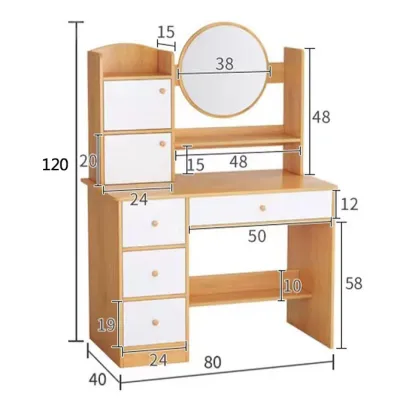

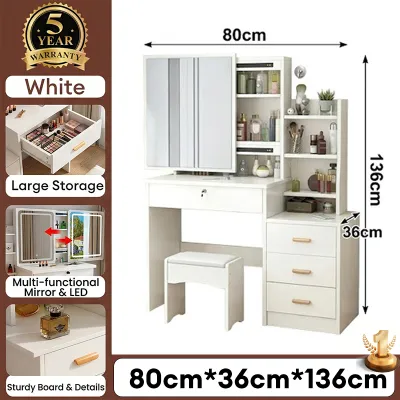

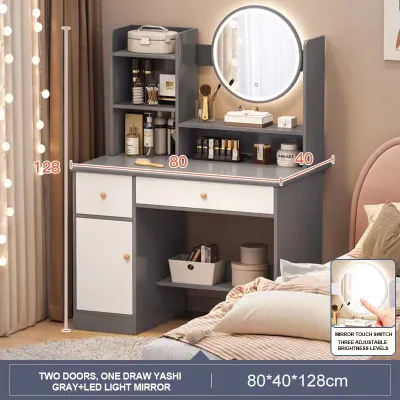
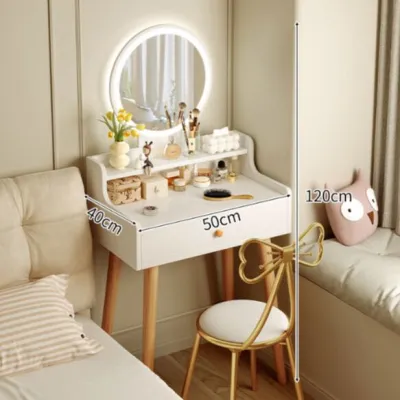
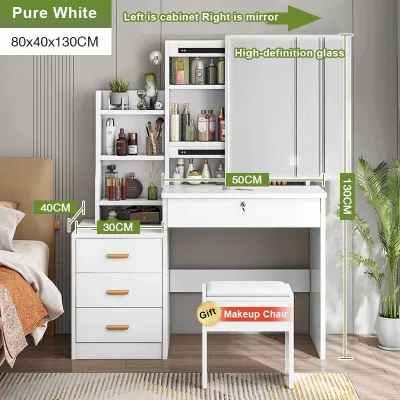
Prices are valid at publication and may change. Please refer to the product page for the latest price.
Beyond saving physical floor space, an integrated unit significantly reduces visual clutter. When a room is filled with multiple small furniture legs and varying tabletop heights, it can feel smaller and more chaotic. A single, streamlined dresser with an integrated mirror creates a clean focal point, making the entire bedroom appear more organized and spacious. Many modern designs also utilize vertical storage, drawing the eye upward and making the most of high ceilings rather than expanding outward into valuable walking paths.
This combination also streamlines your daily morning and evening routines. Having your cosmetics, skincare products, accessories, and clothing stored in one centralized location eliminates the need to move between different areas of the room while getting ready. This efficiency is especially beneficial during busy mornings, allowing you to transition smoothly from selecting an outfit to applying skincare or styling your hair, all within a single, organized station.
Essential Selection Criteria for a Small-Space Dresser with Vanity Mirror
Before purchasing a dresser with vanity mirror, it is crucial to evaluate several practical factors to ensure the unit fits your physical space, storage needs, and lifestyle.

Dimensions and Clearances
Always measure the exact wall space where you plan to position the unit, keeping in mind that the published dimensions are only part of the equation. You must also account for operational clearances. This includes the distance required to fully pull out the drawers, open any cabinet doors, and comfortably pull out and sit on the vanity stool. If the stool cannot be tucked completely underneath the unit when not in use, it will permanently occupy floor space in your walking path, defeating the purpose of a compact design.
Mirror Mechanisms
The design of the mirror mechanism dictates how much wall and clearance space you will need:
- Fixed Mirrors: These are permanently mounted to the back of the dresser. They require zero clearance to open but mean the mirror is always visible, which may not suit rooms where you prefer to minimize reflective surfaces for a calmer sleeping environment.
- Flip-Top Mirrors: These feature a mirror mounted to the underside of a hinged lid. When closed, the unit functions as a flat desk or console table. When open, it reveals a vanity compartment. This requires clear vertical space above the unit and means you must clear the tabletop before opening the mirror.
- Sliding Mirrors: The mirror sits on a track and slides horizontally to reveal hidden shelving behind it. This is highly space-efficient but requires adjacent wall space to be clear so the mirror can slide open without obstruction.
Storage Configuration
Examine the internal layout of the drawers and compartments. A good small-space vanity should offer a mix of deep drawers for clothing or hair tools and shallow drawers or dividers for cosmetics, jewelry, and skincare bottles. Check the manufacturer’s specified weight capacity for the drawers and shelves, especially if you plan to store heavier items like hair dryers, straighteners, or large bottles of product.
Material and Finish Verification
In the Philippines, the tropical climate brings high humidity, particularly during the monsoon season. Do not assume that a material name like “wood” or “MDF” automatically guarantees durability or moisture resistance. Instead, check the manufacturer’s care instructions and product specifications for protective surface treatments. Look for water-resistant laminates, sealed veneers, or moisture-resistant engineered wood (such as green MDF) that can withstand humidity without swelling, warping, or developing mold. Ensure all joints are securely fastened and that the backing of the mirror is treated to prevent silvering degradation caused by moisture.
Top Dresser with Vanity Mirror Configurations for Compact Rooms
Different bedroom layouts require different spatial solutions. Understanding the distinct configurations available will help you select the design that best addresses your room’s specific limitations.
Flip-Top or Hidden Mirror Dressers
Flip-top dressers are highly favored in small bedrooms and studio apartments because of their extreme versatility. When the top lid is closed, the unit presents a completely flat, clean surface that can serve as a writing desk, a laptop workstation, or a neat console table. Lifting the lid reveals the integrated mirror on the underside, alongside a recessed storage compartment divided into sections for makeup, brushes, and accessories.
This dual-functionality makes it an excellent choice for remote workers or students who need a home office but lack the space for both a desk and a vanity. However, this design has a notable operational trade-off: you must remove any items resting on the tabletop before you can flip the mirror open. To make this daily transition practical, choose a model with ample built-in side drawers so you can easily slide your laptop or notebooks out of the way before starting your grooming routine. Additionally, verify the durability of the lid hinges and the weight limit of the open lid to ensure long-term safety and stability.
Sliding or Tri-Fold Mirror Dressers
Sliding mirror configurations feature a mirror panel mounted on a horizontal track. By sliding the mirror to one side, you gain access to hidden, shallow shelving built directly behind the glass. This design is incredibly efficient because it utilizes the vertical wall space behind the mirror for storage, which is perfect for organizing small skincare bottles, perfumes, and cosmetics that would otherwise clutter the tabletop.
Tri-fold mirrors, on the other hand, feature a central fixed mirror with two hinged side panels. These side panels can be folded inward when not in use, protecting the glass and creating a cleaner visual profile. When fully opened, they provide multiple viewing angles, which is highly beneficial for detailed grooming or hair styling. When selecting a sliding or tri-fold unit, always check the smoothness of the tracks and hinges. Ensure that when the mirror is slid open or the side panels are fully extended, they do not block nearby light switches, electrical outlets, closet doors, or room entryways.
Corner and L-Shaped Vanity Dressers
The corners of a bedroom are frequently underutilized, often leaving dead space that could be put to functional use. Corner and L-shaped vanity dressers are specifically designed to nestle tightly into these 90-degree angles. This layout allows the furniture to wrap around the corner, providing a surprisingly generous tabletop surface and ample drawer storage without extending far into the main walking paths of the bedroom.
This configuration is ideal for square-shaped rooms where wall space is limited due to the placement of windows, closets, and the bed. The corner design naturally creates an ergonomic, semi-enclosed grooming nook that feels private and cozy. Before purchasing a corner unit, it is essential to verify that your room’s corner is a true 90-degree angle. You must also measure baseboard clearances and check for any protruding wall outlets or light switches that might prevent the dresser from sitting completely flush against both walls.
Tall, Narrow Vertical Dressers with Attached Mirrors
When floor width is extremely restricted, the best strategy is to utilize vertical space. Tall, narrow dressers—often resembling a chest of drawers or a highboy—with an attached vertical mirror occupy a minimal floor footprint while offering multiple tiers of stacked drawer storage. The mirror is typically mounted on top of the tall unit or integrated into a slim side panel next to the drawers.
This configuration maximizes storage capacity for clothing, linens, and personal items without encroaching on your limited floor space. However, because these units are tall and narrow, they have a higher center of gravity, which presents a potential tipping hazard. This risk is especially critical in households with active pets or young children. When choosing a vertical dresser, always verify that the unit includes sturdy wall-anchoring hardware and clear installation instructions. Properly securing the dresser to the wall is a mandatory safety step to prevent accidental tip-overs.
How to Measure and Plan Your Bedroom Layout
To avoid the frustration of purchasing a dresser that is too large or awkward for your room, follow a systematic measuring and planning process before making your final selection.
Step-by-Step Measuring
First, measure the total floor area of the designated wall zone where the dresser will stand. Use a high-quality tape measure to record the width, depth, and height of the space. Do not rely on visual estimates. Measure the height of your baseboards and account for them; some dressers do not have a recessed back, meaning baseboards will push the unit slightly away from the wall, adding a few centimeters to the actual depth requirement. If the dresser is tall, check for any wall-mounted fixtures, air conditioning units, or decorative moldings that could obstruct the top of the unit or the mirror.
Clearance Checks
A dresser must not only fit the wall but must also function properly within the flow of the room. Draw a simple floor plan or use painter’s tape on the floor to map out the exact footprint of the dresser, the fully extended drawers, and the vanity stool. Ensure there is at least 60 to 70 centimeters of clear space in front of the unit when the drawers are closed so you can sit comfortably. Open your closet doors, bedroom doors, and any nearby cabinet drawers to verify that they will not collide with the vanity or the user when opened.
Delivery and Assembly Verification
Many homeowners, especially those living in high-rise condominiums in urban areas, overlook the logistics of getting the furniture into their unit. Measure the width and height of your main entryway, bedroom doors, hallway corners, and stairwells. If your building has an elevator, measure the elevator door opening and internal cabin dimensions to ensure the packaged box or pre-assembled unit can fit inside. Additionally, check if your condominium administration requires a permit for furniture delivery or assembly, and verify whether the unit will arrive flat-packed (requiring on-site assembly) or fully assembled, as this will affect how you navigate tight spaces.
Care and Maintenance for Dresser Vanities in Humid Conditions
Maintaining furniture in the tropical climate of the Philippines requires consistent, gentle care to prevent damage from humidity, dust, and cosmetic spills.
Routine Cleaning
For daily cleaning, use a soft, dry microfiber cloth to dust the surfaces of the dresser and the mirror. Avoid using abrasive sponges or harsh chemical cleaners, such as bleach or ammonia-based sprays, which can strip away protective clear coats, dull the finish, or damage the delicate backing of the mirror. For stubborn spots on the glass, a light mist of water or a specialized, mild glass cleaner applied directly to the cloth—not sprayed directly onto the mirror—is the safest approach.
Moisture Management
High humidity can cause engineered wood to swell and solid wood to warp. To protect your dresser, maintain good room ventilation by utilizing ceiling fans, opening windows on dry days, or running an air conditioner or dehumidifier during the humid rainy season. Never place the dresser directly against a damp wall; leave a gap of at least two to three centimeters to allow air to circulate behind the unit. Immediately wipe up any liquid cosmetic spills, water droplets, or damp spots to prevent them from soaking into the seams or joints of the furniture.
Hardware Care
The metal hardware on your dresser—such as drawer slides, hinges, and mirror brackets—is susceptible to rust and loosening over time due to frequent use and moisture exposure. Periodically inspect these components and tighten any loose screws using the appropriate tools. If drawer slides begin to stick, check the manufacturer’s care instructions before applying any lubricants, as some materials require specific dry-silicone sprays rather than oil-based lubricants, which can attract dust and clog the mechanism. Always strictly follow the manufacturer’s provided care and maintenance guidelines to preserve your warranty and keep the unit functioning smoothly.
Frequently Asked Questions (FAQ)
Can I use a regular desk as a dresser with a vanity mirror?
Yes, you can repurpose a regular desk, but there are several practical limitations to consider. Standard desks are designed for writing or computer work, meaning they typically feature deep, wide drawers meant for paperwork rather than the shallow, partitioned compartments needed to organize small cosmetics and jewelry. Additionally, you will need to purchase and securely mount a separate tabletop or wall-mounted mirror. Ensure the desk’s surface material can handle potential cosmetic spills, and verify that the height of the desk aligns comfortably with your seating to prevent neck strain during grooming.
What is the standard height for a vanity mirror dresser?
The standard tabletop height for most vanity dressers ranges between 71 and 76 centimeters (approximately 28 to 30 inches) from the floor. This height is ergonomically designed to pair with standard vanity stools or chairs, which typically have a seat height of 40 to 45 centimeters. When selecting a unit, ensure that when you are seated, your face aligns naturally with the center of the mirror without requiring you to slouch or stretch your neck, providing a comfortable and strain-free grooming experience.
Community discussion
Share your experience or ask a question. Comments are reviewed before publication.