
Selecting the ideal DuraBox cabinet drawer configuration requires aligning your physical wardrobe space with your daily routines and specific storage items. In the tropical climate of the Philippines, where high humidity can affect how fabrics sit in enclosed spaces, proper organization is not just about aesthetics—it is essential for maintaining the condition of your garments. By matching the depth, height, and slide mechanisms of your drawers to your specific belongings, you can maximize your available closet space, streamline your morning routine, and ensure your items remain clean and accessible.
To find the configuration that works best for your home, you must first understand your specific storage needs. The ideal wardrobe setup relies on a balanced approach: shallow drawers (5 to 10 cm deep) are ideal for accessories and small items, standard mid-depth drawers (15 to 25 cm deep) work best for everyday folded clothing like t-shirts and jeans, and deep drawers or pull-out bins (30 cm or deeper) are necessary for bulky linens and blankets.
How to Assess Your Wardrobe Storage Requirements
Before purchasing any storage system, you must conduct a thorough audit of your current belongings and closet space. Many homeowners struggle with cluttered wardrobes not because they lack space, but because the space they have does not match the items they store. To design an efficient storage layout, you must categorize your belongings, evaluate your physical closet structure, and plan around your daily physical comfort.
Products mentioned in this guide
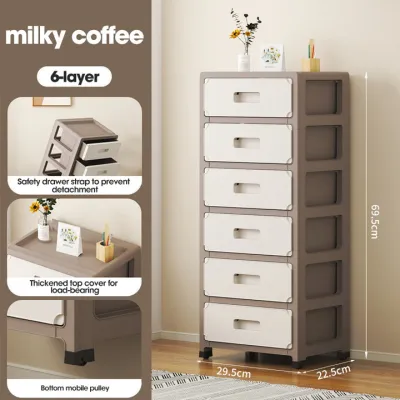
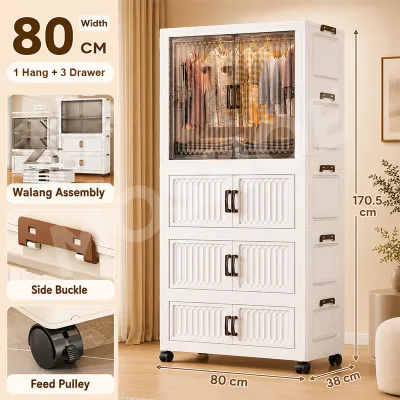
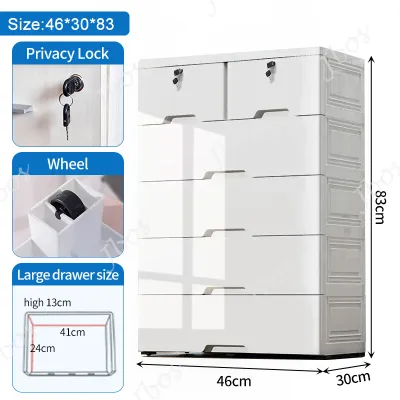
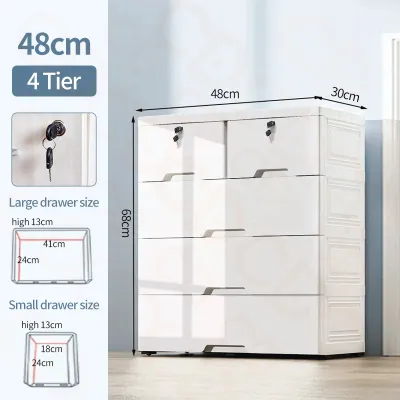
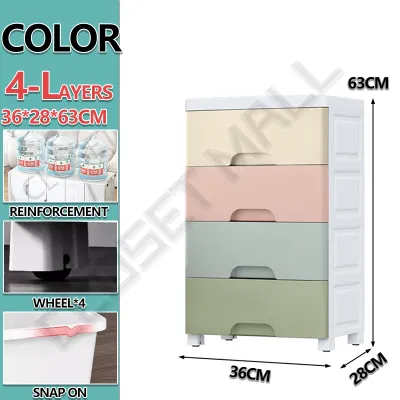

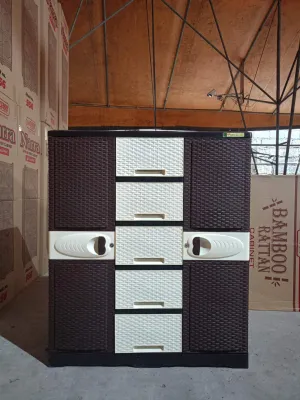
Prices are valid at publication and may change. Please refer to the product page for the latest price.
Categorizing Your Belongings Start by sorting your wardrobe into three primary categories based on bulk and folding requirements. The first category consists of small accessories, such as jewelry, watches, ties, belts, sunglasses, and socks, which easily get lost in deep compartments. The second category comprises everyday folded clothing, including t-shirts, polo shirts, jeans, shorts, and light sweaters. The third category covers bulky linens and seasonal items, such as bed sheets, pillowcases, heavy towels, and blankets, which require substantial physical volume. Grouping your items this way allows you to calculate exactly how many shallow, standard, and deep drawers you will need.
Evaluating Your Current Closet Space Analyze your existing wardrobe layout to identify structural gaps. You might find that your closet has plenty of hanging rods but lacks sufficient flat shelving or concealed drawer space. This imbalance often leads to clothes being piled high on open shelves, where they are prone to toppling and gathering dust. If your hanging space is underutilized, retrofitting a column of drawers underneath shorter hanging garments can instantly double your storage efficiency without expanding the wardrobe’s physical footprint.
Determining Access Frequency and Placement The height at which you place each drawer determines how easily you can retrieve your items. Group your belongings by how often you use them, placing daily essentials in the most accessible zones. Items you reach for multiple times a day should sit between waist and chest height, where you can see and grab them without effort. Conversely, seasonal items or spare linens can be relegated to the very bottom or the highest reaches of your wardrobe, as you only need to access them occasionally.
Prioritizing Physical Comfort and Ergonomics Repeatedly bending down to rummage through a low drawer or straining your shoulders to reach into a high, deep compartment can cause physical discomfort over time. When planning your drawer bank, keep your height and physical capabilities in mind. Deep drawers placed at the very bottom of a wardrobe should be reserved for items you do not need daily, while mid-depth drawers should occupy the central, most comfortable viewing and reaching zone. This thoughtful vertical arrangement minimizes physical strain and keeps your closet highly functional for years to come.
Recommended DuraBox Cabinet Drawer Configurations for Specific Storage Needs
Choosing the right DuraBox cabinet drawer configurations involves matching specific drawer designs to the physical characteristics of your items. Each storage category requires a different combination of depth, slide hardware, and internal organization to function effectively.

Shallow Drawers and Pull-Out Trays for Accessories
Shallow drawers, typically measuring between 5 and 10 centimeters in depth, are specifically engineered to keep small, delicate, or easily tangled items organized and visible.
Optimizing Visibility for Small Items These low-profile configurations are ideal for organizing jewelry, watches, ties, belts, sunglasses, and delicate undergarments. In a deep drawer, these small items quickly migrate to the back or become buried under larger garments, leading to clutter and forgotten belongings. A shallow drawer keeps every item on a single, visible plane, allowing you to take an immediate visual inventory of your accessories as you prepare for the day.
Utilizing Specialized Inserts and Dividers To maximize the utility of a shallow drawer, look for configurations that accommodate built-in dividers, velvet-lined jewelry trays, or glass-top pull-out trays. These dividers prevent items from sliding around and mixing when the drawer is opened and closed. Velvet linings protect delicate watch crystals and jewelry from scratches, while acrylic or wooden grids keep ties and belts rolled neatly in their own dedicated slots.
Strategic Vertical Placement For maximum convenience, install shallow accessory drawers at waist-to-chest height. This placement allows you to look directly down into the drawer without bending, making it easy to select small items under good lighting. Having your accessories positioned at this natural viewing level streamlines your grooming routine and encourages you to return items to their proper places.
Understanding the Limitations While shallow drawers are excellent for organization, they offer minimal vertical clearance and are entirely unsuitable for bulky items. Attempting to store thick folded garments, such as heavy sweaters or jeans, in these drawers will cause them to jam against the upper frame. Overloading a shallow drawer can also cause internal dividers to shift, potentially damaging the drawer slides or tearing delicate fabrics caught in the clearance gaps.
Standard Mid-Depth Drawers for Folded Clothing
Standard mid-depth drawers, ranging from 15 to 25 centimeters in depth, serve as the workhorses of any wardrobe organization system, designed to handle your primary daily apparel.
Everyday Apparel Storage These versatile drawers are perfectly suited for standard folded garments such as t-shirts, polo shirts, jeans, activewear, and light sweaters. The mid-depth design provides enough vertical space to store multiple items without creating stacks so high that they become unstable and prone to toppling over when the drawer is moved.
The Importance of Slide Selection To get the most out of your mid-depth drawers, select configurations equipped with full-extension slide rails. Full-extension hardware allows the drawer box to pull entirely clear of the wardrobe frame, giving you unobstructed access to the items stored at the very back. Without full-extension slides, the rear third of your drawer remains hidden beneath the upper cabinet structure, often turning into a dead zone where clothes are forgotten.
Mid-Level Installation for Daily Access Install your standard mid-depth drawers in the central section of your wardrobe, typically between hip and shoulder height. This placement ensures that your most frequently worn clothing is always within easy reach, eliminating the need to bend down or stretch upward during your daily dressing routine.
Managing Stack Height and Organization The primary limitation of mid-depth drawers is the temptation to stack clothes too high, which makes it difficult to retrieve items from the bottom of the pile without messing up the entire stack. To prevent this, consider adopting vertical folding techniques, such as the file-fold or KonMari method, where clothes stand upright side-by-side rather than flat on top of each other. Alternatively, use adjustable internal dividers to segment the drawer into neat rows, keeping different clothing categories separated and orderly.
Deep Drawers and Pull-Out Bins for Bulky Linens
Deep drawers and pull-out bins, measuring 30 centimeters or more in depth, are designed to accommodate heavy, high-volume items that cannot fit into standard storage compartments.
Accommodating Dense and Bulky Fabrics These spacious configurations are essential for storing bed sheets, duvet covers, thick blankets, bath towels, and seasonal clothing. In the Philippines, where tropical weather means seasonal rotation of heavier bedding or travel wear, having a dedicated, dust-free space for these bulky items keeps your bedroom looking tidy and organized.
Verifying Slide Hardware and Weight Capacity Because bulky linens and stacked fabrics can become exceptionally heavy, these deep drawers must be equipped with heavy-duty, ball-bearing slide mechanisms. Before purchasing, check the manufacturer’s specified load rating to ensure the tracks can handle the dynamic stress of a fully loaded drawer. High-quality under-mount or heavy-duty side-mount slides are preferred, as they provide the structural support necessary to prevent the drawer bottom from sagging over time.
Bottom-Level Placement for Safety Deep drawers should always be installed at the very bottom of your wardrobe unit. Keeping these heavy compartments low to the ground maintains a low center of gravity for the entire cabinet. This placement is a critical safety measure; if heavy drawers are installed too high, opening them can cause the entire wardrobe to become top-heavy and tip forward, posing a serious safety hazard.
Structural Frame Requirements and Limitations The main limitation of deep drawers is the sheer physical weight they exert on the wardrobe frame when fully extended. A weak or unanchored cabinet frame can warp, bow, or tip under the dynamic leverage of a heavily loaded deep drawer. Ensure your wardrobe frame is constructed from sturdy materials and securely anchored to the wall before installing multiple deep drawer units.
Essential Specifications to Verify Before Purchasing DuraBox Drawers
To ensure your chosen wardrobe configuration fits perfectly and functions safely, you must verify several key technical and physical specifications on the product label or manufacturer guide before making a purchase.
Load Capacity and Slide Mechanisms Do not assume a drawer can support heavy items simply because it is deep or looks sturdy. Always check the manufacturer’s official weight limit per drawer. Standard slides may be rated for lighter loads, while heavy-duty ball-bearing slides are required for dense storage. Additionally, consider the slide type: full-extension slides offer maximum access, soft-close mechanisms prevent slamming and reduce wear, and under-mount slides provide a clean look while offering excellent bottom support. Matching the slide hardware to your expected storage load prevents premature system failure.
Precise Dimensions and Clearances Accurate measurements are the foundation of a successful installation. Use a reliable tape measure to record the exact internal width, depth, and height of your wardrobe cavity. When reviewing drawer specifications, account for the external dimensions of the drawer box, the thickness of the slide rails (which typically require about 12.7 mm or 0.5 inches of clearance on each side), and the front clearance needed for the drawer faces to clear door hinges or sliding door tracks. A discrepancy of even a few millimeters can prevent the drawer from sliding smoothly or closing completely.
Material, Finish, and Joint Quality In the warm, humid climate of the Philippines, material selection and finish quality are critical for long-term durability. Rather than relying solely on generic material names, inspect the physical construction details. Check that all edges feature high-quality, moisture-resistant edge banding to prevent the core material from absorbing ambient humidity and swelling. Examine the joint connections—such as dovetail or sturdy dowel joints—to ensure they can withstand daily pulling forces. Finally, run your hand along the interior surfaces of the drawer to verify they are completely smooth and snag-free, ensuring delicate fabrics like silk, lace, or knits will not be damaged.
Stability and Anti-Tip Features Safety must be a primary consideration, especially when installing multiple drawers in a tall wardrobe. Verify if the drawer system or the wardrobe unit itself requires wall anchoring hardware, and ensure this hardware is included or purchased separately. Some advanced drawer systems feature interlocking mechanisms that permit only one drawer to be opened at a time. This prevents the cumulative weight of multiple extended drawers from shifting the center of gravity forward, significantly reducing the risk of accidental tip-overs.
Space Planning and Installation Checks for Your Bedroom
Proper planning extends beyond the wardrobe itself to the physical layout of your bedroom and the logistics of delivering and assembling the furniture.
Delivery and Access Logistics Before finalizing your purchase, walk the path that the delivery team or your assembly parts will take. Measure the width and height of all doorways, tight hallway corners, stairwells, and elevator doors in your home or condominium building. Pre-assembled drawer banks or large wardrobe flat-packs can be incredibly difficult to maneuver through tight spaces. Ensuring clear access beforehand prevents delivery delays and protects your home’s walls and door frames from accidental scuffs.
Floor Leveling and Plumb Alignment The performance of any drawer slide relies on the cabinet being perfectly level and plumb. Use a spirit level to check the floor area where your wardrobe will stand. Uneven floors, common in many residential structures, can cause the wardrobe frame to twist slightly. This minor distortion puts uneven pressure on the drawer tracks, leading to sticking, binding, or premature wear of the ball bearings. If your floor is uneven, plan to use adjustable wardrobe leveling feet or solid shims to ensure the frame sits perfectly upright and square.
Professional vs. DIY Installation Assess whether you have the tools and experience required for a precise installation. Aligning drawer tracks requires a high level of accuracy; even a slight misalignment can cause the drawers to slide open on their own or bind when closed. If you are retrofitting drawers into an existing wardrobe frame or working with a complex built-in system, hiring a qualified carpenter or professional installer is often the wisest choice. Professional installation ensures the tracks are perfectly parallel, the drawer fronts align beautifully, and your manufacturer warranty remains fully valid.
Frequently Asked Questions (FAQ)
How do I fix a wardrobe drawer that is sticking or hard to pull?
To resolve a sticking drawer, first remove the drawer box entirely from the cabinet. Inspect the slide tracks on both the drawer and the inner cabinet wall for any trapped debris, loose screws, or physical obstructions. Wipe the rails clean with a dry, microfiber cloth to remove accumulated dust or lint. Check if the drawer has been overloaded beyond its rated capacity, as excessive weight can bow the drawer bottom and cause it to drag. If the tracks are physically bent, misaligned, or damaged, avoid forcing the drawer, as this can strip the mounting screws; instead, contact the manufacturer or a professional to source compatible replacement slides.
Can I add soft-close mechanisms to existing cabinet drawers?
Whether you can retrofit soft-close dampers depends on the type, brand, and clearance of your existing drawer slides. Many modern side-mount and under-mount slide systems offer add-on soft-close adapters, but these require specific lateral clearances to function correctly. Before purchasing any upgrade hardware, measure the exact gap between the drawer box and the cabinet carcass, and consult the hardware manufacturer’s compatibility guidelines. If your existing slides are basic wooden runners or low-clearance epoxy slides, you will likely need to perform a complete slide replacement, which may require professional modification of the drawer box or cabinet frame to ensure a proper fit.
Community discussion
Share your experience or ask a question. Comments are reviewed before publication.