
Protecting your footwear collection from the persistent dust of the Philippine environment requires a thoughtful approach to storage. In tropical urban areas, road dust, pollen, and fine soot from daily traffic can quickly settle on exposed shoes, degrading delicate materials like leather, suede, and canvas. A high-quality dust-proof shoe cabinet serves as a protective barrier, keeping your favorite pairs clean and ready to wear. However, finding the right cabinet involves more than simply choosing an enclosed box; you must balance effective dust sealing with proper ventilation to prevent moisture buildup in our highly humid climate.
To make an informed investment, you need to evaluate structural integrity, material durability, and spatial compatibility. Whether you are organizing a compact entryway in a high-rise condominium or setting up a dedicated storage area in a family home, the ideal solution must fit your lifestyle and your space. This guide explores the essential features of dust-proof shoe cabinets, compares the most common structural types available in local furniture stores and online marketplaces, and provides practical steps for measuring your space and maintaining your collection.
Key Features to Look for in a Dust-Proof Shoe Cabinet
When shopping for a dust-proof shoe cabinet, the primary feature to examine is the door sealing mechanism. Standard cabinet doors often leave small gaps along the edges, allowing fine dust particles to drift inside over time. To prevent this, look for units equipped with magnetic closures that pull the doors flush against the frame, or overlapping door panels that physically block entry points. Tight-fitting hinges, such as soft-close hydraulic hinges, help maintain a consistent alignment over years of daily use, ensuring that the protective seal remains intact.
Products mentioned in this guide
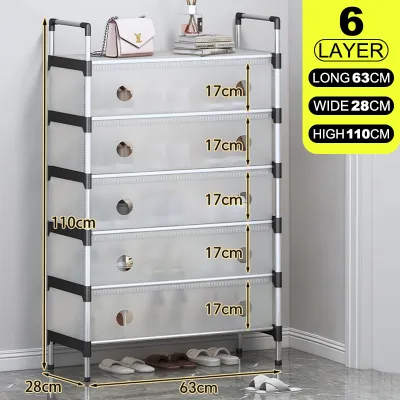
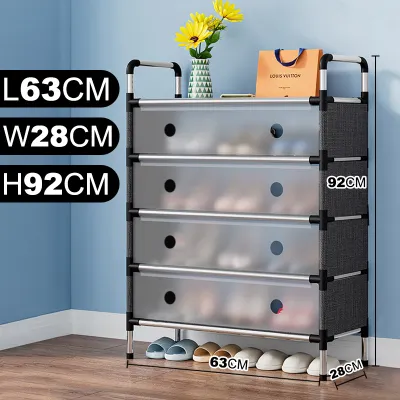
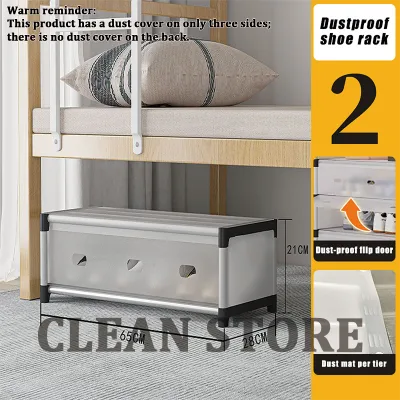
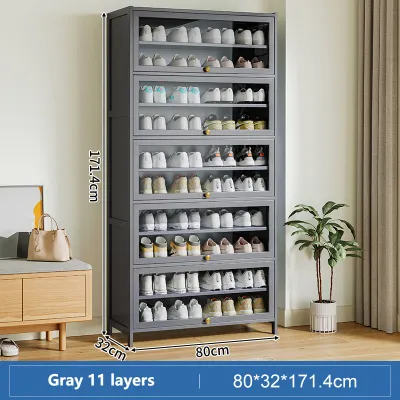
![[On Hand] Shoe Rack Organizer Large Capacity 9/11 Layers Extremely Narrow Space-Saving Dustproof Shoe Cabinet 60cm](https://img.lazcdn.com/g/p/2750fac9cc66f5f6e8bbfaf2c236f213.jpg_400x400q80.jpg_.webp)
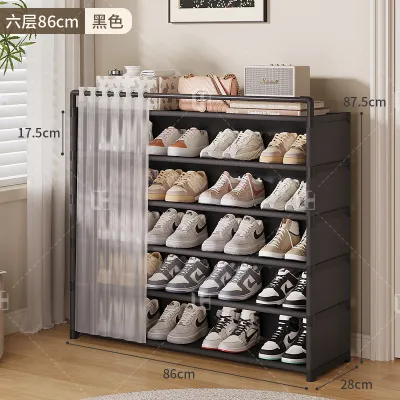
Prices are valid at publication and may change. Please refer to the product page for the latest price.
The material of the cabinet also plays a significant role in how easily you can keep the system clean. Non-porous, smooth surfaces like sealed engineered wood, polished laminate, metal, or high-grade plastics are highly recommended because they do not trap dust in textured grain patterns. These materials allow you to wipe away accumulated exterior dust with a simple microfiber cloth. In contrast, heavily textured or unfinished surfaces can hold onto dust particles, making routine cleaning more labor-intensive and less effective.
In the humid Philippine climate, achieving absolute dust protection can introduce a secondary challenge: moisture retention. An entirely airtight cabinet can trap ambient humidity, creating a breeding ground for mold, mildew, and unpleasant odors, particularly during the rainy season. Therefore, the ideal dust-proof cabinet must feature a balanced ventilation system. Look for designs that incorporate small, mesh-covered ventilation holes or louvers on the back panel. These features allow minimal airflow to prevent stagnant air while keeping the openings small enough to block significant dust entry.
Finally, prioritize cabinets that offer adjustable shelving. Footwear collections are rarely uniform; you likely own a mix of flat sandals, bulky sneakers, and taller boots or heels. Fixed shelves often result in wasted vertical space or force you to bend shoe collars to make them fit, which can damage the footwear’s structure. Adjustable shelves allow you to customize the interior layout to match the exact height of your shoes, maximizing storage capacity while ensuring that the outer doors can close completely and maintain their dust-proof seal.
Types of Dust-Proof Shoe Storage Solutions
The Philippine market offers a variety of enclosed shoe storage formats designed to cater to different living arrangements, budgets, and aesthetic preferences. Finding the right option depends on whether you prioritize a permanent furniture piece that complements your home decor, a modular system that can grow with your collection, or a lightweight, budget-friendly setup for temporary housing. Understanding the distinct characteristics of each category will help you narrow down your choices to the format that best aligns with your household’s daily routine.

Fully Enclosed Wooden Cabinets
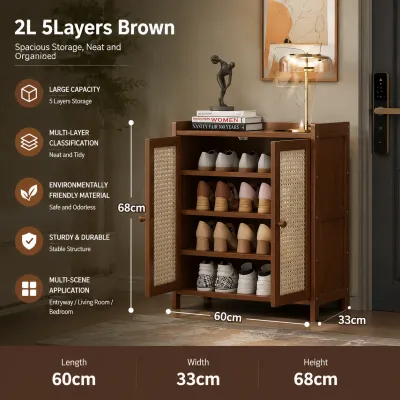
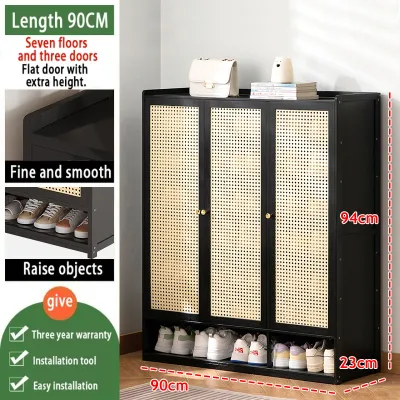
Fully enclosed wooden cabinets are excellent for homeowners seeking a permanent, heavy-duty storage solution for large footwear collections. These units are typically placed in main entryways, hallways, or dedicated walk-in closets, providing a polished, built-in look that elevates the surrounding space. Because these cabinets are substantial furniture pieces, you must carefully verify the assembly conditions and the physical footprint before purchasing. Ensure that the floor surface where the cabinet will stand is perfectly level; uneven floors can cause the frame to tilt slightly, misaligning the doors and compromising the dust seal.
During delivery and assembly, inspect the wooden panels and doors closely for any signs of warping or manufacturing defects. In humid tropical environments, low-quality engineered wood that is not properly sealed can absorb moisture, leading to swelling or warping that prevents the doors from closing flush. Check that all hinges are adjustable so you can fine-tune the door alignment to eliminate any gaps. Additionally, consider the weight capacity of the shelves. Solid wood or thick MDF shelves are necessary if you plan to store heavy leather shoes, work boots, or platform heels, as sagging shelves can create internal gaps and put strain on the cabinet’s structural joints.
Stackable Plastic Storage Boxes with Doors
For those who value modular flexibility and visual organization, stackable plastic storage boxes with individual doors offer a highly adaptable alternative. These clear or semi-transparent boxes allow you to view your entire collection at a glance without having to open multiple doors, making it easy to select your footwear for the day. When opting for this system, pay close attention to the interlocking stability of the boxes. While they are designed to stack vertically to save floor space, stacking them too high without securing them can create an unstable column prone to tipping.
The durability of the door hinges and the quality of the closures are critical to keeping dust out of plastic boxes. Look for boxes that feature magnetic doors or secure snap-fit latches rather than loose-fitting drop-down flaps, which can warp or fail to close tightly after repeated use. Another factor to keep in mind is static electricity. Acrylic and plastic surfaces naturally build up static charges, which can attract fine dust particles to the exterior of the boxes. To keep your display looking clean, you may need to wipe the exterior surfaces regularly with an anti-static cleaner or a damp microfiber cloth to prevent dust from transferring to the inside when you open the doors.
Fabric-Covered Metal or Bamboo Racks
Fabric-covered racks featuring metal or bamboo frames represent a lightweight, highly portable, and budget-friendly option. These units are particularly popular among renters, students living in dormitories, or individuals who anticipate moving frequently, as they can be easily disassembled and packed away. The dust protection in these systems relies entirely on the fabric cover, which typically zips or fastens with Velcro around the frame. When evaluating these racks, inspect the quality of the zippers and seams. Heavy-duty, smooth-gliding zippers are essential, as cheap zippers can easily split or jam, leaving gaps that allow dust to enter.
While fabric covers provide a decent barrier against dust, they are susceptible to wear and tear over time. Sharp shoe details, such as metal buckles, high heels, or abrasive soles, can snag or tear the fabric if shoes are inserted carelessly. Additionally, because fabric covers absorb ambient dust and odors over time, look for materials that are machine-washable or easy to hand-wash. Regularly washing the cover is necessary to remove accumulated dust from the fabric fibers and maintain a fresh storage environment.
How to Measure Your Space and Shoe Collection
Before purchasing any dust-proof shoe cabinet, conducting precise spatial and capacity measurements is essential to avoid the hassle of returns or finding yourself with a cabinet that blocks your home’s natural traffic flow. Begin by measuring the exact floor area where you plan to place the cabinet, keeping in mind the clearance required for the doors to open fully. Swing-out doors require a clear radius in front of the cabinet, which can easily obstruct narrow hallways or entryways. If space is limited, consider cabinets with sliding doors, pull-out drawers, or drop-down fronts that minimize the outward clearance needed to access your shoes.
Do not overlook the logistics of getting the cabinet into your home. If you live in a multi-story building or a condominium, measure the dimensions of your doorway, stairwells, corridors, and elevator doors. Verifying these pathways beforehand ensures a smooth delivery process and prevents situations where a delivery team is unable to bring the furniture into your unit.
Next, analyze the physical dimensions of your footwear collection to ensure the cabinet’s interior shelves can accommodate them. Measure the depth of your largest shoes, typically men’s sneakers or athletic shoes, and compare this to the internal depth of the cabinet. Many standard cabinets have an internal depth of around 30 to 35 centimeters, which may be too shallow for larger shoe sizes, forcing you to store them sideways and reducing overall capacity. Additionally, measure the height of your tallest footwear, such as ankle boots or high heels, to determine if the shelf spacing is adequate or if you will need to adjust or remove shelves to fit them.
Finally, calculate the total volume of your collection to choose a cabinet with the appropriate capacity. Count the number of pairs you currently own and factor in potential future purchases. It is generally wise to choose a cabinet that offers slightly more capacity than your current collection requires, allowing room for growth. If you have a very large collection, a single wooden cabinet may not suffice, and a modular system of stackable plastic boxes might be a more scalable solution that you can expand over time as your storage needs change.
Maintenance and Cleaning Tips for Dust-Free Storage
Maintaining a dust-free shoe cabinet requires a combination of regular cleaning routines and preventative habits. When cleaning the cabinet, always use safe cleaning agents and tools appropriate for the specific material. For wooden cabinets, use a soft, dry, or slightly damp microfiber cloth to wipe away dust, and avoid harsh chemical sprays that can strip the protective varnish or laminate finish. For acrylic or plastic storage boxes, avoid abrasive sponges or glass cleaners containing ammonia, which can scratch or cloud the plastic over time; instead, use a mild dish soap solution and a soft cloth to preserve clarity.
Periodically inspect the structural components that maintain the cabinet’s dust-proof barrier. Check the magnetic seals, door hinges, and any weatherstripping you may have added to ensure they are functioning correctly. Loose hinges can cause doors to sag, creating gaps that allow dust to seep inside. Tighten any loose screws immediately and replace worn-out magnetic strips or peeling weatherstripping to keep the seal tight.
Managing internal humidity is crucial for preventing mold growth inside an enclosed cabinet, especially during the humid rainy season in the Philippines. Place moisture-absorbing products, such as silica gel packets, hanging dehumidifier bags, or reusable charcoal sachets, on the shelves to absorb excess moisture. Be sure to check these absorbers regularly and replace or reactivate them according to the manufacturer’s instructions. Additionally, avoid storing shoes immediately after wearing them; allow them to air out completely in a well-ventilated area for a few hours to release foot moisture before placing them back into the sealed cabinet.
Lastly, establish a strict routine of wiping down the soles and uppers of your shoes before storing them. Walking outdoors exposes your footwear to dirt, mud, and street dust. If you place dirty shoes directly into a sealed cabinet, you will introduce contaminants into the clean environment, defeating the purpose of a dust-proof system.
Frequently Asked Questions (FAQ)
Do dust-proof cabinets cause mold in humid climates?
Yes, completely airtight dust-proof cabinets can trap moisture, which can lead to mold and mildew growth in humid tropical climates like the Philippines. When damp shoes are placed inside a sealed environment with no airflow, the trapped humidity creates an ideal environment for mold spores to thrive. To prevent this, choose cabinets with small, built-in ventilation holes that allow minimal air circulation without letting in large amounts of dust. Additionally, using moisture-absorbing desiccants or silica gel packets inside the cabinet, and ensuring your shoes are completely dry before storing them, will significantly reduce the risk of mold.
How can I modify an open shoe rack to be dust-proof?
If you already own an open shoe rack, you can modify it to improve dust protection by adding aftermarket covers or barriers. One common method is to purchase a fabric or plastic dust cover designed to fit over standard rack dimensions, which typically features zippered openings for access. Alternatively, you can install small tension rods at the top of the rack and hang clear plastic or fabric curtains to block dust from settling on the shelves. While these modifications are cost-effective and helpful, they generally do not provide as tight or durable a seal as purpose-built enclosed cabinets with magnetic doors or solid panels.
Are acrylic shoe boxes better than wooden cabinets for dust protection?
Acrylic shoe boxes and wooden cabinets each offer distinct advantages, and the better choice depends on your specific priorities. Acrylic boxes often provide superior dust protection for individual pairs because their snap-fit or magnetic doors create a very tight, localized seal. They also allow you to see your shoes easily and are highly modular. However, wooden cabinets offer greater overall structural stability, a larger storage capacity within a single footprint, and a more cohesive aesthetic for home decor. Acrylic boxes require more frequent external wiping due to static dust attraction, while wooden cabinets require periodic polishing and hinge adjustments to maintain their seal.
Community discussion
Share your experience or ask a question. Comments are reviewed before publication.