
Finding the safest resting place for your infant requires a careful look at structural design, especially when considering traditional Filipino sleeping arrangements. In the Philippines, the traditional duyan, or cloth hammock, has long been trusted to soothe babies to sleep with its gentle, rhythmic motion. However, modern homes often lack the structural beams or wooden rafters needed to hang a duyan safely. This makes a dedicated, freestanding support frame an essential purchase for new parents.
The best duyan stand for babies is one that prioritizes absolute structural rigidity, features a wide, slip-resistant base, and uses non-toxic, baby-safe materials. When shopping for these items, searching specifically for a duyan stand only for baby is crucial. General-purpose or adult-sized hammock stands are fundamentally unsafe for infants due to their wide swinging clearances and high centers of gravity. By focusing on a frame engineered solely for infant dimensions, you ensure the swing arc, height, and weight distribution are optimized to keep your baby secure.
Why Baby-Specific Duyan Stands Require Strict Safety Standards
An infant-specific duyan stand is a specialized piece of nursery furniture designed to support a baby hammock, spring cot, or fabric cradle at a safe, controlled height. Unlike adult hammocks, which are designed for leisure and can tolerate wide, unpredictable swaying, a baby duyan is a dedicated sleep environment. The primary function of the stand is to provide a completely stable, unyielding anchor point that prevents the suspended cradle from tipping, sagging too close to the floor, or swinging violently.
Products mentioned in this guide




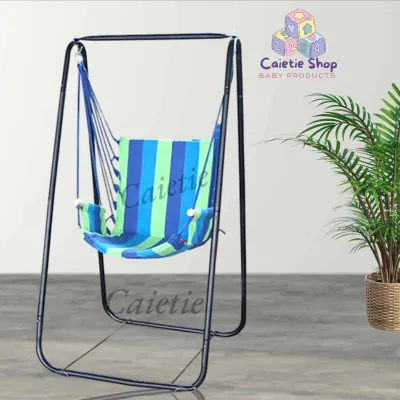
Prices are valid at publication and may change. Please refer to the product page for the latest price.
Using general-purpose or adult hammock frames for infants introduces severe safety hazards. Adult stands are designed for much longer spans and significantly higher weight capacities, which translates to a completely different center of gravity. If an infant is placed in a makeshift setup on an adult stand, the excessive length can cause the hammock to sag improperly, potentially obstructing the baby’s airway or causing them to roll onto their side. Furthermore, adult stands allow for a wide swinging arc that can easily lead to collisions with the frame itself or nearby household furniture.
When browsing online marketplaces or visiting physical furniture stores in the Philippines, it is easy to be swayed by aesthetic designs or generic durability claims. However, parents must prioritize certified infant safety specifications over visual appeal. A stand might look beautiful in a nursery, but if it lacks a wide footprint, secure locking pins, or certified load-bearing hardware, it poses an immediate risk to your child.
Ultimately, the ideal stand is not necessarily the most expensive model or the one with the most elaborate decorations. It is the one that strictly adheres to established manufacturer safety guidelines for infant use. It must feature a low center of gravity, a robust locking system, and a frame that limits the swinging motion to a gentle, safe range.
Comparing Stand Types for Infant Hammocks and Cradles
Selecting the right structural design for your baby’s duyan stand depends heavily on your home layout, flooring material, and aesthetic preferences. The market in the Philippines primarily offers two structural configurations: freestanding metal frames and wooden A-frame or arc designs.

Freestanding Metal Stands with Wide Bases
Freestanding metal stands, often constructed from powder-coated steel or stainless steel tubing, are highly popular in Filipino households due to their exceptional rigidity and functional design. The primary structural advantage of a metal frame is its ability to provide consistent, unyielding weight support without warping or bending under the dynamic load of a moving baby. These frames are typically engineered with a low center of gravity and a wide, rectangular or cross-shaped base to distribute weight evenly across the floor.
Before purchasing a metal stand, it is vital to verify the base-to-height ratio. A safe baby duyan stand should have a base footprint that is wide enough to prevent any risk of tipping, even if the baby shifts weight or kicks actively inside the cradle. As a general rule, the width of the base should be at least two-thirds of the total height of the stand.
Additionally, parents must inspect the physical construction of the metal tubing. Look for smooth, burr-free welding at all joints and connection points. Rough metal edges or sharp weld splatters can easily snag the delicate fabric of the duyan, wear down suspension ropes, or cause scratches during assembly and daily use.
While metal stands are often heavier than their wooden counterparts, this weight is actually a significant stability advantage. A heavier frame is much harder for older siblings or pets to accidentally push or tip over. However, because of their weight and bulk, you should plan a semi-permanent spot for the stand in your home to avoid the need for frequent lifting and moving.
Wooden A-Frame and Arc Stands
Wooden duyan stands, featuring A-frame or curved arc designs, offer a warm, natural aesthetic that blends seamlessly into modern nurseries or indoor garden spaces. These stands are typically crafted from solid wood or high-density engineered wood, providing a sturdy and visually pleasing alternative to industrial-looking metal frames.
When evaluating a wooden stand, you must look closely at the manufacturer’s material specifications. Verify the specific type of wood used and check for robust joint reinforcements, such as heavy-duty metal brackets, steel bolts, or deep-set wooden dowels. Avoid stands that rely solely on simple wood screws or glue at critical load-bearing joints, as these can fail under continuous dynamic movement.
Because babies frequently explore their environment by touching and mouthing surfaces, verifying that the wood finish is non-toxic and baby-safe is non-negotiable. Ensure the manufacturer explicitly states that the varnishes, lacquers, or paints used are lead-free, food-grade, and free from volatile organic compounds (VOCs) that could off-gas in an enclosed nursery.
The tropical climate of the Philippines introduces unique challenges for wooden furniture. High relative humidity during the wet season, followed by dry heat during the summer months, causes wood to naturally expand and contract. Over time, this natural movement can loosen joints and compromise the structural integrity of the stand. If you choose a wooden frame, you must commit to routine inspections of all bolts and connection points to ensure they remain tight and secure.
Essential Safety Features to Verify Before Purchase
Before finalizing your purchase, you must treat the selection process as a rigorous safety inspection. Do not rely on generic marketing claims; instead, verify these specific, actionable safety features on the product label or manufacturer datasheet.
Base Stability and Anti-Tip Design
The stability of the stand’s base is the single most critical factor in preventing tip-over accidents. A baby duyan stand must have a wide, stable footprint that remains firmly planted on the ground during use. Look for designs that feature a broad rectangular base or an flared A-frame shape, which naturally distributes the forces generated by a swinging cradle.
To prevent the stand from sliding or shifting on smooth flooring surfaces—such as ceramic tiles, polished concrete, or marble, which are common in Philippine homes—ensure the base is equipped with high-quality anti-slip pads or rubberized feet. These pads not only protect your flooring from scratches but also provide vital traction, ensuring the stand stays exactly where you placed it.
You should strongly avoid any stands that feature narrow, single-point bases or lightweight, thin-walled frames. These designs lack the necessary ballast and physical footprint to counterbalance the dynamic, shifting weight of an growing infant, presenting a severe tipping hazard.
Hardware, Hooks, and Suspension Points
The hardware connecting the duyan to the stand represents a primary point of potential mechanical failure. All carabiners, S-hooks, and heavy-duty spring mechanisms included with the stand must be specifically rated by the manufacturer for dynamic infant loads, rather than just static weight. Dynamic loads account for the extra force generated when the baby moves, wiggles, or swings.
Safety hooks must feature a reliable locking mechanism, such as a screw-gate carabiner or a spring-loaded safety latch. Open S-hooks without safety guards are highly risky, as a sudden upward movement or an uneven swing can cause the duyan’s ropes or fabric loops to slip out of the hook entirely.
Furthermore, verify that the suspension height is easily adjustable or fixed at a safe level. The bottom of the suspended duyan should always remain at a safe clearance height from the floor—typically between 20 to 30 centimeters when occupied—to prevent the baby from striking the ground, while still keeping the fall height to an absolute minimum in the unlikely event of a component failure.
Material Safety and Non-Toxic Finishes
Infants are highly vulnerable to chemical exposure and physical hazards within their immediate sleeping environment. When reviewing product listings on online retail platforms, actively search for manufacturer declarations confirming the use of lead-free, non-toxic powder coatings, water-based paints, or natural oil finishes. Avoid products that emit a strong, chemical smell upon unboxing, as this indicates heavy VOC off-gassing.
Run your hands along every inch of the assembled frame to check for physical hazards. There must be no sharp protrusions, rough metal welds, wood splinters, or exposed screw threads. Additionally, inspect the frame for potential pinch points—areas where moving parts or joints could trap and injure a baby’s tiny fingers or toes.
Always cross-reference the product descriptions, user manuals, and customer reviews on online marketplaces to verify these safety claims. If a seller cannot provide clear information regarding material safety certifications or weight limits, it is best to look for another option.
Space Planning and Safe Setup in Your Home
A safe duyan stand requires proper space planning and correct assembly to function safely within your home. Before buying, measure your designated nursery or living room space carefully, keeping in mind that the physical footprint of the stand is only a portion of the space required.
Clearance Zones and Airflow Requirements
- The Safety Clearance Zone: You must maintain a clear safety zone of at least one meter around the entire perimeter of the stand. This clearance ensures that even if the duyan swings to its maximum possible limit, there is zero risk of the baby colliding with walls, concrete pillars, wooden cabinets, or sharp table edges.
- Airflow and Ventilation: In the hot, humid tropical climate of the Philippines, proper ventilation is critical to keep your baby cool and prevent overheating, which is a known risk factor for infant discomfort and sleep safety issues. Position the stand in an area with good natural cross-ventilation, but avoid placing it directly under the high-velocity draft of a ceiling fan or directly in front of a powerful air conditioning unit.
Optimal Placement Checklist
- Away from Windows and Cords: Never place the duyan stand near windows where the baby could reach window blind cords, curtain fabrics, or window screens. These present severe strangulation and fall hazards.
- Distance from Electrical Hazards: Ensure the stand is positioned well away from wall outlets, extension cords, charging cables, and electronic appliances.
- No Overhead Hazards: Avoid placing the stand beneath heavy wall-mounted shelves, hanging picture frames, or directly under ceiling fixtures that could potentially fall.
During assembly, always place the stand on a completely flat, level surface. Using a spirit level is highly recommended to verify that the frame is perfectly upright. An uneven floor can place unequal stress on the joints of the stand, leading to premature wear, structural warping, or an increased risk of tipping over during use.
Routine Maintenance and Wear Inspections
A duyan stand is subject to continuous stress from the daily, rhythmic swinging of your baby. To ensure it remains completely safe over months of use, you must establish a strict routine for maintenance and structural inspections.
Weekly Inspection Checklist
- Tighten Fasteners: Use the appropriate tools to check and tighten all bolts, nuts, screws, and locking pins. Rhythmic motion naturally causes threaded fasteners to loosen over time.
- Check for Rust and Corrosion: In the high humidity of the Philippines, metal frames are susceptible to rust, especially in coastal areas. Inspect all joints, weld points, and scratched areas for signs of corrosion.
- Inspect Wood Integrity: For wooden stands, check for hairline cracks, splintering, or warping along the structural beams and joint connections.
- Examine Suspension Hardware: Inspect carabiners, hooks, and springs for physical wear, grooving, or deformation. Replace any hardware that shows signs of thinning or metal-on-metal wear.
When cleaning the stand, use only mild, baby-safe dish soap and a damp cloth. Avoid harsh chemical solvents, bleach, or abrasive scrubbing pads, which can strip away protective powder coatings, damage non-toxic wood finishes, or leave behind toxic chemical residues. If you detect any structural bending, deep cracks, persistent squeaking, or deformed hardware, stop using the stand immediately and contact the manufacturer or a qualified professional for replacement parts.
Finally, always respect the manufacturer’s specified weight and age limits. Most baby duyan stands are designed for infants up to a certain weight (typically around 9 to 12 kilograms) or until the baby begins to roll over, sit up, or push up on their hands and knees. Once your baby reaches any of these developmental milestones, it is time to transition them out of the duyan and into a standard crib or playpen.
Frequently Asked Questions (FAQ)
Can I use a regular adult hammock stand for a baby duyan?
No, you should never use an adult hammock stand for an infant duyan. Adult stands are designed with a much wider span and a higher center of gravity, which are unsuitable for the precise weight distribution required by a baby. Using an adult frame can cause the infant hammock to sag excessively, increasing the risk of suffocation, positional asphyxia, or the baby rolling into an unsafe position. Additionally, adult stands lack the safety-limiting swing arcs and specialized, secure suspension hardware necessary to keep an infant safe.
Is it safe to hang a baby duyan from the ceiling instead of using a stand?
Hanging a baby duyan from the ceiling can be safe, but only if it is installed by a qualified professional who can verify the structural load-bearing capacity of your ceiling joists. This method requires heavy-duty, specialized hardware and a permanent installation that is often impractical for renters or those living in modern condominiums with concrete or drop ceilings. A dedicated, freestanding baby duyan stand is generally recommended because it provides a self-contained, pre-tested safety system that does not rely on your home’s structural integrity, allowing you to easily position and monitor your baby anywhere in the house.
Community discussion
Share your experience or ask a question. Comments are reviewed before publication.