
Finding the best duyan with mosquito net options for your garden or balcony in the Philippines means balancing personal comfort, available outdoor space, and reliable protection against insects. In a tropical climate where warm afternoons invite outdoor relaxation but also bring mosquitoes, an integrated mesh screen is essential. The ideal setup allows you to enjoy the natural breeze without the constant disruption of insect bites or the need for chemical repellents.
Selecting the right duyan requires looking closely at how and where you plan to install it. Whether you have a spacious garden with mature trees or a compact, tiled condo balcony, there is a specific style designed to match your structural setup. By focusing on durable, weather-resistant materials and secure mounting methods, you can create a safe and comfortable outdoor retreat that withstands high humidity and seasonal rains.
Quick Guide: Matching the Right Duayan Style to Your Space
In the Philippines, the term “duyan” refers to a wide range of suspended lounging furniture, from traditional hand-woven hammocks to modern, structured swing beds. While the classic woven duyan remains a nostalgic favorite for backyard afternoon naps (siesta), contemporary designs incorporate high-density mosquito netting to address seasonal insect concerns. Combining a breathable duyan with an integrated net maximizes natural airflow while creating a physical barrier against mosquitoes, midges (niknik), and other pests.
Products mentioned in this guide
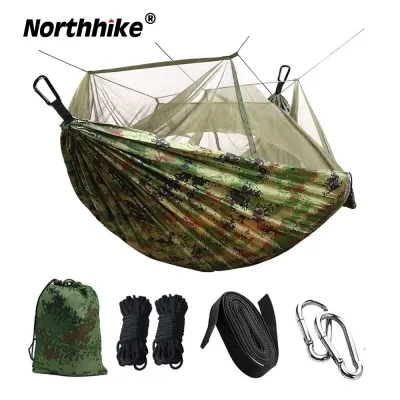
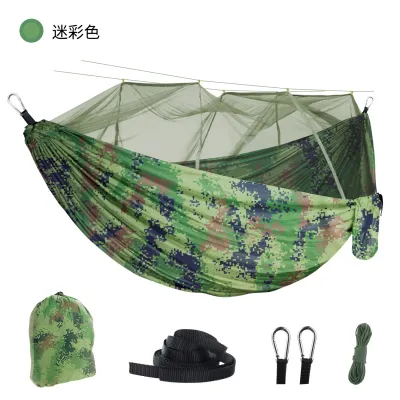
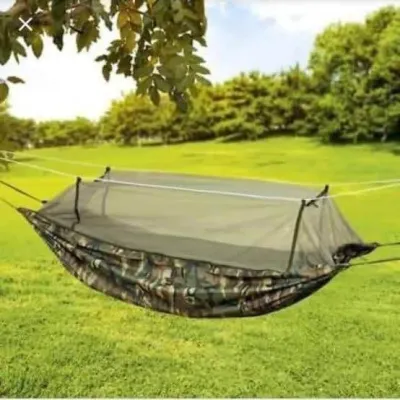
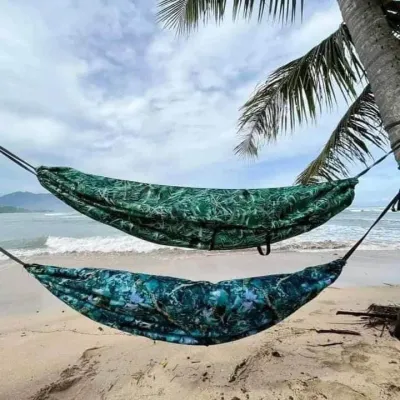
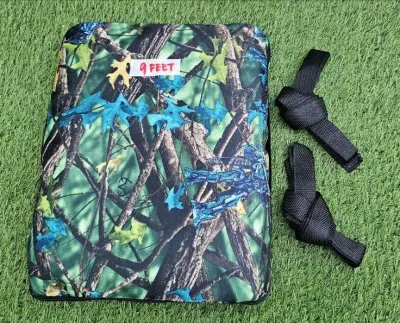
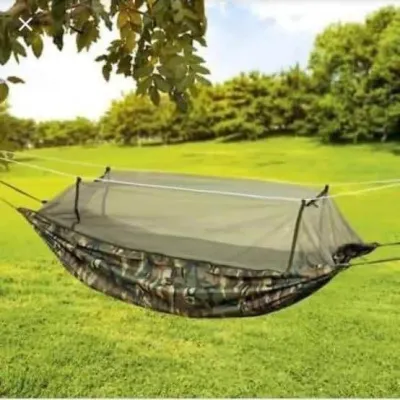
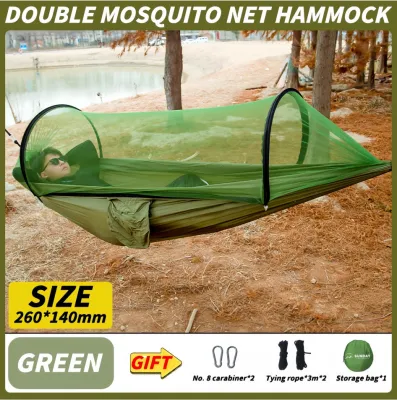
Prices are valid at publication and may change. Please refer to the product page for the latest price.
To find the ideal fit for your home, consider the physical characteristics of your outdoor area. A rapid decision matrix can help narrow down your choices based on your space’s structural features:
- For Paved Balconies and Tiled Patios: Choose a freestanding duyan with an integrated metal stand. These models require no drilling, making them perfect for rental properties, high-rise condominiums, or tiled outdoor spaces where permanent structural modifications are not permitted.
- For Gardens with Mature Trees or Covered Verandas: Opt for a traditional hanging duyan. These models save valuable floor space and can be easily tied between two sturdy trees or suspended from exposed wooden or concrete beams.
- For Large Patios and Spacious Backyards: Consider an enclosed swing bed or daybed. These premium, wide-profile options offer a flat lounging surface and a complete zippered canopy enclosure, making them ideal for long, comfortable naps or shared family use.
What to Look for in a Garden or Balcony Duayan
Investing in an outdoor duyan requires careful attention to material quality and structural design. Because the Philippine climate presents high humidity, intense sunlight, and heavy seasonal rainfall, choosing low-quality materials can lead to rapid deterioration, rust, or mold. Evaluating specific criteria before purchasing ensures your duyan remains safe, comfortable, and functional for years to come.

Mosquito Net Design and Coverage
The primary function of a duyan with mosquito net is to keep insects out without blocking the breeze. When examining the net, check the mesh density. The mesh must be fine enough to block tiny insects but open enough to allow air to circulate freely. Look for nets with a density rating of at least 1.2 millimeters per hole, which provides an effective balance between insect defense and ventilation.
Complete coverage is essential for reliable protection. A high-quality duyan should feature a 360-degree enclosure that wraps entirely around the hammock bed. Zippered entry points are highly recommended, especially those with double-sided nylon zippers that allow you to open and close the net easily from both inside and outside. Ensure the zippers glide smoothly and do not catch on the mesh fabric. For draped nets that are not permanently attached, look for weighted bottom edges or securing ties that prevent the wind from lifting the net and creating gaps for mosquitoes to enter. Finally, check if the net is detachable; a removable net is much easier to wash and store during the dry, insect-free months.
Frame Stability vs. Hanging Requirements
Deciding between a freestanding frame and a hanging setup depends on your home’s structural limits and available floor space. Freestanding models rely on a metal or wooden stand to support the hammock. When evaluating a freestanding frame, prioritize stability and joint quality. Look for heavy-duty steel tubing with a wall thickness of at least 1.5 millimeters. Inspect the welds at the joints to ensure they are smooth and continuous, and check that the frame features wide, non-slip rubber feet to prevent sliding on tiled balconies. Keep in mind that freestanding frames have a large physical footprint, often requiring a flat area of at least 2.5 to 3 meters in length.
Hanging models, on the other hand, require no floor stand, making them excellent space-savers for narrow verandas or gardens. However, they rely entirely on external anchor points. If you plan to hang your duyan, you must have access to healthy, mature trees or structural concrete or wooden beams. Always check the condition of these anchor points before installation, avoiding any wood that shows signs of rot, cracking, or termite damage. Hanging models offer the advantage of easy storage, as they can be unhooked and packed away in seconds when not in use.
Fabric and Weather Resistance
The choice of fabric directly affects both your comfort and the duyan’s lifespan in a humid, tropical environment. Cotton and cotton-blend fabrics are highly breathable and soft against the skin, making them incredibly comfortable for hot afternoons. However, cotton acts like a sponge, absorbing moisture from the air and taking a long time to dry. If left outdoors during the rainy season, cotton fabrics are highly susceptible to mold, mildew, and rot.
Synthetic fabrics, such as polyester canvas, oxford cloth, or high-density nylon parachute fabric, offer superior weather resistance. These materials are lightweight, quick-drying, and highly resistant to stretching and tearing. When choosing a synthetic fabric, check the manufacturer’s label for UV-resistant coatings and water-repellent treatments. Keep in mind that no fabric is completely immune to mold in high-humidity areas. Even treated synthetic fabrics require regular cleaning, proper ventilation, and dry storage to prevent musty odors and fabric degradation.
Recommended Duayan Types for Your Outdoor Space
Understanding the different configurations of duyans with mosquito nets helps you choose the style that best matches your daily routine and space constraints. Each design offers unique advantages and trade-offs regarding portability, installation effort, and comfort.
Freestanding Hammocks With Integrated Nets
Freestanding hammocks with integrated nets are highly versatile options for modern homes. This setup typically consists of a powder-coated steel stand that supports a fabric hammock, with a mosquito net arched over the top using flexible fiberglass poles, similar to a small camping tent. This arched design keeps the net suspended well above your face and body, preventing that claustrophobic feeling and ensuring mosquitoes cannot bite you through the mesh.
Pros:
- No permanent installation: Ideal for renters or tiled balconies where drilling into walls or posts is not allowed.
- High portability: The entire setup can be easily moved around the garden or patio to follow the shade as the sun moves.
- Consistent tension: The metal stand ensures the hammock remains at the perfect height and tension, preventing it from sagging too close to the ground.
Cons:
- Large footprint: Requires significant floor space, making it less suitable for very narrow or crowded balconies.
- Weight: The steel frame can be heavy and awkward to carry indoors during sudden downpours.
- Rust risk: If the powder coating on the steel frame is scratched or chipped, exposure to rain and humidity can lead to rust at the joints.
Traditional Hanging Duyans With Canopy Nets
For those who prefer a classic look and a deep, swaying motion, the traditional hanging duyan paired with a canopy net is an excellent choice. These are often made from lightweight nylon parachute fabric or woven cotton ropes. The mosquito net is either integrated directly into the hammock design—suspended by thin guide ropes tied to the main anchor points—or consists of a separate, large canopy net that drapes completely over the entire hammock setup.
Pros:
- Authentic comfort: Offers a deep, cradling support and a smooth, wide swaying motion that freestanding models cannot fully replicate.
- Space-saving: When not in use, the hammock can be unhooked and stored in a compact carry bag, leaving your garden or balcony completely clear.
- Budget-friendly: Generally more affordable than freestanding models or swing beds, with quality options ranging from ₱800 to ₱2,500.
Cons:
- Strict installation requirements: Requires two highly secure, pre-verified anchor points spaced at the correct distance (usually 3 to 4 meters apart).
- Setup effort: Adjusting the suspension ropes and ensuring the mosquito net is tightly sealed at both ends requires more effort and attention to detail.
- Tree wear: If tied directly to trees without protective straps, the tension ropes can damage the tree bark over time.
Enclosed Swing Beds and Daybeds
If you want to create a luxury lounging area on a spacious patio or in a large garden, an enclosed swing bed or daybed is the ultimate choice. These premium structures feature a wide, flat bed-like platform—often constructed from synthetic PE wicker or powder-coated steel—suspended from a heavy-duty A-frame stand. They are equipped with a solid fabric canopy roof for shade and a full-length, zippered mosquito net that encloses the entire swinging platform.
Pros:
- Maximum comfort: Provides a spacious, flat surface that easily accommodates thick cushions, pillows, and multiple people.
- Superior weather protection: The solid canopy roof provides excellent shade from the hot sun and protection from light drizzle.
- Complete enclosure: The large, structured net hangs vertically around the frame, offering a spacious, room-like feel inside without the mesh touching your body.
Cons:
- High cost: Requires a substantial investment, with prices typically starting around ₱8,000 and going up to ₱25,000 or more.
- Massive footprint: Requires a large, dedicated flat area and cannot be easily moved or packed away.
- Cushion maintenance: The thick fabric cushions must be stored indoors during heavy rain to prevent waterlogging, mold, and deep fabric damage.
How to Safely Install and Maintain Your Duayan
Proper installation and regular maintenance are critical to ensuring your duyan remains safe to use and lasts for many seasons. Neglecting safety checks or failing to care for the materials in a humid climate can lead to structural failures, accidents, or ruined fabrics.
Verifying Anchor Points and Weight Limits
Safety starts with understanding and respecting weight capacities. Always check the manufacturer’s specified maximum weight limit before use. Standard single hammocks typically support up to 100 to 120 kilograms, while double models and swing beds may support 200 kilograms or more. Never exceed these limits, and avoid sudden, high-impact movements like jumping into the duyan.
For hanging models, verifying the structural integrity of your anchor points is non-negotiable. If you are mounting the duyan to a ceiling or wall, consult a qualified contractor to ensure you are anchoring directly into solid concrete or load-bearing wooden joists; never anchor into hollow drywall or plaster. If you are hanging the duyan from trees in your garden, select healthy, mature hardwood trees with a trunk diameter of at least 15 to 20 centimeters. Avoid softwoods, rotting trees, or branches that bend under pressure. Always use heavy-duty, outdoor-rated tree-saver straps (at least 5 centimeters wide) and climbing-rated steel carabiners rather than basic nylon ropes, as thin ropes can slice into tree bark and fray rapidly over sharp structural edges.
Cleaning and Storing in Humid Weather
The combination of high humidity and outdoor exposure means your duyan will require regular cleaning to stay fresh and hygienic. Periodically shake off fallen leaves, dust, and insects from the hammock and net. To clean the mosquito net, hand-wash it gently in a large basin using lukewarm water and mild dish soap or a gentle laundry detergent. Avoid using harsh bleach, fabric softeners, or abrasive scrub brushes, as these can weaken the delicate mesh fibers and cause tears.
Before storing your duyan, ensure every component is completely dry. Hang the fabric and net in a well-ventilated, shaded area until there is absolutely no moisture left. Folding and storing a damp duyan in a closed bag or closet in the Philippines’ humid climate will inevitably result in mold growth, dark stains, and stubborn musty odors. During the heavy rain and strong winds of the typhoon season, always take the duyan fabric and mosquito net down and store them indoors. For freestanding metal frames that must remain outside, use a breathable, waterproof outdoor furniture cover to protect the joints and finish from constant moisture.
Frequently Asked Questions (FAQ)
Can I leave my duyan outside all year round?
While high-quality outdoor duyans are designed to withstand normal outdoor conditions, leaving them exposed to the elements year-round is not recommended. Continuous exposure to intense tropical sunlight will gradually degrade synthetic fibers, fade colors, and weaken the delicate mesh of the mosquito net. Heavy seasonal rains can also cause waterlogging in cushions and promote mold growth on fabrics. To maximize the lifespan of your duyan, take the fabric bed and mosquito net down when they are not in use for extended periods, or at least store them indoors during the rainy season.
How do I fix a small tear in the mosquito net?
Small tears in a mosquito net should be repaired immediately to prevent insects from entering and to stop the tear from spreading. For minor holes, you can use a specialized adhesive mesh repair patch, which is widely available online. Simply clean the area around the tear, cut the patch to size, peel off the backing, and press it firmly over the hole. Alternatively, you can carefully sew the tear shut using a fine needle and lightweight nylon or polyester thread. Avoid using heavy duct tape or thick household glues, as these will block airflow, look unsightly, and leave a sticky residue that attracts dirt and insects.
Community discussion
Share your experience or ask a question. Comments are reviewed before publication.