
An elegant glass center table is an exceptional addition to a Filipino sala, offering a sophisticated focal point that enhances the overall sense of space. In many Philippine homes, the living room serves as a high-traffic hub for family gatherings, afternoon merienda, and entertaining guests. Introducing a center table for sala elegant glass design provides a sleek, modern aesthetic while allowing light to pass through, making even compact living areas feel brighter and more open. However, finding the perfect table requires balancing visual appeal with practical considerations such as spatial dimensions, household safety, material durability, and resistance to the local tropical climate.
Selecting the right piece involves understanding how different materials perform under daily use and high humidity. By focusing on certified glass specifications, sturdy frame construction, and appropriate style alignments, you can secure a center table that elevates your home’s interior design while remaining safe and functional for years to come.
How to Choose the Right Glass Center Table for Your Sala
Before purchasing a glass center table, precise spatial planning is essential to ensure the piece fits harmoniously within your layout. Begin by measuring your available floor space and mapping out the placement of your existing furniture. To maintain comfortable traffic flow, aim for a clearance of 30 to 45 centimeters (12 to 18 inches) between the edge of the table and your sofa. This distance provides sufficient legroom while keeping drinks and remote controls within easy reach. Additionally, ensure there is at least 75 to 90 centimeters of clear walkway space between the table and other major furniture pieces, such as a TV console or display cabinet, to prevent the room from feeling cramped.
Products mentioned in this guide
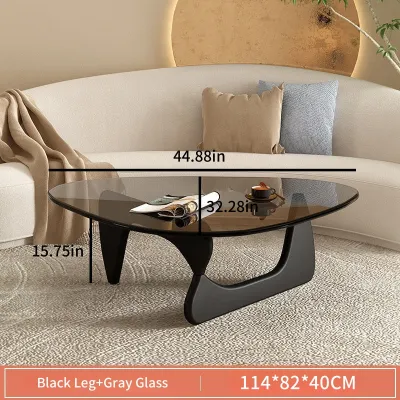
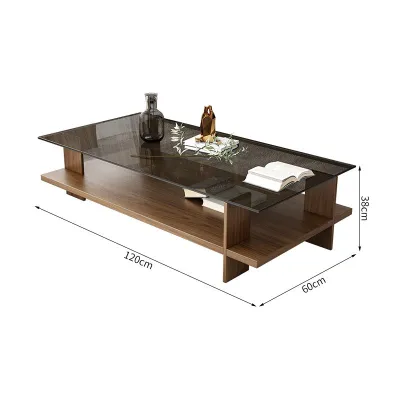
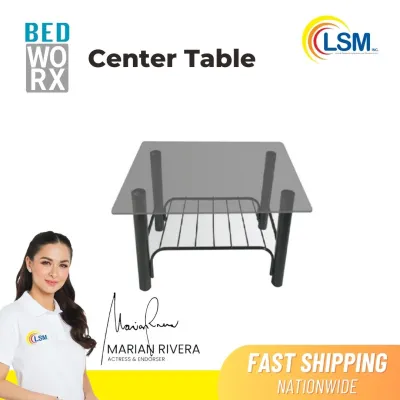
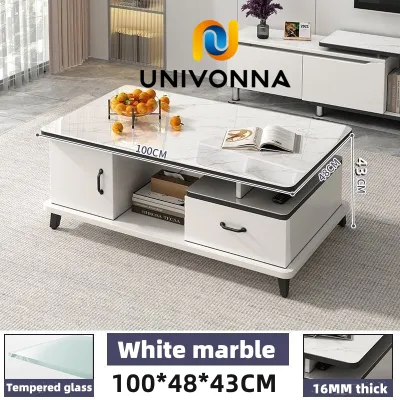
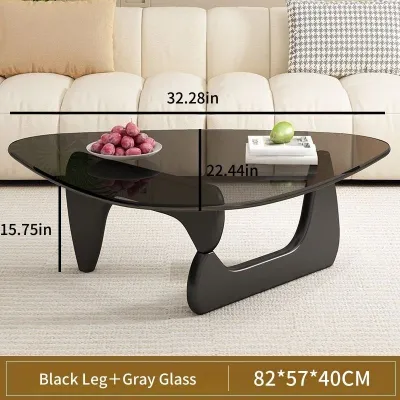
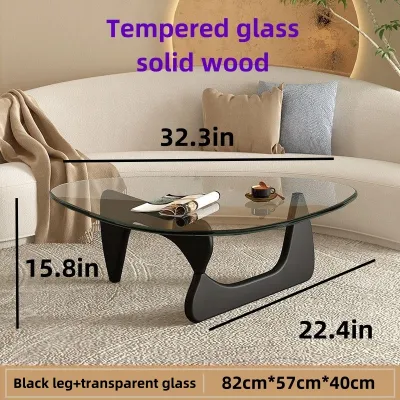
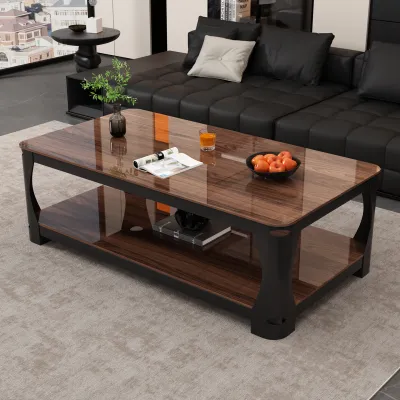
Prices are valid at publication and may change. Please refer to the product page for the latest price.
Delivery logistics are another vital factor that homeowners often overlook. Before finalizing your order, measure the exact clearance of your entryways, including front doors, narrow hallways, stairwells, and elevator doors. In metropolitan areas where condominium living is common, elevator dimensions can strictly limit the size of furniture you can transport to upper floors. If a glass table features a large, non-demountable frame or a single, heavy sheet of thick glass, verify that your building’s service elevator or stairwell can accommodate its physical dimensions during delivery.
Household safety should guide your choice of glass edge profiles, particularly if you share your home with young children, elderly family members, or active pets. Standard square-cut glass edges present sharp corners that can cause injuries during accidental bumps. To mitigate this risk, look for glass tops featuring rounded corners, beveled edges, or a completely circular or oval silhouette. Beveled edges are ground and polished at an angle, which not only softens the perimeter but also catches and refracts light, adding an extra touch of elegance to your sala.
Stability and weight capacity are critical structural elements to evaluate, especially for designs where a heavy glass top rests on a minimalist base. A top-heavy table with an unbalanced base can tip over if someone leans on the edge or places a heavy object near the side. Verify the manufacturer’s specified weight capacity and check that the base is sufficiently wide and heavy to anchor the glass securely. If you plan to display heavy art books, decorative vases, or tea sets, a thicker glass top supported by a broad, multi-point frame is highly recommended.
Finally, consider how the tropical Philippine climate affects different frame materials. High relative humidity can accelerate the degradation of low-quality metals and untreated woods. When shopping, seek out frames treated with protective finishes designed to resist moisture. For metal frames, verify that they are powder-coated, anodized, or made of high-grade stainless steel. For wooden or woven bases, ensure the manufacturer has applied a high-quality sealant or lacquer to prevent warping, mold growth, or rot caused by ambient humidity.
Top Glass Center Table Styles for Every Living Room Aesthetic
To find a table that complements your home, explore how different design styles align with your personal aesthetic and functional needs. The right style should harmonize with your existing sofas, lighting fixtures, and flooring.

Modern Minimalist Designs with Metal Frames
Modern minimalist glass tables are characterized by clean geometric lines, slim profiles, and an emphasis on visual lightness. By pairing transparent glass with slender metal supports, these designs minimize visual clutter, allowing the flooring or an accent rug underneath to remain visible. This structural openness makes minimalist tables an excellent choice for compact urban condominiums or smaller townhouses where preserving the illusion of spaciousness is a primary design goal.
When selecting a metal-framed table, it is crucial to verify the quality of the metal finish to ensure long-term durability. In humid environments, standard painted iron or low-grade steel can easily rust if the surface is scratched or exposed to moisture. Look for frames made from high-grade 304 stainless steel, which naturally resists oxidation, or steel frames that have undergone a professional powder-coating process. Powder coating creates a thick, protective barrier that is highly resistant to chipping, scratching, and moisture penetration. Anodized aluminum frames are another excellent, lightweight alternative that inherently resists corrosion.
Tropical Classic Designs with Wood or Woven Bases
For homeowners who prefer a warmer, more organic aesthetic, tropical classic designs combine the clean elegance of a glass top with natural material bases such as solid wood, rattan, or abaca. These tables bring a grounded, nature-inspired feel to the sala, beautifully complementing indoor tropical plants, linen upholstery, and warm lighting. The glass top serves a dual purpose here: it provides a smooth, easy-to-clean surface while showcasing the intricate craftsmanship, wood grain, or woven textures of the base underneath.
Because natural materials are sensitive to environmental shifts, check the manufacturer’s care instructions and product specifications before buying. Ensure that wooden bases are crafted from kiln-dried hardwoods, such as acacia, mahogany, or teak, which are less prone to warping or cracking in shifting humidity. Woven rattan or abaca bases must be treated with protective clear coats or anti-fungal sealants to prevent dust accumulation and moisture absorption. Keep in mind that these organic materials are strictly intended for indoor use and should be positioned away from direct sunlight to prevent fading and drying.
Space-Saving Nested and Multifunctional Tables
If your living room serves multiple purposes—such as a home office, a casual dining space, or an entertainment zone—multifunctional and nested glass tables offer highly practical solutions. Nested tables consist of two or three individual tables of graduating sizes that slide neatly underneath one another when not in use. When you host guests for coffee or merienda, you can easily pull the smaller tables out to provide extra surface area across the room, then tuck them back away to reclaim precious floor space afterward.
Other multifunctional designs include tables with integrated lower wooden shelves, built-in drawers, or lift-top mechanisms. A lower shelf provides a convenient spot to store magazines, remote controls, and coasters, keeping the main glass surface clean and clutter-free. If you select a model with moving parts, such as a lift-top or sliding drawer, test the mechanism’s stability and smoothness. Ensure that all hinges, tracks, and supports are heavy-duty and rated to handle the weight of the glass top without wobbling or sticking during daily operation.
Comparing Glass Types and Frame Materials for Longevity
Understanding the technical specifications of glass and frame materials allows you to make an informed decision based on safety, durability, and maintenance requirements. Relying on verified product labels and manufacturer specifications is always safer than assuming performance based on appearance alone.
| Material/Feature | Key Characteristics | What to Verify on the Product Label |
|---|---|---|
| Tempered Glass | Thermally treated for safety; breaks into small, blunt, granular pieces if shattered; highly resistant to thermal shock and impacts. | Look for a "Tempered" or "Safety Glass" certification stamp; verify a thickness of 8mm to 12mm for optimal structural integrity. |
| Standard (Annealed) Glass | Lacks specialized heat treatment; breaks into large, sharp, hazardous shards; more susceptible to scratches and temperature cracks. | Check if the label lacks safety certifications; avoid using standard glass for high-traffic center tables. |
| Powder-Coated Steel | Metal coated with a dry powder baked under heat; highly resistant to chipping, scratching, rust, and humidity. | Confirm the specification sheets explicitly state "powder-coated" rather than simply "painted" or "lacquered" metal. |
| Anodized Aluminum | Lightweight, naturally corrosion-resistant metal with an electrochemical oxide finish that will not peel or rust. | Look for "anodized" or "rust-proof aluminum" specifications, ideal for homes in coastal or highly humid areas. |
| Kiln-Dried Hardwood | Solid wood (e.g., acacia, mahogany) dried in a controlled kiln to reduce moisture content, preventing warping and cracking. | Verify the wood species and check for "kiln-dried" status and protective polyurethane or lacquer finish coatings. |
When evaluating these materials, prioritize tempered glass for any household center table. Standard glass poses a significant safety risk in a busy living room. Furthermore, always cross-reference the frame’s finish specifications with your home’s ventilation and humidity levels to ensure the materials can withstand daily wear without corroding or warping.
Daily Care and Maintenance in a Humid Climate
Maintaining the pristine, elegant look of a glass center table in a humid climate requires consistent, low-risk cleaning habits. For daily maintenance, use a soft, clean microfiber cloth to wipe away dust and fingerprints. To clean smudges or streaks, apply a mild, ammonia-free glass cleaner directly to the cloth rather than spraying it onto the table. Spraying cleaner directly onto the glass can cause liquid to seep into the crevices where the glass meets the frame, potentially damaging metal finishes or degrading wooden joints over time. Avoid using abrasive scouring pads, steel wool, or harsh acidic or alkaline chemicals, as these can permanently scratch the glass surface or strip away protective frame coatings.
Moisture management is particularly important in the Philippines, where high humidity and cold drinks can quickly lead to condensation buildup. Always wipe up spills, condensation rings, and standing water immediately. If moisture is allowed to sit on the table, it can leave stubborn hard water spots that are difficult to remove, or it can seep into the frame joints, causing wood to swell or metal to oxidize. Using coasters with absorbent backings, such as cork or felt, is a simple and highly effective way to protect your table’s surface.
In addition to daily cleaning, perform routine hardware checks every few months to keep the table structurally sound. If your table is assembled with screws, bolts, or brackets, use the appropriate tools to gently tighten any hardware that may have loosened over time due to daily movement. Inspect the small rubber bumpers, silicone spacers, or felt pads that sit between the glass top and the frame. These pads are essential because they prevent direct glass-to-frame friction, absorb impacts, and keep the glass from sliding. If these spacers become worn, brittle, or displaced, replace them promptly with new adhesive silicone bumpers.
Finally, establish a clear safety boundary for your furniture. If you notice that the glass has developed deep scratches, chips, or hairline cracks, or if the frame begins to wobble significantly or show signs of deep structural rust, stop using the table immediately. Do not attempt to repair cracked tempered glass, as its internal tension makes it prone to shattering completely once compromised. Instead, contact the furniture manufacturer or a qualified professional repair service to evaluate the damage and determine if a replacement glass top or frame is required.
Frequently Asked Questions (FAQ)
Is tempered glass safe for homes with active children?
Yes, tempered glass is highly recommended for households with children because of its unique safety properties. If tempered glass does break, it is designed to shatter into small, blunt, pebble-like pieces rather than sharp, dangerous shards. To ensure maximum safety, check the product label to verify that the glass is at least 8mm to 12mm thick and features rounded or beveled edges to prevent painful bumps and bruises.
How do I prevent water rings and stains on a glass table?
To prevent water rings and unsightly mineral stains, always use protective coasters under cold glasses and mugs to catch condensation. Avoid placing hot food dishes, coffee cups, or teapots directly onto the glass surface, as sudden temperature changes can stress the material. Always check the manufacturer’s care guidelines for specific heat-resistance limits, and use heat-resistant trivets or placemats to safeguard the glass.
Community discussion
Share your experience or ask a question. Comments are reviewed before publication.