
In the Philippines, the dining room is the true heart of the home. It is where families gather daily, where stories are shared over warm plates of rice, and where friends are welcomed for festive salu-salo gatherings. However, with the rise of modern condominiums, townhouses, and compact apartments in urban centers like Metro Manila, Cebu, and Davao, floor space is at a premium. Finding a versatile dining table set for small space layouts that can comfortably accommodate your immediate family on weekdays, yet seamlessly expand to host six, eight, or even ten guests for special occasions, can feel like an impossible puzzle.
The solution lies in the engineering of modern extendable dining tables. These innovative pieces of furniture offer the ultimate flexibility: a compact footprint for daily living that preserves precious floor space, paired with the hidden capability to stretch into a grand banquet table at a moment’s notice. By choosing the right extension mechanism, matching it with smart, space-saving seating, and understanding the unique demands of a tropical climate, you can create a highly functional dining hub that never makes your home feel cramped. This guide will walk you through everything you need to know to select, evaluate, and maintain the perfect flexible dining set for your space.
How to Evaluate a Dining Table Set for Small Space Homes
Before browsing online catalogs or visiting local furniture showrooms, you must take precise measurements of your dining area. The most common mistake is measuring only the table’s collapsed size and assuming it will fit. You must calculate two distinct footprints: the daily collapsed state and the fully extended length. To ensure a comfortable dining experience, you need to maintain at least 36 inches (approximately 90 centimeters) of open clearance between the edge of the table (in both states) and the nearest wall, kitchen counter, or living room furniture. This clearance is not just a design recommendation; it is a functional necessity that allows guests to pull back their chairs, sit down comfortably, and permit others to walk behind them without causing a bottleneck in your home.
Products mentioned in this guide
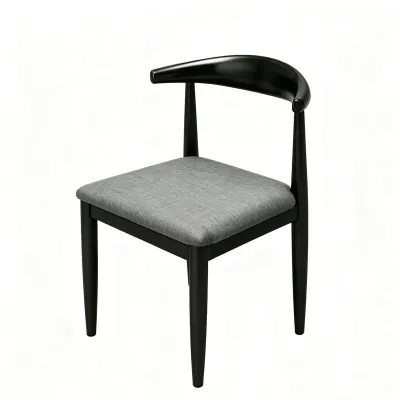
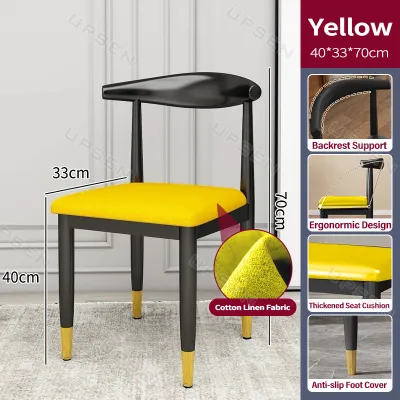
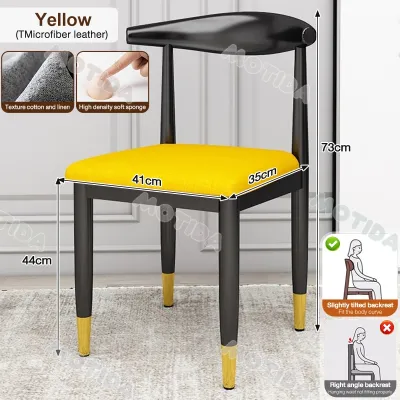
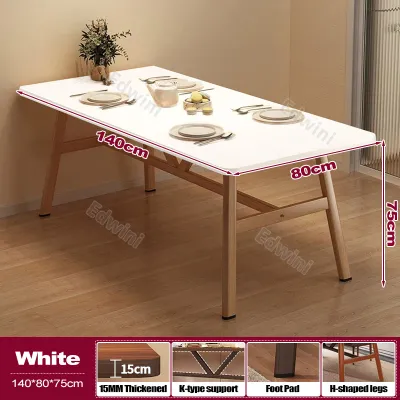
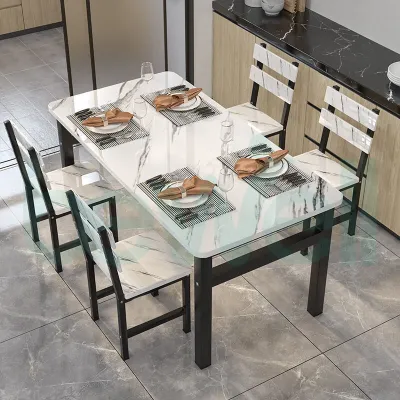
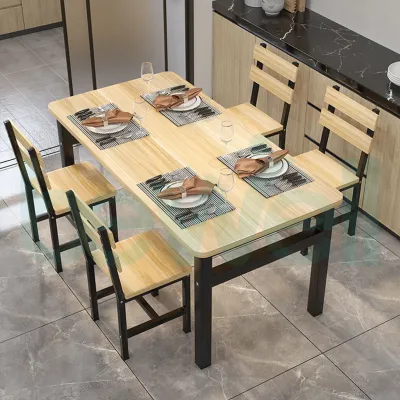
Prices are valid at publication and may change. Please refer to the product page for the latest price.
An extendable table is only useful if you can operate it without a struggle. When evaluating different models, closely examine the extension mechanism. High-quality tables feature smooth gliding tracks, synchronized gear systems, or smooth manual folding hinges that allow a single person to open and close the table effortlessly. If a mechanism requires two people to pull from opposite ends with significant force, or if it feels jerky and prone to jamming, it will likely become a source of frustration. Look for systems where the internal hardware does the heavy lifting, allowing you to transition from a cozy four-seater to a spacious ten-seater in under two minutes.
As a dining table extends to accommodate six to ten people, its center of gravity shifts dramatically. You must evaluate the structural stability of the frame when it is fully expanded. Pay close attention to leg placement and cross-supports. Standard four-legged tables where the legs remain fixed at the corners are highly stable, but the legs can get in the way of seating when extra chairs are squeezed in. Conversely, tables where the legs slide outward with the extension offer excellent corner support but require sturdy, heavy-duty glides. Pedestal bases offer the most legroom flexibility, but they must feature a heavy, reinforced base plate to prevent the table from wobbling or tipping when guests lean on the extended outer leaves.
The tropical climate of the Philippines introduces unique challenges for mechanical furniture. High humidity levels during the rainy season followed by dry, hot summers can cause natural wood to expand and contract. This constant movement can warp solid wood tabletops, causing extension seams to misalign or tracks to bind. To prevent this, look for tables constructed with high-grade engineered wood cores, such as high-density MDF, finished with premium natural wood veneers. If you prefer solid wood, ensure it is a stable, climate-suited species like rubberwood, acacia, or mahogany, and verify that it has been kiln-dried and sealed with a moisture-resistant polyurethane or lacquer finish. The joinery should be reinforced with steel brackets, dowels, and heavy-duty screws to withstand the mechanical stress of frequent transitions.
Best Extendable Table Designs for Hosting 6 to 10 Guests
To help you navigate the various options available on the market, we have analyzed the most effective extendable table designs. Each style offers unique advantages depending on your daily routine, room layout, and how often you host large gatherings.

Below is a comparison of the primary extendable table designs to help you determine which style best fits your home’s layout and hosting needs:
| Table Design | Collapsed Footprint | Maximum Seating Capacity | Mechanism Ease | Ideal Room Layout |
|---|---|---|---|---|
| Butterfly Leaf | Compact to Medium | 8 Guests | Very Easy (Self-Storing) | Square or Rectangular Dining Rooms |
| Drop-Leaf / Gateleg | Ultra-Compact (Wall Console) | 10 Guests | Easy (Manual Lift & Swing) | Narrow Nooks, Kitchen Walkways, Condos |
| Console-to-Dining | Micro-Footprint (Entryway Console) | 10+ Guests | Moderate (Requires Leaf Insertion) | Studio Apartments, Open-Plan Living Rooms |
Butterfly Leaf and Self-Storing Extensions
The butterfly leaf design is one of the most popular choices for modern homes due to its clean aesthetics and seamless operation. In this design, the tabletop splits down the middle and slides apart on glider tracks, revealing a hidden, folded leaf tucked neatly in a compartment underneath. You simply lift the folded leaf, unfold it like butterfly wings, and slide the tabletop back together to lock it in place.
The primary benefit of a butterfly leaf table is that the extension leaf is completely self-storing. You never have to worry about finding dedicated closet space to store a loose wooden panel, nor do you risk scratching or warping the leaf by storing it incorrectly. However, because the folding mechanism and the leaf itself are housed permanently beneath the tabletop, these tables tend to be quite heavy. When shopping, it is essential to check the under-table clearance. Ensure that the housing box for the folded leaf does not hang too low, as this can restrict legroom, rub against your knees, or prevent your dining chairs from being pushed fully under the table when not in use.
Drop-Leaf and Gateleg Designs
Drop-leaf and gateleg tables are time-tested classics that excel in tight, multi-functional spaces. These tables feature a fixed central tabletop with hinged leaves on one or both sides that hang straight down when collapsed. To expand the table, you lift the hanging leaves and swing out supporting legs (the “gatelegs”) from beneath the frame to hold the leaves level with the main surface.
These designs are highly recommended for narrow dining nooks, kitchen walkways, or long, open-plan living areas where space must remain unobstructed during the day. When collapsed, a gateleg table can be pushed flat against a wall, serving as a slim desk or a decorative sideboard. When fully opened, it can easily expand to seat up to ten people. The primary limitation of this design is leg placement; when the leaves are down, the folded gatelegs can limit where you can place your feet. Furthermore, because the extended leaves rely on hinged supports, it is absolutely vital to choose a model with sturdy, locking gateleg mechanisms. These supports must be robust enough to safely hold heavy family-style meals, large serving bowls, and hot pots without sagging or collapsing under pressure.
Console-to-Dining Transforming Tables
For those living in micro-condos or studio apartments where a traditional dining table would completely block the living space, console-to-dining transforming tables represent the pinnacle of space-saving design. In its daily state, this furniture piece looks like a narrow entryway console table, measuring only 40 to 50 centimeters deep. It sits quietly against a wall, holding keys, mail, or a decorative lamp.
When it is time to host a gathering, the console frame pulls outward on heavy-duty, telescoping aluminum or steel rails, stretching to several times its original length. You then insert separate wooden leaves—usually three to five panels—onto the extended frame to create a full-sized dining table capable of seating up to ten or twelve guests. While this design offers unparalleled space efficiency, it does come with a couple of trade-offs. First, because the extension leaves are not self-storing, you must have a designated space in your home—such as under a bed, inside a wardrobe, or in a utility closet—to store the extra panels when they are not in use. Second, because the table relies on a long, telescoping metal frame, you must verify the manufacturer’s maximum load capacity to ensure the center rails will not sag or bend when fully loaded with heavy dishes.
Space-Saving Seating Pairings for Large Gatherings
Acquiring a table that expands to seat ten people is only half the battle; you must also figure out where those ten people will sit without cluttering your home with a forest of bulky chairs during the week. A smart seating strategy is essential to maintaining an open, airy feel in a small home.
To avoid overcrowding your living space, do not buy a matching set of ten heavy, upholstered dining chairs. Instead, adopt a hybrid seating approach. Keep two to four comfortable, high-quality chairs around the table for your daily family needs. For your guests, invest in high-quality stackable or foldable chairs that can be tucked away when not in use. Modern stackable chairs made of lightweight, durable molded resin or sleek bentwood can be stacked four to six high and stored neatly in a utility closet, laundry area, or on a covered balcony. Alternatively, premium wooden folding chairs can fold completely flat, allowing you to slide them under a bed, behind a wardrobe, or hang them on decorative wall hooks in a hallway.
Another highly effective seating strategy for compact dining areas is incorporating a backless bench on one side of the table. A bench is an exceptional space-saver because, during daily use, it can slide completely underneath the collapsed dining table, keeping your walkways open and visual sightlines clear. When you host a gathering, a single bench can comfortably seat three to four children or adults, accommodating more people than individual chairs could fit in the same footprint. Pair the bench with standard chairs on the opposite side and ends of the table to create a stylish, modern, and highly functional dining setup.
When selecting the chairs that will remain in your dining room daily, look for slim, armless profiles with narrow bases. Chairs with wide, flared legs or bulky armrests take up significant physical and visual space, limiting the number of seats you can place side-by-side along the extended table. Armless chairs with clean, vertical lines and tapered legs allow guests to sit closer together without colliding shoulders or elbows. Additionally, chairs with open slat-backs or low-profile designs help maintain an open line of sight, making your small dining room feel much larger than it actually is.
Essential Measurements and Safety Checks Before Buying
Purchasing an extendable dining table set is a significant investment, and ensuring a smooth delivery and safe assembly is crucial to avoiding costly mistakes. Before you finalize your purchase, run through this practical checklist to guarantee the table will fit your home and function safely.
One of the most common delivery disasters in urban areas is purchasing a large piece of furniture only to find it cannot fit through the condominium elevator or up the narrow stairwell. Before ordering, measure the height, width, and diagonal clearance of every doorway, hallway corner, elevator cabin, and stairwell landing that the delivery crew must navigate. Even if the table is delivered flat-packed, the main tabletop box is often exceptionally long and rigid. Ensure that the package dimensions, which are typically listed on the manufacturer’s website, can safely clear these tight spaces. If your building has strict move-in guidelines or small service elevators, coordinate with your building administration beforehand to avoid delivery delays.
Extendable dining tables, especially those constructed with solid wood frames or heavy steel telescoping tracks, can be incredibly heavy. Dragging a heavy table across your floors to expand it or reposition it for a party can easily scratch, gouge, or tear delicate vinyl, laminate, or hardwood flooring. To protect your investment and make moving the table effortless, install heavy-duty felt pads or thick rubber glides on the bottom of all table and chair legs. These pads reduce friction, allowing you to slide the heavy table smoothly and quietly across the room without damaging your floors or straining your back.
Once your new table is delivered and assembled, perform a comprehensive safety check before hosting your first big family meal. Carefully inspect the underside of the table to ensure that all locking pins, tension brackets, safety latches, and support rails are fully engaged and securely tightened. These safety mechanisms are vital; they lock the extended leaves in place and prevent the table from accidentally sliding open, shifting, or collapsing when guests lean on the edges. Periodically check these connections every few months, as the vibrations from expanding and collapsing the table can naturally loosen screws and bolts over time. Tighten any loose hardware immediately to maintain structural integrity.
Frequently Asked Questions (FAQ)
How do I prevent the extension tracks from sticking in a humid climate?
The high humidity levels characteristic of the Philippine climate can cause wood to swell and metal tracks to accumulate fine dust, leading to sticky or stubborn extension mechanisms. To prevent this, clean the tracks at least once every three months using a dry microfiber cloth or a soft-bristled brush to remove accumulated dust, lint, and debris. Once clean, apply a thin layer of dry, non-sticky lubricant, such as a specialized silicone spray or clear furniture wax, along the runners. Avoid using wet, oil-based lubricants like standard WD-40, machine oil, or cooking oil; these products attract airborne dust and pet dander, creating a sticky, gummy residue that will eventually jam the mechanism and damage the wood or metal tracks.
Can an extendable table safely hold heavy dishes like large rice cookers or roasted meats?
Yes, modern extendable tables are designed to hold substantial weight, but proper weight distribution is key to safety. The extended leaves of a table rely on cantilevered supports, folding hinges, or telescoping metal rails, which do not have the same direct vertical support as the main table legs. To prevent bowing, sagging, or tipping, always place your heaviest serving dishes—such as a fully loaded electric rice cooker, large ceramic soup tureens, or heavy lechon platters—directly over the main structural legs or along the center seam where the table is strongest. Keep lighter items, such as individual plates, cutlery, drinking glasses, and side dishes, toward the outer edges of the extension leaves.
Community discussion
Share your experience or ask a question. Comments are reviewed before publication.