
The Dual-Purpose Advantage of an Extendable Lamesang Natitiklop
Filipino households are famously centered around family gatherings. Sunday lunches, holiday feasts, and spontaneous get-togethers bring aunts, uncles, cousins, and grandparents under one roof. However, hosting 6 to 10 people comfortably often clashes with the reality of daily living spaces in modern Philippine homes, where floor space is at a premium. This spatial challenge is where an extendable dining table, locally searched and valued as a lamesang natitiklop, becomes an indispensable asset.
During the week, a high-quality extendable table functions as a compact, space-saving surface that allows for easy foot traffic in the dining area or kitchen. When the weekend arrives and guests gather, it expands to accommodate everyone, ensuring nobody has to eat with a plate balanced on their lap. This dual-purpose furniture piece bridges the gap between daily minimalism and festive hospitality.
Investing in a flexible table allows you to maintain open, breathable walkways for your daily routine without sacrificing the ability to host memorable family feasts. Finding the right fit requires understanding the different extension mechanisms, structural stability checks, spatial measurements, and designs available in the market. By evaluating these factors, you can ensure your dining area remains both functional for daily use and welcoming for large gatherings.
Products mentioned in this guide
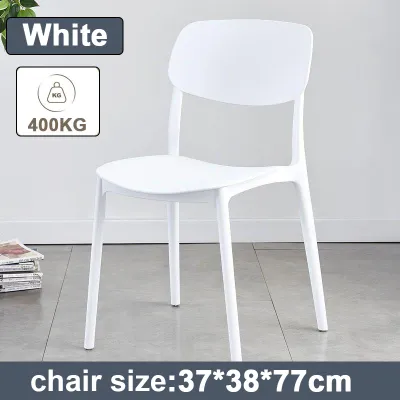
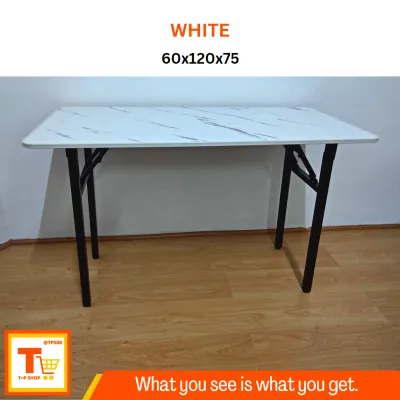
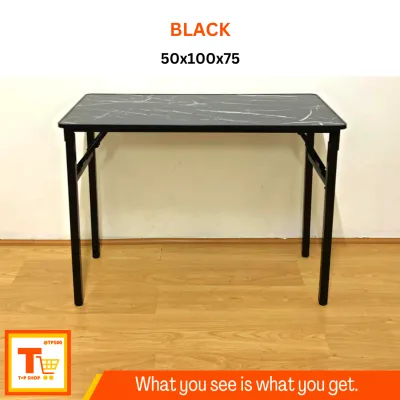
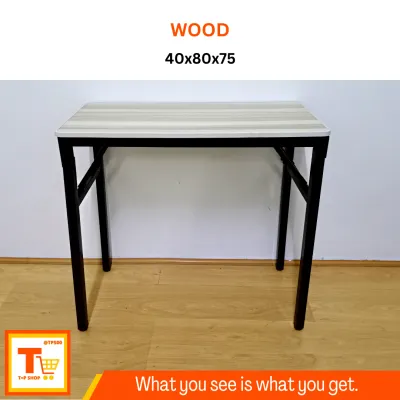
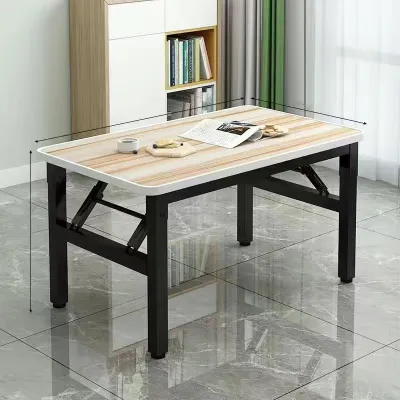
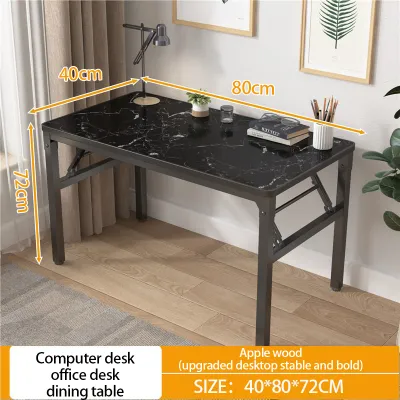
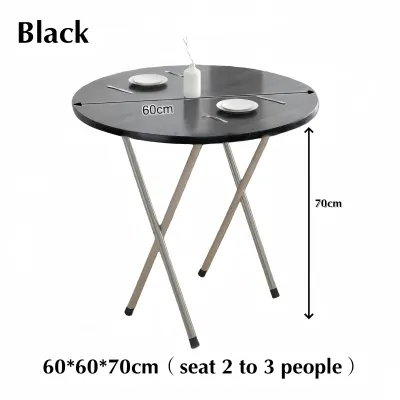
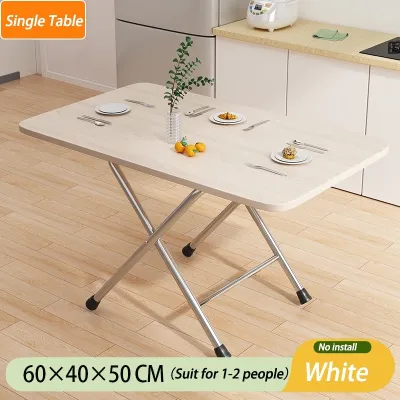
Prices are valid at publication and may change. Please refer to the product page for the latest price.
What to Look for in a 6-10 Seater Extendable Table
Selecting a table that can expand to seat up to 10 people requires looking beyond mere aesthetics. Because these tables feature moving parts and must support varying weights across different configurations, you must evaluate their structural design, ease of operation, and spatial footprint. Understanding these factors beforehand prevents buying a table that is either too cumbersome to operate or too fragile to handle heavy family meals.

Extension Mechanisms and Ease of Use
Extendable tables utilize several distinct mechanisms to expand their surface area. The most common designs include butterfly leaves, drop-leaves, and removable center leaves. A butterfly leaf is stored directly within the table frame and folds out like wings, while removable leaves must be stored separately and slotted into place when the table is pulled apart. Drop-leaf designs feature hinged panels on the sides that swing upward and lock into place.
When shopping, pay close attention to how smoothly these mechanisms operate. It is highly recommended to test the table in-store or thoroughly read manufacturer descriptions to ensure a single person can operate the extension safely. The tracks and hinges should slide smoothly without requiring excessive physical force. Look for safety features such as integrated locks that prevent the table from sliding open or closed accidentally, and ensure the design minimizes the risk of pinching fingers during operation.
Material, Finish, and Structural Stability
The tropical climate of the Philippines, characterized by high humidity and seasonal temperature shifts, can significantly impact furniture materials. Solid wood tables offer classic beauty but are prone to expanding, contracting, or warping if not properly sealed and treated. Engineered woods, such as high-density fiberboard (HDF) with high-quality veneers, offer excellent dimensional stability in humid conditions but require robust edge-banding to prevent moisture intrusion.
Rather than assuming a material name guarantees long-term durability, check the manufacturer’s care and specification sheets for surface treatments. Look for heat-, scratch-, and moisture-resistant finishes, which are crucial for tables hosting hot serving dishes, spilled drinks, and daily wear. Furthermore, inspect the base and leg structure when the table is fully extended. A table that feels solid when closed can become unstable or sag in the middle when extended to its maximum length. Ensure the support legs or pedestal base remain firmly planted and do not wobble when weight is applied to the outer edges.
Seating Capacity and Chair Clearance
To ensure your guests can dine comfortably without bumping elbows, you must calculate the actual seating capacity based on the table’s extended perimeter. A reliable rule of thumb is to allocate at least 24 inches (approximately 60 centimeters) of table width per person. This spacing provides enough room for individual place settings, glassware, and natural arm movement during a meal.
Do not rely solely on the manufacturer’s advertised seating capacity without checking the leg placement. Table legs positioned at the very corners of the frame maximize the clearance underneath, allowing chairs to slide in easily. Conversely, tables with thick pedestal bases or trestle legs can block chair placement and restrict legroom, potentially reducing a nominal 10-seater table to a tight 8-seater. Always check the clearance between the table legs when fully extended to ensure your chosen chairs can slide completely underneath when not in use.
Top Extendable Table Designs for Large Family Gatherings
Different households have unique spatial layouts and hosting frequencies. Choosing the right design depends on how often you expect to expand the table, where you plan to store any extra components, and how much space you can allocate to the furniture when it is in its compact state. Here are the three primary extendable table designs suited for large families.
Butterfly Leaf Extension Tables
The butterfly leaf table is a highly popular option for dedicated dining rooms. This design features an internal storage compartment directly beneath the tabletop where the extension leaf is housed. To expand the table, you slide the two halves of the tabletop outward, lift the folded leaf from its hidden compartment, and unfold it like a butterfly’s wings before locking the tabletop back together.
- Pros: The primary advantage of a butterfly leaf table is convenience. Because the extension leaf is self-contained, you do not need to find extra closet space to store a bulky wooden panel. It also ensures a highly cohesive look, as the leaf is protected from uneven light exposure and wear, keeping its color and finish matching the rest of the tabletop over time.
- Cons: These tables tend to be significantly heavier than standard designs due to the integrated metal tracks and folding hardware housed beneath the surface. The internal gears and hinges require careful handling; forcing a jammed mechanism can misalign the tracks, making it difficult to close the table completely.
- Best for: This style is best suited for families with a dedicated dining room who host weekly gatherings, such as Sunday family lunches, and prefer a seamless, elegant aesthetic without the hassle of storing separate table parts.
Drop-Leaf and Gateleg Tables
Drop-leaf and gateleg tables offer an exceptionally flexible approach to space management, making them classic examples of a practical lamesang natitiklop. These tables feature fixed center sections with hinged panels on one or both sides that hang vertically when not in use. To extend the table, you lift the hinged panels and swing out supporting legs (gatelegs) or slide out wooden brackets from beneath the main frame to hold the leaves level.
- Pros: This design offers unmatched everyday space efficiency. When both leaves are folded down, the table can be pushed flat against a wall, functioning as a slim console table or a compact breakfast bar for two. This makes it incredibly easy to reclaim floor space for daily chores, children's play areas, or home workouts.
- Cons: When fully extended, the swinging gatelegs can interfere with chair placement and passenger legroom, requiring guests to sit strategically around the support legs. Additionally, the visible hinges and seams on the tabletop may not appeal to those looking for a perfectly smooth, formal dining surface.
- Best for: This design is ideal for compact apartments, townhouses, or multi-purpose living areas where the dining table must shrink to a minimal footprint on a daily basis to keep walkways clear.
Console-to-Dining Expandable Tables
For homes with extreme space constraints that still want the ability to host massive gatherings of up to 10 people, console-to-dining tables represent the pinnacle of modern space-saving engineering. In its closed state, this furniture looks like a shallow hallway console table, measuring only about 18 to 20 inches deep. However, it features a heavy-duty telescopic aluminum slide system that can pull apart to lengths exceeding 100 inches.
- Pros: The space efficiency of this design is unmatched. You can transform a narrow hallway accent piece into a full-scale banqueting table that easily seats 10 people. It allows residents of small condominiums or studio apartments to host large family dinners that would otherwise be impossible.
- Cons: This system relies on multiple loose, removable leaves that must be stored elsewhere in the home when the table is collapsed, such as under a bed or inside a closet. Because of the complex engineering and heavy-duty telescoping steel or aluminum rails required to support the extended span without sagging, these tables generally carry a higher price tag. There are also multiple visible seams across the table surface when fully assembled.
- Best for: This style is perfect for urban dwellers living in compact spaces who host large family gatherings only occasionally—such as for birthdays, Christmas, or special milestones—and do not want a large dining table dominating their living space during the rest of the year.
How to Measure Your Space Before Buying
One of the most common mistakes when purchasing an extendable table is focusing solely on whether the fully extended table fits within the physical boundaries of the dining room. To ensure a comfortable and functional dining environment, you must conduct a thorough spatial assessment that accounts for human movement, seating ergonomics, and delivery logistics.
- Room Dimensions: Start by measuring the length and width of your dining area. Next, obtain the maximum extended dimensions of the table you are considering. To allow guests to sit down, stand up, and pull their chairs out comfortably, you must maintain a minimum clearance of 36 inches (approximately 90 centimeters) between the edge of the extended table and the nearest wall, cabinet, or doorway. If you expect heavy foot traffic behind seated guests—such as serving food from the kitchen—increase this clearance to 48 inches (approximately 120 centimeters).
- Delivery Path: A large extendable table often arrives in heavy, oversized boxes, or as a fully assembled unit that is highly rigid. Before finalizing your purchase, trace the delivery path from the delivery truck to your dining room. Measure the height and width of all entryways, front gates, hallway corners, stairwells, and elevator doors. If you live in a high-rise condominium, check with building management regarding elevator weight and size limits to ensure the packaged table can safely reach your floor without requiring complex hoisting.
- Floor Leveling: Extendable tables rely on precise mechanical alignment to slide open and closed smoothly. If your dining area has uneven flooring—such as warped wooden planks, settling tiles, or sloped concrete—the table frame can twist slightly under its own weight. This twisting places uneven stress on the extension tracks, causing them to jam, wear out prematurely, or create unsightly gaps where the tabletop leaves meet. Use a spirit level to check the floor's levelness; if the floor is uneven, look for tables equipped with adjustable leveling feet to compensate for the slope.
Maintaining the Mechanisms and Finish
An extendable dining table is an investment that features moving mechanical parts. To ensure it continues to operate smoothly and retains its aesthetic appeal through years of family gatherings, you must establish a regular maintenance routine and observe key safety boundaries.
- Routine Care: Dust, crumbs, and small debris can easily fall into the seams of the table and accumulate in the sliding tracks or hinges beneath. Over time, this buildup can grind against the moving parts, scratching metal rails or jamming wooden runners. Periodically vacuum the tracks using a brush attachment and wipe them down with a dry microfiber cloth. Refer to the manufacturer's care label before applying any lubricants; while some metal tracks benefit from a light application of silicone spray, others are designed to run dry, and applying oils can attract more dust and worsen the friction.
- Safety Boundaries: If you encounter resistance when opening or closing the table, stop immediately. Never attempt to force a jammed mechanism, as this can bend the aluminum slides, strip the gear teeth, or crack the wooden guide rails. Inspect the tracks for visible obstructions or loose screws that may have backed out of the frame. If the mechanism drops suddenly, sags visibly when extended, or shows signs of structural cracking along the support joints, discontinue use and consult the manufacturer's manual or a qualified furniture repair professional to avoid a sudden collapse.
- Leaf Storage: For tables utilizing removable, non-self-contained leaves, proper storage is critical to preventing damage. Store the extra leaves flat rather than leaning them vertically against a wall, as vertical storage can cause the wood or engineered panels to warp over time under their own weight. Keep them in a dry, temperature-stable area away from direct sunlight, air conditioning vents, or high-humidity zones like laundry areas. Using protective padded fabric bags will shield the delicate edges and finished surfaces from scratches, dents, and dust while in storage.
Frequently Asked Questions (FAQ)
Can an extendable table support heavy buffet dishes or appliances?
Yes, but with limitations. You must always check the manufacturer’s specified maximum weight capacity, paying close attention to the limits designated for the extended sections. The overhanging leaves and extension tracks inherently have a lower weight tolerance than the solid, central support structure of the table. To prevent structural strain or tipping, place heavy items—such as electric hot pots, samgyupsal grills, or large ceramic serving platters—over the main supported sections of the table rather than on the outer edges of the extended leaves.
Are foldable tables stable enough for homes with active children?
Stability depends heavily on the table’s base design and lock quality. When shopping for homes with active children, look for tables with a wide, stable four-leg configuration rather than a narrow central pedestal, which can be more prone to tipping if a child climbs or leans heavily on the edge. Ensure the table features robust, manual locking latches that physically secure the leaves in place, preventing the table from sliding open or folding closed unexpectedly during play. Look for products that comply with recognized furniture stability and safety standards.
How do I protect the table surface when folding or unfolding it?
To prevent cosmetic damage, always clear the entire tabletop of all items—including tablecloths, runners, centerpieces, and coasters—before operating the extension mechanism. Tiny particles of grit trapped under a tablecloth can act like sandpaper when the table halves slide together. Use two hands to pull or push the table frame evenly from the center to prevent twisting the tracks. When inserting or removing leaves, lift them completely clear of the main frame rather than dragging them across the edges, which can chip the veneer or scratch the protective finish.
Community discussion
Share your experience or ask a question. Comments are reviewed before publication.