
Relocating to a new home in the Philippines—often referred to as lipat-bahay—is a major undertaking that requires careful planning, physical effort, and the right packing materials. While traditional cardboard boxes have long been the standard choice for moving, they present distinct challenges in a tropical environment, such as susceptibility to tearing when wet, lack of flexibility in tight spaces, and the difficulty of storing them once the move is complete. A high-quality flex organizer, such as a heavy-duty woven moving bag, a vacuum compression bag, or a foldable Oxford cloth bin, offers a versatile, moisture-resistant, and space-saving alternative that protects your belongings during transit and simplifies the unpacking process.
Navigating narrow stairwells in Manila apartments, loading items into open-air or closed moving trucks, and protecting household goods from sudden tropical downpours require packing solutions that can adapt to changing conditions. Flexible organizers can bend slightly to fit into awkward vehicle corners, feature robust handles for easier carrying, and fold completely flat when empty to keep your new living space clutter-free. By understanding the unique structural properties of different flexible storage options, you can select the ideal organizers to safeguard your clothing, bedding, books, and household essentials throughout your relocation journey.
What Makes a Reliable Flex Organizer for Moving?
Selecting the right flexible storage solutions requires evaluating key design features to ensure they can withstand the physical demands of a house move. Unlike standard home storage bins, organizers used for moving must endure lifting, stacking, and shifting inside a transit vehicle.
Products mentioned in this guide
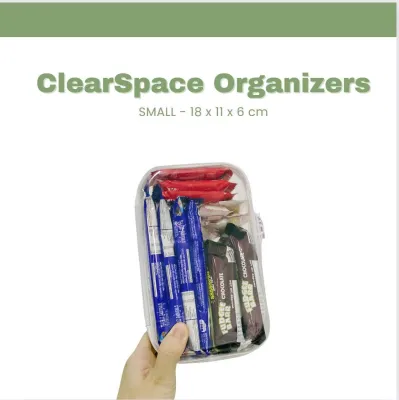
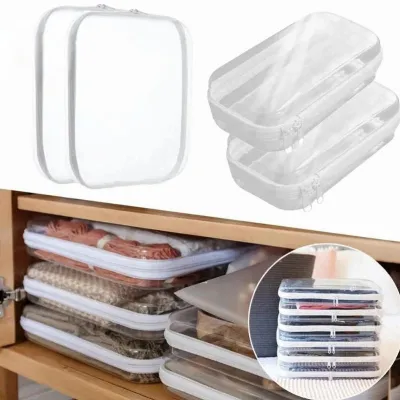
Prices are valid at publication and may change. Please refer to the product page for the latest price.
Material and Construction
When evaluating a flex organizer, inspect the fabric density and weave quality. For fabric-based organizers, look for high-denier ratings (such as 600D or higher Oxford cloth) or high-density woven polypropylene, which provide excellent puncture and tear resistance. Examine the seams closely: high-stress areas like the corners and zipper tracks should feature double-stitched seams. Check for reinforced cross-stitching (often in an “X” or box pattern) where the carrying straps attach to the body of the bag, as this prevents the fabric from ripping when the organizer is fully loaded.
Moisture and Dust Protection
The tropical climate of the Philippines introduces significant environmental risks during a move, including high relative humidity, dusty roads, and sudden afternoon rain showers. To protect your textiles, documents, and soft goods from water damage and mold, verify if the organizer features an internal water-resistant coating, such as a polyurethane (PU) or polyvinyl chloride (PVC) lining. A tight-weave fabric construction combined with a secure zipper closure helps keep fine dust, road grime, and insects from penetrating the bag during transit.
Handle Ergonomics and Strength
Carrying packed items down flights of stairs or across parking lots requires secure, comfortable handles. Look for organizers with wrap-around webbing straps that run continuously underneath the bottom of the bag to cradle the load, rather than handles sewn only to the upper side panels. Padded handles or wide, thick polyester webbing help distribute weight evenly across your hands, reducing physical fatigue and minimizing the risk of sudden strap failure during a lift.
Collapsibility
One of the greatest advantages of a flexible organizer over a rigid plastic crate is its ability to fold flat when not in use. Modern homes and condominiums often have limited storage space, making it impractical to store dozens of empty plastic tubs. A reliable flex organizer should collapse to a fraction of its filled size, allowing you to stack and store multiple empty units in a single closet drawer or under a bed once your move is complete.
Best Types of Flex Organizers for Your House Move
Different household items require different levels of structural support and protection. Categorizing your belongings allows you to match them with the most effective type of flexible organizer.

Heavy-Duty Woven Moving Bags
Heavy-duty woven moving bags are large-capacity, extremely durable containers designed to hold high-volume, non-fragile household items. Typically made from woven polypropylene, these bags are highly resistant to tearing and stretching, making them an excellent budget-friendly alternative to cardboard boxes.
- Ideal use cases: These bags are perfect for packing bulky, soft items such as bedsheets, pillows, comforters, blankets, curtains, and seasonal clothing. They can also accommodate plush toys and lightweight plastic outdoor gear.
- Key selection criteria: Always check the manufacturer's stated weight capacity before purchasing; high-quality moving bags typically support loads ranging from 15 to 25 kilograms. Inspect the zipper quality, prioritizing heavy-duty dual metal zippers (such as #5 or #8 gauge) that allow for smooth opening from both sides and can be secured with a small padlock if needed. Ensure the base of the bag features a reinforced double-layer fabric panel to prevent sagging.
- Limitations: Because woven moving bags lack a rigid internal frame, they do not maintain a structured shape when partially filled. This lack of structural rigidity makes them highly unsuitable for stacking heavy, delicate, or sharp items on top of them, as the contents underneath will compress and potentially suffer damage.
Vacuum Compression Storage Bags
Vacuum compression bags are airtight, flexible plastic pouches designed to maximize space by removing excess air from soft, compressible items. By utilizing atmospheric pressure, these bags can reduce the volume of bulky textiles by up to 80 percent, allowing you to fit significantly more items into your moving truck.
- Ideal use cases: These bags are highly effective for packing thick winter jackets, heavy blankets, spare pillows, oversized comforters, and soft plush toys that occupy substantial physical volume.
- Key selection criteria: Verify the quality of the double-zip seal and the construction of the one-way air valve to ensure that air does not slowly leak back into the bag after sealing. Look for multi-layer plastic construction, such as a blend of polyethylene (PE) and polyethylene terephthalate (PET), with a thickness of at least 80 to 100 microns to resist accidental punctures from clothing fasteners, zippers, or rough handling.
- Limitations and precautions: Vacuum compression bags require a standard vacuum cleaner or a compatible manual hand pump to extract the air. Additionally, avoid over-compressing natural fibers such as down, feathers, or wool for extended periods, as prolonged compression can permanently crush the fibers and ruin their natural loft and insulation properties. Always ensure that all items are completely dry before sealing to prevent the growth of mold or mildew inside the airtight environment.
Foldable Canvas or Oxford Cloth Bins
Foldable canvas or Oxford cloth bins provide a semi-rigid storage solution that combines the space-saving benefits of a collapsible bag with the structured shape of a traditional box. These bins typically feature fabric walls reinforced with internal support panels and a removable bottom insert.
- Ideal use cases: These structured bins are excellent for organizing medium-weight items that need to remain upright or organized in transit, such as books, children's toys, shoes, folded clothing, and miscellaneous pantry goods.
- Key selection criteria: Look for bins constructed from durable, high-density Oxford fabric (such as 600D) that include removable rigid base inserts made of thick, moisture-resistant plastic or heavy-duty cardboard. The side panels should be reinforced to prevent bowing under pressure, and the lid closure should be secure, utilizing heavy-duty zippers or wide hook-and-loop fasteners to seal out dust.
- Advantages: Unlike completely soft bags, these semi-rigid bins retain their boxy shape when filled, which allows for much safer and more stable stacking inside the moving vehicle. Once you arrive at your new home, they can immediately double as temporary storage drawers or closet organizers while you unpack and arrange your permanent furniture.
How to Match Organizers to Your Specific Belongings
Optimizing your packing strategy requires a clear understanding of which items belong in flexible organizers and which require rigid containers. Proper matching prevents damage to your belongings and ensures physical safety during the move.
Fragile vs. Non-Fragile Items
It is critical to recognize the physical limitations of flexible organizers. Because soft-sided bags and bins do not possess rigid outer shells, they offer virtually no protection against external impacts or compression forces. Do not use standard flex organizers to pack glassware, ceramics, fine china, delicate electronics, or framed artwork unless those items are first encased in multiple layers of bubble wrap or protective foam and placed inside a highly structured, rigid-sided container. For highly fragile or valuable items, always default to heavy-duty, double-walled cardboard boxes or rigid plastic packing crates.
Weight Distribution Strategy
To prevent handle failures, zipper blowouts, and physical strain during lifting, establish a sensible weight limit for each packed organizer. As a general guideline, keep individual bags and bins under 20 kilograms. Avoid the common mistake of filling a large, 100-liter woven moving bag entirely with heavy items like books or canned goods, as this will make the bag nearly impossible to lift safely and will put extreme stress on the seams. Instead, pack heavy items in smaller, structured bins, or use a hybrid approach: place a few heavier items at the bottom of a large bag, and fill the remaining space with lightweight textiles like towels, t-shirts, or pillows.
Climate and Sensitivity Considerations
The high relative humidity in the Philippines can quickly damage sensitive materials if they are packed incorrectly. When preparing moisture-sensitive items—such as leather shoes, designer handbags, important paper documents, silk garments, or vintage books—ensure they are completely dry before packing. Place several silica gel desiccant packets inside the organizers to absorb any trapped moisture during transit. For maximum protection against humidity and musty odors (amoy kulob), seal these sensitive items inside vacuum compression bags before placing them into your moving bins.
Packing and Loading Tips to Protect Your Items
How you pack, label, and load your flex organizers directly impacts the efficiency of your move and the safety of your belongings during transit.
Proper Filling Techniques
To maximize the structural integrity of your flexible organizers, fill them completely but do not overstuff them to the point of straining the zippers or seams. When packing a soft bag, aim to create a solid, brick-like shape. Distribute weight evenly across the bottom, and fill any remaining empty pockets or corners with soft, clean items like hand towels, socks, or packing paper. This tight packing prevents the contents from shifting during transport, helps the organizer maintain its shape, and creates a flatter surface that makes stacking much easier.
Labeling for Efficiency
Because many flexible organizers look identical, clear labeling is essential for an organized unpacking process. Avoid writing directly on the fabric of the bag with a permanent marker, as the ink can smudge or rub off during handling. Instead, use waterproof adhesive labels, heavy-duty packing tape over paper labels, or utilize the built-in clear plastic tag pockets found on many high-quality moving bags. Clearly write the contents and the designated destination room (e.g., “Master Bedroom – Bedding” or “Kitchen – Pantry”) on at least two visible sides of the organizer so that your moving crew knows exactly where to place each item.
Strategic Truck Loading
When loading your lipat-bahay truck, treat the cargo space like a puzzle to prevent shifting and crushing. Always load your heaviest, most rigid items first. Place heavy plastic crates and structured cardboard boxes at the very bottom of the truck to form a stable foundation. Position your semi-rigid foldable canvas or Oxford cloth bins on the next level, ensuring they are packed tightly against one another to prevent tipping. Finally, place your soft, lightweight woven moving bags and vacuum-sealed bags on top of the rigid containers, or tuck them into the awkward, narrow gaps between larger furniture pieces. This strategic placement protects your soft goods from being crushed while maximizing every cubic inch of transport space.
Frequently Asked Questions (FAQ)
Can I use flex organizers for fragile items like dishes?
Standard flexible organizers are not recommended for fragile items like ceramic dishes, glassware, or porcelain. Because soft-sided bags and bins do not absorb physical shocks, any external pressure or shifting during transit can cause breakable items to shatter. It is highly recommended to pack dishes in rigid, double-walled cardboard boxes equipped with cardboard cell dividers. If you must use a structured, semi-rigid foldable bin, you must wrap each dish individually in multiple layers of bubble wrap or packing foam, place a thick, rigid cardboard insert at the base of the bin, and pack the items tightly so that absolutely no movement occurs inside the bin during transport.
How do I clean and store flex organizers after the move?
To extend the lifespan of your flexible organizers, clean them thoroughly before storing them away. Wipe down both the interior and exterior surfaces with a clean, damp microfiber cloth and a mild soap solution; avoid using harsh chemical bleach or abrasive scrubbers, as these can damage water-resistant coatings. Because of the humid climate in the Philippines, it is vital to let the organizers air-dry completely in a well-ventilated, shaded area to prevent the growth of mold and mildew. Once entirely dry, fold the organizers flat along their original crease lines and store them in a cool, dry drawer or closet, away from direct sunlight.
Community discussion
Share your experience or ask a question. Comments are reviewed before publication.