
Selecting furniture for a compact 20 square meter condo living room requires a careful balance of comfort, aesthetics, and spatial economy. In dense urban centers across the Philippines, where studio and one-bedroom apartments are the norm, a floor chair has emerged as a highly practical alternative to bulky, traditional sofas. By keeping your seating close to the ground, you can preserve vertical space, let natural light flow freely, and enjoy a highly flexible layout.
The ideal floor chair for a 20 sqm living room is a compact, low-profile model measuring 50 to 60 cm in width for armless designs, or up to 80 cm for standard backrest models, featuring a foldable or collapsible frame. Maintaining a low seat elevation of 5 to 15 cm ensures the room retains an airy, open feel without sacrificing physical comfort.
Assessing Your 20 Sqm Living Room Layout
Before purchasing any new furniture, you must evaluate the actual footprint of your living space. A 20 square meter condo unit is highly compact, and the living area itself represents only a fraction of this total area once you account for the kitchen, bathroom, sleeping area, and entryway. The space left for relaxation is often a tight corner or a narrow strip between the television console and other furniture.
Products mentioned in this guide
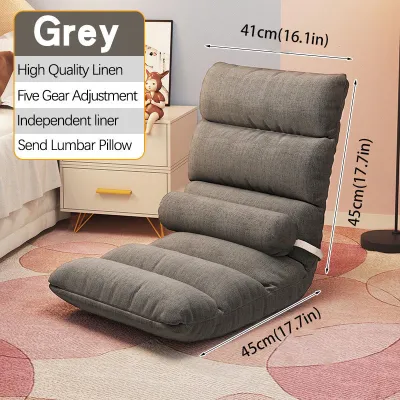
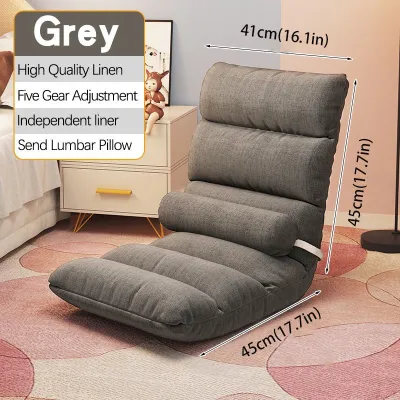
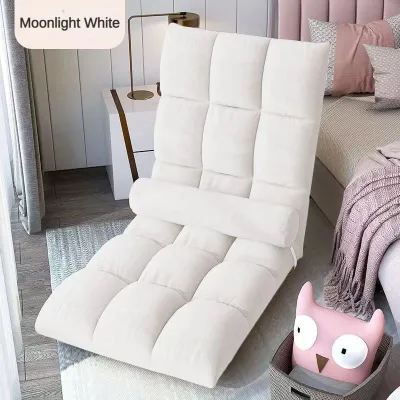
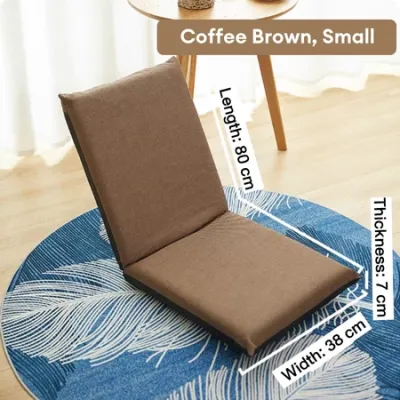
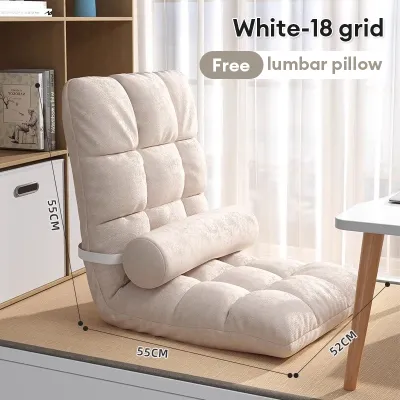
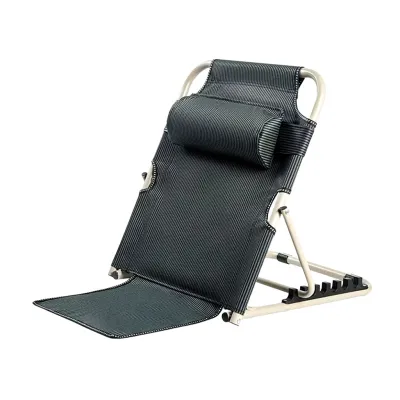
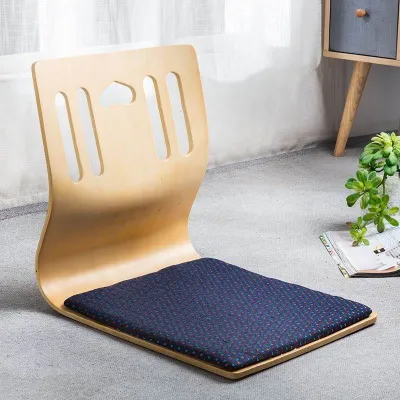
Prices are valid at publication and may change. Please refer to the product page for the latest price.
To find your true net activity space, you must identify the fixed architectural obstacles typical of modern Philippine condos. Sliding glass doors leading to a balcony, kitchen island overhangs, structural pillars, and built-in cabinets all dictate how traffic flows through the room. If you place a chair too close to a balcony track, you risk blocking the doorway or exposing the furniture to sudden rain showers. Similarly, placing a seat too close to a kitchen counter can interfere with meal preparation and cabinet access.
Calculating your net usable floor area involves measuring the open floor space after subtracting the footprints of permanent furniture like your bed, wardrobe, and dining table. Use a standard measuring tape to map out the remaining open floor. This exercise prevents the common mistake of buying a chair that physically fits on paper but leaves no room for your legs or daily movement.
Defining your primary use case is the final step in layout assessment. If you plan to use the floor chair for daily television viewing or console gaming, you will need a model with robust back support and permanent placement. If the chair is intended as a reading nook by the window or as temporary seating for guests, a lightweight, highly portable design that can be tucked away when not in use is a much more sensible choice.
Ideal Floor Chair Dimensions for Compact Spaces
To maintain a balanced and uncluttered living room, you must choose a floor chair with dimensions that match the scale of your 20 sqm condo. Floor chairs come in various shapes and sizes, each offering different levels of support and occupying different amounts of physical floor space.

Compact and Legless Designs
Compact, legless floor chairs are the most space-efficient options available. These models typically feature a simple L-shaped frame with a width of 45 to 60 cm and a depth of 50 to 55 cm. Because they lack armrests and bulky padding, they have a very small footprint and can easily be tucked into a corner, slid under a bed, or placed next to a low coffee table. They are excellent for quick study sessions, casual laptop work, or as extra seating when friends visit, though they may lack the deep cushioning required for hours of continuous lounging.
Standard Floor Chairs with Backrests
Standard floor chairs with adjustable backrests offer a middle ground between comfort and space economy. These models generally measure 60 to 80 cm in width and 60 to 70 cm in depth when upright. They feature thicker foam padding, built-in lumbar support, and adjustable gear mechanisms that allow you to tilt the backrest to various angles. When shopping, check the manufacturer’s specified load capacity, frame stability, and whether any assembly is required for the internal gear joints to ensure long-term durability.
Reclining and Extended Models
Reclining floor chairs often feature extended leg rests or can unfold completely flat to serve as temporary sleeping mats. When fully extended, these models can reach lengths of 120 to 160 cm, which can easily overwhelm a 20 sqm layout and block vital walkways. If you opt for an extended model, ensure you have a clear, dedicated zone where the chair can expand without obstructing the path to the kitchen, bathroom, or exit doors. These are best suited for multi-functional spaces where other furniture can be easily pushed aside.
Visual Height and Seat Elevation
The physical volume of a chair is not the only factor that affects how large it feels in a room; visual height plays an equally important role. A seat elevation of 5 to 15 cm keeps your body low to the ground, which instantly makes the ceiling feel higher and the room more spacious. Pair this low seat height with a modest backrest height of 40 to 50 cm to ensure sightlines across the condo remain unobstructed. High-backed chairs that stand over 70 cm tall can act as visual barriers, cutting your small living room in half and making it feel boxed in.
Space-Saving Styles and Features for Small Condos
When space is at a premium, the functional features and visual design of your floor chair can make a significant difference in how spacious your condo feels. Look for smart design elements that prioritize multi-functionality and easy storage.
Foldable and Collapsible Mechanisms
The most practical floor chairs for small condos feature foldable or collapsible frames. These chairs utilize internal gear hinges that allow the backrest to fold completely flat against the seat cushion. Once collapsed, the chair’s profile drops to a thickness of just 10 to 20 cm, making it incredibly easy to slide under a raised sofa, tuck inside a wardrobe, or store flat against a wall behind a door. This feature is invaluable in a 20 sqm condo, allowing you to reclaim valuable floor space in a matter of seconds.
Stackable Options
If you frequently host guests but do not want your living room permanently cluttered with seating, look into stackable floor chairs. Often designed with lightweight wooden frames or molded plastic bases, these chairs can be stacked vertically in a corner when the gathering is over. This vertical storage method utilizes unused wall space rather than consuming precious floor area, keeping your main living zone clear for daily activities.
Armless vs. Armrest Configurations
Choosing between an armless chair and one with armrests is a trade-off between spatial efficiency and personal comfort. Armless designs are highly recommended for tight spaces because they allow you to slide into the seat from any angle, making them easier to use in cramped corners. They also have a narrower overall width. Chairs with armrests provide superior upper-body support and a more traditional armchair feel, but the armrests add 10 to 20 cm of width and can make the chair more difficult to store or maneuver in tight spaces.
Visual Weight and Materials
To keep your 20 sqm living room feeling bright and open, select floor chairs with low visual weight. This means choosing upholstery in light, neutral tones such as beige, cream, soft gray, or pastel shades that blend seamlessly with your walls and floors. Heavy, dark fabrics or bulky leather finishes can absorb light and make the seating area look dense and imposing. Additionally, prioritize breathable fabric covers like cotton-polyester blends or linen-look synthetics, which are highly suited for tropical climates and feel much cooler against the skin.
Measuring and Planning Your Floor Seating Zone
A successful floor seating arrangement relies on precise measurements and careful layout planning. Even the most stylish floor chair will become a nuisance if it constantly blocks your path or clashes with your existing furniture.
First, measure your designated floor zone and establish clear boundaries for traffic. You should maintain a minimum of 60 cm of clear walkway space around your seating area to allow for comfortable movement. If you must squeeze past the floor chair to reach the kitchen or bathroom, the layout is too tight, and you should consider a more compact model or a different placement.
Next, coordinate the height of your floor chair with your existing low-profile furniture. An ergonomic floor seating setup requires a low coffee table, ideally standing between 30 and 40 cm high, to ensure you can reach drinks or books comfortably without straining your back. If your television is mounted on the wall, ensure it is angled downward or positioned lower to match your new eye level, preventing neck fatigue during long viewing sessions.
Before making a purchase, check all potential structural interferences in the immediate area. Open your wardrobe doors, swing the main entryway door, slide the balcony screen, and open lower kitchen cabinets to ensure the floor chair’s footprint does not block these movements. A chair that prevents a cabinet door from opening fully will quickly become an daily frustration.
To visualize the scale of the chair before it arrives, use painter’s tape or lay down newspapers on the floor to outline the exact dimensions of the model you plan to buy. Leave this mockup on the floor for a day or two and walk around it as you go about your daily routine. This simple step allows you to test the traffic flow and confirm whether the chair’s size is truly compatible with your lifestyle and space.
Common Sizing and Placement Mistakes to Avoid
Decorating a small space is a game of inches, and a single oversight can make your condo feel cramped and uncomfortable. Avoiding these common sizing and placement mistakes will help you create a harmonious and functional layout.
One frequent error is choosing a floor chair with a backrest that is too tall or bulky. While a high backrest offers excellent head support, it can block natural light from your windows and interrupt sightlines across your open-plan condo. This visual obstruction makes the entire 20 sqm space feel significantly smaller and more enclosed than it actually is.
Another common mistake is ignoring floor protection. Many floor chairs feature internal metal frames that can press against the bottom fabric when weight is applied. If used directly on smooth ceramic tiles, polished concrete, or laminate wood floors common in Philippine condos, the chair can easily slide around or cause permanent scratches. Always verify that the chair base has a non-slip, protective cover, or place the chair on a soft area rug to protect your flooring and keep the seat securely in place.
Placing your floor chair in direct sunlight or directly beneath an air conditioning unit can also lead to problems. Intense tropical sunlight streaming through condo windows can prematurely fade upholstery fabrics and degrade internal foam. Meanwhile, placing the chair directly under an AC vent exposes it to potential condensation drips and cold drafts, which can encourage mold growth in humid conditions and make sitting uncomfortable.
Finally, avoid buying bulky, non-collapsible floor chairs for multi-purpose spaces. If your living room also serves as your home office and workout space, a rigid, heavy chair will constantly get in the way. Opt instead for lightweight, highly flexible models that can adapt to your changing daily needs.
Frequently Asked Questions (FAQ)
Can I use a floor chair directly on tiled or hardwood floors?
Yes, you can use a floor chair directly on hard surfaces, but doing so may compromise both comfort and safety. Hard tile or wood floors do not offer any shock absorption, which can make prolonged sitting uncomfortable even with a padded chair. To improve comfort and prevent the chair from sliding or scratching your floors, check the bottom of the chair for non-slip pads. Placing a thick area rug or a low-profile woven mat underneath the chair is highly recommended to provide extra cushioning and thermal insulation from cold tiles.
How do I maintain a fabric floor chair in a humid climate?
Maintaining fabric furniture in the humid tropical climate of the Philippines requires regular care to prevent mold, mildew, and musty odors. Ensure your living room is well-ventilated by opening windows when weather permits or running a ceiling fan to keep air moving. Avoid placing the floor chair in damp, dark corners or directly against exterior walls where moisture can accumulate. Perform routine maintenance by vacuuming the fabric weekly to remove dust and skin flakes, and spot-clean spills immediately with a mild fabric cleaner. If your condo is prone to high humidity, running a dehumidifier or choosing a floor chair with a removable, washable cover made from moisture-resistant synthetic fibers will make maintenance much easier.

Community discussion
Share your experience or ask a question. Comments are reviewed before publication.