
Maximizing a compact condominium bedroom in the Philippines requires balancing daytime floor space with nighttime comfort. When square footage is limited, a traditional fixed bed frame can dominate the entire room, leaving little to no space for wardrobes, desks, or movement. Foldable beds offer a practical solution by reclaiming valuable floor area when the bed is not in use, but finding the right option depends heavily on your specific condo layout, structural limitations, and daily routine.
In high-density urban developments across Metro Manila and other major cities, studio and one-bedroom units often range from 20 to 35 square meters. In these compact environments, furniture must perform double duty or disappear entirely when not needed. Selecting the ideal foldable bed is not just about finding a comfortable mattress; it requires a careful evaluation of your condo’s wall strength, floor space, and your willingness to assemble or fold the bed every day.
Key Factors to Consider Before Buying a Foldable Bed
Before purchasing any space-saving bed, you must assess the physical and structural realities of your condominium unit. The most critical factor for wall-mounted or Murphy-style beds is the structural integrity of your walls. Many modern Philippine condos utilize lightweight gypsum board, fiber cement board, or light-gauge steel studs for interior partition walls. These materials cannot safely support the immense leverage and weight of a wall-mounted bed; anchoring a heavy frame into them can lead to catastrophic wall failure. You must verify if your target wall is a solid concrete shear wall, a concrete hollow block wall, or if it contains structural concrete columns that can safely receive heavy-duty anchor bolts.
Products mentioned in this guide

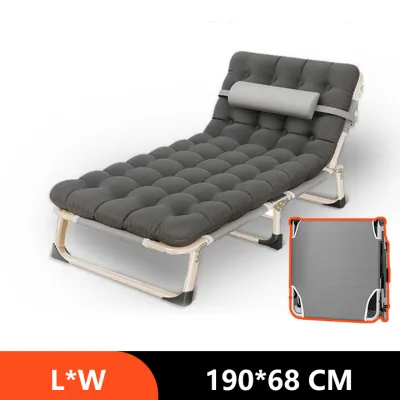
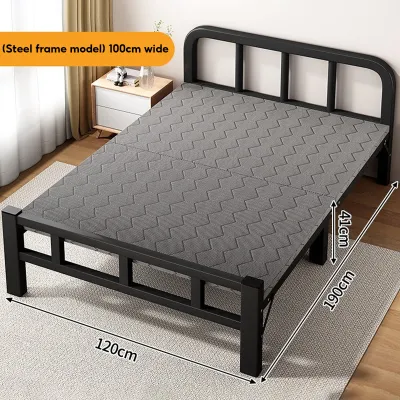
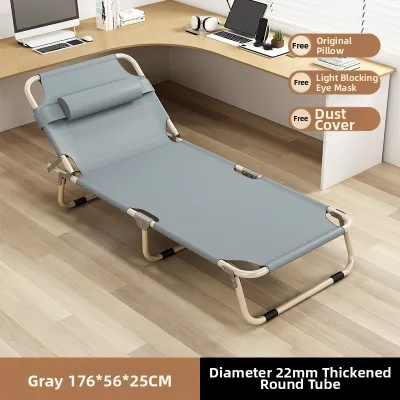

Prices are valid at publication and may change. Please refer to the product page for the latest price.
Ceiling height and floor clearance are equally important. Measure your ceiling height to ensure a vertically folding bed has enough clearance to pivot upward without hitting light fixtures, ceiling fans, or surface-mounted air conditioning units. The floor must also be perfectly level; uneven tiling or warped vinyl planks can cause the folding frame to twist during deployment, putting uneven stress on the hinges and leading to premature mechanical wear.
Always check the manufacturer’s product label for weight capacity limits and mattress thickness compatibility. The weight limit must accommodate the combined weight of the frame, the mattress, and the sleepers. Exceeding these limits compromises safety and voids warranties. Furthermore, foldable beds have strict limits on mattress thickness and weight; a mattress that is too thick or heavy will prevent the folding mechanism from closing fully, potentially damaging the locking latches or gas pistons.
Do not overlook the logistics of delivery and assembly. Condo living involves navigating tight hallways, small elevators, and sharp stairwell turns. Before ordering, measure the elevator door clearance, cabin height, and your unit’s entryway. Many high-quality foldable beds are delivered in large, heavy flat packs that require professional assembly, so ensure your building’s administration allows delivery and construction during your planned hours.
Finally, evaluate the daily operational effort required. A bed that is difficult to fold or requires moving multiple pieces of heavy furniture every morning will likely end up left open permanently, defeating its space-saving purpose. Look for counterbalanced systems, such as gas-spring pistons or spring-loaded mechanisms, which reduce the physical lifting force required to a fraction of the bed’s actual weight.
Top Foldable Bed Types for Small Condo Bedrooms
To help you navigate the diverse options available on the market, it is helpful to compare the primary categories of foldable beds. Each type offers distinct advantages depending on whether you need a primary bed for daily use or an occasional sleeping surface for guests.

| Bed Type | Space Footprint | Setup Effort | Storage Requirements | Ideal User Profile |
|---|---|---|---|---|
| Wall-Mounted (Murphy) | Minimal (Vertical) | Low (Piston-assisted) | Integrated Wall Cabinet | Daily sleepers in studio units |
| Sofa Bed / Futon | Moderate (Dual-use) | Medium (Manual fold) | None (Stays in room) | Multi-use living/sleeping spaces |
| Rollaway / Trundle | Moderate (Portable) | Low (Roll and unfold) | Closet or under-bed space | Occasional overnight guests |
| Tri-Fold Floor Mattress | Minimal (Foldable) | Low (Manual unfold) | Closet or corner storage | Budget-conscious or temporary use |
When evaluating these options, always inspect the product label or specifications for the quality of the frame connection structures and joint mechanisms. Look for reinforced steel frames with powder-coated finishes to resist rust in humid tropical climates, and avoid thin-walled aluminum or plastic joints that can crack under repeated stress.
Wall-Mounted and Murphy Beds
Wall-mounted beds, commonly known as Murphy beds, fold vertically or horizontally against the wall inside a dedicated cabinet. This design provides the most dramatic space-saving effect, completely freeing up the floor during the day for activities or home office setups. However, they require secure anchoring into solid concrete or structural studs, making them difficult to install in rented condos where drilling deep anchor bolts is often prohibited by lease agreements or building regulations.
When planning for a Murphy bed, you must calculate the exact clearance needed for the bed to pivot down safely. The deployment path must be completely clear of light switches, wall outlets, and low-hanging light fixtures. Additionally, ensure there is enough clearance on either side of the bed when deployed so you do not have to climb over the foot of the bed to get in and out.
Sofa Beds and Futons
Sofa beds and futons serve as comfortable seating during the day and transform into a bed at night, making them ideal for studio apartments or living rooms that double as guest spaces. The primary trade-off with this type is the compromise between seating comfort and sleeping support. Sofa beds often have deep seats that can feel awkward for upright sitting, while the sleeping surface may feature uncomfortable gaps, metal bars, or uneven cushioning.
To ensure longevity, check the smoothness of the conversion mechanism. Look for heavy-duty steel linkages that glide without catching or requiring excessive force. The upholstery fabric should be highly durable and breathable; synthetic blends or treated canvas are excellent choices for the warm, humid climate of the Philippines, as they resist moisture absorption and are easier to clean than delicate natural fibers.
Rollaway and Trundle Beds
Rollaway beds feature a folding metal frame on wheels that can be rolled into a closet or utility room when not in use. Trundle beds, on the other hand, are low-profile beds on casters that slide completely underneath a primary daybed or standard bed frame. Both options are excellent for hosting occasional guests without permanently sacrificing floor space.
When choosing a rollaway or trundle bed, pay close attention to the wheel locking mechanisms and the wheel material. Cheap, hard plastic casters can easily scratch vinyl, laminate, or polished wood flooring under the weight of a sleeper. Opt for rubberized or polyurethane wheels with reliable, independent locks to prevent the bed from shifting or rolling when you move. For trundle beds, measure the vertical clearance under your primary bed frame to ensure the trundle mattress fits comfortably without scraping.
Folding Floor Mattresses and Tri-Fold Beds
Tri-fold floor mattresses are lightweight, non-mechanical options that can be quickly unfolded directly onto the floor and folded back into a compact block for storage in a closet or corner. They are highly affordable and versatile, but they require careful maintenance in tropical environments. Laying a mattress directly on the floor traps body heat and moisture, creating a breeding ground for mold, mildew, and dust mites.
To prevent hygiene issues, you must establish a routine of lifting and airing out the mattress daily. Using a low-profile slatted wooden base underneath the mattress can provide necessary ventilation while keeping it off the cold floor. When purchasing, check the foam density specifications on the product label; low-density foam will compress completely under adult body weight, leading to poor spinal alignment and discomfort, so prioritize high-density polyurethane or latex foam cores.
How to Measure Your Condo Space for a Foldable Bed
Accurate measurement is the single most important step in choosing a foldable bed that fits seamlessly into your condo. Begin by mapping out the “deployment zone,” which is the entire floor area the bed occupies when fully opened. Use painter’s tape to outline the bed’s fully expanded dimensions on your bedroom floor. This visual guide allows you to check if the open bed will block wardrobe doors, bathroom entryways, or the main bedroom door. You must maintain a clear walking path of at least 50 to 60 centimeters around the sides and foot of the bed to ensure safe and comfortable movement at night.
Next, inspect the wall where you plan to place or anchor the bed. Measure the thickness of your baseboards; wall-mounted beds must sit completely flush against the wall for structural safety, so you may need to notch the bed’s cabinet or choose a model with a built-in baseboard cutout. Take note of the locations of electrical outlets, light switches, and air conditioning controls. A wall bed cabinet can easily block access to these essential fixtures, requiring you to reroute wiring or lose the use of those outlets entirely.
Finally, calculate the total footprint of the bed in both its stored and expanded states. Compare these figures to your total room area to understand exactly how much floor space you will reclaim during the day. This calculation helps justify the investment in more complex folding mechanisms, especially in ultra-compact rooms where reclaiming two square meters of floor space can transform the room’s usability.
Safety, Stability, and Maintenance Checks
Ensuring the long-term safety and stability of a foldable bed requires regular inspection and proactive maintenance. During the initial setup, carefully inspect all locking pins, safety straps, hinges, and gas pistons. Gas-spring pistons are under high tension and must be installed exactly according to the manufacturer’s instructions to prevent sudden, forceful deployment. Ensure all safety latches click securely into place when the bed is closed; a failing latch on a vertical wall bed poses a serious tip-over hazard.
As you use the bed, listen for any new squeaks, creaks, or grinding noises. These sounds are early indicators of loose hardware, dry joints, or structural misalignment. Periodically check the frame for warping and ensure all legs make firm, even contact with the floor. If one leg is hovering or uneven, the frame is twisting under load, which will rapidly fatigue the metal joints and lead to structural failure.
Establish a routine maintenance schedule every six months. Tighten all structural bolts and screws, as the repeated motion of folding and unfolding naturally loosens hardware over time. Lubricate moving metal joints and hinges with a light silicone spray or machine oil, following the manufacturer’s specific care guidelines. Keep the folding mechanisms clean and free of dust, pet hair, and lint, which can accumulate in the hinges and cause grinding or sticking.
Knowing when to stop using the bed is critical for your safety. If you observe cracked welds on the metal frame, bent structural bars, stripped screw holes, or a noticeable loss of tension in the gas pistons, cease using the bed immediately. Do not attempt to repair high-tension springs or hydraulic pistons yourself, as sudden release can cause severe injury. Instead, contact the manufacturer or a qualified professional technician to source and install authorized replacement parts.
Frequently Asked Questions (FAQ)
Can I install a Murphy bed in a rented condo?
Installing a traditional wall-mounted Murphy bed in a rented condo usually requires written permission from your landlord and approval from the building’s administration, as it involves drilling deep anchor bolts into structural concrete. If your lease prohibits structural modifications, look for freestanding Murphy bed alternatives. These units are designed as heavy, self-supporting cabinets or wardrobes that do not require wall anchoring, allowing you to take the bed with you when you move out.
Do foldable beds require a special type of mattress?
Yes, foldable beds have specific mattress requirements to ensure the mechanism functions correctly and safely. Standard thick innerspring mattresses are generally unsuitable because they cannot bend repeatedly without damaging the internal coils, and they are often too heavy for counterbalanced lifting systems. You should check the manufacturer’s specifications for maximum mattress thickness—typically between 15 and 25 centimeters—and choose a flexible, high-density foam or latex mattress that can withstand vertical storage without sagging.
How do I prevent mold under a folding floor mattress?
To prevent mold and mildew in the humid Philippine climate, you must avoid leaving a folding floor mattress flat on the floor for extended periods. Lift and air out the mattress at least once a week, placing it in a well-ventilated area or near a window to dry out accumulated body moisture. Using a slatted wooden floor grid underneath the mattress creates a vital air gap, while running a dehumidifier or air conditioner in your condo helps maintain optimal indoor humidity levels.
Community discussion
Share your experience or ask a question. Comments are reviewed before publication.