
Finding the right workspace solution in a compact Philippine condominium requires balancing spatial efficiency, structural stability, and tropical durability. When floor space is limited to a studio or a cozy one-bedroom layout, a traditional, bulky office desk is rarely a practical option. A high-quality foldable laptop desk offers the flexibility to establish a productive home office during the day and reclaim your living area once the work hours are over.
Selecting the ideal folding desk is not just about picking an attractive design; it is about matching the physical dimensions of the piece to the specific layout constraints of your unit. Because condo spaces in major metropolitan areas like Metro Manila and Cebu often feature tight corners and multi-functional zones, your desk must be easy to deploy, simple to store, and sturdy enough to handle daily typing pressure. By understanding how to measure your space, evaluate structural materials, and choose the right style for your working posture, you can create a comfortable work-from-home setup that preserves the openness of your living environment.
How to Measure Your Condo Space for a Foldable Desk
Before browsing online marketplaces or local furniture showrooms, you must take precise measurements of your designated work area. Many buyers make the mistake of measuring only the wall space where they plan to place the desk, ignoring the dynamic footprint required when the desk is fully unfolded and in active use. To avoid a cramped and uncomfortable setup, measure the complete width and depth of the floor area the desk will occupy when its legs are fully extended.
Products mentioned in this guide

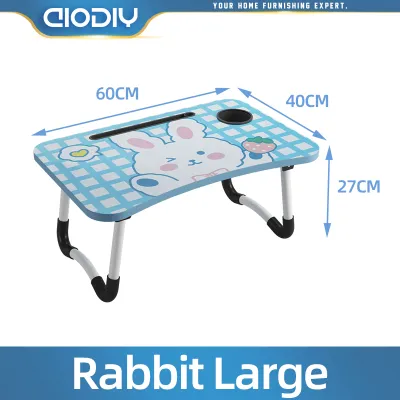
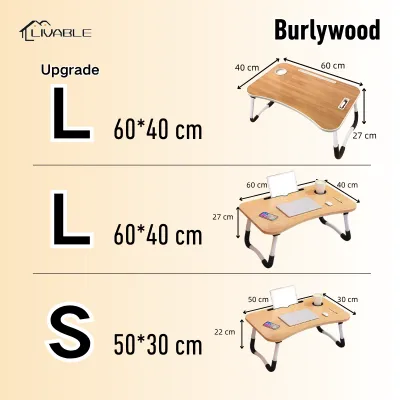
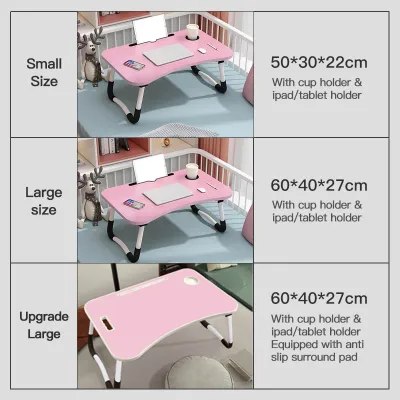
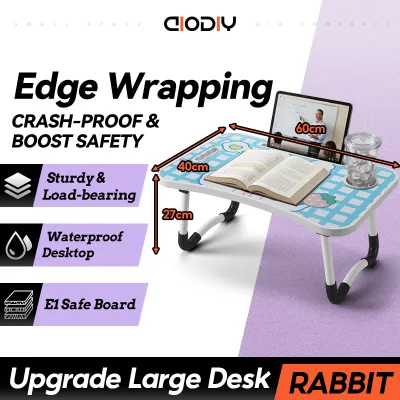

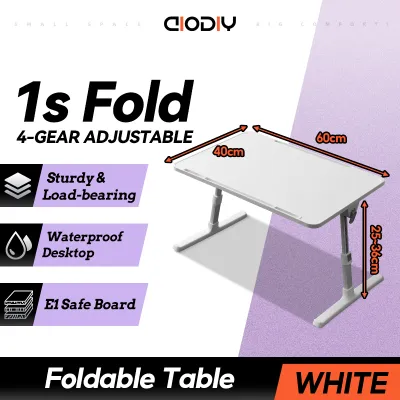
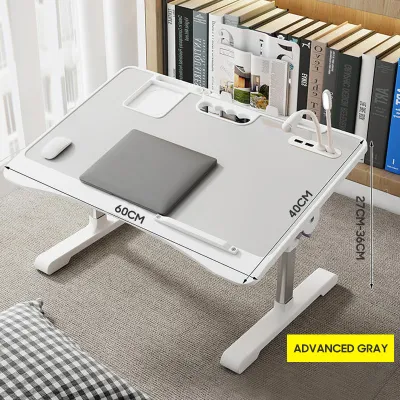
Prices are valid at publication and may change. Please refer to the product page for the latest price.
In addition to the desk’s physical footprint, you must account for chair clearance. A standard office chair or ergonomic stool typically requires an additional 60 to 90 centimeters of clearance behind the desk to allow you to sit down, push back, and stand up comfortably. If your workspace sits in a high-traffic area, such as a hallway or the space between your kitchen and living room, ensure that this extended footprint does not block primary walking paths, wardrobe doors, or access to your balcony.
Another critical but frequently overlooked step is verifying delivery access. Many high-rise condominium developments have strict rules regarding elevator usage, and some older buildings may only have narrow stairwells. Measure your condo unit’s main doorway, interior doors, and any tight hallway corners to ensure that the packaged desk can be delivered safely without damaging your walls or the product itself. If the desk arrives fully assembled, these entry point dimensions are even more critical.
Finally, if you are considering a wall-mounted foldable desk, you must identify the construction of your walls. Most modern high-rise condos in the Philippines utilize solid concrete shear walls or precast concrete panels for structural integrity, while interior partition walls are often made of lightweight gypsum board or fiber cement board. Drilling into solid concrete requires a high-powered hammer drill and heavy-duty masonry anchors, whereas mounting on drywall requires locating structural studs or using specialized hollow-wall anchors. Understanding your wall type beforehand ensures you purchase the correct installation hardware and avoid damaging your unit’s structure.
Key Dimensions and Features for Compact Condo Rooms
When evaluating different foldable laptop desks, specific structural dimensions and material features dictate how well the furniture will perform in a compact living space. The desktop surface area must strike a careful balance between utility and spatial economy. For a standard remote work setup consisting of a laptop, an external mouse, and a notebook, a desktop width of 60 to 80 centimeters and a depth of 40 to 50 centimeters is generally ideal. Anything smaller will feel restricted, while anything larger will unnecessarily dominate your limited floor space.

The folded thickness, or storage profile, determines how easily the desk can be hidden away when your workday ends. If you intend to slide the desk under a low bed frame, behind a wardrobe, or inside a narrow utility closet, look for models that fold down to a thickness of 10 centimeters or less. Some ultra-slim designs collapse to just 5 centimeters, making them virtually invisible when tucked away against a wall or behind a sofa.
Weight capacity and structural stability are vital for preventing frustrating desk wobble while you type. Lightweight folding desks are highly portable, but they can easily vibrate or shake under the weight of a laptop and the physical pressure of your wrists. Check the manufacturer’s technical specifications for the maximum weight limit, aiming for a capacity of at least 15 to 20 kilograms to ensure the frame can support your devices and any additional accessories. Look for structural reinforcements such as triangular bracing, locking steel hinges, or safety pins that secure the legs firmly in place when the desk is open.
In the tropical climate of the Philippines, where indoor humidity levels can rise significantly during the rainy season, the material composition of your desk is crucial for long-term durability. Rather than assuming that generic wood or metal labels guarantee quality, check the manufacturer’s care instructions and material finishes. Untreated particle board or low-grade medium-density fiberboard (MDF) can absorb moisture from the air, leading to swelling, warping, or mold growth. Look for desks constructed with moisture-resistant melamine coatings, high-pressure laminates, or powder-coated steel frames that resist rust and are easy to wipe clean with a dry microfiber cloth.
Matching Desk Types to Your Room Layout and Posture
Foldable laptop desks generally fall into three distinct categories, each suited to different condo layouts, lease agreements, and personal working preferences. Selecting the right type depends on whether you rent or own your unit, how often you plan to move the desk, and where you feel most comfortable working.
Freestanding Folding Desks
These portable desks feature folding legs—often utilizing X-frame, Z-frame, or gateleg configurations—that allow the entire structure to collapse flat. They are highly recommended for renters who are prohibited from drilling holes into the walls, as well as those who prefer a highly flexible layout. You can easily set up a freestanding desk near a window to enjoy natural light during the morning, and then fold it up and store it away in the evening.
- Leg Clearance: Always check the placement of any lower crossbars or diagonal support beams. Some X-frame designs can restrict your leg movement or prevent you from pulling your chair fully under the desk, which can lead to poor posture and back strain.
- Floor Protection: Ensure the bottom of the metal legs features non-slip rubber caps or adjustable leveling feet to protect your condo's vinyl planks or ceramic tiles from unsightly scratches.
Wall-Mounted Drop-Leaf Desks
Wall-mounted desks are anchored directly to the wall and feature a hinged desktop surface that folds down flat against the wall when not in use. This style is the ultimate space-saving solution for studio apartments because it completely eliminates the need for floor-standing legs. It allows you to establish a permanent, dedicated work zone that takes up zero floor space when closed.
- Installation Requirements: Because these desks rely entirely on the wall for structural support, they must be mounted securely. You must verify your condo administration's guidelines regarding drilling into structural walls, and always use high-quality masonry wall plugs if mounting on concrete.
- Load Distribution: Ensure that the wall anchors and brackets are rated to handle both the weight of the desk and the downward pressure applied when you rest your arms on the surface.
Lap Desks and Over-Bed Tables
Lap desks and mobile over-bed tables are ultra-compact options designed for those who prefer to work from a bed, a sofa, or a balcony lounge chair. These models do not require dedicated floor space or wall installation, making them highly convenient for casual work sessions or quick evening tasks.
- Base Stability: If choosing an over-bed table with wheels, ensure the casters feature reliable locking mechanisms to prevent the table from rolling away as you type. For lap desks, look for a contoured base with breathable cushioning to prevent heat transfer from your laptop to your lap.
- Angle Adjustment: Many premium lap desks offer adjustable tilting angles and a built-in stopper ledge to keep your laptop secure, which helps maintain a more ergonomic neck angle while working from a soft surface.
Common Sizing and Placement Mistakes to Avoid
When setting up a home office in a limited space, small oversights in planning can lead to daily frustration. One of the most common mistakes is ignoring the unfolded depth of the desk. A buyer might find a desk that fits perfectly against a narrow wall segment, only to realize that once they sit down, their office chair blocks the main pathway to the bathroom or prevents the wardrobe doors from opening. Always visualize the entire working zone, including your body and chair, before making a final decision.
Another frequent issue is overlooking the placement of power outlets. Placing your foldable desk far from an electrical socket forces you to run extension cords across your living space. In a compact condo, loose cables on the floor are not only unsightly but also present a major tripping hazard. Try to position your desk within easy reach of an outlet, or invest in cable management wraps to keep cords neatly secured along the base of the desk or wall.
In a tropical environment, blocking air conditioning airflow or window access can severely impact your comfort. Placing a tall folding desk or setting up your workspace directly beneath a split-type air conditioner can disrupt the room’s air circulation, making the space feel stuffy. Furthermore, blocking windows reduces the amount of natural light entering your unit and can restrict ventilation if you prefer to open the windows during cooler evenings. Keep your workspace clear of major ventilation pathways to maintain a fresh, comfortable indoor climate.
Finally, avoid assuming that all foldable desks are lightweight and easy to handle. Some sturdy models utilize heavy steel frames and thick engineered wood tops, resulting in a total weight of 15 kilograms or more. If you have to lift, fold, and carry a heavy desk every single day, the physical effort may quickly discourage you from storing it away. If you plan to fold the desk daily, prioritize lightweight aluminum frames or models equipped with built-in transport wheels.
Smart Buying and Delivery Inspection Tips
When purchasing a foldable laptop desk from online marketplaces or local furniture retailers, taking a few precautionary steps can save you time and money. Always read verified buyer reviews, paying close attention to feedback regarding long-term stability, hinge durability, and whether the actual dimensions of the received product match the seller’s online description. Look for reviews written by other condo dwellers, as they often share helpful photos of the desk set up in real, compact spaces.
Because furniture is bulky and expensive to ship, check the seller’s return policy before finalizing your order. Returning a heavy item due to a change of mind can incur high shipping fees, so ensure you are fully satisfied with the specifications before purchasing. Look for sellers that offer clear warranties or return guarantees for manufacturing defects or transit damage.
Upon delivery, perform a thorough inspection before assembling or mounting the desk. Unbox the item carefully and check the following key areas:
- Hinges and Joints: Open and close the folding mechanisms multiple times to ensure they operate smoothly without catching, squeaking, or sticking.
- Locking Pins and Brackets: Verify that all safety locks, pins, and tension brackets engage securely and do not slip under light downward pressure.
- Surface Finish: Inspect the edges of the desktop for any chipped laminate, cracks, or peeling PVC edge banding, as these openings can allow moisture to penetrate the inner core and cause swelling over time.
Once you have verified that all components are in perfect condition, place the desk in its intended spot and test it on your floor. If your condo’s tiles or vinyl planks are slightly uneven, use the adjustable leveling feet on the bottom of the desk legs to eliminate any wobble. Taking the time to measure, select, and inspect your foldable desk ensures you enjoy a stable, space-saving workspace that enhances both your productivity and your condo living experience.
Community discussion
Share your experience or ask a question. Comments are reviewed before publication.