
Finding the right shoes cabinet storage foldable system is crucial when managing a small bedroom, especially in highly dense urban areas across the Philippines where condo units and studio apartments offer limited floor space. A quality foldable shoe organizer maximizes vertical storage, keeps your footwear organized, and can be easily packed away or relocated when necessary. The ideal solution must balance a compact footprint, ease of assembly, structural stability, and sufficient ventilation to withstand the country’s year-round tropical humidity.
By opting for a foldable design rather than a bulky, permanent wooden wardrobe, you retain the flexibility to reconfigure your room layout at a moment’s notice. This guide outlines the essential factors to consider when choosing a foldable shoe cabinet, evaluates the most effective designs for tight spaces, and provides practical maintenance strategies to protect your footwear from moisture and mold.
Key Selection Criteria for Small Bedroom Shoe Storage
Selecting a foldable shoe cabinet requires careful planning to ensure the unit fits your physical space and meets your practical storage needs. Before purchasing any model, take the time to evaluate several critical structural and environmental factors.
Products mentioned in this guide
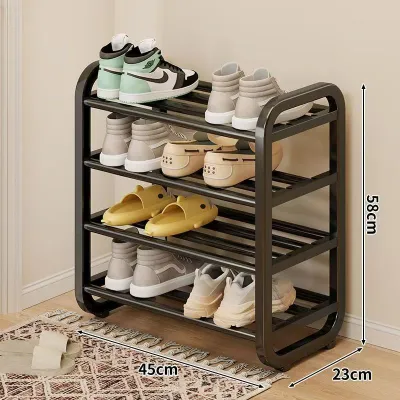
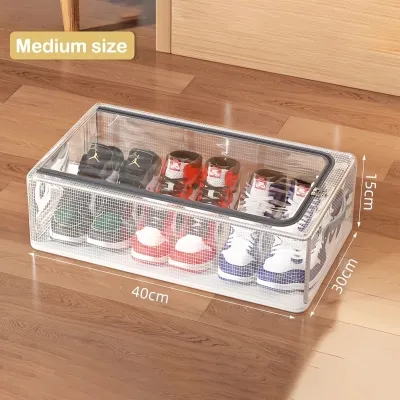
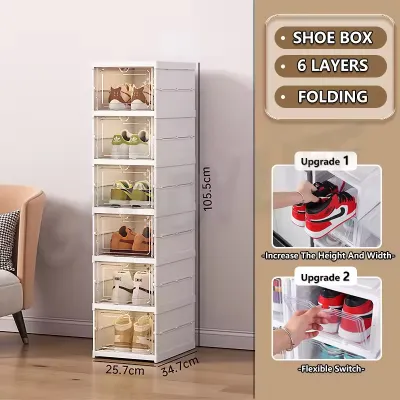
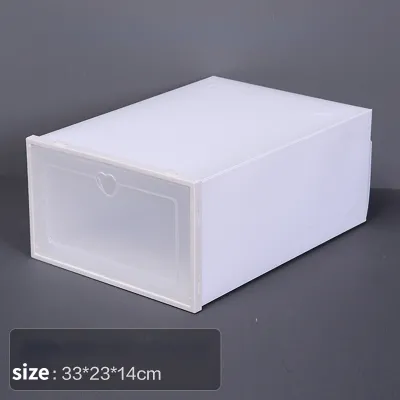
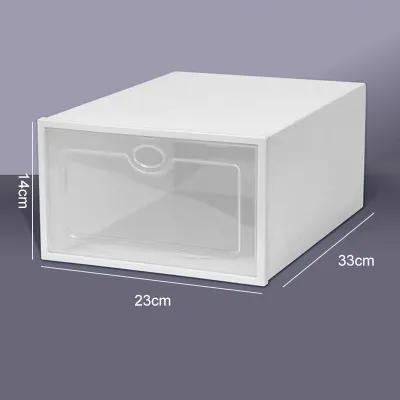
Prices are valid at publication and may change. Please refer to the product page for the latest price.
Measuring Floor Space and Clearance
Always start by measuring the exact footprint where you plan to place the cabinet. In compact bedrooms, every centimeter counts, so you must account for door swings, wardrobe openings, and walking paths.
- Depth Checks: Standard adult shoes require a cabinet depth of at least 30 to 35 centimeters. If the cabinet is too shallow, your shoes will protrude, preventing doors from closing or blocking narrow pathways between your bed and the wall.
- Height and Vertical Space: Look upward to maximize your storage. If your floor area is restricted, a taller, narrower multi-tier unit utilizes dead vertical space efficiently without encroaching on your walking area.
- Doorway and Access Widths: Measure your bedroom doorway and any narrow corridors. Even though these units fold, some models feature rigid top panels or pre-assembled metal frames that require sufficient clearance to carry into the room.
Evaluating Folding Mechanisms
Foldable furniture relies on integrated joints to collapse and expand. Understanding the mechanics of these systems helps you choose a durable unit that will not fail after repeated use.
- Tool-Free Pop-Up Frames: These designs utilize an accordion-style expansion system. They are highly reliable because they feature fewer complex moving parts. You simply pull the frame upward, and the shelves lock into place automatically, making them ideal for quick setups.
- Hinge-Based Systems: Some cabinets use plastic or metal hinges to fold individual shelves flat. While these offer a highly compact collapsed state, cheap plastic hinges can become brittle over time in warm climates, increasing the risk of snapping under pressure.
- Joint Materials: Inspect the connection points. Look for units that use thick polypropylene (PP) or ABS plastic joints, or reinforced metal rivets. Avoid models with thin, brittle plastic connectors that warp easily.
Weight Capacity and Structural Stability
A fully loaded shoe cabinet carries a surprising amount of weight. A single pair of heavy leather shoes or thick-soled sneakers can weigh up to one kilogram, meaning a 15-pair cabinet must support at least 15 kilograms of constant load.
- Load Capacity per Tier: Verify the manufacturer's specified weight limit per shelf. Budget models with fabric shelves or thin plastic rods may sag or bend under heavy footwear.
- Lateral Stability: Foldable units inherently have more joint play than solid, fixed furniture. Check if the design includes cross-bracing, tension bars, or a solid back panel to prevent the cabinet from swaying from side to side.
- Base Footprint: A tall, narrow cabinet can become top-heavy. Ensure the base is wide and stable. To prevent tipping, always place your heaviest shoes on the bottom shelves to lower the center of gravity.
Ventilation and Airflow Needs
In the humid Philippine climate, ventilation is not a luxury—it is a necessity for preserving your footwear. Trapped moisture from sweat or rain can quickly ruin shoe materials.
- Open-Tier Designs: Racks with slatted shelves or open wire mesh allow maximum air circulation. This helps damp shoes dry quickly and prevents the buildup of unpleasant odors.
- Enclosed Cabinets: If you prefer an enclosed cabinet to keep your shoes out of sight, ensure it features ventilation holes, louvers, or breathable mesh backings. Avoid completely sealed plastic boxes unless you plan to use active moisture absorbers inside them.
Selecting the Best Shoes Cabinet Storage Foldable Designs for Compact Spaces
Different room layouts and shoe collections require distinct storage designs. Evaluating the three primary foldable configurations will help you choose the style that best fits your bedroom.

Multi-Tier Fabric and Steel Frame Foldable Racks
These racks consist of a lightweight steel tube skeleton that supports non-woven fabric shelves or a full fabric cover. They are highly popular due to their affordability, lightweight construction, and excellent breathability.
- Ideal Footwear: This design is exceptionally suited for everyday sneakers, flats, step-ins, and sandals. The open structure allows quick access and constant airflow, which is perfect for shoes worn daily.
- Material Verification: Do not rely on material names alone to guarantee durability. Check the thickness of the steel tubes; look for diameters of at least 12mm to 16mm. Ensure the fabric shelves are made of high-density, tear-resistant non-woven fabric, preferably with a waterproof coating that prevents dirt and moisture from soaking through.
- Limitations: These lightweight frames are not built for heavy work boots or heavy wooden shoe trees. Because they lack solid back panels, they can become unstable if loaded unevenly. Always position these racks flush against a wall to minimize the risk of accidental tipping.
Stackable Foldable Plastic Shoe Boxes
Modular, drop-front plastic boxes offer a highly customizable storage solution. They ship flat and fold out into rigid rectangular boxes that lock together to form a solid storage wall.
- Space Optimization: These boxes allow you to build a custom storage configuration that fits your exact room dimensions. You can stack them vertically in narrow niches, line the bottom of a built-in closet, or build a low, wide credenza underneath a window.
- Interlocking Stability: Look for boxes with deep, secure interlocking grooves or tabs on the top, bottom, and sides. A secure connection prevents the stack from shifting or sliding when you open the front doors. Inspect the hinges on the drop-front doors; reinforced plastic pins are much less likely to break than thin, molded plastic tabs.
- Size Constraints: Standard stackable boxes have strict height limitations. High-top sneakers, basketball shoes, and high heels often will not fit upright. You must either store them on their sides—which reduces the capacity of each box—or search specifically for extra-large or deep-box variants.
Under-Bed or Low-Profile Foldable Organizers
These are soft-sided, multi-compartment fabric containers that slide completely out of sight beneath your bed frame, utilizing space that otherwise goes unused.
- Best Use Cases: These organizers are perfect for seasonal footwear, formal dress shoes, or slippers that you only use occasionally. Storing these pairs under the bed frees up primary walking paths and closet space for your daily footwear.
- Clearance Measurements: Before purchasing, measure the vertical clearance under your bed frame. Be sure to account for low-hanging bed skirts, duvets, or structural center support legs that could obstruct the organizer as you slide it in and out.
- Dust and Moisture Protection: Most under-bed organizers feature zippered clear plastic covers, protecting your shoes from dust bunnies and pet dander. However, because air circulation under a bed is minimal, trapped moisture can quickly lead to mold. Choose organizers made of breathable fabrics, and pull them out regularly to let the contents air out.
Crucial Pre-Purchase Checks for Online Furniture Orders
Buying foldable furniture from online marketplaces requires extra diligence to avoid sizing mismatches, poor structural quality, and difficult return processes.
- Verify Dimensions Against Reality: Online product listings frequently use edited or stylized photos that distort the scale of the furniture, making a small rack look deceptively large. Ignore the visual presentation and focus entirely on the written dimensions. Use masking tape to map out the exact footprint on your bedroom floor before ordering.
- Check the Delivery Package Details: Even though these cabinets are foldable, some models ship in large, semi-assembled flat packs. Verify the packaged dimensions to ensure the box can easily navigate narrow stairwells, tight condominium corridors, and standard bedroom doorways without getting stuck.
- Filter Reviews for Red Flags: When browsing customer feedback, look past the initial star rating. Search the reviews for specific keywords like "hinge," "sagging," "odor," or "missing parts." Pay close attention to reviews written after several months of use, as these provide realistic insights into how the folding joints and fabrics hold up over time.
- Understand the Return Policy: Returning bulky furniture items can be expensive and logistically challenging. Read the seller's return policy carefully. Some e-commerce platforms do not accept returns once the protective wrapping is removed or if the item has been partially assembled. Ensure you know who covers the return shipping costs in case the product arrives damaged or does not match the description.
Maintenance Tips for Tropical and Humid Climates
To prolong the lifespan of your foldable shoe cabinet and protect your footwear from damage, you must actively manage moisture and cleanliness, particularly during the wet monsoon season in the Philippines.
- Ensure Shoes are Completely Dry: Never store damp, wet, or muddy shoes inside your cabinet. If you get caught in a sudden afternoon downpour, allow your footwear to dry completely in a well-ventilated, open area before placing them back in the storage unit. Storing wet shoes in a confined space creates a breeding ground for mold and mildew.
- Optimize Cabinet Placement: Avoid positioning your shoe rack directly under or opposite an air conditioning unit. The constant cycle of cold drafts and warm ambient air can cause plastic joints to become brittle and crack, and it may warp any wooden or composite elements over time. Keep the rack in a spot with stable ambient temperatures and natural cross-ventilation.
- Keep Cleaning Simple and Safe: Wipe down plastic or metal frames with a dry or slightly damp microfiber cloth. Avoid using harsh chemical solvents, bleach, or abrasive scrubs, as these can strip protective coatings, rust metal pipes, and degrade the plastic hinges that allow the cabinet to fold.
- Control Ambient Humidity and Odors: For enclosed foldable boxes or cabinets, moisture management is critical. Place safe, non-toxic silica gel packets or charcoal dehumidifier tubs inside or adjacent to the storage unit. Every few weeks, leave the cabinet doors or covers open for a few hours during a dry, sunny day to allow fresh air to circulate and clear out trapped odors.
Frequently Asked Questions (FAQ)
Can foldable shoe cabinets hold heavy boots or heels?
Most lightweight foldable shoe racks are specifically engineered for lighter footwear like flats, sneakers, and sandals. If you need to store heavy leather boots or structured high heels, check the manufacturer’s specified weight limit per shelf. Look for models featuring reinforced steel frames, thick plastic panels, or rigid support bars rather than basic tension-based fabric shelves to prevent bending or collapse.
How do I prevent mold on fabric shoe racks in humid weather?
To prevent mold on fabric shoe racks in humid conditions, always ensure your footwear is 100% dry before putting it away. Place moisture-absorbing charcoal bags or silica packets on the shelves. Additionally, opt for foldable racks that feature breathable mesh side panels or removable, machine-washable fabric covers, allowing you to wash away accumulated dust and fungal spores easily.
Community discussion
Share your experience or ask a question. Comments are reviewed before publication.