
Finding a balance between space-saving utility and refined design can be challenging when furnishing a modern home. If you are designing around the serene, minimalist principles of Japandi style, the challenge becomes even more specific. You must find a piece of furniture that serves two distinct purposes without looking bulky, mechanical, or out of place.
The best styles for a Japandi living room are those that prioritize low-profile silhouettes, clean geometric lines, natural materials, and highly functional, concealed mechanisms. Selecting a sofa bed foldable model that honors this delicate balance requires looking past pure utility to focus on structural simplicity, organic textures, and muted color palettes. By choosing designs like low-profile wooden futons, streamlined click-clack sofas, or modular floor-level sleepers, you can maintain a calm, uncluttered atmosphere while ensuring your home remains accommodating for overnight guests.
Defining the Japandi Aesthetic for Sofa Beds
Japandi design is a harmonious fusion of two distinct yet deeply compatible design philosophies: Japanese rustic minimalism (wabi-sabi) and Scandinavian functional warmth (hygge). While wabi-sabi emphasizes simplicity, natural materials, and an appreciation for the beauty of imperfection, hygge brings in elements of cozy comfort, practical living, and welcoming warmth. When these two philosophies meet in a single piece of furniture, the result is highly functional, visually quiet, and deeply comfortable.
Products mentioned in this guide
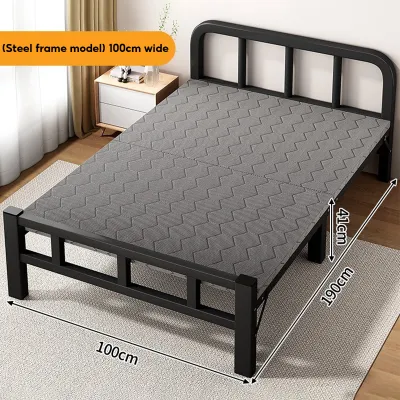
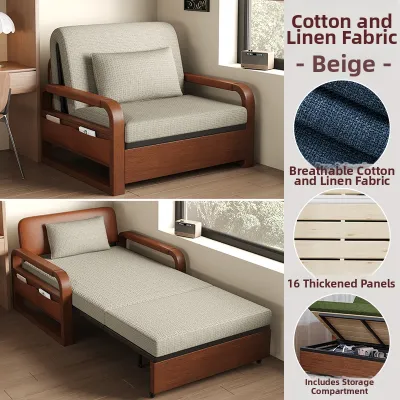
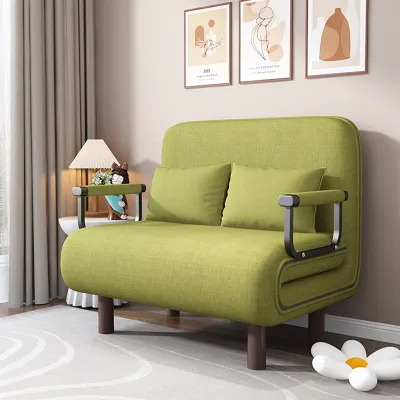
![[AVAILABLE ONHAND] Classic Black Leather Folding Sofa Bed Foldable up to 180 Degree](https://img.lazcdn.com/g/p/56577d29f132e6501a5ea4451c45d397.jpg_400x400q80.jpg_.webp)
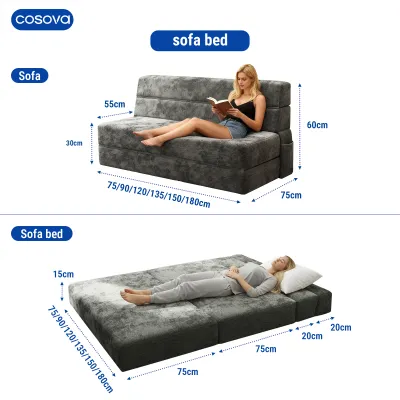

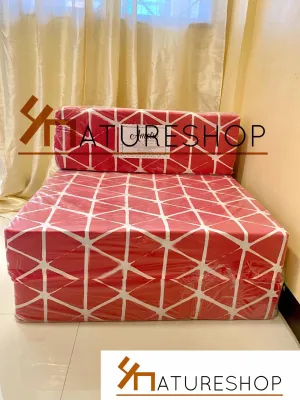

Prices are valid at publication and may change. Please refer to the product page for the latest price.
To identify a sofa bed that fits this aesthetic, look for specific visual markers. The silhouette should be clean and uncluttered, avoiding any unnecessary ornamentation, heavy tufting, or complex decorative details. Grounded, low-profile structures are a hallmark of Japanese interior design, helping to keep the visual weight of the room low and the atmosphere relaxed. The color palette should remain firmly rooted in neutral, earthy tones—such as oatmeal, sand, warm beige, light grey, soft sage, or muted terracotta—which evoke a sense of connection to nature.
The primary challenge with dual-purpose furniture is managing the inherent mechanical bulk of a folding mechanism. Traditional sofa beds often feature thick metal frames, heavy hinges, and protruding levers that disrupt the clean lines required by Japandi design. To balance this, look for pieces where the folding mechanism is cleverly integrated or completely hidden from view. Wooden aprons, clean fabric skirts, or recessed joint systems can mask the hardware, ensuring the sofa looks like a refined, single-purpose seating option during the day.
Top Sofa Bed Foldable Styles for Japandi Spaces
Choosing the right structural style for your space depends on how you plan to use the room, your comfort preferences, and the specific layout of your home. Several distinct design styles naturally align with Japandi principles, each offering a unique balance of form, function, and structural integrity.

Low-Profile Wooden Frame Futons
Inspired by traditional Japanese floor sleeping, low-profile wooden frame futons are an excellent choice for creating a grounded, organic atmosphere. These designs typically feature a solid wood frame made from light to medium-toned woods, such as rubberwood, ash, or beech, with visible, clean joinery that celebrates natural craftsmanship. The low center of gravity keeps the entire room feeling spacious and airy, as it preserves low sightlines and allows natural light to flow uninterrupted across the space.
However, this low-profile design comes with specific physical considerations. The low seating height can make getting in and out of the sofa challenging for elderly family members or individuals with knee and mobility issues. Additionally, because the frame sits close to the floor, it is vital to check the structural stability and slat spacing. Ensure the wooden slats are positioned no more than 5 to 7 centimeters apart to provide uniform support for the futon mattress, preventing sagging and ensuring long-term durability.
Linen and Cotton Upholstered Click-Clack Sofas
For a more Scandinavian-leaning aesthetic that prioritizes soft comfort and effortless transitions, click-clack sofas upholstered in natural fibers are highly effective. These sofas feature a streamlined, block-like profile with a simple hinge mechanism that allows the backrest to fold down flat in one or two smooth motions. Upholstered in breathable fabrics like linen, cotton, or high-quality textured canvas, they introduce a cozy, tactile warmth to the living room without relying on bulky armrests or traditional decorative tufting.
While click-clack mechanisms are incredibly convenient, they often utilize firmer, high-density foam cushions to maintain their crisp, structured shape. Before purchasing, it is wise to verify the foam density specifications; look for high-resiliency polyurethane foam with a density rating of at least 30 kilograms per cubic meter to ensure the cushions do not flatten prematurely. Additionally, test the hinge locking security to confirm that the backrest locks firmly into place and does not wobble when configured as a sofa.
Minimalist Daybeds with Trundle or Fold-Out Features
If your goal is to completely conceal the sleeping function of your furniture, a minimalist daybed with a hidden trundle or fold-out mattress is an ideal solution. These pieces are designed with sharp, straight edges, slender wooden or matte-black metal legs, and clean bolster pillows. When configured as a sofa, they look entirely single-purpose, preventing your living room from taking on a temporary “bedroom” appearance during the day. The extra sleeping surface is neatly tucked away underneath, ready to slide out when needed.
Because this style relies on a secondary frame sliding out from beneath the main seating area, spatial planning is critical. You must ensure there is sufficient floor clearance for the trundle to slide out smoothly without scraping your flooring or hitting other furniture. Always measure the fully extended footprint of the daybed and compare it to your available floor space, leaving enough room for guests to move around the bed comfortably.
Modular Floor-Level Sectional Sleepers
Embodying a modern, highly flexible interpretation of traditional floor seating, modular floor-level sectional sleepers consist of individual, legless cushion blocks. These blocks can be easily rearranged, pushed together to form a large sleeping platform, or folded out flat directly onto the floor. This style is incredibly versatile, making it perfect for compact living rooms, multi-purpose home offices, or apartments where layouts need to adapt quickly to different activities.
Despite their high flexibility, modular sleepers have distinct limitations regarding support and maintenance. Because they lack a rigid wooden or metal frame, they generally provide very little back support unless they are placed directly against a solid wall. Furthermore, because these cushion blocks sit directly on the floor, they require regular fluffing, rotating, and neatening to prevent them from looking messy or losing their structured, clean-lined appearance over time.
Choosing Japandi-Approved Materials and Upholstery
Selecting the right materials is crucial for achieving the authentic tactile quality of Japandi design while ensuring the furniture can withstand daily use. The materials you choose must not only look beautiful but also perform reliably in your specific living environment.
When evaluating wood finishes, prioritize light to medium tones such as ash, beech, white oak, or sustainably sourced rubberwood. Look for matte, natural oil, or wax finishes that highlight the organic grain patterns of the wood. Avoid high-gloss lacquers, dark mahogany, or heavy walnut stains, as these finishes can look overly formal, heavy, or industrial, clashing with the light and airy feel of a Japandi space.
For upholstery fabrics, focus on natural, breathable fibers like linen, cotton, or high-quality poly-linen blends. These fabrics offer a soft, matte texture and come in muted, nature-inspired colors that enhance the soothing ambiance of the room. However, it is important to remember that a material name alone does not guarantee durability, stain resistance, or moisture tolerance. In tropical, humid climates like the Philippines, natural fibers can easily absorb moisture from the air, making them susceptible to mold, mildew, and odors if left unmanaged.
To protect your investment, always check the manufacturer’s care labels for specific cleaning instructions. Look for sofa beds that feature removable, machine-washable covers, which make long-term maintenance significantly easier. If you are concerned about spills or high humidity, verify whether the fabric has been treated with a breathable, water-resistant, or anti-microbial barrier. Avoid materials that run counter to the Japandi philosophy, such as shiny chrome metals, heavy synthetic velvets, faux leather, or overly distressed, rustic woods that lean too far into industrial or country styles.
Space Planning and Folding Mechanism Checks
Before purchasing any sofa bed, careful spatial planning and mechanical verification are essential to ensure the piece fits your home physically and functionally. Taking precise measurements and testing the hardware will prevent costly delivery mistakes and operational frustration.
Begin by measuring your room’s dimensions for both configurations: when the piece is closed as a sofa and when it is fully extended as a bed. It is not enough for the bed to simply fit inside the room; you must maintain a safe, clear walking path around the extended frame. Aim for a clearance of at least 60 to 90 centimeters on all open sides of the bed so that you and your guests can move around comfortably without tripping or squeezing past walls.
Delivery logistics are another vital consideration, especially if you live in a high-rise condominium or a multi-story house. Measure the width and height of all doorways, hallways, tight stairwell turns, and elevator cabins that the packaged sofa bed must pass through to reach your living room. Many pre-assembled or heavy-frame sofa beds cannot negotiate tight corners or fit into standard residential lifts, which can lead to delivery failures or accidental damage to your walls and the furniture itself.
When shopping, make it a priority to test the folding mechanism in person, or carefully verify the return and exchange policies if purchasing from an online retailer. The mechanism should operate smoothly and quietly, requiring minimal physical strain to open or close. Check that the frame locks securely into both the seating and sleeping positions without slipping. Pay close attention to the moving joints; ensure there are no exposed pinch points that could trap fingers, tear bedding, or damage the upholstery fabric during transitions.
Finally, always verify the manufacturer’s specified load capacity on the product label or technical specification sheet. Do not assume that all sofa beds support the same weight; load limits can vary widely based on the frame material and joint construction, typically ranging from 150 kilograms for single sleepers to over 250 kilograms for larger double or queen-sized models. Ensuring the frame is rated for your intended use is critical for long-term safety and structural integrity.
Styling Your Japandi Sofa Bed Area
Once you have selected the perfect sofa bed, styling the surrounding space with intentional, minimalist decor will help integrate the piece seamlessly into your overall Japandi living room design. The goal is to create a serene, cohesive environment that feels both functional and inviting.
Start by layering the sofa bed with high-quality, organic textiles that add physical and visual warmth. Instead of bright patterns, use texture to create interest. Consider adding a chunky-knit organic cotton throw blanket, waffle-weave linen pillows, or a soft wool throw in tonal neutral shades. Mixing subtle variations of cream, sand, taupe, and soft clay will give the seating area depth and coziness without creating visual clutter.
Lighting plays a crucial role in establishing a relaxing, hygge-inspired atmosphere. Avoid harsh, overhead fluorescent lights and instead opt for multiple sources of warm, diffused light. Slender floor lamps made of light wood, minimalist table lamps with fabric shades, or traditional paper lantern lamps cast a soft, gentle glow that softens the clean lines of the furniture. Use warm-white LED bulbs (around 2700K) to keep the space feeling cozy and welcoming during the evening.
Keep the remaining decor minimal, balanced, and highly intentional, keeping the wabi-sabi appreciation for simplicity in mind. Pair your sofa bed with a low-profile wooden coffee table or a set of simple nesting side tables that can be easily moved aside when transitioning the bed. Ground the entire arrangement with a natural fiber rug made of jute, sisal, or flat-woven wool. To complete the look, place a single decorative element nearby, such as a matte ceramic vase holding a single dried branch, or a healthy, low-maintenance indoor plant in an unglazed clay pot.
Frequently Asked Questions (FAQ)
Can a Japandi sofa bed be comfortable for everyday sleeping?
Because Japandi design prioritizes clean, slim profiles and uncluttered lines, many of these sofa beds feature thinner cushions and firmer support structures than traditional, bulky mattresses. While these designs are excellent for occasional guest use, they may feel too firm for everyday sleeping. If you plan to use the sofa bed as your primary sleeping surface, it is important to look for models equipped with high-density, high-resiliency polyurethane foam or pocket spring cores that offer proper spinal alignment. To significantly improve comfort for daily use, you can also purchase a separate 5-centimeter natural latex or memory foam mattress topper. This topper can be easily rolled up, secured with straps, and stored in a closet or under-bed storage compartment during the day, preserving your living room’s minimalist aesthetic.
How do I maintain natural wood and linen in a humid climate?
Maintaining natural materials like solid wood and linen in a tropical, high-humidity environment requires proactive care to prevent moisture damage. Ensure your living room is well-ventilated by using ceiling fans, opening windows on dry days, or running air conditioning and dehumidifiers during the humid rainy season to keep indoor moisture levels balanced. Avoid placing your sofa bed in direct, intense sunlight, as prolonged exposure can dry out natural wood—causing it to warp or crack—and cause linen fabrics to fade unevenly. Always follow the manufacturer’s specific care instructions for cleaning and maintenance. Dust wooden frames regularly with a dry, soft microfiber cloth, and spot-clean fabric upholstery using approved, mild fabric cleaners. If you observe structural warping, persistent musty odors, or mold spores, stop using standard household cleaning solutions and consult a professional furniture restoration specialist immediately.
Community discussion
Share your experience or ask a question. Comments are reviewed before publication.