
Finding the right tables for study in a compact bedroom or a shared dormitory requires balancing space efficiency with functional comfort. When floor space is at a premium, a standard fixed desk can make a room feel cramped and restrict movement. A foldable study table offers a flexible alternative, allowing you to establish a dedicated workstation during study hours and reclaim your living space when the day is done. Selecting the wrong folding table, however, can lead to a frustrating workspace that wobbles under the weight of a laptop or deteriorates quickly in humid conditions.
To find a table that truly supports your academic or professional routines, you must evaluate the critical balance between the unfolded surface area and the folded footprint. The tabletop must be wide and deep enough to comfortably accommodate your primary study tools, such as a laptop, notebooks, reference books, and writing materials. A depth of at least 40 to 50 centimeters is generally necessary to maintain a healthy viewing distance from your screen while leaving room for keyboard input or manual note-taking. At the same time, the folded dimensions must be compact enough to slide into your designated storage spot without obstructing walkways.
Stability is another non-negotiable factor for any study surface. A table that shakes every time you are typing or writing quickly becomes a distraction and can lead to physical strain. When evaluating a foldable desk, pay close attention to the design of the leg joints and locking mechanisms. High-quality tables utilize robust locking pins, gravity locks, or spring-loaded latches that secure the frame firmly in place when open. Cross-bracing between the legs significantly reduces lateral movement, ensuring the desk remains steady even on uneven floors or tiled surfaces.
Products mentioned in this guide
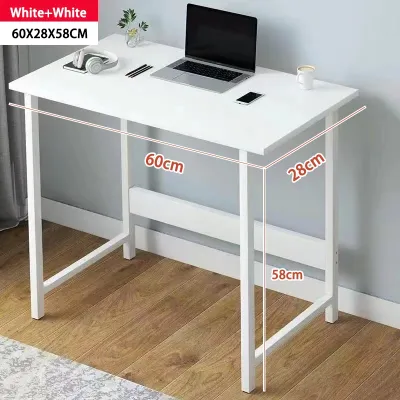
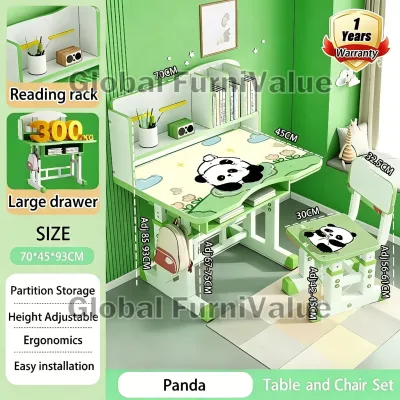
Prices are valid at publication and may change. Please refer to the product page for the latest price.
Weight capacity is a vital consideration that directly impacts safety and utility. While you might only intend to use a lightweight laptop initially, your study needs may expand to include heavy textbooks, external monitors, desk organizers, or desk lamps. A reliable folding table should have a clearly stated weight capacity that accommodates these items safely. It is important to verify the manufacturer’s load specifications rather than assuming a table can support heavy equipment, as overloading a folding mechanism can lead to sudden structural failure.
In tropical climates like the Philippines, material durability is closely tied to environmental factors. High humidity levels can cause low-grade particleboard or untreated medium-density fiberboard (MDF) to absorb moisture, leading to swelling, warping, and peeling laminates. Similarly, unprotected steel frames are highly susceptible to rust over time. To ensure longevity, look for tables featuring powder-coated steel legs and moisture-resistant tabletops, such as those finished with high-pressure laminate (HPL) or melamine. Always check the manufacturer’s care instructions to maintain these protective surfaces.
Finally, the folded thickness of the table determines how easily it can be integrated into a small room. A table that folds down to a thickness of 10 centimeters or less can easily be tucked behind a bedroom door, slid under a standard bed frame, or placed flat against the side of a wardrobe. If the folded unit is too bulky, it defeats the purpose of a space-saving design, as it will continue to occupy valuable floor space even when not in use.
Best Types of Foldable Study Tables for Tight Spaces
Choosing the ideal folding table requires looking beyond individual brands and focusing on the underlying structural design. Different room layouts, rental agreements, and study habits demand different physical configurations. For example, a student living in a rented dormitory with strict rules against wall alterations will need a completely different solution than a homeowner looking to optimize a small spare bedroom. Understanding the strengths and limitations of each design category allows you to make an decision that matches your living situation.
Wall-Mounted Drop-Leaf Desks
Wall-mounted drop-leaf desks represent an excellent space-saving solution for permanent living arrangements. These desks are anchored directly to the wall and feature a tabletop that hinges downward or upward when not in use. When folded, the desk sits virtually flush against the wall, recovering 100% of the floor space it occupied. This makes them exceptionally well-suited for narrow bedrooms where a freestanding desk would permanently block the main walking path.
However, the primary trade-off with wall-mounted desks is the installation requirement. These units must be securely anchored into wall studs or solid concrete walls using heavy-duty masonry plugs or toggle bolts. Standard drywall or thin partitions cannot support the combined weight of the desk and the downward pressure applied while working. Because of this, wall-mounted drop-leaf desks are generally unsuitable for strict rental apartments or student dormitories where drilling is prohibited.
Before purchasing a wall-mounted desk, you must also consider the physical constraints of your wall surface. The presence of thick baseboards, electrical outlets, or wall molding can prevent the desk from folding completely flat. Additionally, because the desk is fixed in one location, you lose the flexibility to rearrange your room layout or chase better natural light throughout the day. It is essential to choose the mounting height carefully to ensure it aligns ergonomically with your study chair.
Freestanding Folding Desks and Z-Tables
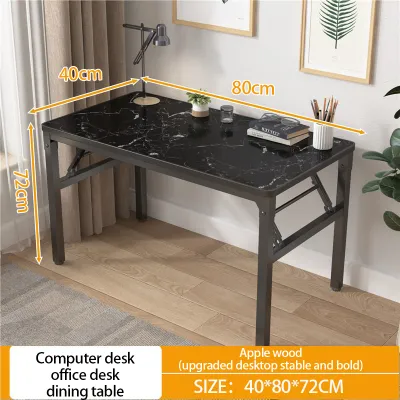
For renters, dorm residents, and anyone seeking maximum flexibility, freestanding folding desks and Z-tables are the most practical choice. These desks require absolutely no wall installation or drilling. They feature integrated folding legs—often utilizing an X-frame or Z-frame design—that collapse flat against the underside of the tabletop. When folded, the entire unit can be carried easily and stored out of sight under a bed or inside a closet.
The primary benefit of a freestanding folding desk is its immediate usability. You can set it up in minutes, move it next to a window for natural light, or relocate it to a common area if needed. Z-tables, in particular, offer a modern aesthetic and excellent legroom because their support structures are angled away from the user’s knees. Many of these designs require no assembly out of the box, making them highly convenient for students moving into a new dorm room.
The main trade-off of a freestanding folding desk is that it still occupies a full floor footprint when unfolded. You must ensure your room has enough open space to accommodate both the desk and your chair during study sessions. Furthermore, because these desks rely on moving leg joints rather than a solid wall anchor, they are inherently more susceptible to minor wobbling. Look for models with adjustable leveling feet to compensate for uneven flooring and ensure a stable writing surface.
Over-Bed and Adjustable Lap Desks
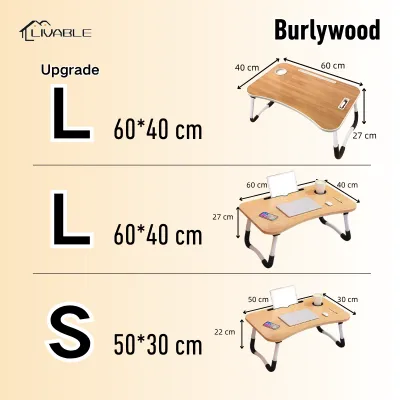
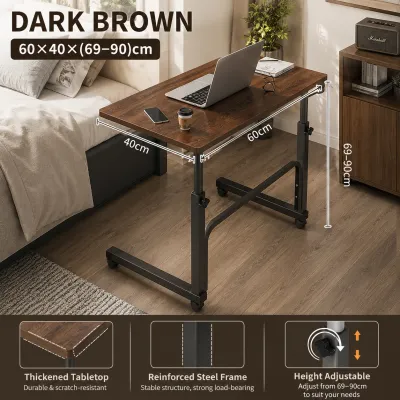
When space is so constrained that even a small freestanding desk cannot fit, over-bed tables and adjustable lap desks offer a viable alternative. Over-bed tables typically feature a C-shaped frame on wheels, allowing the base to slide under a bed or sofa while the tabletop hovers directly over your lap. Lap desks, on the other hand, are ultra-portable trays with folding legs that rest directly on your mattress or lap, often featuring built-in slots for tablets and cup holders.
These options excel at utilizing existing furniture, transforming your bed or a comfortable lounge chair into a temporary study zone. They are lightweight, highly affordable, and take up almost zero storage space when folded. For quick reading sessions, typing short emails, or attending online lectures from bed, they provide a convenient and immediate surface.
However, over-bed and lap desks have significant limitations regarding long-term ergonomics and surface area. Working from a bed for extended periods can lead to poor posture, back pain, and neck strain, as beds do not provide the structured support of a proper study chair. The surface area is also highly restricted, usually only fitting a laptop and a small mousepad, with no room for physical textbooks or writing pads. Consequently, these should be viewed as secondary study aids or emergency solutions rather than primary daily workstations.
How to Measure Your Room and Check Clearances
A common mistake when purchasing tables for study online is relying solely on visual appeal without verifying how the physical dimensions interact with your room. A desk that looks compact in a product photo can easily overwhelm a small bedroom or block essential pathways. To avoid the hassle of returning a bulky item, you must perform a thorough physical assessment of your space before making a purchase.

First, you must measure the “unfolded footprint” of the desk. This is the total floor area the desk occupies when fully open. However, the measurement cannot stop at the edge of the tabletop. You must also calculate the “user clearance zone,” which is the space required to pull out a study chair, sit down, and rise comfortably. As a general rule, allow at least 60 to 70 centimeters of clear space behind the desk for chair movement. If this clearance zone overlaps with a wardrobe door, a bed frame, or a doorway, you may find yourself trapped or unable to access other parts of your room while studying.
Second, measure your intended storage location to verify the “folded footprint” of the desk. If you plan to store the folded table under your bed, measure the vertical clearance between the floor and the bottom of the bed frame. Many modern bed frames have low profiles, and a folding desk with a thick frame or protruding hinges might not slide underneath. If you plan to store it behind a door or inside a closet, measure the width of the gap to ensure the folded table will not prevent the door from opening fully.
Third, do not overlook the logistics of delivery and transport. If you are purchasing a large freestanding folding desk, it may arrive fully assembled or in a large flat-pack box. You must verify that the packaged product can successfully navigate the journey to your room. Measure the widths of your front door, bedroom door, hallway corners, and stairwells. If you live in a high-rise condominium or dormitory, check the interior dimensions of the elevator to ensure the package can be transported to your floor without damage.
Finally, if you decide on a wall-mounted drop-leaf desk, a detailed wall inspection is mandatory. Use a stud finder to locate the vertical wooden or metal studs behind drywall, as mounting a desk to drywall alone will result in structural failure and wall damage. If your walls are made of concrete or solid masonry—as is common in many homes and condominiums in the Philippines—you will need a hammer drill and appropriate masonry wall plugs. Always check for hidden electrical wiring or plumbing lines behind the wall before drilling. If you are unsure about the structural integrity of your wall or the location of utilities, consult a professional installer.
Smart Shopping Tips for Online and In-Store Purchases
Navigating online marketplaces and furniture stores for a foldable study table requires a critical eye. Product listings are often filled with appealing marketing terms, but the actual quality of the hardware and stability of the frame can vary widely. By adopting a systematic approach to your purchase, you can avoid flimsy products and find a durable desk that fits your budget.
When shopping on e-commerce platforms, the user review section is your most valuable resource. Instead of focusing solely on high star ratings, search the reviews specifically for terms like “wobble,” “shake,” “flimsy,” “screws,” or “rust.” Pay close attention to reviews written after several months of use, as these provide realistic insights into how well the folding hinges and locking mechanisms hold up over time. Customer-uploaded photos and videos are especially helpful for verifying the actual color, finish quality, and scale of the table in a real room setting.
Be highly skeptical of unverified weight capacity claims in product titles. It is common for low-cost listings to claim extreme weight capacities that the thin metal legs or plastic joints cannot safely support. Instead, look for detailed technical drawings and manufacturer specifications in the product description. A reputable manufacturer will clearly outline the materials used, the thickness of the steel frame, and the maximum static load capacity. If this information is missing or inconsistent, consider reaching out to the seller for clarification.
Verify the return and exchange policies before finalizing your purchase. Foldable tables are relatively heavy and bulky items, and if the product arrives damaged or does not fit your space, return shipping fees can be substantial. Some sellers offer free returns or local drop-off options, while others require the buyer to shoulder the return shipping costs. Understanding these terms beforehand protects you from unexpected expenses if the desk does not meet your expectations.
Lastly, prioritize local sellers, established domestic furniture brands, or official brand stores. While importing a desk from overseas might seem cheaper initially, local sellers often provide faster shipping, lower delivery fees, and better customer support. More importantly, official brand stores are more likely to offer warranty coverage and have replacement parts—such as specialized folding hinges or rubber feet—readily available if a component fails after heavy daily use. Broad budget bands for quality folding desks typically range from ₱1,000 to premium options over ₱3,500, making it easier to find a reliable option within your price range.
Frequently Asked Questions (FAQ)
Can I use a folding table as a permanent daily study desk?
Yes, you can use a folding table as a permanent daily study desk, provided you select a model designed with robust structural integrity. High-quality freestanding folding desks with steel frames and secure locking mechanisms offer comparable stability to traditional fixed desks. However, cheap plastic utility folding tables should be avoided for daily use, as they often lack the ergonomic height (standard study height is approximately 75 centimeters) and stability required for comfortable, long-term work. Ensure the desk hinges are rated for frequent movement, and check the frame regularly for loose screws or signs of wear.
How do I install a wall-mounted desk without damaging dorm walls?
True wall-mounted drop-leaf desks cannot be installed without drilling, as they require heavy-duty anchors to safely support the weight of the desk and your study materials. Attempting to mount these desks with adhesive strips or temporary hooks will result in property damage and potential injury. If your dormitory or rental agreement prohibits wall drilling, you should avoid wall-mounted designs entirely. Instead, opt for damage-free alternatives such as freestanding folding desks that collapse flat for storage, or slim C-shaped over-bed tables that provide a space-saving workspace without touching your walls.
Community discussion
Share your experience or ask a question. Comments are reviewed before publication.