
The best foldable table materials for the Philippine rainy season are high-density polyethylene (HDPE) or high-grade polypropylene for the tabletop, paired with a thick-walled aluminum frame or heavily powder-coated galvanized steel frame. During the intense monsoon months, high humidity and relentless downpours quickly degrade substandard materials. To ensure your outdoor or semi-outdoor furniture survives, you must look beyond generic material names and focus on protective surface treatments, marine-grade hardware, and self-draining folding mechanisms.
How the Philippine Wet Season Impacts Foldable Tables
The southwest monsoon, locally known as Habagat, brings sustained heavy rainfall and average relative humidity levels that frequently exceed 80% across the Philippines. This saturated atmosphere creates an aggressive environment for any outdoor furniture, but a foldable table is uniquely vulnerable. Unlike static tables, foldable designs rely on moving joints, hinges, locking pins, and hollow frame tubes. When rain pours, water easily penetrates these tight spaces, where it becomes trapped with no easy path for evaporation.
This trapped moisture triggers rapid electrochemical reactions on untreated metal surfaces, leading to structural rust that can seize hinges or weaken support legs. For porous tabletop materials like untreated wood, fiberboard, or low-grade laminates, the constant dampness leads to water absorption, swelling, warping, and eventual structural delamination. Furthermore, the warm, dark, and damp crevices of a collapsed table stored in a humid garage provide the perfect breeding ground for mold and mildew, which can ruin the aesthetic and hygiene of your dining or working surface.
Products mentioned in this guide
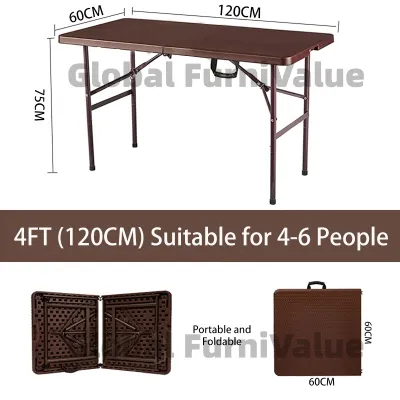
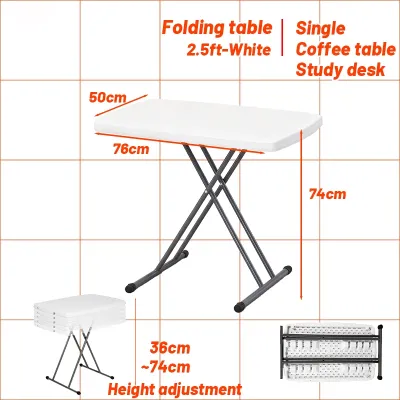
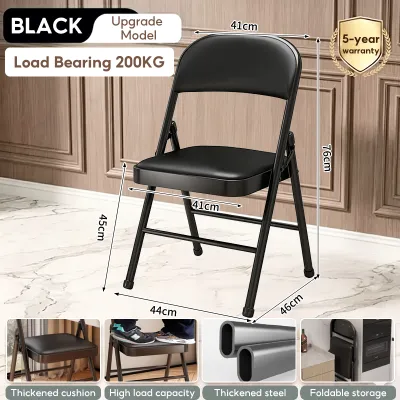
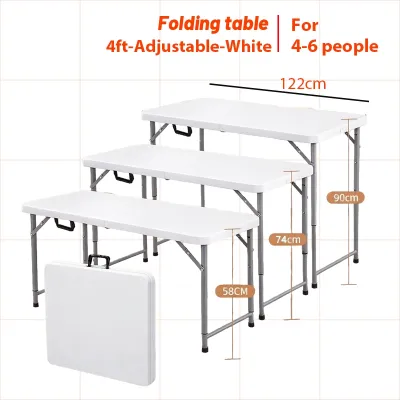
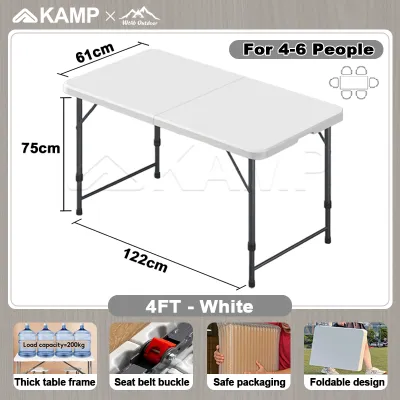
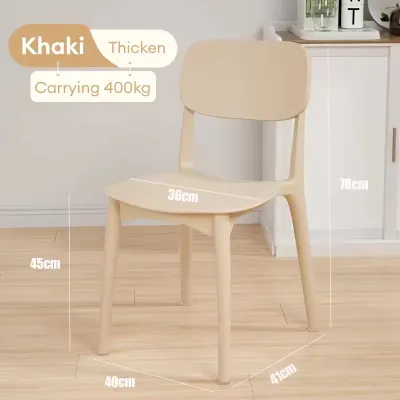
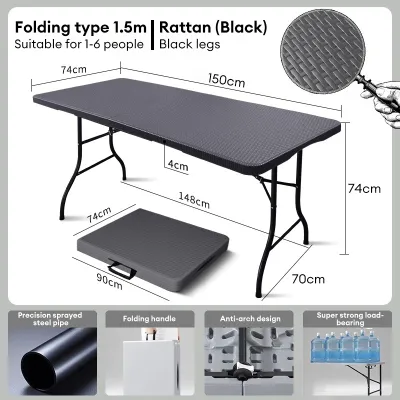
Prices are valid at publication and may change. Please refer to the product page for the latest price.
Verifiable Features to Check Before Buying
When shopping for a foldable table in the Philippines—whether browsing physical showrooms or ordering from online marketplaces—you must look past basic marketing claims. A label that simply says “waterproof” or “outdoor-ready” is not enough. To ensure long-term durability under harsh tropical conditions, prioritize the following verifiable structural features and specifications:

- Powder-Coated or Galvanized Metal Parts: Ensure all steel components have a thick, uniform powder coating or hot-dip galvanization. Look closely at the welded joints; these areas should be completely sealed and coated without any exposed metal pinholes where rust can start.
- UV and Moisture Inhibitors in Plastics: High-quality synthetic tabletops should explicitly list UV stabilizers and moisture inhibitors in their technical specifications. Without these additives, intense tropical sun exposure during dry spells will make the plastic brittle, leading to micro-cracks that trap water and harbor mold during the wet season.
- Stainless Steel or Coated Hardware: The small screws, rivets, and spring-loaded locking pins are often the first parts to fail. Verify that the manufacturer uses rust-proof hardware, such as Grade 304 stainless steel or brass, or that the steel hardware has a specialized anti-corrosion coating.
- Self-Draining Folding Mechanisms: Examine the design of the folding joints. High-quality tables feature open-channel hinges or drainage holes that prevent water from pooling inside the frame tubes when the table is unfolded in the rain.
- Dimensions, Stability, and Space Constraints: Always check the finished dimensions and folded footprint of the table. Ensure it fits comfortably within your available storage space, doorway, or lift access when collapsed. A stable, wide-leg stance with reliable locking rings is essential to prevent the table from tipping over during sudden monsoon wind gusts.
- Load Capacity and Structural Thickness: Verify the manufacturer's specified load capacity. A table used for heavy outdoor catering or backyard workshops requires a higher load rating and thicker frame walls than a light utility table. Do not assume thickness based on photos alone; check the written specifications.
- Manufacturer Care Instructions: Always review the product's official care label and user manual. If the manufacturer explicitly warns against outdoor storage or exposure to wet conditions, the table is likely intended only for indoor use, regardless of its material appearance.
Evaluating Common Frame and Tabletop Materials
To make an informed purchase, you must understand how different material combinations behave when exposed to persistent moisture and heavy rain. The overall performance of a foldable table depends on the synergy between its supporting frame and the tabletop surface, as well as the quality of their protective finishes. Budget-friendly options under ₱1,500 often compromise on these coatings, while premium commercial-grade options exceeding ₱5,000 typically offer superior weather resistance.
Metal Frames and Hardware
The structural integrity of a foldable table relies entirely on its metal frame. Aluminum is an excellent choice because it naturally forms a protective oxide layer, making it highly resistant to rust even when exposed to salty coastal air or heavy monsoon rains. However, because aluminum is a softer metal, you must verify that the frame tubes have adequate wall thickness to prevent bending under heavy loads.
Steel frames offer superior strength and stability, making them ideal for larger tables. However, raw steel is highly susceptible to rust in the humid Philippine climate. If you choose a steel-framed table, it must feature a robust, scratch-resistant powder coating or galvanized finish. Inspect the folding joints, hinges, and locking pins carefully. These moving parts rub against each other during assembly and disassembly, which can chip away protective coatings over time and expose the raw steel beneath to moisture.
Synthetic and Composite Tabletops
The tabletop surface bears the direct impact of rain and sun. High-density polyethylene (HDPE) and polypropylene are the gold standards for wet-season durability. These synthetic polymers are completely non-porous, meaning they cannot absorb water, swell, or rot. Their smooth, engineered surfaces also make it incredibly difficult for mold and mildew spores to take root, allowing for quick and easy cleaning.
Wood-plastic composites (WPC) and treated resins offer a more natural, wood-like aesthetic while providing significantly better rot resistance than solid timber. However, because composites contain organic wood fibers, they are not entirely immune to environmental factors. In persistently damp, high-humidity environments, WPC tabletops still require high-quality surface sealants and regular maintenance to prevent surface mold from developing in the textured grain.
Practical Maintenance and Storage for the Rainy Season
Even the most durable foldable table requires proper care to withstand consecutive weeks of heavy rain. Implementing a simple, proactive maintenance routine will significantly extend the lifespan of your furniture.
First, perform regular cleanings to remove dirt, fallen leaves, bird droppings, and organic debris. When left on the table surface, these materials trap moisture against the material and create a nutrient-rich environment for mold and mildew. Wipe down the table using a soft cloth or sponge.
Before folding and storing your table, it is absolutely critical to dry it completely. Pay special attention to the underside of the tabletop, the hollow interior of the frame tubes, and the folding joints where water tends to collect. If you collapse and store a wet table, the trapped water will create a localized high-humidity microclimate inside the folded unit, accelerating rust on the hinges and promoting mold growth on the tabletop.
Store your collapsed foldable table in a dry, well-ventilated indoor area, such as a utility room, garage, or covered hallway. If indoor storage space is limited and the table must remain outdoors, invest in a high-quality, breathable, waterproof furniture cover. Avoid cheap, non-breathable plastic tarps; these trap rising ground moisture and condensation underneath, creating a sauna-like effect that can rapidly damage both metal and composite materials.
Always check the applied cleaning products’ labels and the table manufacturer’s instructions before performing any deep cleaning or applying protective sprays. If instructions conflict or the material is unidentified, stop and contact the manufacturer directly for guidance.
Frequently Asked Questions (FAQ)
Can I leave my foldable table outside overnight during the monsoon?
While tables made from high-quality HDPE and powder-coated aluminum can withstand temporary outdoor exposure, leaving any foldable table outside overnight during the monsoon is not recommended. The unpredictable, heavy downpours can cause water to pool in the folding joints, hinges, and hollow frame legs. Over time, this trapped moisture leads to corrosion, stiff joint movement, and mold growth. To maximize the lifespan of your furniture, always collapse the table, dry it thoroughly, and store it in a dry, sheltered location overnight.
How do I safely remove mold from a plastic foldable table?
To clean mold safely without damaging the material, first consult the manufacturer’s care instructions. If no specific guidelines are provided, use a mild solution of dish soap and warm water, or a diluted mix of white vinegar and water. Gently scrub the affected areas using a soft-bristled brush or microfiber cloth. Avoid using harsh chlorine bleach, strong chemical degreasers, or highly abrasive scrubbers like steel wool. These harsh methods can create micro-scratches on the plastic surface, making it more porous and far more susceptible to future mold colonization. Always rinse the table thoroughly with clean water and allow it to dry completely in a well-ventilated, sunny area before folding it for storage.

Community discussion
Share your experience or ask a question. Comments are reviewed before publication.