
In the Philippines, where home-cooked meals are central to daily family life, Liquefied Petroleum Gas (LPG) is the primary fuel source for most household kitchens. While LPG is highly efficient, storing the heavy metal cylinder safely and aesthetically can be a challenge, especially in compact urban spaces or humid tropical environments. Investing in a dedicated gas cabinet storage solution is the most effective way to keep your kitchen organized, protect your equipment from wear, and ensure the safety of your household.
Selecting the right cabinet involves balancing visual appeal with strict safety standards. A poorly ventilated cabinet can trap leaked gas, creating a severe safety hazard, while an unstable structure can buckle under the weight of a fully loaded cylinder. By understanding the essential safety features, sizing requirements, and design options available in the market, you can choose a storage unit that seamlessly integrates into your cooking space while keeping your home secure.
Essential Safety and Ventilation Features for LPG Cabinets
Safety must be your absolute priority when choosing a cabinet for your LPG cylinder. Unlike natural gas, which rises, LPG is heavier than air. If a minor leak occurs at the regulator or hose connection, the escaping gas will sink and pool at the lowest point of the enclosure. For this reason, a storage cabinet must never be completely airtight; it requires continuous, reliable airflow to allow any leaked gas to dissipate safely into the surrounding environment before it can reach a dangerous concentration.
Products mentioned in this guide
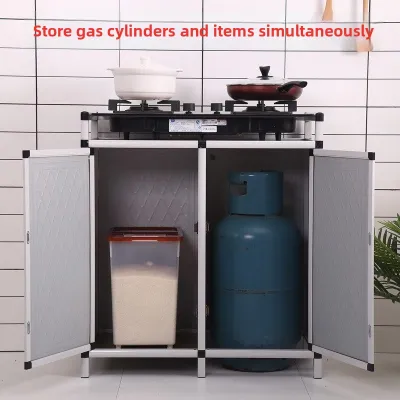
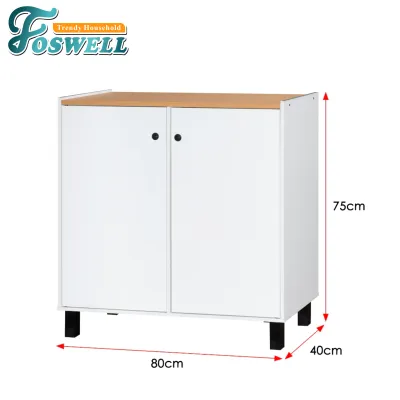
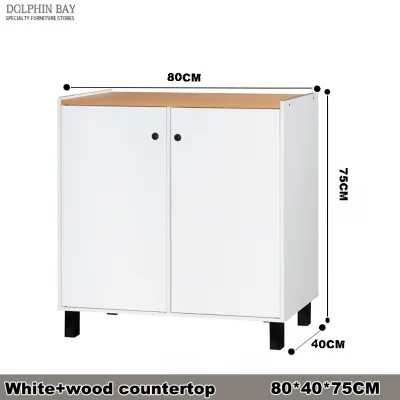
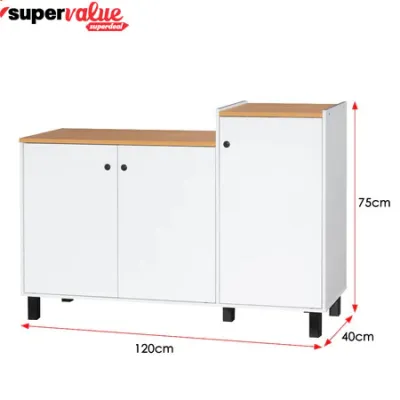
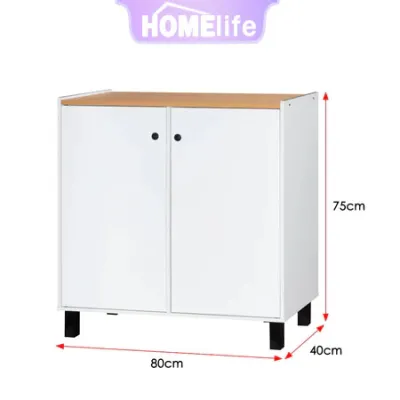
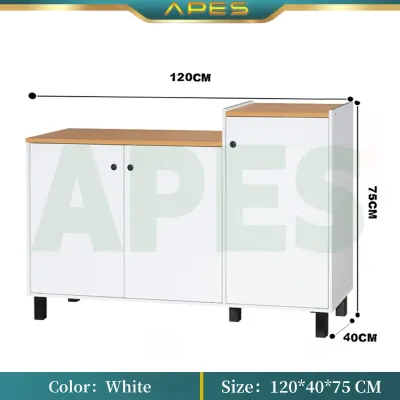
Prices are valid at publication and may change. Please refer to the product page for the latest price.
To ensure proper ventilation, look for cabinets designed with specific airflow features. Louvered doors, wire mesh panels, or wide ventilation slots at both the top and bottom of the cabinet are highly effective. Some mobile designs feature an entirely open back or a slatted bottom shelf, which naturally prevents gas accumulation. When evaluating a cabinet, check that these ventilation openings are not blocked by adjacent walls, appliances, or decorative items in your kitchen.
Material durability is another critical factor, particularly in the tropical climate of the Philippines. Kitchens are high-humidity zones subject to cooking steam, spills, and frequent floor washing. Raw steel or untreated wood will quickly rust, warp, or rot under these conditions. Look for cabinets constructed from powder-coated steel, rust-resistant aluminum, or high-grade stainless steel. If you prefer a wooden aesthetic, ensure the unit is made from treated wood or marine plywood sealed with a water-resistant polyurethane finish, and check the manufacturer’s care instructions to maintain this protective barrier over time.
Structural stability is paramount because a standard household LPG cylinder is incredibly heavy. While the gas itself weighs 11 kilograms, the steel cylinder containing it adds another 11 to 14 kilograms, bringing the total weight of a full tank to around 22 to 25 kilograms. The cabinet’s base must be structurally reinforced to support this concentrated load without sagging, bowing, or wobbling. Look for units with thick bottom panels, welded steel frames, or ground-level support bars that distribute the weight evenly.
Finally, consider the safety latches on the cabinet doors. The doors should close securely to prevent curious children or household pets from tampering with the gas valve or chewing on the flexible hose. However, the latch mechanism must not be overly complex; in an emergency, you or any family member must be able to open the cabinet instantly without searching for a key or struggling with a stiff lock. Magnetic catches combined with a simple, sturdy handle are often the most practical choice for home kitchens.
Recommended Gas Cabinet Storage Styles for Different Kitchen Layouts
Different kitchen layouts present unique spatial challenges, meaning a storage solution that works perfectly in a spacious suburban home might not fit in a high-rise condominium. Matching the style of your gas cabinet storage to your specific floor plan ensures both functional efficiency and safety.

Freestanding Metal Storage Cabinets
Best For: Spacious home kitchens, semi-outdoor “dirty kitchens” common in Filipino households, or dedicated utility areas.
Advantages: These heavy-duty units offer maximum durability and exceptional fire resistance. Typically constructed from robust steel or aluminum, they are built specifically to handle utilitarian storage. They often come pre-equipped with large louvered vents, reinforced base plates, and dedicated hose exit holes, making them a highly secure, specialized option for gas storage.
Limitations: Freestanding metal cabinets tend to have a bulky, industrial appearance that may not blend well with modern, minimalist, or highly styled indoor kitchen aesthetics. They are also heavy and difficult to reposition once the heavy LPG cylinder is placed inside.
Buying Checklist:
- Interior Height: Verify the exact interior height to ensure your specific tank brand and its attached regulator can fit comfortably without touching the top panel.
- Hose Routing: Check for pre-drilled hose routing holes on the sides or back, and ensure the edges of these holes are smooth or fitted with rubber grommets to prevent hose chafing.
- Access Clearances: Measure your doorways, hallways, and elevator doors (if living in a condo) to guarantee the cabinet can be delivered and moved into place without obstruction.
Mobile Kitchen Carts with Gas Compartments
Best For: Small kitchens, studio apartments, rental properties, or flexible cooking spaces where multi-functional furniture is necessary.
Advantages: These versatile carts maximize limited floor space by combining a secure, ventilated lower compartment for your LPG cylinder with a functional countertop surface on top, such as a tiled or stainless-steel prep station. Equipped with wheels, they allow you to easily reposition your cooking setup or move the unit aside for deep cleaning.
Limitations: Mobile carts generally have a lower overall weight capacity than fixed metal cabinets. Additionally, moving a cart while the gas hose is connected to a stationary stove requires extreme caution; any sudden pull or overextension can kink, damage, or disconnect the gas line.
Buying Checklist:
- Lockable Casters: Ensure the cart features heavy-duty, industrial-grade casters with reliable locking mechanisms to keep the unit perfectly stable during food preparation.
- Ventilation Design: Look for carts with open-back compartments, wire-mesh side panels, or slatted doors to maintain continuous airflow around the cylinder.
- Hose Slack: Confirm that your gas hose has enough slack to accommodate minor movements of the cart without tension on the regulator connection.
Built-in Ventilated Base Cabinets
Best For: Kitchen renovations, custom-built homes, and modern interior designs where maintaining a clean, cohesive aesthetic is a priority.
Advantages: Built-in cabinets completely conceal the utilitarian LPG tank behind matching cabinet doors, integrating seamlessly into your existing counter run. This utilizes your kitchen’s footprint efficiently and keeps the floor area completely clear of freestanding obstacles.
Limitations: This option requires professional installation and custom carpentry to ensure the cabinet meets safety codes. Modifying existing cabinetry to add adequate ventilation can be difficult, expensive, and structurally challenging.
Buying Checklist:
- Ventilation Gaps: Confirm that the custom design includes mandatory ventilation gaps, such as a recessed toe-kick vent at the bottom or a specialized breathable mesh door panel.
- Internal Clearances: Ensure the internal compartment dimensions provide ample room for both the tank and the natural bend radius of the gas hose.
- Material Protection: Check that the interior wood or laminate is treated with a moisture-resistant sealant to protect against spills and dampness from floor cleaning.
Sizing Guide: Matching Cabinets to Standard LPG Tanks
Before purchasing any storage cabinet, you must measure both your available kitchen space and the physical dimensions of your LPG cylinder. Forcing a heavy tank into a tight, poorly sized cabinet can damage your equipment, pinch your gas line, and make routine tank replacements incredibly difficult.
In the Philippines, the most common household LPG cylinder size is the 11kg tank, which is widely distributed by major local brands. While dimensions can vary slightly by manufacturer, a standard 11kg cylinder typically measures approximately 30 centimeters in diameter and 58 to 60 centimeters in height. If you use a smaller 5kg or 2.7kg cylinder, your cabinet options are much broader, whereas a large 22kg commercial-grade cylinder will require a specialized, heavy-duty industrial cabinet that is usually kept outdoors.
When calculating the required cabinet height, never use the height of the bare tank alone. You must account for the height of the regulator assembly, which screws onto the top valve of the cylinder, as well as the natural upward curve of the high-pressure gas hose. This setup typically adds an extra 10 to 15 centimeters to the overall height of the cylinder. Therefore, for a standard 11kg tank, look for a cabinet with an internal clear height of at least 75 centimeters to prevent the hose from being crushed against the top panel.
Clearance around the sides of the cylinder is equally important. There should be at least 5 centimeters of free space around the entire circumference of the tank. This clearance allows you to comfortably grip the cylinder when lifting it in or out of the cabinet during replacements. It also ensures that the high-pressure hose has enough room to bend naturally without kinking, which can restrict gas flow or cause the hose material to crack prematurely over time.
Additionally, evaluate the door swing and access path of the cabinet. Replacing an 11kg cylinder requires lifting a dead weight of over 20 kilograms; you cannot do this safely if the cabinet doors only open halfway or if nearby appliances block your movement. Choose a cabinet with doors that open to at least 90 degrees (preferably 180 degrees) and ensure there is ample clear floor space directly in front of the cabinet to stand comfortably while changing the tank.
Finally, plan the hose routing path. The cabinet must feature a dedicated pass-through hole or grommet positioned near the top of the compartment, aligned with the height of your stove’s inlet. If you must route the hose through a wooden panel, ensure the hole is fitted with a smooth plastic or rubber grommet. If routed through a metal cabinet, a protective grommet is mandatory to prevent the sharp metal edges from slowly cutting into the rubber hose due to daily vibrations or minor movements.
Safe Installation and Routine Maintenance Checklist
Once you have selected the perfect cabinet, proper installation and consistent maintenance are vital to keeping your kitchen safe and ensuring your storage furniture lasts for years.
Proper Placement
- Place the cabinet on a completely flat, level, and dry floor surface to prevent tipping or structural strain.
- Keep the cabinet at a safe distance from direct heat sources, such as your built-in oven or cooktop burners, and away from electrical outlets, switches, or fuse boxes.
- Ensure the cabinet does not block primary exit paths, doorways, or high-traffic walkways in your home.
Hose Routing and Connection
- Route the flexible gas hose smoothly through the designated cabinet grommet, ensuring there are no sharp bends, twists, or kinks.
- Never pinch the hose between the cabinet door and the frame.
- Verify that the hose does not rest on hot surfaces behind the stove or touch sharp metal edges under the counter.
Leak Testing
- Every time you connect a new LPG cylinder or move your storage cabinet, perform a standard soapy water leak test.
- Mix a few drops of dishwashing liquid with water and apply the sudsy mixture to the regulator connection, the hose length, and the stove inlet valve.
- Turn on the gas valve; if you see growing bubbles, turn off the cylinder valve immediately, disconnect the regulator, and inspect the connections for damage.
Routine Maintenance
- Periodically wipe down the cabinet surfaces with a damp cloth to remove grease, dust, and cooking residue, which can clog ventilation louvers and grilles.
- Check metal hinges, latches, and frames for signs of rust, especially in coastal areas or highly humid environments, and apply a light lubricant if necessary.
- Visually inspect the flexible gas hose every three months for signs of stiffness, cracking, dry rot, or discoloration, and replace the hose immediately if any wear is detected.
- Always consult a qualified gas technician or your authorized local LPG dealer if you suspect a leak, smell gas, or notice damage to your regulator and fittings.
Frequently Asked Questions (FAQ)
Can I store an LPG tank inside a completely sealed cabinet?
No, storing an LPG tank inside a completely sealed, airtight cabinet is extremely dangerous. Because LPG is heavier than air, any minor leak from the regulator, hose, or valve will cause gas to sink and accumulate at the bottom of a sealed enclosure. Over time, this trapped gas can reach highly concentrated, volatile levels, where even a tiny spark from a nearby appliance or light switch could trigger a severe explosion. Always ensure your storage cabinet features continuous, built-in ventilation, such as louvered doors, wire mesh panels, or an open-back design, to allow escaping gas to dissipate safely.
How often should I check the gas hose inside the cabinet?
You should visually inspect the flexible gas hose inside your cabinet every three to six months for any signs of physical wear, stiffness, cracking, or damage. Additionally, you must perform a soapy water leak test on all connections every single time you replace the LPG cylinder. As a general safety standard, the gas hose should be replaced entirely every two to three years, or immediately if you detect any brittleness or damage, following the specific replacement guidelines provided by the hose manufacturer.
Community discussion
Share your experience or ask a question. Comments are reviewed before publication.