
A well-designed kitchen balances quick accessibility with secure, clean storage. In Filipino homes, where daily cooking involves rich sauces, high heat, and airborne oils, keeping dinnerware clean and dust-free can be a constant challenge. Investing in a high-quality hanging cabinet for the kitchen glass display allows you to showcase your curated dinnerware while maximizing vertical space. These overhead units protect delicate items from environmental exposure while keeping them fully visible, making your kitchen feel brighter, more organized, and spacious.
The Benefits of a Hanging Cabinet for the Kitchen Glass Display
Wall-mounted glass cabinets offer a distinct functional advantage by serving as a protective barrier against the elements. In tropical environments, airborne dust, cooking grease, and high humidity can quickly coat open shelving and the items stored on them. Glass-front doors seal off your plates, bowls, and glassware from these contaminants, reducing the frequency of deep cleaning. This protection is especially valuable in busy kitchens where cooking oils and steam are constantly circulating.
Beyond cleanliness, glass cabinets provide significant visual benefits, particularly in compact urban condos or townhouses where floor space is limited. Solid cabinet doors can sometimes create a heavy, boxed-in feeling that makes a small kitchen feel cramped. Glass panels break up this visual weight by reflecting natural and ambient light, which instantly opens up the room and creates an illusion of depth. By allowing the eye to travel through the cabinet frame to the back wall, glass doors make the entire kitchen feel larger and airier.
Products mentioned in this guide
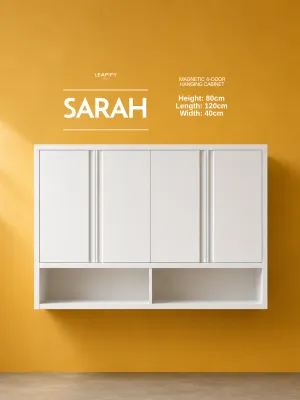
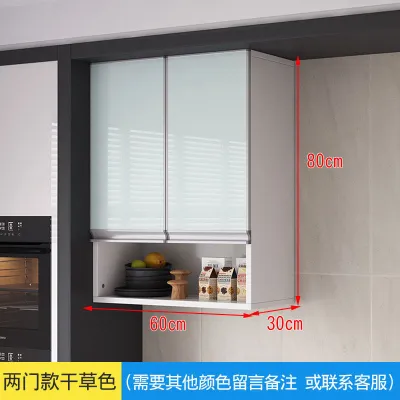
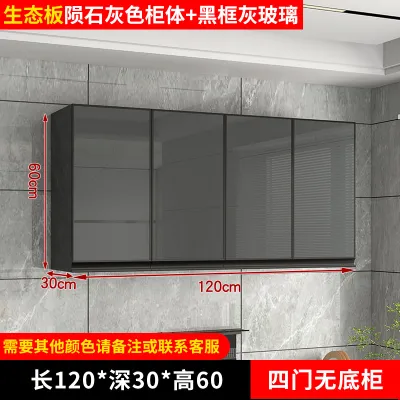
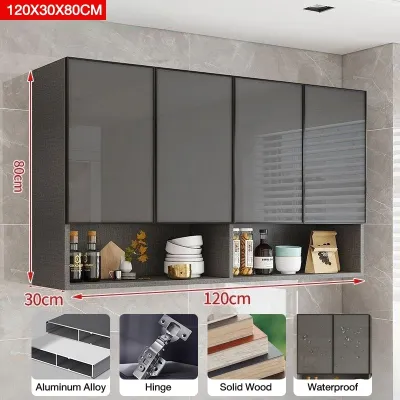
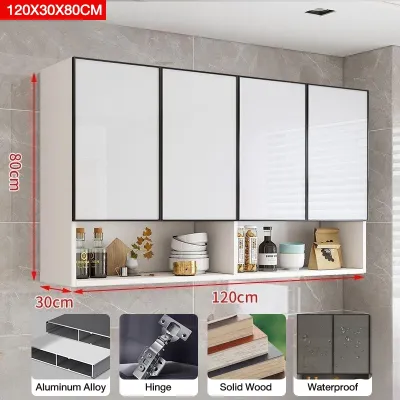
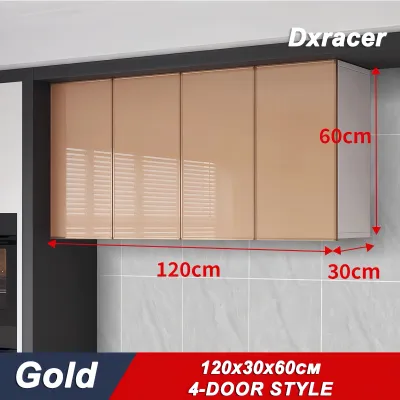
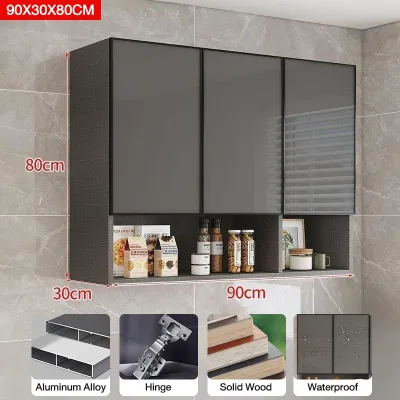
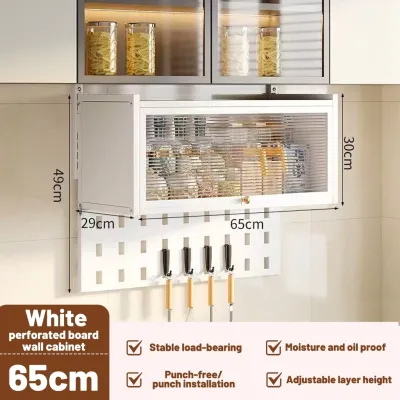
Prices are valid at publication and may change. Please refer to the product page for the latest price.
There is also a strong organizational incentive to choosing glass-front storage. Because the contents of the cabinet are visible to family members and guests, there is a natural encouragement to keep the interior neat, organized, and beautifully curated. This turns your everyday dinnerware, heirloom ceramics, or glassware into an active part of your home decor. Whether you choose fully transparent glass to show off a matching set or textured glass to soften the view, these cabinets elevate the overall aesthetic of your culinary space.
Critical Material and Hardware Specs for Kitchen Glass Cabinets
To ensure your overhead cabinets remain safe, functional, and durable over years of daily use, you must pay close attention to the technical specifications of both the glass and the supporting structure. Kitchen environments subject furniture to unique stresses, including high humidity, heat, and heavy physical loads from stacked ceramic dishware. Selecting the wrong materials can lead to structural sagging, warped frames, or dangerous glass breakage.

Glass Types: Tempered, Frosted, and Fluted Options
When selecting overhead cabinetry, safety must always be your primary consideration. Standard annealed glass is highly fragile and poses a severe safety hazard if it breaks, as it shatters into large, sharp shards. For any overhead installation, tempered glass is a non-negotiable safety standard. Tempered glass undergoes a specialized thermal heating and rapid cooling process that makes it up to five times stronger than regular glass. If it does break under extreme impact, it crumbles into small, relatively harmless granular pieces rather than sharp splinters. Always look for the manufacturer’s permanent tempered safety stamp on the corner of the glass pane before finalizing your purchase.
Beyond safety, the finish of the glass determines how much of your cabinet’s interior is visible to the room. Clear glass is the traditional choice for a fully curated display, allowing you to showcase fine china, colorful mugs, or structured glassware with perfect clarity. If you prefer a softer look that hides minor clutter, frosted glass is an excellent alternative. It diffuses light beautifully and obscures the sharp outlines of mismatched plates while still maintaining a bright, open feel. Fluted or ribbed glass features vertical grooves that add a rich architectural texture to the kitchen, distorting the shapes inside while letting light pass through for a highly contemporary aesthetic.
Frame Materials and Moisture Resistance
The frame of your cabinet must be strong enough to hold heavy glass panels and withstand the high humidity levels characteristic of the Philippine climate. Solid wood frames, such as mahogany or tanguile, offer timeless beauty and exceptional strength, but they must be treated with a high-quality, moisture-resistant polyurethane lacquer or marine-grade sealant. Without proper sealing, wood can absorb ambient moisture from boiling pots and humid weather, leading to warping, joint separation, or susceptibility to wood-boring insects.
For a more modern and virtually maintenance-free option, aluminum and stainless steel frames are highly recommended. These metals are entirely unaffected by moisture, steam, or humidity, making them immune to rusting, warping, or swelling. They are also exceptionally lightweight, which reduces the overall dead load on your wall mounting system.
If you are working with a tighter budget, moisture-resistant medium-density fiberboard (often labeled as MR-MDF or High-Moisture Resistant HMR board) is a viable alternative. However, you must inspect the quality of the edge banding very closely. Ensure that all edges are sealed with thick, professionally applied PVC or ABS edge banding using hot-melt adhesive. Any gaps or exposed fiberboard can allow moisture to seep in, causing the material to swell, bubble, and lose its structural integrity over time.
Hinges and Mounting Hardware for Heavy Loads
The mechanical hardware of your cabinet dictates how smoothly the doors operate and how safely the unit clings to your wall. Glass doors are significantly heavier than standard wooden or laminate doors, meaning they require heavy-duty, soft-close hydraulic hinges. Soft-close mechanisms prevent the doors from slamming shut, protecting the glass panels from sudden impact and vibration. Look for hinges that offer three-way adjustability, which allows you to easily align the doors horizontally, vertically, and in depth as the cabinet settles over time.
Inside the cabinet, the shelving system must also be engineered for heavy loads. If you choose glass shelves, they must be made of thick tempered glass and supported by specialized metal peg supports equipped with rubber or silicone padding to prevent the glass from slipping or scratching. Keep in mind that glass shelves generally have lower weight capacities than solid wood or metal-reinforced shelves. Always check the manufacturer’s specified weight limit per shelf before stacking heavy ceramic plates or cast-iron cookware. For safety, reserve glass shelves for lightweight glassware and use the bottom solid base of the cabinet for heavier items.
Recommended Glass Cabinet Styles for Different Kitchen Themes
Integrating glass cabinetry into your kitchen requires matching the cabinet’s structural style with your home’s overall design aesthetic. Different frame materials, glass textures, and hardware finishes can completely transform the look of your space, moving from ultra-modern minimalism to warm, traditional charm.
Modern Minimalist: Aluminum Frames with Clear or Tinted Glass
For contemporary homes and high-rise condominiums, modern minimalist glass cabinets offer a sleek, streamlined look. This style typically features ultra-slim aluminum frames finished in matte black, anodized silver, or brushed bronze, paired with large panes of clear or grey-tinted tempered glass. The slim profile minimizes visual clutter, creating a seamless transition between the cabinet and the surrounding wall.
To maintain the clean lines of this style, these cabinets often utilize handle-less push-to-open mechanisms or integrated J-pull profiles. Because clear glass leaves the entire interior fully visible, this configuration demands highly organized, color-coordinated contents. To elevate this look further, consider installing integrated warm LED strip lighting (around 3000K) along the inner front frame or behind the shelves. This lighting highlights your glassware, adds depth, and serves as soft ambient lighting for the kitchen at night.
Classic and Transitional: Wood Frames with Mullions
If your home leans toward a traditional, rustic, or transitional aesthetic, wood-framed cabinets with mullions—decorative wooden grids that divide the glass pane into smaller panels—are an ideal choice. This style brings warmth, character, and a sense of architectural history to the kitchen. It pairs beautifully with classic ceramic dishware, heirloom porcelain, and woven storage baskets.
When choosing wood-framed cabinets, ensure the wood species and stain match or complement your existing base cabinets. The wood must be finished with a durable, non-yellowing lacquer that protects against grease and steam. Since wood frames are visually heavier than aluminum, balancing them with lighter wall paint or matching tiled backsplashes helps keep the kitchen feeling bright and open.
Industrial and Contemporary: Metal Frames with Fluted Glass
For an eclectic, industrial, or loft-inspired kitchen, look for cabinets that combine matte black iron or steel frames with fluted or reeded glass. The bold contrast between the dark, structured metal frame and the highly textured glass creates a striking focal point. This style works exceptionally well in kitchens featuring concrete finishes, exposed brick, or matte black fixtures.
The primary benefit of fluted glass in an industrial setting is its ability to diffuse light while obscuring the exact shapes of the items inside. This makes it a highly forgiving option for busy families who may not always have perfectly organized shelves. Because fluted glass is thicker and heavier than standard clear glass, ensure the cabinet is fitted with robust, heavy-duty hinges and a reinforced backing frame to handle the extra weight safely.
Safe Installation and Weight Management for Wall-Mounted Cabinets
Installing overhead glass cabinets requires strict adherence to safety protocols to prevent catastrophic structural failures. Because these units are heavy even before they are loaded with plates, bowls, and glassware, improper mounting poses a severe safety risk to your family and your home.
First, you must conduct a thorough wall assessment. In the Philippines, most residential walls are constructed from concrete hollow blocks (CHB) finished with plaster. Mounting onto concrete requires high-quality masonry anchors, sleeve anchors, or expansion bolts that grip the solid structure of the wall securely. If you are installing cabinets in a newer condo or partition wall made of drywall or gypsum board, you must never mount heavy cabinets directly onto the plasterboard. The cabinet must be anchored directly into the underlying metal or wood wall studs, or onto a structural plywood backing plate installed behind the drywall. If your wall lacks this structural support, you must hire a professional contractor to reinforce the wall before proceeding.
Second, practice smart weight distribution inside the cabinet. Always place your heaviest items, such as large ceramic serving platters, stoneware bowls, and stacks of heavy dinner plates, on the very bottom shelf or inside your base cabinets. Reserve the upper shelves, especially if they are made of glass, for lighter items such as wine glasses, tumblers, tea cups, and decorative jars. This keeps the center of gravity low and reduces the pulling force on the upper wall anchors.
Finally, always prioritize professional installation. While simple shelving can be a DIY project, mounting heavy overhead glass cabinets requires specialized tools, precise leveling, and an understanding of structural load limits. Hire a qualified carpenter or professional installer who can verify the wall’s integrity, select the correct heavy-duty mounting brackets, and ensure the unit is perfectly level and secure. Always refer to the cabinet manufacturer’s installation manual for specific hardware recommendations and weight limits.
Sourcing and Verifying Cabinet Quality in the Philippines
Finding the right glass hanging cabinet involves navigating various local sourcing channels and carefully verifying product quality before making a financial commitment. In the Philippine market, you have three primary paths: custom kitchen carpenters, specialized kitchen showrooms, and online furniture platforms.
Custom kitchen carpenters offer the highest level of personalization, allowing you to design a cabinet that fits your kitchen’s exact dimensions and layout. However, this route requires close supervision. You must explicitly specify that you want marine plywood or high-moisture resistant (HMR) boards rather than standard particle board, and verify that they source certified tempered glass.
Specialized kitchen showrooms and established furniture retailers provide standardized, pre-fabricated cabinets that offer consistent quality, reliable warranties, and professional installation services. While these options generally sit in a higher price band—often ranging from ₱8,000 to over ₱25,000 depending on materials and dimensions—they offer peace of mind regarding structural safety and material durability.
Online furniture platforms and ecommerce marketplaces offer convenient browsing and competitive pricing, with options often starting around ₱3,500 to ₱10,000. When buying online, you must carefully read customer reviews, verify the exact finished dimensions (including depth and door swing clearance), and confirm that the seller uses secure, wooden-crate packaging to protect the glass during transit.
Before making a purchase or signing off on a custom order, perform these essential checks:
- Measure your space: Check the available wall width, height, and depth. Ensure the cabinet doors have enough clearance to open fully without hitting ceiling fans, light fixtures, or your range hood.
- Check doorway and lift access: Verify that the fully assembled cabinet can fit through your home's doorways, hallways, and condominium elevators.
- Inspect upon delivery: When your cabinet arrives, inspect it immediately before the delivery team leaves. Run your fingers carefully along the edges of the glass to check for chips, cracks, or sharp imperfections. Look for the permanent tempered glass safety mark. Test the hinges to ensure they operate smoothly without squeaking, and verify that all frame joints are tight, seamless, and free of gaps.
Frequently Asked Questions (FAQ)
How do I clean grease off glass cabinet doors without streaking?
To remove stubborn kitchen grease without leaving streaks, mix a few drops of mild dish soap with warm water, or use a dedicated glass cleaner. Dampen a clean microfiber cloth with the solution and wipe the glass surface gently. Avoid spraying any liquid cleaner directly onto the glass, as excess liquid can pool at the bottom and seep into the wood or MDF frame joints, causing the material to swell or degrade. Never use abrasive scrubbers, steel wool, or harsh chemical powders, as these can permanently scratch the glass surface or damage the protective finish of the metal or wood frame.
Can I install glass hanging cabinets on drywall or gypsum board?
Standard drywall or gypsum board alone cannot support the heavy, concentrated weight of a loaded glass hanging cabinet. Attempting to mount a heavy cabinet directly to drywall using standard plastic anchors will likely result in the wall tearing and the cabinet falling. To install safely, the mounting screws must anchor directly into the structural wood or metal wall studs behind the drywall, or into a reinforced plywood backing board. If your wall does not have these structural supports in the correct positions, you must consult a professional contractor to open and reinforce the wall before mounting any overhead cabinetry.
Is fluted or frosted glass better for hiding clutter?
If your primary goal is to completely conceal mismatched dishes or disorganized shelves, frosted glass is the superior choice. Frosted glass diffuses light uniformly, blurring shapes and colors so that only soft silhouettes are visible from the outside. Fluted glass, while highly stylish, features vertical grooves that distort shapes but still allow distinct colors and general outlines of objects to show through. Choose frosted glass for maximum clutter concealment and a clean, uniform look, or fluted glass if you want a balance of architectural texture, partial privacy, and modern design.
Community discussion
Share your experience or ask a question. Comments are reviewed before publication.