
Selecting the right hammock depends heavily on the physical boundaries of your outdoor space. For a small apartment balcony, a single-point hanging chair or a compact, gathered-end fabric hammock without spreader bars is the most practical choice. These styles minimize the required hanging footprint, preserve limited floor space, and demand less complex structural anchoring. Conversely, a spacious backyard garden is ideal for a classic spreader bar rope hammock or an oversized family-sized fabric hammock. These designs take advantage of wider spans between mature trees or large freestanding stands to provide a flat, open lay. By matching the structural properties of your hammock to your specific environment, you can ensure both physical safety and long-term comfort.
Assessing Your Space: Structural and Spatial Constraints
Before purchasing a hammock, you must evaluate the physical limitations of your outdoor area. On apartment balconies, measure the precise floor dimensions and railing height. Identifying secure anchor points is critical. While a concrete column or solid overhead beam can support dynamic human weight, false ceilings, lightweight plasterboard, and decorative metal railings cannot. You must verify the load-bearing capacity of any balcony structure with building management or a structural professional before installing permanent hardware.
In a backyard garden, spatial constraints are more flexible but require different considerations. If you plan to use natural anchors, measure the distance between potential trees and assess their health. The ground clearance beneath the hammock must prevent the fabric from scraping against soil, rocks, or garden plants. Additionally, observe how sun and shade shift across your garden throughout the day. A spot that is pleasantly shaded in the morning might be exposed to intense heat and UV rays during the afternoon, which can affect both your comfort and the lifespan of the hammock materials.
Products mentioned in this guide
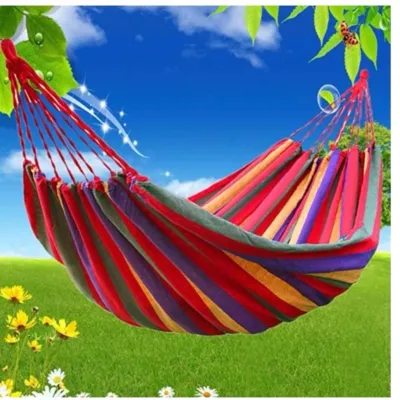
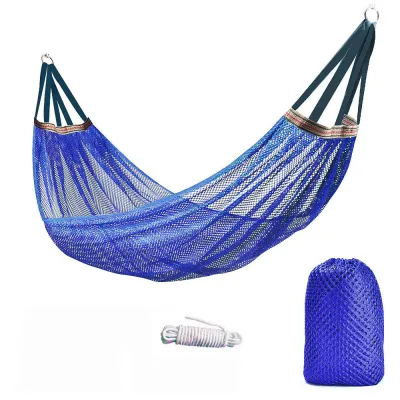
![[BAZZAR] Portable Cotton Rope Outdoor Hammock Duyan](https://img.lazcdn.com/g/p/b19a47f5cfbe15c149ec7e1699df4a1a.jpg_400x400q80.jpg_.webp)
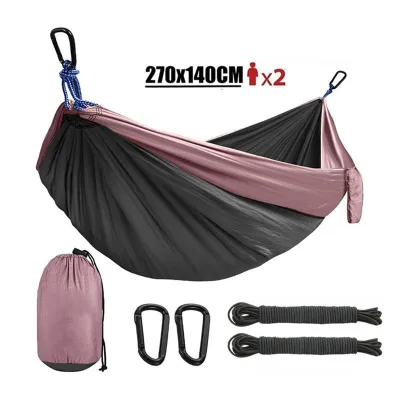
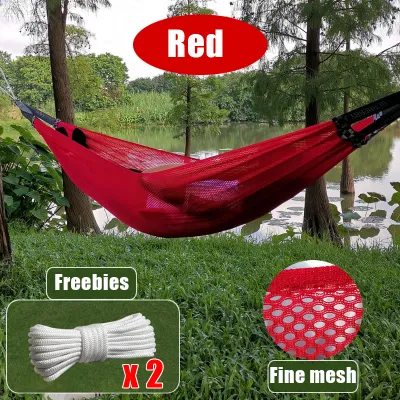
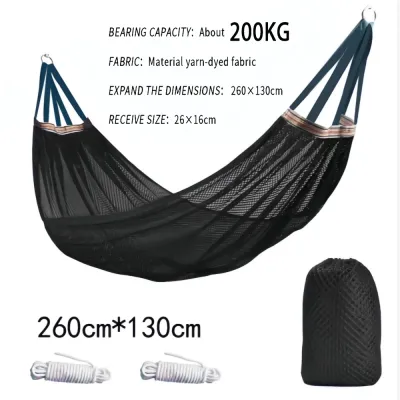
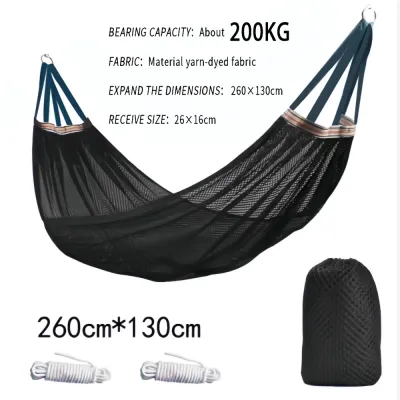
Prices are valid at publication and may change. Please refer to the product page for the latest price.
The hardware requirements for these two environments differ significantly. Garden installations typically rely on heavy-duty, wide polyester tree straps that protect the bark from friction damage while distributing weight across the trunk. Balcony installations, however, require structural eye bolts, expansion anchors, or heavy-duty mounting plates designed specifically for concrete or solid timber. Using the wrong hardware in either scenario can lead to sudden structural failure.
Top Hammock Styles for Small Apartment Balconies
Limited square footage and strict structural rules mean that balcony hammocks must be highly space-efficient. The best designs for these environments are those that can be suspended from a single overhead point or hung with a steep sag that reduces their horizontal footprint.

Hanging Chairs and Egg Chairs
Hanging chairs and egg chairs are exceptionally well-suited for narrow apartment balconies because of their vertical orientation. Unlike traditional horizontal hammocks that require two distant anchor points, a hanging chair suspends from a single overhead mount. This design leaves the surrounding floor space entirely clear, allowing you to place small side tables, potted plants, or outdoor rugs underneath when the chair is not in use.
To install a hanging chair safely, the single overhead anchor must be drilled directly into a load-bearing concrete ceiling beam or a solid structural joist. You should never mount this hardware into lightweight balcony overhangs, decorative wood trim, or hollow soffits, as these materials will fail under dynamic human weight. Always check the manufacturer’s specified weight limit for both the chair and the swivel hardware before completing the installation.
These chairs promote an upright, seated posture that is ideal for reading, sipping coffee, or enjoying a view. Because they do not stretch out horizontally, they prevent the cramped, claustrophobic feeling that can occur when a large horizontal hammock is squeezed into a narrow balcony.
Gathered-End Fabric Hammocks (No Spreader Bars)
Traditional gathered-end fabric hammocks, often referred to as Brazilian or Mayan styles, lack rigid spreader bars at the ends. This structural difference allows the fabric to drape naturally into a banana shape, which offers a significant spatial advantage on a balcony. Because they do not have wide wooden bars keeping them flat, they can be hung much closer together than other styles.
To fit a gathered-end hammock into a confined balcony, you must hang it with a deep, natural sag, ideally at a 30-degree angle from the horizontal plane. This deep curve shortens the required distance between your two wall or post anchors, allowing a full-sized hammock to fit comfortably within a narrow layout. When you are finished using it, you can easily unhook one end and fold the entire hammock away into a compact bundle, fully restoring your balcony floor space.
When selecting materials for a balcony hammock, pay close attention to the climate. Enclosed or semi-enclosed balconies can trap heat and humidity, especially in tropical regions like the Philippines. Opt for highly breathable cotton-polyester blends or lightweight, quick-drying parachute nylon. Be sure to check the manufacturer’s product label for UV resistance to ensure the fabric can withstand daily sun exposure through balcony windows or openings.
Ideal Hammock Designs for Spacious Backyard Gardens
A spacious backyard garden provides the freedom to use larger, more expansive hammock designs. With plenty of open ground, wider anchor distances, and natural shade, you can prioritize flat-laying comfort and multi-person capacity.
Spreader Bar and Rope Hammocks
Spreader bar hammocks feature rigid wooden or metal bars at each end that keep the bed fully spread open. This design requires a wider distance between anchor points—whether mature trees or a wide-base stand. Without sufficient tension, a spreader bar hammock will sag excessively, making it unstable and prone to tipping when you get in or out.
These hammocks are excellent for sunbathing, reading, and stargazing because they offer a flat, open surface that does not cocoon around your body. Classic rope versions, woven from thick cotton or polyester cords, allow air to circulate freely around you, keeping you cool during warm afternoons in the garden. However, because they remain flat, they have a higher center of gravity, meaning you must enter and exit them carefully to avoid flipping.
When hanging a spreader bar hammock between trees, always use wide, flat tree straps rather than thin ropes or metal chains. The straps should be at least two inches wide to protect the tree’s delicate cambium layer from being crushed or stripped away. This practice ensures your garden trees remain healthy while safely distributing your dynamic weight.
Large Fabric and Family Hammocks
Oversized fabric hammocks, often designated as double or family-sized, accommodate multiple users simultaneously. These require robust anchor points, such as thick, healthy tree trunks or heavy-duty steel stands. Because of their footprint, they demand a large open lawn area where they will not obstruct walkways or collide with garden landscaping.
To protect the large fabric bed from rapid degradation, it is best to position these hammocks in a naturally shaded part of your garden, such as beneath a canopy of mature trees. Direct, continuous exposure to the intense tropical sun can weaken fabric fibers over time and cause vibrant colors to fade. Shaded placement also ensures the hammock remains at a comfortable temperature for relaxation throughout the day.
Ground clearance is another vital factor when setting up a large family hammock. Because multiple users will place a significant load on the suspension system, the hammock will sag much lower than it does when empty. You must install the anchor points high enough on the trees to ensure that the lowest point of the fabric remains well clear of damp grass, soil, and garden pests when the hammock is fully loaded.
Cross-Scenario Compatibility: Can One Hammock Work in Both Spaces?
If you divide your time between a compact apartment and a family garden, you might wonder if a single hammock setup can serve both environments. While some level of transition is possible, it always involves practical compromises that you must evaluate carefully.
Freestanding hammock stands offer excellent portability since they require no wall drilling or tree anchors. However, a stand designed for a full-sized garden hammock has a large footprint, often stretching over three meters. Placing it on a small apartment balcony will likely overwhelm the space, leaving no room to walk or open doors. Before attempting this, measure the stand’s footprint against your balcony’s dimensions to ensure safe clearance.
Modular hanging chairs represent the most successful compromise for dual-scenario use. Some hanging chairs are sold with both a heavy-duty ceiling mounting kit for permanent indoor or balcony installation and a freestanding, C-shaped metal stand. This allows you to keep the chair suspended from the balcony ceiling during the week, and then easily move the fabric seat to the freestanding stand in the garden for weekend gatherings.
Ultimately, a horizontal hammock optimized for a wide garden—especially one with rigid spreader bars—will be nearly impossible to use safely on a narrow balcony. The lack of horizontal distance will force the hammock into an extreme sag, making it unstable, uncomfortable, and potentially dangerous. If you plan to purchase only one hammock, you should prioritize the space where you spend the majority of your leisure time.
Installation Safety and Tropical Weather Care
Ensuring physical safety and protecting your investment requires careful attention to installation details and regular maintenance, particularly in the humid, tropical climate of the Philippines. High humidity, intense sunlight, and heavy seasonal rains can quickly degrade outdoor furniture if proper precautions are not taken.
Structural Safety Checks
- Balcony Inspections: Never guess the load capacity of your balcony ceiling or walls. Always consult your condominium's property management office or hire a qualified structural engineer before drilling holes. Only anchor hardware into solid, reinforced concrete or heavy structural timber.
- Garden Inspections: When using trees as anchors, inspect them thoroughly for signs of decay, hollow trunks, or dead branches. Choose healthy, living trees with a trunk diameter of at least six inches (15 centimeters). Avoid anchoring to softwoods or trees with shallow root systems.
Hardware Selection To prevent structural failure, use high-quality, corrosion-resistant hardware. Standard steel hooks and carabiners quickly rust when exposed to high humidity. Choose marine-grade stainless steel (such as Grade 316 or 304) for all eye bolts, carabiners, S-hooks, and chains, as these materials withstand wet environments without losing structural integrity.
Weather Care and Storage Even if a hammock fabric is labeled as weather-resistant, prolonged exposure to heavy tropical rain and intense UV radiation will eventually break down the fibers. During the wet season or when severe storms are expected, you should unhook your hammock and store it indoors or in a weatherproof storage box. This simple step can double the lifespan of your hammock.
Mold and Mildew Prevention Moisture is the primary enemy of fabric hammocks in tropical climates. If your hammock gets wet during a sudden downpour, allow it to dry completely in a well-ventilated, sunny area before folding or storing it away. Storing a damp hammock in a closed bag or closet will rapidly lead to mold, mildew, structural rot, and unpleasant odors that are extremely difficult to remove.
Frequently Asked Questions (FAQ)
How much weight can a typical apartment balcony ceiling support?
The load capacity of an apartment balcony ceiling varies significantly depending on the building’s architectural design, construction materials, and local building codes. You must never assume a ceiling can support dynamic human weight without verification. Standard drywall, plasterboard false ceilings, and decorative wood paneling are not load-bearing and will fail immediately under pressure. To determine the safe weight limit, you must consult your condominium’s structural blueprint, contact the property management office, or hire a professional structural engineer to locate and assess a true load-bearing concrete beam.
Do I need a stand for my garden hammock if I don't have trees?
If your backyard garden lacks mature, healthy trees, a purpose-built freestanding hammock stand is the safest and most reliable alternative. You should never attempt to anchor a hammock to unreinforced fence posts, lightweight garden pergolas, decorative brick walls, or roof eaves, as these structures are rarely engineered to withstand the dynamic lateral forces exerted by a swinging hammock. When choosing a stand, always measure its overall length against your specific hammock’s required hanging distance to ensure a proper fit and adequate ground clearance.
Community discussion
Share your experience or ask a question. Comments are reviewed before publication.