
Finding the right hanging shelves for altar setups requires balancing physical durability with aesthetic reverence. In many Filipino homes, a dedicated devotional space serves as a quiet sanctuary for prayer, reflection, and family tradition. Unlike standard display ledges, a shelf designated for religious icons, heavy statues, candles, and offerings must meet demanding structural and safety standards. Selecting the best hanging shelves for altar use involves evaluating material strength, dimension limits, and secure mounting methods tailored specifically to local home construction.
To ensure your home altar remains a safe and beautiful focal point, you must look beyond basic aesthetics. The ideal setup must withstand the continuous weight of sacred items, resist the high humidity typical of the Philippine climate, and remain completely stable during minor environmental vibrations. By understanding the specific physical requirements of these shelves, you can create a lasting space of worship that honors your household’s devotional practices.
Why Altar Shelves Need Special Consideration
A home altar shelf serves a dual purpose as both a practical storage platform and a respectful focal point for daily devotion. It holds items of deep spiritual and sentimental value, such as family heirlooms, delicate plaster or wooden statues, and sacred texts. Because these objects are often fragile and irreplaceable, the shelf supporting them must be treated with a higher standard of care than a common bookshelf or decorative ledge.
Products mentioned in this guide
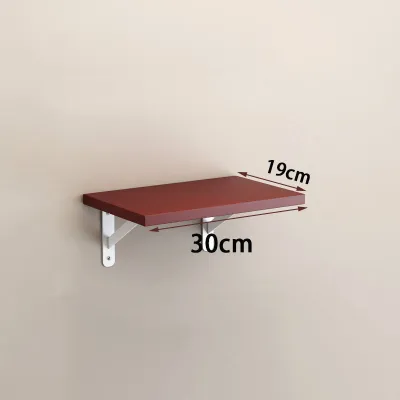
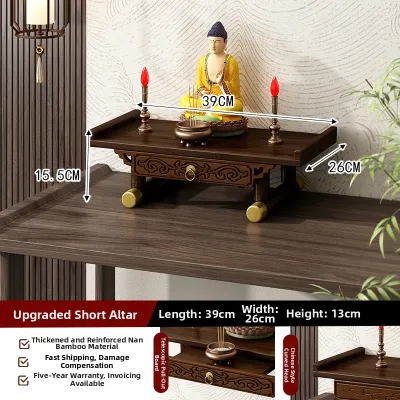
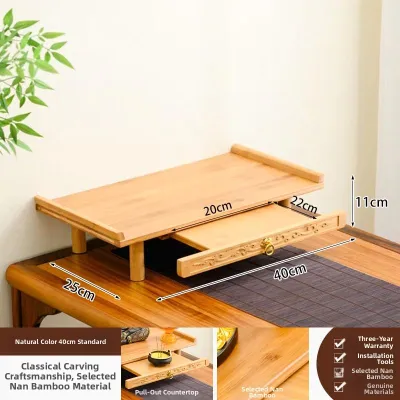
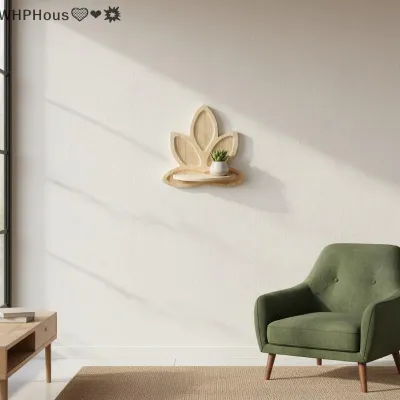
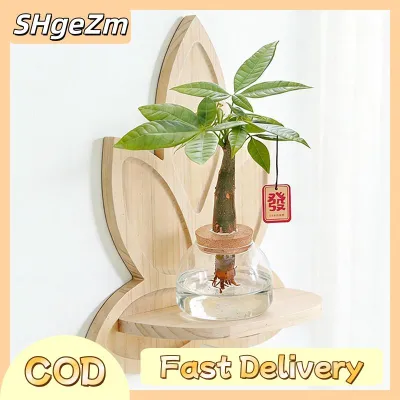
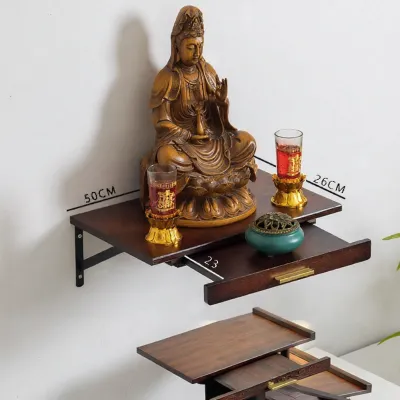
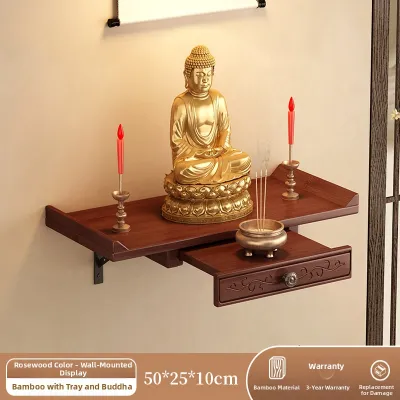
Prices are valid at publication and may change. Please refer to the product page for the latest price.
Standard floating shelves frequently fall short when repurposed for altar use. Many mass-produced floating shelves feature thin internal mounting brackets that are prone to sagging under constant, uneven weight distribution. Furthermore, standard shelves rarely feature a front lip or raised edge. Without this protective barrier, items can easily slide off if the shelf is accidentally bumped or if the surrounding structure experiences minor movement.
In the Philippines, environmental factors make shelf stability even more critical. The country’s geographic location makes it prone to minor seismic tremors, which can easily cause top-heavy statues on unstable shelves to tip over. Additionally, the tropical climate brings high relative humidity that can weaken low-grade materials over time. Investing in a dedicated, high-quality shelf ensures your sacred space remains structurally sound and safe from sudden failure.
Essential Specifications for Altar Shelves
Before purchasing any hanging shelves for altar spaces, you must carefully evaluate their physical specifications. Choosing a shelf based solely on appearance can lead to structural failure, especially if the board material or mounting hardware is not designed to handle heavy, static loads over several years.

Evaluating Weight Capacity and Material Strength
Estimating the total weight of your planned altar items is the first step toward a safe installation. A collection of religious icons can be deceptively heavy; a single medium-sized resin, ceramic, or solid wood statue can weigh between 2 to 5 kilograms. When you add brass candle holders, heavy glass flower vases, prayer books, and daily offerings, the cumulative load on the shelf can easily exceed 15 kilograms.
To support this weight without bowing or sagging, prioritize high-quality materials. Solid hardwoods such as mahogany, acacia, or tanguile are highly recommended for their natural density and long-term resistance to bending. Engineered woods like medium-density fiberboard (MDF) or particleboard should generally be avoided for heavy altars, as they absorb moisture from the humid air, causing them to soften, warp, and lose their structural integrity over time.
It is also vital to distinguish between the load capacity of the shelf board itself and the holding capacity of the wall anchors. A solid wood shelf may be rated to support 25 kilograms, but its actual capacity is ultimately limited by how securely the brackets are anchored to your wall. Always check the manufacturer’s specified weight limits and ensure your wall type can support the corresponding tension.
Sizing for Statues and Safe Candle Clearance
To determine the correct shelf dimensions, measure the base footprint of your largest statue or icon. The shelf depth should be at least 5 to 10 centimeters deeper than the widest base to prevent any portion of the statue from hanging precariously over the edge. Standard decorative shelves are often only 10 to 15 centimeters deep, whereas a functional altar shelf typically requires a depth of 20 to 30 centimeters to accommodate multiple rows of items safely.
Vertical clearance is another critical safety dimension, especially if you burn traditional wax candles or incense. High heat and rising smoke can quickly discolor overhead paint, dry out wooden surfaces, or ignite flammable materials. Ensure there is a vertical clearance of at least 60 to 90 centimeters between the top of a candle flame and any overhanging shelf, ceiling, or decorative drapery.
If your wall space is limited and does not allow for safe vertical clearance, consider alternative lighting solutions. Flameless LED candles provide a beautiful, warm glow that mimics real candlelight without the associated fire hazards or heat output. If you prefer traditional candles, ensure they are placed on the lowest shelf or on a separate, dedicated stand away from overhanging structures.
Choosing a Style That Honors Your Devotional Space
Your home altar should complement your existing interior design while maintaining a solemn, respectful atmosphere. Selecting the right style and finish helps integrate this sacred space seamlessly into your daily living area.
- Minimalist Floating Shelves: These clean, bracketless shelves are ideal for modern or contemporary homes. Because the mounting hardware is completely hidden, the visual focus remains entirely on the religious icons. They work best in neutral white, soft gray, or light natural wood tones that blend quietly into the background.
- Ornate Wooden Shelves with Corbels: For traditional, colonial, or rustic homes, shelves supported by decorative wooden corbels add a sense of classic elegance. The carved details and visible support brackets evoke a cathedral-like aesthetic, making them a perfect match for antique wood carvings and brass devotional accessories.
- Corner Hanging Shelves: If you live in a studio apartment, condominium, or have limited wall space, corner shelves are an excellent space-saving choice. Utilizing the corner of a room provides a naturally stable, two-sided anchor point that is highly resistant to lateral movement and wobbling.
- Selecting the Right Finish: The finish of your shelf should coordinate with the colors of your religious artifacts. Darker wood stains, such as walnut or dark mahogany, create a traditional, formal look that pairs well with warm, soft lighting. Painted white or light natural finishes offer a bright, modern, and peaceful feel that helps open up smaller rooms.
Secure Installation for Philippine Wall Types
A hanging shelf is only as secure as its installation. Because residential construction in the Philippines utilizes a variety of wall materials, you must identify your specific wall type before attempting to mount any brackets.
- Concrete Hollow Blocks (CHB) and Poured Concrete: This is the most common wall type in local residential construction. Mounting a shelf on concrete requires a hammer drill, masonry drill bits, and heavy-duty concrete anchors. For light to medium setups, plastic wall plugs (commonly known as "tox" anchors) are acceptable, but for heavy solid wood altars, metal expansion bolts or sleeve anchors must be used to prevent the brackets from pulling loose.
- Drywall and Plywood Partitions: Often found in modern condominium units or interior room dividers, these walls cannot support heavy loads on their own. You must use a stud finder or the tapping method to locate the vertical wooden or metal studs behind the wall board, ensuring your mounting screws penetrate directly into these structural supports. If you must mount between studs, use heavy-duty toggle bolts or molly bolts, keeping in mind that these have lower weight capacities than concrete installations.
- Locating Solid Backing: When working with wooden partition walls, tap horizontally along the wall surface. A hollow, ringing sound indicates empty space, while a dull, solid thud indicates the presence of a structural stud. Always drill a small pilot hole first to verify that your drill bit is engaging solid wood rather than empty space.
- When to Hire a Professional: If you are mounting a particularly heavy solid wood shelf, placing the altar high up near the ceiling, or if you are uncertain about the structural integrity of your walls, do not risk a DIY installation. Hiring a professional carpenter or handyman ensures the shelf is perfectly level, securely anchored, and safe for daily use.
Arranging Your Altar Safely and Maintaining the Shelf
Once your hanging shelf is securely installed, organizing your items with safety and long-term maintenance in mind will preserve both the beauty of your altar and the safety of your household.
To protect fragile porcelain, glass, or wooden statues from sliding during unexpected vibrations or accidental bumps, place a thin layer of non-slip silicone mesh or museum wax under their bases. This simple precaution keeps top-heavy items firmly secured to the shelf surface without leaving permanent marks or damaging the wood finish.
Fire prevention must always be a priority when arranging your altar. Keep all open flames away from the edges of the shelf, and ensure that curtains, artificial flowers, or paper prayer cards are kept at a safe distance. Always place candles in heavy, stable glass or ceramic holders that are designed to catch melting wax and prevent heat transfer to the wood below.
Regular maintenance will extend the life of your hanging shelf. Dust the surface weekly with a soft, dry microfiber cloth to remove soot, incense ash, and household dust. Every few months, take a moment to inspect the mounting brackets underneath the shelf, ensuring that the screws remain tight and that the shelf board shows no signs of sagging or pulling away from the wall.
If your altar includes electric spotlights, backlighting, or LED candles, manage the power cords carefully. Use small, adhesive cord clips to route the wires neatly along the back edges of the shelf and down the corner of the wall. Keeping cords organized prevents accidental snags that could pull items off the shelf and maintains a clean, clutter-free appearance.
Frequently Asked Questions (FAQ)
Can I use adhesive strips to mount a shelf for heavy altar statues?
No, you should never use adhesive strips to mount a hanging shelf intended for an altar. Adhesive strips are designed for lightweight, flat decorative items like picture frames and are not rated to support continuous, heavy static loads. In the Philippines, high relative humidity and warm indoor temperatures can rapidly degrade the adhesive backing, leading to sudden and catastrophic failure. Heavy, fragile, and valuable religious items must always be supported by mechanical fasteners, such as screws and appropriate wall anchors, to guarantee safety.
How do I protect a wooden hanging shelf from candle heat and wax drips?
To protect a wooden shelf from heat and wax damage, always place a protective barrier under your candles, such as a ceramic saucer, a glass tray, or a heat-resistant coaster. If your shelf is made of raw or unsealed wood, applying a protective coat of polyurethane or clear wood sealer will prevent wax oils from soaking into the wood grain and causing permanent stains. If wax does drip onto the shelf, let it cool and harden completely, then gently pop it off using a plastic scraper or the edge of an old credit card. Clean any remaining residue with a soft cloth dampened with warm, soapy water.
Community discussion
Share your experience or ask a question. Comments are reviewed before publication.