
Maximizing kitchen storage in the Philippines requires cabinetry that can withstand intense tropical humidity, high heat, and regular heavy use. A hanging steel kitchen cabinet offers an exceptionally durable, pest-resistant, and space-saving alternative to traditional wooden options. By utilizing wall space, these units free up valuable countertop areas while keeping daily essentials within arm’s reach. Choosing the right configuration involves evaluating your kitchen’s layout, understanding the differences in steel grades, and ensuring secure wall mounting.
Why Steel is a Practical Choice for Philippine Kitchens
Philippine kitchens face unique environmental challenges, particularly high relative humidity, seasonal dampness, and localized heat from intensive daily cooking. Traditional cabinetry materials like solid wood, medium-density fiberboard (MDF), or plywood are highly susceptible to absorbing moisture from the air. This moisture absorption leads to swelling, warping, and the eventual degradation of the cabinet joints. Furthermore, wooden structures in tropical climates frequently attract pests, including termites (anay) and wood-boring beetles, which can silently compromise the structural integrity of your kitchen storage over time.
In contrast, a hanging steel kitchen cabinet is entirely impervious to termite infestations and will not swell or warp when exposed to steam or humidity. However, the term “steel” covers a wide variety of materials and finishes, each offering different levels of performance. When shopping, you will primarily encounter stainless steel and powder-coated carbon steel. Stainless steel is naturally highly resistant to corrosion, but its performance depends heavily on the specific alloy grade. Grade 304 stainless steel contains higher levels of chromium and nickel, making it excellent for resisting rust even in coastal areas or highly humid environments. Grade 201 stainless steel is a more budget-friendly alternative, but it has lower nickel content and is more prone to surface oxidation if exposed to prolonged moisture or salt.
Products mentioned in this guide
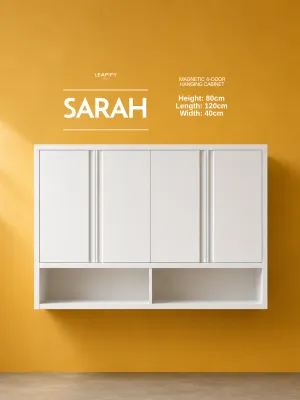
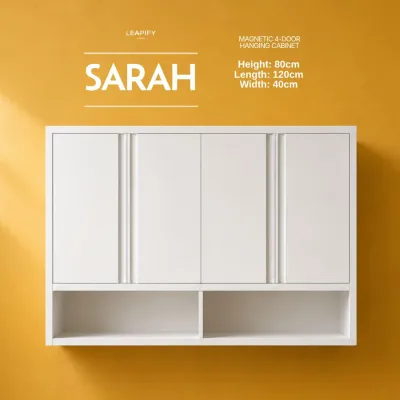
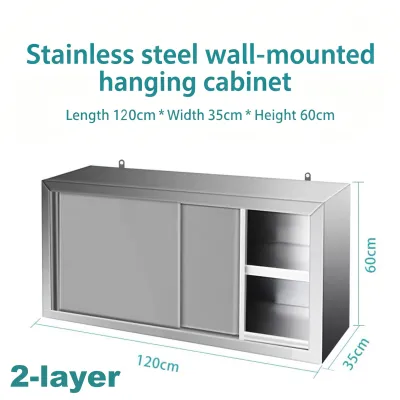
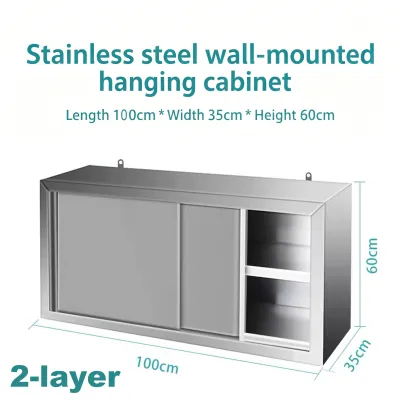
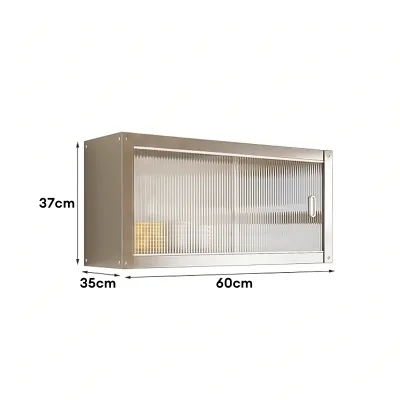
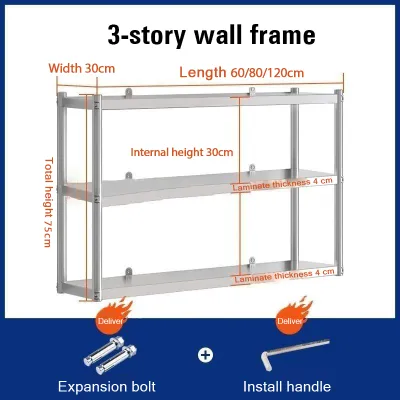
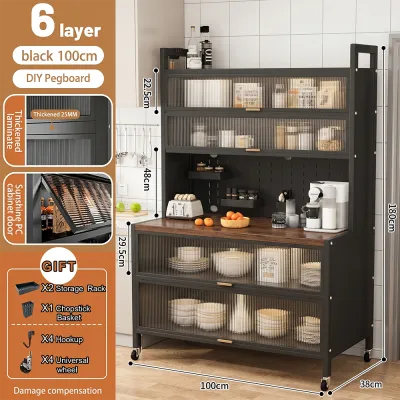
Prices are valid at publication and may change. Please refer to the product page for the latest price.
Powder-coated carbon steel relies on a baked-on polymer finish to protect the underlying metal from oxygen and moisture. While highly durable and available in various colors, any deep scratches or chips in the powder coating can expose the raw carbon steel underneath, leading to localized rust. Therefore, it is critical to inspect the surface finish of any cabinet before purchase and regularly check for chips or wear.
Even high-grade stainless steel is not entirely maintenance-free. Kitchen environments expose surfaces to airborne grease, steam, and acidic or salty cooking residues (such as vinegar, soy sauce, or citrus juices). Over time, these residues can accumulate and initiate localized pitting or surface corrosion. To maintain the cabinet’s appearance and longevity, establish a routine of wiping down the steel surfaces with a soft microfiber cloth and mild dish soap. Always avoid abrasive scrubbing pads or harsh chlorine-based bleaching agents, which can permanently scratch the finish or strip away the protective oxide layer of stainless steel. Always consult the manufacturer’s care instructions for your specific cabinet finish to ensure you do not inadvertently damage the protective coating.
Key Dimensions and Features That Actually Maximize Storage
To truly maximize storage capacity without cluttering your kitchen, you must carefully evaluate the physical dimensions and structural features of a hanging cabinet before making a purchase.

Depth and Height Considerations
The first step is measuring the available vertical wall space above your countertops. Standard hanging cabinets typically range in depth from 30 to 35 centimeters. This depth is designed to provide sufficient storage for standard dinner plates and bowls while remaining shallow enough to prevent you from bumping your head while working at the countertop below. If your kitchen has narrow aisles or limited clearance, look for shallower units (around 25 to 28 centimeters) to maintain comfortable movement. The height of the cabinet should be determined by your ceiling height and your physical reach. Ensure there is a clearance of at least 50 to 60 centimeters between the bottom of the hanging cabinet and your countertop surface to accommodate small appliances like rice cookers or blenders.
Internal Adjustability
A common mistake is choosing a cabinet with fixed internal shelving. Fixed shelves create rigid compartments that often result in wasted vertical space, especially when storing items of varying heights. To maximize every cubic centimeter of storage, prioritize cabinets featuring adjustable shelf pins or multi-level tracks. This adjustability allows you to customize the interior layout to fit tall items—such as bulk rice dispensers, high-speed blenders, or tall stockpots—right next to shorter items like spice jars or canned goods.
Door Mechanisms and Clearance
The way a cabinet door opens significantly impacts the usability of your kitchen space. Traditional swing doors are highly reliable and offer full access to the cabinet interior, but they require significant outward clearance. In tight, galley-style Philippine kitchens, open swing doors can block walkways or collide with adjacent light fixtures or appliances. For compact layouts, consider sliding doors or vertical lift-up doors. Sliding steel doors remain flush with the cabinet frame, eliminating swing-clearance issues entirely, though they only allow you to access one side of the cabinet at a time. Lift-up doors utilize hydraulic or mechanical struts to swing upward and out of the way, providing full access without obstructing the surrounding workspace.
Load-Bearing Labels and Structural Integrity
Because steel is inherently heavier than wood or laminate, the cabinet itself exerts a constant downward force on your wall. Before loading your shelves with heavy ceramic tableware, cast iron pans, or bulk ingredients, locate and strictly follow the manufacturer’s stated weight limit per shelf and the total cabinet load capacity. These limits are determined by the thickness (gauge) of the steel and the design of the internal support brackets. Never guess or estimate these limits; overloading a hanging cabinet can lead to structural sagging, door misalignment, or catastrophic wall anchor failure.
Best Steel Cabinet Configurations for Different Storage Needs
Different types of kitchen items require different storage environments. To optimize your kitchen organization, it is highly effective to mix and match different cabinet configurations based on what you plan to store.
Fully Enclosed Cabinets with Adjustable Shelves
Fully enclosed steel cabinets are the gold standard for protecting sensitive kitchen items from external contaminants. In a busy kitchen, airborne grease, cooking smoke, and fine dust can quickly coat exposed items, requiring frequent washing before use. Enclosed cabinets create a sealed barrier that keeps your dinnerware, glassware, dry ingredients, and small countertop appliances clean and ready to use.
When evaluating enclosed steel cabinets, look closely at the construction details. High-quality units feature sealed seams and magnetic door closures that keep the doors firmly shut, preventing pests or dust from entering. Smooth interior corners are also essential, as they prevent grease and flour from getting trapped in hard-to-reach crevices, making routine wiping much simpler.
Additionally, pay close attention to the door hinges. Because steel doors are heavy, low-quality hinges will quickly wear out, causing the doors to sag, scrape against the frame, or fail to close completely. Look for heavy-duty, adjustable steel hinges—ideally soft-closing models—that can support the door’s weight over thousands of open-and-close cycles.
Over-the-Sink and Corner Utilization Units
Maximizing storage often means reclaiming “dead space” that is otherwise underutilized. The areas directly above the kitchen sink and in the corners of your walls are prime candidates for specialized steel cabinetry.
Over-the-sink hanging steel cabinets are incredibly practical for managing wet items. Many of these units feature open bottoms or integrated wire racks, allowing washed dishes, glasses, and utensils to drip-dry directly into the sink below. This setup eliminates the need for a bulky countertop dish rack, freeing up valuable workspace. However, before installing an over-the-sink unit, you must verify the clearance height of your kitchen faucet to ensure the cabinet does not interfere with washing large pots. Furthermore, because this cabinet will be constantly exposed to rising steam and dripping water, it must be constructed from highly rust-resistant materials, such as premium Grade 304 stainless steel, to prevent premature corrosion.
Corner units are designed to solve the awkward storage challenges of L-shaped or U-shaped kitchens. Standard straight cabinets installed adjacent to a corner leave a deep, hard-to-reach blind spot. Angled or L-shaped steel corner cabinets are engineered to fit snugly into these 90-degree wall joints, transforming a useless corner into an accessible storage hub. Before purchasing a corner unit, take precise measurements of both intersecting walls, checking for plumbness (vertical straightness) to ensure the cabinet sits flush against both surfaces without leaving unstable gaps.
Open-Frame or Mesh-Door Steel Shelves
For items that are used multiple times a day or require constant ventilation, open-frame steel shelves or cabinets with mesh or perforated doors are an excellent choice.
These configurations are highly suited for storing frequently used cookware, such as heavy frying pans, stockpots, or stainless steel mixing bowls, which can be quickly grabbed without opening doors. They are also ideal for storing fresh produce that does not require refrigeration, such as onions, garlic, and potatoes, as the open structure prevents moisture buildup and slows down spoilage.
The primary trade-off with open-frame or mesh designs is exposure. Because there are no solid barriers, items stored on these shelves will accumulate dust and kitchen grease more rapidly than those in enclosed cabinets, demanding more frequent cleaning of both the items and the steel frame itself. When selecting an open-frame unit, inspect the wire gauge or steel mesh thickness. Heavy-duty cookware requires thick, structurally sound wire grids or reinforced steel sheets; thin, low-gauge wire shelves will bow or warp under the weight of heavy pots, potentially causing items to slide and fall.
Ready-Made vs. Custom Fabricated: Choosing Your Sourcing Route
When acquiring a hanging steel kitchen cabinet in the Philippines, you generally have two paths: purchasing a ready-made unit or commissioning a custom fabrication. Each route has distinct advantages and trade-offs regarding cost, fit, and convenience.
Ready-Made Units
Ready-made steel cabinets are widely available from local home improvement centers, furniture retail stores, and online marketplaces.
- Pros: The primary advantages are speed and convenience. You can purchase a unit and have it delivered—and sometimes installed—within a matter of days. Because these units are mass-produced, they are generally more cost-effective and come with standardized, predictable assembly instructions and hardware.
- Cons: Mass-produced cabinets come in fixed, standard dimensions. If your kitchen has non-standard wall lengths, low ceilings, or structural columns, a ready-made cabinet may not fit perfectly, leaving awkward, unusable gaps that collect dust and waste space. Additionally, lower-cost ready-made units often use thinner-gauge steel or lower-grade finishes to keep production costs down.
Custom Metal Fabrication
For kitchens with unique layouts or for homeowners seeking specific material standards, working with a local stainless steel welder or metalworks shop is highly effective.
- Pros: Custom fabrication allows you to specify the exact dimensions of the cabinet to fit your wall perfectly, maximizing every available centimeter of storage. You can also choose the exact steel grade (such as insisting on Grade 304 stainless steel for maximum rust resistance) and specify the thickness of the steel sheets to handle heavy loads. You can customize the internal shelf heights, door styles, and handle designs to match your aesthetic.
- Cons: Custom units require a much longer lead time, as they must be designed, cut, welded, and finished from scratch. They are also significantly more expensive than mass-produced options due to the skilled labor involved. Furthermore, custom fabrication requires you to take highly accurate measurements of your space; any measurement error on your part can result in a cabinet that does not fit your wall.
Pre-Purchase Checklist
Regardless of which route you choose, compile a thorough checklist before finalizing your order:
- Wall Dimensions: Measure the width, height, and depth of the installation area at least twice.
- Door Swing Clearance: Ensure that open doors will not strike light fixtures, range hoods, refrigerators, or adjacent walls.
- Access Routes: Verify that the fully assembled cabinet can fit through your doorways, hallways, and stairwells during delivery.
- Material Verification: For custom fabrications, request a material grade certificate or test sample from the fabricator to verify that you are receiving the exact steel grade you paid for.
Critical Safety Checks for Wall Mounting and Weight Limits
Installing a hanging steel kitchen cabinet is a high-stakes task. Because steel is heavy even when empty, an improperly mounted cabinet poses a severe safety hazard, risking catastrophic wall failure, property damage, or personal injury.
Wall Type Identification
Before attempting installation, you must identify the construction of your kitchen wall. Steel hanging cabinets should only be mounted onto solid masonry walls, such as concrete hollow blocks (CHB) or solid concrete. These materials provide the structural density required to hold heavy expansion anchors under load. Never mount a heavy steel cabinet directly onto hollow drywall, gypsum board, or thin plywood partitions. These lightweight materials do not have the structural shear strength to support the weight of a steel cabinet filled with heavy kitchenware. If you must mount to a non-masonry wall, the wall must be reinforced internally with heavy-duty structural studs or backing plates, which should be evaluated by a structural professional.
Hardware Requirements
Standard plastic wall plugs and basic wood screws are entirely inadequate for hanging steel cabinets on concrete walls. Instead, you must use heavy-duty steel expansion bolts or sleeve anchors designed specifically for masonry. These anchors expand inside the drilled concrete hole, creating a high-friction grip that resists downward shear forces. Ensure that the length and diameter of the expansion bolts precisely match the mounting brackets pre-installed on your cabinet. Using screws that are too short or thin will cause the brackets to bend or pull out of the wall over time.
Professional Installation
If you are unsure of your wall’s internal composition, if the concrete is old, soft, or crumbling, or if you lack the specialized tools (such as a rotary hammer drill and masonry bits), do not attempt a DIY installation. Hire a qualified professional installer or structural contractor. Professionals have the experience to assess wall stability, select the correct anchoring hardware, and use wall scanners to ensure that drilling does not accidentally puncture hidden water pipes or electrical wiring embedded within the concrete.
Weight Distribution and Loading Rules
Once your cabinet is safely mounted, how you organize your items inside plays a critical role in maintaining long-term safety. Always place your heaviest items—such as cast iron skillets, ceramic baking dishes, or large bags of rice—on the lowest shelf of the cabinet. This keeps the center of gravity low and transfers the primary load closer to the lower wall brackets, reducing the pulling force on the top anchors. Lighter items, such as plastic containers, cereal boxes, or glassware, should be placed on the upper shelves. Never exceed the manufacturer’s maximum weight limits. If the cabinet’s weight limits are not documented, or if you are using a custom-fabricated unit, consult a structural professional or the fabricator to establish a safe maximum load capacity before use.
Frequently Asked Questions (FAQ)
Does stainless steel rust in a humid kitchen?
Yes, stainless steel can rust under certain conditions. While it is highly resistant to corrosion compared to carbon steel, its protective chromium oxide layer can break down when exposed to prolonged humidity, salty coastal air, or acidic cooking residues like vinegar and citrus juices. Lower grades of stainless steel, such as Grade 201, are more susceptible to this surface oxidation. To prevent rust, ensure your kitchen is well-ventilated to reduce humidity, wipe down the cabinet surfaces regularly with a soft cloth and mild soap, and immediately clean up any spills of acidic or salty substances. Avoid using steel wool or chlorine-based cleaners, which can damage the protective surface layer.
How much weight can a typical hanging steel cabinet hold?
The weight capacity of a hanging steel cabinet is not universal; it depends entirely on the thickness (gauge) of the steel, the cabinet’s internal bracket design, the specific wall anchors used, and the structural integrity of your wall. A standard, professionally installed medium-sized steel cabinet may have a rated capacity ranging from 15 to 30 kilograms per shelf, but this varies widely. Always locate and defer to the manufacturer’s specific weight limits detailed in the product manual. Never guess the weight capacity, and avoid overloading the shelves with dense, heavy items like large appliances or bulk dry goods without verifying that your specific installation can safely support the load.
Community discussion
Share your experience or ask a question. Comments are reviewed before publication.