
The transition of moving to a new home, locally known as lipat bahay, involves a massive amount of coordination, heavy lifting, and careful packing. Among the most challenging items to transport without damage are your clothes, which can easily end up crushed, soiled, or mildewed during the journey. Utilizing a dedicated hanging storage box organizer offers an efficient solution to this problem, allowing you to transfer your wardrobe directly from the closet rod to a secure transport container without folding a single sleeve.
In the tropical climate of the Philippines, where high humidity and sudden rain showers are common, protecting garments during transit requires more than just standard cardboard boxes. Choosing the right hanging storage organizers ensures that your clothes remain clean, dry, and ready to hang in your new closet immediately upon arrival. This guide covers the essential features to evaluate, the best types of organizers for different moving scenarios, and practical steps to pack your wardrobe securely.
Why Choose Hanging Storage Organizers for Your Move
Traditional packing methods require folding every piece of clothing, packing them tightly into standard boxes, and then spending hours unpacking, sorting, and ironing them at your destination. Hanging storage organizers bypass this entire labor-intensive cycle by keeping your garments on their hangers throughout the entire moving process. This method preserves the shape of your clothes and minimizes the physical effort required to settle into your new home.
Products mentioned in this guide
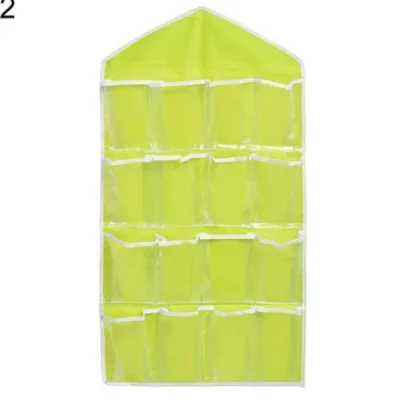
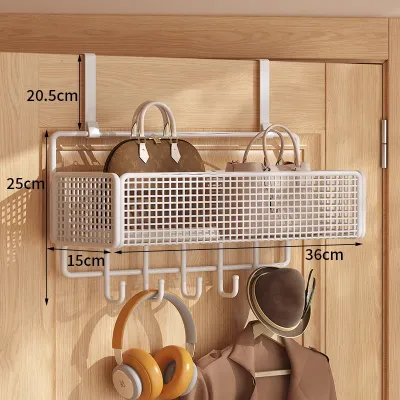
Prices are valid at publication and may change. Please refer to the product page for the latest price.
Preventing deep wrinkles in delicate garments is one of the primary benefits of this approach. Formal wear, structured suits, delicate dresses, and fabrics prone to creasing can suffer permanent fiber damage or require expensive professional dry cleaning when compressed at the bottom of a standard moving box. By allowing these garments to hang freely, you eliminate the pressure that causes stubborn creases to set in during transit.
Unpacking becomes an incredibly fast and organized task rather than a multi-day chore. When you arrive at your new residence, you simply open the organizer, lift the bundled hangers, and place them directly onto your new closet rod. This immediate transfer keeps your living space free of clothing piles and allows you to focus on unpacking other essential household items.
Maintaining a systematic organization scheme is much easier when garments remain on their hangers. You can group your clothes by family member, season, or clothing type before the move, ensuring that this structure remains completely intact during transport. This prevents the common post-move frustration of searching through multiple miscellaneous boxes to find a specific outfit for work or school.
What to Look for When Buying Hanging Wardrobe Boxes
Material Durability
The physical environment of a moving truck demands robust materials that can withstand shifting loads and stacking pressure. For fabric-based organizers, prioritize heavy-duty fabrics such as high-density Oxford cloth or thick canvas, and inspect the seams to ensure they feature double-stitched reinforcement. If you opt for cardboard options, look for double-walled corrugated cardboard, which provides the structural rigidity needed to prevent the box from buckling under external weight.

Hanging Rod Strength
The hanging rod is the single most critical point of failure in any wardrobe organizer. Heavy garments like denim, jackets, and formal wear exert significant downward force on this support bar. Metal rods offer the highest load capacity and resistance to bending, while reinforced plastic or multi-layered cardboard crossbars are suitable for lighter wardrobes. Always check the manufacturer’s specified weight limit to ensure the rod can handle your specific clothing load.
Closure Mechanisms
Protecting your clothes from dust, pests, and moisture during transit requires a secure seal. High-quality, thick zippers (such as size 5 or larger) that glide smoothly without splitting are essential for fabric organizers. For cardboard boxes, look for designs that feature secure Velcro flaps or top lids that can be sealed completely with heavy-duty packing tape to create an airtight barrier against the humid tropical air.
Handles and Structural Support
Lifting and carrying a fully loaded wardrobe box requires secure, ergonomic handholds. Look for organizers equipped with reinforced, double-stitched fabric handles or deep, die-cut hand slots in cardboard models. Additionally, verify that the bottom of the organizer features a rigid support panel—such as a thick plastic board or reinforced cardboard insert—to distribute the weight evenly and prevent the bottom from sagging or tearing during transport.
Top Types of Hanging Storage Organizers for Moving
Heavy-Duty Cardboard Wardrobe Boxes
Best For: Large volumes of heavy clothing, structured suits, long gowns, and winter coats that require rigid external protection.
Key Features: These boxes feature a tall, freestanding rectangular design made from thick, double-walled corrugated cardboard. They come equipped with a heavy-duty metal or reinforced plastic hanging bar that spans the top of the box, allowing you to hang garments exactly as they are in your wardrobe. The rigid exterior protects clothes from being crushed by other boxes in the moving truck.
Limitations: Cardboard wardrobe boxes are highly bulky and occupy a significant amount of physical space in a moving vehicle, which can increase transportation costs if you have a limited truck capacity. They are also highly susceptible to moisture damage from rain or high humidity, and they generally offer limited reusability compared to fabric alternatives.
Pre-Purchase Check: Measure the exact assembled dimensions of the box before purchasing. Ensure that the height and width will easily clear your doorways, narrow hallways, lift doors, and the cargo opening of your moving vehicle to avoid getting stuck during the loading process.
Canvas or Oxford Cloth Hanging Bags with Clear Windows
Best For: Reusable moving needs, long-term post-move storage, and protecting clothing from high humidity and dust.
Key Features: Constructed from durable, breathable, and often water-resistant fabric, these hanging bags protect garments from moisture and dust. They typically feature transparent PVC windows that allow you to identify the contents without unzipping the bag. Because they are flexible and foldable, they can be stored completely flat when not in use.
Limitations: Fabric hanging bags do not have a rigid outer shell, meaning they cannot support external weight and must not be stacked underneath heavy boxes in a moving truck. They require careful placement, such as hanging from a temporary bar inside the truck or lying flat on top of other secure items.
Pre-Purchase Check: Inspect the quality of the zipper and the stitching around the hanger opening at the top. Ensure the internal hanging rod is securely anchored to the fabric frame and check if the fabric has a water-resistant coating to handle sudden tropical downpours.
Collapsible Non-Woven Hanging Organizers
Best For: Budget-friendly moves, lightweight garments, children’s clothing, and short-distance transport.
Key Features: These organizers are highly cost-effective, lightweight, and exceptionally easy to assemble and collapse. They are widely available on online marketplaces and provide a straightforward, no-frills solution for organizing and moving everyday casual wear like t-shirts, light trousers, and activewear.
Limitations: Non-woven fabric has a much lower tensile strength than canvas or Oxford cloth, making it prone to tearing at the seams or handles if overloaded. The internal support structures are often made of thin cardboard, which can warp if exposed to moisture or heavy loads.
Pre-Purchase Check: Verify the fabric density, which is measured in grams per square meter (GSM); look for a GSM of 80 or higher for better durability. Read user reviews specifically focusing on seam strength and handle durability under load before finalizing your purchase.
Step-by-Step Guide to Packing Clothes in Hanging Organizers
1. Group and Sort Your Wardrobe
Before placing any clothes into the organizer, sort your garments by length and weight. Grouping long dresses together and shorter shirts together prevents the hemline of longer garments from bunching up, wrinkling, or dragging along the bottom of the box. This step also helps you distribute the weight evenly across the hanging rod, preventing the organizer from tilting to one side during transport.
2. Secure Your Hangers
Loose hangers can easily slide off the support rod, clash against each other, or become tangled during transit. To prevent this, bundle your hanger hooks together in groups of five to ten using heavy-duty rubber bands, cable ties, or specialized hanger ties. This keeps the hangers locked together as a single unit, ensuring they remain securely anchored to the organizer’s rod even when navigating bumpy roads.
3. Add an Extra Layer of Protection
For delicate, expensive, or light-colored garments, add an extra layer of protection against dust and moisture. Slip a lightweight, breathable garment cover or a clean, clear plastic bag over each bundle of clothes before hanging them inside the organizer. If using plastic bags, ensure they are open at the bottom to allow air circulation and prevent moisture from trapping inside, which can lead to mold in humid conditions.
4. Lift and Load Safely
Always verify that the total weight of your packed clothes does not exceed the manufacturer’s recommended load capacity. When lifting the organizer, do not pull solely by the top handles or the hanging rod, as this puts extreme stress on the seams and can cause the material to tear. Instead, bend your knees, keep your back straight, and lift the organizer from the bottom support panel to distribute the physical load safely.
Common Mistakes to Avoid When Moving Hanging Clothes
Overloading the Hanging Rod
It is tempting to pack as many clothes as possible into a single organizer to save space, but overloading the hanging rod is a common point of failure. Exceeding the weight capacity can cause the support bar to bend or snap, dropping your clothes to the bottom of the box where they will crush and wrinkle. Keep a close eye on how the rod behaves as you add garments, and leave some breathing room between hangers.
Dragging Cardboard Boxes
Dragging heavy cardboard wardrobe boxes across rough floors or concrete driveways quickly compromises their structural integrity. The friction can wear down the bottom corners and tear the base seams, which can cause the entire bottom panel to drop out when the box is lifted. Always use a hand truck, a dolly, or have two people carry the box from the bottom to transport it safely.
Leaving Heavy Items in Pockets
Before hanging your coats, jackets, or trousers, thoroughly check and empty all pockets. Leaving heavy items like keys, coins, wallets, or mobile phones in pockets adds unnecessary weight to the hanging rod. More importantly, the localized weight of these items can stretch out the fabric, pull the garments out of shape, or cause the hanger to tear through delicate shoulder seams during transit.
Exposing Non-Waterproof Organizers to the Elements
Tropical weather in the Philippines can change rapidly, turning a sunny moving day into a sudden downpour. Leaving cardboard or non-woven organizers exposed to rain, damp ground, or puddles during the loading and unloading phases can ruin both the container and your clothes. Always keep non-waterproof organizers covered with a tarp during transport, or prioritize water-resistant fabric bags if you anticipate moving during the rainy season.
Community discussion
Share your experience or ask a question. Comments are reviewed before publication.