
Choosing the right hanging display for your wall is one of the fastest ways to clear desk clutter, streamline your workflow, and keep essential reference materials within arm’s reach. The ideal wall organizer depends heavily on what you need to store: heavy textbooks and reference binders require rigid, deep shelving, while daily stationery, charging cables, and notes are better suited for modular pegboards or lightweight wire grids.
To find the perfect match for your study room or home office, you must balance your storage needs with your wall’s structural capacity. The selection process involves measuring your available vertical space, identifying your wall material, and verifying the load limits of both the organizer and its mounting hardware. By following a systematic approach, you can create a highly functional, visually clean workspace that keeps your mind focused and your desk clear.
Assessing Your Study Room Space and Storage Needs
Before browsing online marketplaces or local home improvement stores, you must conduct a thorough audit of your physical workspace. Start by measuring the exact dimensions of the wall space above or beside your desk. Be sure to account for potential obstructions such as window frames, door swings, light switches, electrical outlets, and air conditioning units. You should also measure the height of your office chair when fully raised to ensure your head or shoulders will not bump into the lowest shelf when you sit or stand.
Products mentioned in this guide
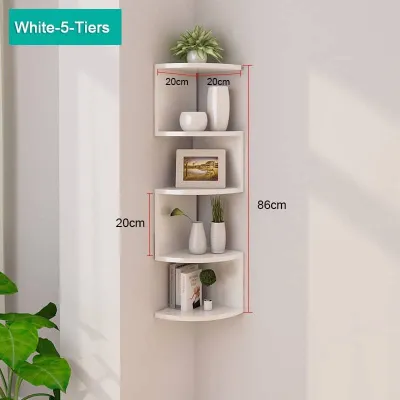
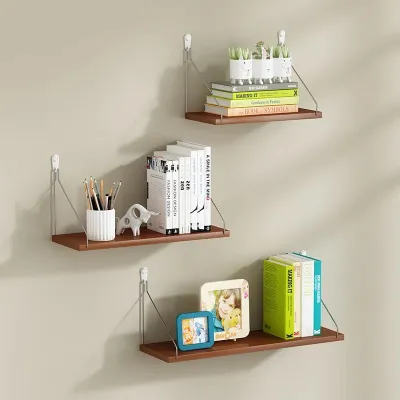
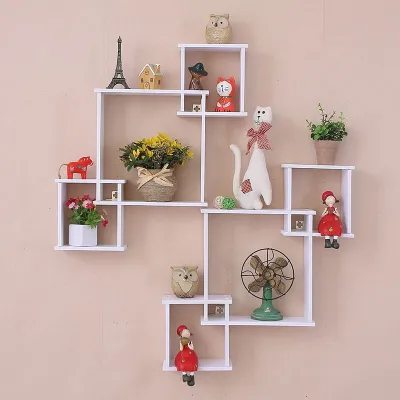
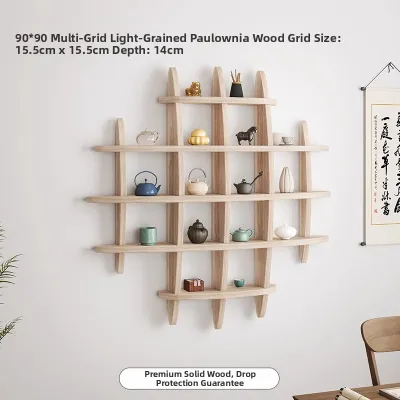
Prices are valid at publication and may change. Please refer to the product page for the latest price.
Next, take inventory of the items you plan to store and categorize them by weight and frequency of use. Heavy items like academic textbooks, professional manuals, and document binders require deep, rigid surfaces that can support substantial weight without bowing. Conversely, lightweight items like sticky notes, scissors, USB cables, and reference cards are better suited for shallow, highly accessible organizers.
In tropical environments like the Philippines, high humidity can cause loose papers to warp and mold if left in stagnant piles on a desk. Elevating these documents onto vertical displays improves airflow around your materials. When planning your layout, place frequently used items at eye level or within easy reach of your seating position, while reserving higher shelves for archival storage or decorative items.
Comparing Hanging Display Types for Home Offices
Wall-mounted organizers generally fall into three categories, each offering a different balance of storage density, configuration flexibility, and visual impact. Selecting the right type depends on whether you need to support heavy loads, organize small tools, or display lightweight documents.

Floating Shelves for Books and Binders
Floating shelves provide a clean, minimalist look because their mounting brackets are hidden inside the shelf body. They are the preferred choice for storing heavy books, thick binders, and small office equipment like desk clocks or smart speakers.
- Load Capacity: Because they lack visible diagonal supports, their weight capacity relies entirely on the strength of the internal bracket and the quality of the wall anchors. Always check the manufacturer's specified load limit before stacking heavy textbooks.
- Depth and Dimensions: Ensure the shelf depth matches your largest books. Standard novels require a depth of at least 15 to 20 centimeters, while large binders and textbooks may require 25 to 30 centimeters of clearance.
- Material Checks: Do not assume a shelf is durable simply because it is labeled as wood. Check the product specifications for a moisture-resistant finish or laminate coating, which helps prevent warping and swelling in humid climates.
Pegboards and Slatwalls for Flexible Tool Organization
Pegboards and slatwalls offer unmatched flexibility for dynamic workspaces. They allow you to rearrange hooks, shelves, and bins without drilling new holes in your wall, making them ideal for creative professionals, students, and remote workers who use a variety of small tools.
- Customization: You can easily mount small bins for pens, hooks for headphones and charging cables, and clips for active project folders. This keeps small, easily misplaced items off your main desk surface.
- Weight Distribution: These systems are designed for lightweight, distributed items. Concentrating heavy objects on a single pegboard hook can damage the board or pull the mounting screws loose.
- Accessory Compatibility: Before purchasing, verify that the peg spacing and hole diameters (typically 6mm or 3mm) match the accessories you plan to buy, as different manufacturers use proprietary sizing.
Wire Grids and Hanging Pockets for Lightweight Documents
Wire grids and fabric hanging pockets are highly efficient, low-profile options designed specifically for paper management, task tracking, and visual inspiration boards.
- Document Management: Wire grids allow you to clip active to-do lists, calendar pages, and reference notes directly in front of your workspace. Fabric or plastic hanging pockets are excellent for sorting incoming mail, invoices, and active file folders.
- Space Efficiency: These displays have an incredibly shallow depth, making them perfect for tight study corners or narrow walkways where deeper shelves would block movement.
- Rust and Wear Prevention: In humid regions, bare metal wire grids can rust and stain your documents. Look for wire grids with a thick powder-coated or vinyl finish, and check fabric pockets for breathable, easy-to-clean synthetic materials.
Key Selection Criteria for Safe and Functional Shelves
To ensure your hanging display is both safe and practical for daily use, you must evaluate several critical product specifications before making a purchase.
- Weight Capacity and Distribution: Always locate the manufacturer's maximum load rating. Remember that this rating assumes the weight is distributed evenly across the entire surface. Placing a stack of heavy books on one end of a shelf puts uneven stress on the brackets and wall anchors.
- Material and Finish Integrity: Rather than relying on broad material names like "hardwood" or "steel," look for specific details about the protective coatings. For metal components, a powder-coated finish offers superior scratch and rust resistance. For engineered wood products, check for sealed edges and water-resistant laminates to prevent moisture absorption.
- Clearance and Ergonomics: Measure the projection of the shelf from the wall. A shelf that projects too far can block natural light from windows or cast shadows over your desk. Ensure there is sufficient clearance for you to stand up, sit down, and move your office chair freely without any risk of collision.
Installation Safety and Wall Compatibility Checks
Proper installation is the most critical factor in preventing wall damage and falling hazards. You must match your mounting hardware to the specific construction material of your study room walls.
- Solid Concrete and Masonry: Very common in Philippine homes, solid concrete or hollow block walls offer excellent load-bearing capacity. However, they require a hammer drill, masonry drill bits, and plastic or expansion anchors. Standard wood screws driven directly into concrete will not hold.
- Drywall and Gypsum Board: Drywall walls have limited structural strength. For heavy floating shelves, you must locate the wooden or metal studs behind the drywall using a stud finder and secure your brackets directly into them. If mounting lightweight items between studs, you must use specialized hollow-wall anchors, such as toggle bolts or self-drilling drywall anchors.
- Safety Protocol: Never attempt to mount heavy bookshelves on unsupported drywall, thin plywood partitions, or crumbling plaster. If the product instructions are unclear, if you lack the necessary tools, or if you are unsure of your wall's internal structure, stop the installation and consult a qualified local handyman or professional installer.
Frequently Asked Questions (FAQ)
Can I install heavy floating shelves on standard drywall?
Yes, but you must secure the mounting brackets directly to the wooden or metal studs behind the drywall. Standard drywall cannot support the weight of heavy books and floating shelves on its own, and relying solely on plastic expansion plugs will eventually cause the drywall to tear and the shelf to collapse. If the stud spacing does not align with your shelf brackets, you must use heavy-duty toggle bolts rated for the specific weight of your loaded shelf, or install a wooden backing board across the studs first. Always verify the manufacturer’s weight limits and consult a professional if you are unsure of your wall’s load capacity.
How do I prevent wall-mounted shelves from sagging over time?
To prevent sagging, always distribute weight evenly across the shelf rather than concentrating heavy books in the center. Avoid exceeding the manufacturer’s recommended load capacity. If you are using long shelves, ensure there is an intermediate support bracket installed every 60 to 80 centimeters to prevent the material from bowing under its own weight. Additionally, periodically check the tightness of the mounting screws, brackets, and wall anchors. In humid environments, wood fibers can soften and metal fasteners can slightly loosen over time, so a quick annual tightening check helps maintain structural integrity.
Community discussion
Share your experience or ask a question. Comments are reviewed before publication.