
Selecting a headboard for double size bed setups in the Philippines requires balancing aesthetics with tropical climate challenges and local home architecture. A double bed, a highly popular size for both master bedrooms in modern condominiums and guest rooms in traditional suburban homes, serves as a major focal point. The right headboard does not just complete the visual frame of your bed; it also provides essential back support, prevents pillows from slipping, and anchors the room’s design.
To find the best option, you must look beyond surface-level style. High relative humidity, concrete wall structures, and specific room layouts in local residences mean that material selection, mounting mechanisms, and precise physical dimensions dictate whether a headboard will endure or deteriorate. By evaluating your space, climate, and structural constraints, you can select a headboard that remains stable, mold-free, and visually striking for years to come.
Sizing Your Headboard: Matching Double Bed Dimensions
In the Philippine furniture market, a standard double bed—often referred to simply as a “double” or “full” size—typically measures 54 inches wide by 75 inches long (approximately 137 cm by 191 cm). However, before purchasing any headboard, you must measure the exact outer width of your existing bed frame rather than relying solely on the nominal mattress size. Some bed frames, particularly those with thick wooden borders, integrated storage drawers, or heavy upholstery, can extend several inches beyond the standard 54-inch mattress width, which directly impacts how your headboard will align.
Products mentioned in this guide



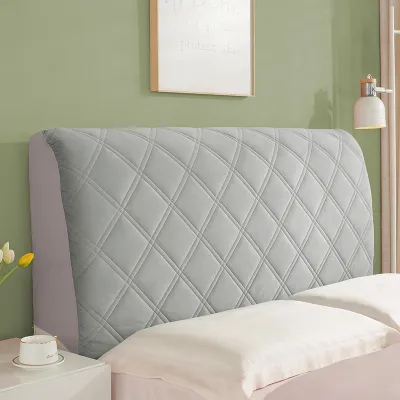

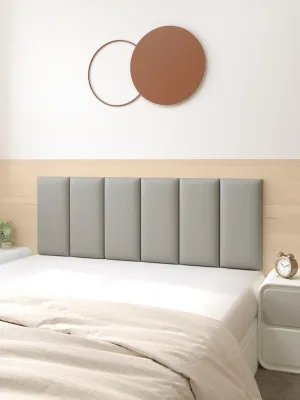
Prices are valid at publication and may change. Please refer to the product page for the latest price.
When planning the width of your headboard, you generally have two structural proportions to choose from:
- Exact-Match Alignment: A headboard that matches the outer width of your bed frame exactly creates a clean, streamlined, and modern silhouette. This is highly suitable for compact bedrooms, studio apartments, or minimalist design schemes where space is at a premium.
- Extended or Layered Proportions: A headboard that extends 2 to 6 inches beyond each side of the bed frame offers a more luxurious, integrated look. This design frames the mattress and nightstands together, creating a cohesive visual anchor, but it requires a larger wall footprint and careful placement of electrical outlets.
Height is another critical dimension that dictates both comfort and visual balance. The total height of the headboard should be determined by factoring in your ceiling height, mattress thickness, and personal usage habits. For standard 2.4-meter to 2.7-meter ceilings common in local residential developments, a headboard height of 48 to 56 inches (measured from the floor) provides a balanced vertical presence. If you prefer to sit up in bed to read or work, ensure that the visible portion of the headboard—the section extending above the top of your mattress and pillows—is at least 18 to 24 inches high to offer adequate upper back and head support.
Best Materials for Headboards in a Tropical Climate
The tropical climate of the Philippines, characterized by high temperatures and elevated relative humidity levels, places unique physical stress on bedroom furniture. Moisture, mold spores, and wood-boring insects are persistent challenges that can quickly degrade poorly treated materials. When evaluating headboard materials, always prioritize products that feature clear manufacturer specifications regarding moisture seals, protective coatings, and care instructions rather than assuming durability based on material names alone.

Solid Wood and Engineered Wood
- Kiln-Drying and Moisture Content: Solid wood headboards, such as those made from local mahogany, tanguile, or imported teak, offer exceptional structural longevity. When choosing solid wood, verify with the manufacturer that the timber has been properly kiln-dried to prevent warping, cracking, or splitting as humidity levels fluctuate between the dry and wet seasons.
- Protective Sealants: Check that the wood has been treated with a high-quality polyurethane, lacquer, or varnish sealant. This protective layer prevents ambient moisture from penetrating the grain and causing rot.
- Termite and Pest Treatment: Ensure the wood has received a termite-resistant treatment, as wood-boring insects (locally known as anay) are highly active in tropical regions.
- Engineered Wood Precautions: Engineered wood options, including Medium-Density Fiberboard (MDF) and particle board, are widely available and budget-friendly, but they require strict environmental controls. Because engineered wood is highly susceptible to swelling and structural failure when exposed to moisture, these headboards must be kept away from damp walls and high-condensation areas. Ensure the product features fully sealed edges and a water-resistant laminate or veneer finish, and avoid placing them directly against external concrete walls that tend to absorb and transfer rainwater moisture.
Upholstered and Fabric Options
- Removable and Washable Covers: Upholstered headboards bring softness, warmth, and excellent acoustic dampening to a bedroom, but they require diligent maintenance in humid environments. To prevent the accumulation of dust mites, dander, and microscopic mold spores, look for upholstered headboards that feature removable, dry-cleanable, or washable slipcovers.
- Tightly Woven Synthetic Fabrics: If the cover is fixed, prioritize tightly woven synthetic fabrics like polyester, nylon, or performance blends, which naturally resist moisture absorption better than loose cotton or linen weaves.
- Environmental Maintenance: When utilizing a fabric headboard, maintaining consistent indoor air quality is vital. Regular vacuuming with a HEPA-filter vacuum cleaner and ensuring adequate room ventilation—either through cross-ventilation or the regular use of an air conditioner or dehumidifier—will prevent the fabric from trapping damp air and developing musty odors. If you live in a particularly humid coastal or high-rainfall region, consider faux leather (polyurethane or PU) as an alternative, as it can be easily wiped down with a damp cloth and mild soap.
Metal and Woven Natural Fibers
- Rust-Resistant Finishes: Metal headboards, crafted from iron, steel, or aluminum, offer a lightweight, space-saving, and highly durable alternative that is naturally resistant to pests and mold. However, humidity can cause untreated metals to rust over time. Before purchasing, verify that the metal frame has been treated with a rust-resistant primer and finished with a durable powder coating or baked enamel layer, paying close attention to the weld joints where moisture can easily pool.
- Natural Fiber Breathability: Woven natural fibers, such as rattan, wicker, and abaca, are deeply rooted in Philippine design heritage and offer excellent breathability. These materials allow air to circulate freely behind the bed, reducing the risk of localized moisture buildup.
- Weave Integrity and Varnishing: When choosing woven headboards, inspect the structural tightness of the weave to ensure it will not loosen over time. Confirm that the item is rated for indoor use and finished with a protective clear varnish that shields the natural fibers from ambient humidity and spills.
Choosing the Right Mounting Type for Your Bedroom
The way a headboard is mounted affects its stability, ease of installation, and suitability for different living arrangements, such as renting versus owning your home.
Bed-Frame Attached Headboards
- Pre-Drilled Hole Spacing: Bed-frame attached headboards mount directly to the back of your existing bed frame using bolts, brackets, and pre-drilled slots. This configuration creates a unified, self-contained unit that moves easily if you decide to rearrange your bedroom layout. The critical step when choosing this type is verifying the compatibility of the mounting holes. Measure the distance between the pre-drilled slots on your bed frame's headboard brackets and compare them to the mounting slots on the headboard. Standard double bed frames usually follow common spacing guidelines, but proprietary designs may differ.
- Bolt and Bracket Compatibility: Check whether the headboard package includes the correct bolt sizes, washers, and nuts required to secure it to your specific frame thickness. If the holes do not align perfectly, you may need to purchase modification plates or adapters.
Wall-Mounted Headboards
- Wall Construction Assessment: Wall-mounted headboards hang directly on the wall behind your bed, typically utilizing interlocking metal brackets (often called French cleats) or heavy-duty flush mounts. This installation method offers a highly stable, wobble-free result and allows you to adjust the height of the headboard independently of your mattress thickness. However, it requires careful structural assessment of your walls. In the Philippines, residential walls are commonly constructed from hollow concrete blocks (CHB) finished with plaster, or drywall partitions in newer high-rise condominiums.
- Anchor Selection: Mounting a heavy headboard onto concrete requires a hammer drill, masonry drill bits, and heavy-duty plastic or metal expansion anchors. Drywall installations require locating the wooden or metal studs behind the plasterboard and securing the brackets directly into those studs using specialized toggle bolts.
- Permanence and Damage Considerations: Because this method involves drilling multiple holes into the wall, it is a semi-permanent modification. Renters should consult their lease agreements before proceeding, as repairing and repainting damaged plaster or drywall upon moving out can be costly.
Freestanding and Floor-Standing Options
- Base Stability and Footprint: Freestanding headboards stand independently on the floor and are held in place by the weight of the bed frame pushed firmly against them. This design is highly favored by renters and individuals who frequently rearrange their furniture, as it requires zero drilling into walls and no complex structural integration with the bed frame. Ensure the headboard features a wide, stable base or sturdy legs that rest flat on your flooring material, whether it is ceramic tile, polished concrete, or engineered wood.
- Weight Distribution: The headboard must have a low center of gravity or a design that prevents it from rocking backward when you lean against it.
- Anti-Tip Features: For taller or heavier freestanding units, look for models that include optional wall-tethering straps or adhesive anchor pads to prevent accidental tipping, especially during seismic activity.
Essential Pre-Purchase Checks and Safety Boundaries
Before finalizing your purchase of a headboard for double size bed setups, running through a rigorous safety and logistical checklist will prevent installation failures and potential hazards.
- Structural Integrity and Weight Capacity: Evaluate the overall weight of the headboard relative to your mounting choice. A heavy, solid wood or thick upholstered headboard requires robust support; if your bed frame is lightweight metal or thin plywood, attaching a heavy headboard can cause the frame to tip upward or bend at the joints. Always verify the manufacturer's recommended weight limits and mounting guidelines.
- Edge Finishing and Corner Rounding: In compact bedroom layouts where the walkway around the foot and sides of the double bed is narrow, sharp headboard corners can pose a constant physical hazard. Inspect product photos or physical showroom models to ensure that corners are gently rounded, sanded smooth, or padded with upholstery to prevent painful bumps and scrapes.
- Assembly Requirements and Tools: Determine whether the headboard arrives fully assembled or flat-packed. Flat-packed units require assembly, so check if the package includes all necessary Allen keys, screws, and clear step-by-step instructions. If the design is complex or heavy, factor in whether you have the necessary tools (such as a level, stud finder, and power drill) or if you need to hire a professional installer.
- Logistical and Delivery Clearance: One of the most common oversights when buying large bedroom furniture is failing to measure the delivery path. Before ordering, measure the height, width, and diagonal clearance of every doorway, hallway corner, stairwell landing, and elevator cabin that the packaged headboard must pass through to reach your bedroom. High-rise condominium elevators in Metro Manila often have strict height and weight limits that can block the delivery of oversized, non-disassembled headboards.
Sourcing and Buying Headboards in the Philippines
Navigating the local furniture market involves choosing between different retail channels, each offering distinct advantages in terms of customization, convenience, and cost.
- Established Retailers vs. Custom Carpenters: Large physical showrooms and official online brand stores offer the convenience of ready-made designs, standardized sizing, and clear product specifications. Buying from established brands typically ensures access to reliable customer service, structured delivery options, and standardized manufacturing quality. Conversely, if you have specific design requirements, unique bedroom dimensions, or wish to use specific local hardwoods, commissioning a custom headboard from a local carpenter or woodcarving workshop is an excellent path. This allows you to control the exact dimensions, wood species, finish, and mounting preparation, though it typically requires longer lead times and active communication regarding design drawings.
- Return Policies and Warranties: Always read the fine print regarding return policies and warranty coverage before completing your purchase. A reputable seller should offer a clear warranty period covering structural defects, joint failures, or manufacturing flaws. Verify who covers the cost of return shipping or pickup if the item arrives damaged or does not fit your frame.
- Delivery Coordination and Inspection: Coordinate your delivery schedule to ensure you or a trusted representative is present to receive the item. Upon arrival, do not sign the delivery receipt immediately. Conduct a thorough visual inspection of the headboard in well-lit conditions. Check for cracks in wood joints, tears or stains in upholstery, deep scratches in metal finishes, or missing hardware packets. If you detect any transit damage, document it immediately with photographs, note the issues on the delivery slip, and contact the seller's customer support before the delivery team leaves your premises.
Frequently Asked Questions (FAQ)
Can I use a larger headboard on a double bed?
While it is physically possible to use a larger headboard, such as a queen-size (60 inches wide) or king-size (72 inches wide) model, on a double bed (54 inches wide), doing so introduces significant visual and structural challenges. Visually, the headboard will overhang the sides of your bed frame by several inches on each side, which can look unbalanced unless you deliberately frame your nightstands within that extra width. Structurally, if you are using a bed-frame attached mounting type, the pre-drilled holes on a queen or king headboard will not align with a double bed frame, requiring you to purchase specialized adapter plates, drill custom holes, or opt for a wall-mounted or freestanding installation instead.
How do I prevent mold on a fabric headboard?
Preventing mold on an upholstered headboard in a tropical climate requires controlling moisture levels and ensuring regular maintenance. Always position your bed frame at least 2 to 3 inches away from the wall to allow continuous air circulation behind the headboard, particularly if the wall is made of concrete. Utilize a dehumidifier during the humid rainy season, and keep ceiling fans or air conditioning running to reduce ambient humidity. Vacuum the fabric weekly with a brush attachment to remove dust and organic matter that mold spores feed on, and promptly treat any spills by blotting them dry and applying a fabric-safe, anti-microbial cleaner in strict accordance with the manufacturer’s care label.
What if my bed frame does not have pre-drilled holes for a headboard?
If your existing bed frame lacks pre-drilled mounting holes, you should avoid drilling directly into the frame yourself, as this can easily split the wood, bend metal tubing, or void your manufacturer’s warranty. First, check your bed frame’s manual and the manufacturer’s instructions to verify if drilling is permitted or if it will void your warranty. If instructions conflict, or if the frame is unidentified, stop and consult a qualified professional. The most practical alternative is to choose a wall-mounted headboard or a freestanding model that does not rely on a direct physical connection to the frame. Alternatively, you can purchase universal headboard brackets or clamp-on mounting adapters that secure to the bed frame’s legs or perimeter rails without requiring permanent drilling or structural modification.
Community discussion
Share your experience or ask a question. Comments are reviewed before publication.