
Selecting the right headboard for a single bed in the Philippines requires balancing aesthetics, personal comfort, and the unique demands of a tropical climate. A well-chosen headboard serves as a visual anchor in a compact bedroom while providing comfortable support for sitting up or reading. Finding the ideal option involves understanding standard sizing, selecting materials that can withstand high humidity, and ensuring secure, stable installation.
Sizing and Matching: Finding the Right Fit for a Single Bed
In the Philippines, a standard single bed typically measures 36 inches wide by 75 inches long (approximately 91 centimeters by 191 centimeters). When choosing a headboard, the width should match this measurement or slightly exceed it by one to two inches on each side to create a clean, balanced silhouette. A headboard that is narrower than the mattress makes the bed look unfinished, while one that is excessively wide can visually overwhelm a small room.
Height is another critical dimension that directly impacts both comfort and room design. The headboard must stand tall enough to remain visible even when pillows are propped up against it. Generally, this means the headboard should extend at least 18 to 24 inches above the top of the mattress. Take into account the thickness of your mattress and any mattress toppers; a thick 12-inch pocket spring mattress will cover significantly more of the headboard than a standard 6-inch foam mattress.
Products mentioned in this guide

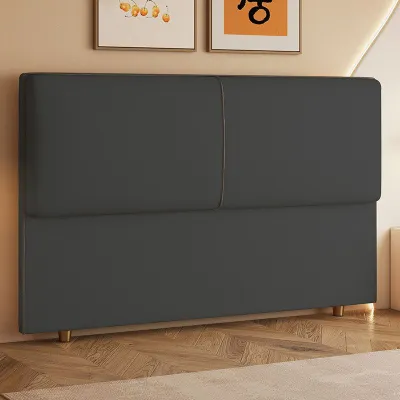
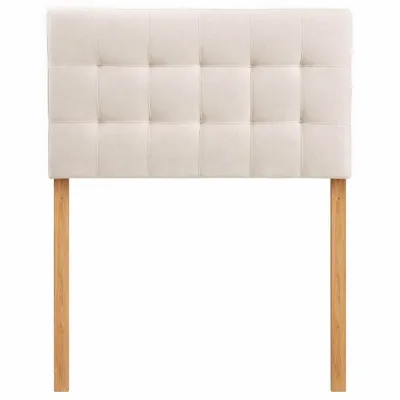



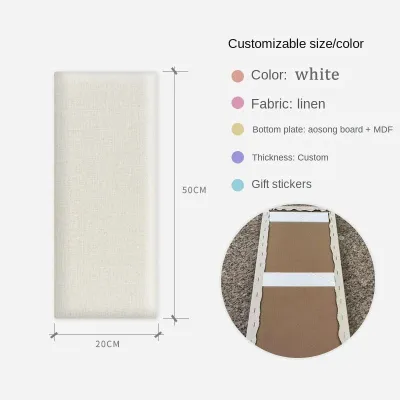
Prices are valid at publication and may change. Please refer to the product page for the latest price.
In compact bedrooms, which are common in urban condominiums and townhouses across major Philippine cities, physical and visual proportions are vital. An oversized, solid headboard can make a small room feel cramped and dark by blocking light and taking up valuable visual space. Choosing a lower profile or a visually light design, such as cane or open spindles, maintains an airy feel while still defining the sleeping zone.
Before purchasing, you must verify how the headboard attaches to your sleeping setup. Some models bolt directly to the bed frame, requiring compatible pre-drilled holes on both components. Others are completely freestanding or mount directly to the wall. Wall-mounted options require careful clearance planning, especially if there are electrical outlets, light switches, or baseboards that might prevent the headboard from sitting flush against the wall.
Top Headboard Styles for Single Beds and Small Spaces
Upholstered and Tufted Headboards
Upholstered headboards offer a plush, comfortable backrest for sitting up to read, watch television, or work on a laptop. This makes them highly suitable for single beds that double as daybeds or lounge seating in studio apartments. The soft texture also provides acoustic dampening, helping to reduce echo in tiled or minimalist rooms.

However, the tropical climate of the Philippines demands careful fabric selection. Heavy velvet or thick chenille can trap heat and moisture, leading to discomfort and potential musty odors. Opt for breathable fabrics like linen blends or high-quality synthetic polyesters that are engineered for durability and stain resistance. Removable, washable covers are highly advantageous, allowing you to maintain a clean sleeping environment with minimal effort.
Maintenance should include regular vacuuming with an upholstery brush to prevent dust mites and mold spores from settling into the fabric weave. If you live in an exceptionally humid area, treating the fabric with a moisture-repellent spray can provide an extra layer of protection, provided you check the manufacturer’s care instructions first.
Solid Wood and Engineered Wood Headboards
Solid wood headboards offer a classic, grounded aesthetic and excellent structural durability. In the Philippines, local hardwoods like mahogany or acacia are popular for their rich grain and natural strength. Engineered wood, such as medium-density fiberboard (MDF) or high-quality plywood, provides a more budget-friendly alternative with clean, modern lines.
Regardless of the wood type, you must verify the protective finish used. Unsealed wood or poorly applied edge banding on engineered wood can absorb ambient moisture from high humidity, leading to swelling, warping, or splitting over time. Look for headboards with moisture-resistant lacquers, polyurethane coatings, or robust laminate finishes.
Additionally, solid wood headboards can be heavy. If you plan to mount a wooden board to the wall, you must ensure your wall structure and mounting hardware can safely support the weight. Checking the stability of the joints and the quality of the mounting brackets before installation will prevent wobbling and squeaking over time.
Rattan, Wicker, and Cane Headboards
Rattan, wicker, and cane headboards are perfectly suited for tropical living, bringing a light, organic aesthetic to the bedroom. The traditional “solihiya” weaving style, characterized by its intricate hexagonal pattern, is both culturally resonant and highly functional. These natural woven materials have a light visual footprint, making them excellent choices for small bedrooms where a solid headboard might feel too heavy.
The primary functional benefit of woven headboards is breathability. The open weave allows air to circulate freely, preventing heat from being trapped behind the bed. This airflow helps keep the sleeping area cool and reduces the buildup of stagnant, humid air.
When shopping, inspect the quality of the weaving for tightness, uniform tension, and a smooth, splinter-free finish that will not snag your sheets or pillows. To preserve these natural materials, avoid placing them in direct sunlight, which can dry out the fibers and cause them to become brittle. Keep them away from highly damp areas to prevent mold growth.
Floating and Wall-Mounted Headboards
Floating and wall-mounted headboards are anchored directly to the wall rather than the bed frame, offering a sleek, modern look. This design is highly space-saving because it eliminates the need for bulky legs or supportive structures on the floor. It also makes cleaning and vacuuming under the bed much easier, as there are fewer obstacles to navigate.
Installing a floating headboard requires careful planning and robust hardware. You must locate the structural studs behind drywall or use specialized heavy-duty masonry anchors if mounting onto concrete walls. Because the headboard is suspended, secure anchoring is non-negotiable to prevent it from pulling loose or falling.
Note that floating headboards are generally not suitable for thin, unsupported partition walls or lightweight drywall without proper internal framing reinforcement. If your wall is not structurally sound, a floor-standing or frame-mounted headboard is a much safer option.
Safe Installation and Climate Care for Tropical Homes
Installing a headboard safely in a Philippine home requires understanding local construction methods. Many residential buildings use concrete hollow blocks (CHB) or solid concrete walls, whereas modern high-rise condominiums often utilize plasterboard or drywall partitions. For concrete walls, you must use a masonry drill bit, plastic wall plugs (commonly known as tox), and heavy-duty screws to ensure a secure hold. For drywall, you must locate the metal or wooden studs behind the plasterboard, or use heavy-duty toggle bolts if mounting between studs. Never rely on standard nails or weak adhesive strips to hold a heavy headboard.
If you are attaching the headboard directly to a bed frame, start by aligning the pre-drilled holes on both the headboard legs and the frame. Use the bolts, washers, and nuts provided by the manufacturer, and tighten them securely to prevent wobbling or squeaking. Check the compatibility of the bolt sizes before starting; if the holes do not align or the hardware is missing, do not attempt to force a connection, as this can damage the frame.
Caring for your headboard in a tropical climate involves managing humidity and temperature fluctuations. Avoid placing upholstered or wooden headboards directly under or opposite air-conditioning units. The constant draft of cold, dry air followed by periods of hot, humid air when the AC is turned off can cause wood to warp or crack, and can cause fabric fibers to degrade.
Additionally, always leave a small ventilation gap of about one to two centimeters between the headboard and the wall, especially if it is an exterior-facing wall. Exterior walls can become quite hot during the day, and when the interior room is cooled by air conditioning, condensation can form in the tight space between the headboard and the wall. This trapped moisture is a primary cause of mold and mildew growth. If you are unsure of your wall’s load capacity, structural composition, or how to drill safely, stop and consult a professional installer.
Pre-Purchase Checklist: Logistics and Compatibility Checks
Before finalizing your purchase, particularly when ordering from online marketplaces or local furniture retailers, take time to run through a logistical checklist. First, measure the path the packaged headboard must travel to reach your bedroom. This includes measuring the height and width of your front door, hallway corners, stairwells, and, if you live in a condominium, the dimensions of the elevator. A headboard may fit your single bed perfectly, but it is useless if it cannot clear a tight turn in a staircase.
Next, verify the return and exchange policies of the seller. Large furniture items can occasionally sustain damage during transit, so it is crucial to know if the retailer offers a straightforward replacement policy for transit-related defects. Inspect the packaging thoroughly upon delivery before signing any receiving documents.
Carefully read the product description to confirm what is included in the purchase. Some headboards are sold as standalone pieces without any mounting hardware, legs, or brackets, meaning you will need to source these items separately. Check the exact material composition; look for terms indicating solid wood versus laminated particle board, and verify if the finishes are rated as moisture-resistant. Finally, cross-reference the mounting mechanism of the headboard with your existing bed frame to ensure they are fully compatible.
Frequently Asked Questions (FAQ)
Can I use a double headboard on a single bed?
Using a double-sized headboard on a single bed is generally not recommended due to significant visual and structural mismatches. A double headboard is designed for a 54-inch wide mattress, which means it will overhang a 36-inch single bed by about 9 inches on each side. This creates a severe visual imbalance, making the bed frame look dwarfed and awkward. Furthermore, the pre-drilled mounting holes and brackets on a double headboard will not align with the attachment points on a single bed frame, making secure assembly nearly impossible without extensive custom modifications. It is best to choose a headboard specifically sized for a single bed to ensure a clean look and a stable, safe setup.
How do I prevent mold on a fabric headboard in a humid climate?
Preventing mold on an upholstered headboard in a highly humid environment requires consistent moisture control and regular maintenance. Keep the bedroom well-ventilated by opening windows on dry days, or use an air conditioner or dehumidifier to maintain indoor humidity levels below 60 percent. Vacuum the headboard weekly using a clean upholstery attachment to remove accumulated dust, skin cells, and organic matter, which can serve as food for mold spores. If spot cleaning is necessary, use a damp cloth with mild soap, but avoid saturating the fabric or the underlying foam padding with excessive water. Allow the headboard to dry completely, using a fan to speed up the process, and never use harsh bleach or chemical cleaners that can damage the fabric fibers.
Community discussion
Share your experience or ask a question. Comments are reviewed before publication.