
Selecting the best heavy-duty crates for modular kitchen storage in the Philippines requires balancing structural strength, precise physical dimensions, and resistance to high tropical humidity. Standard plastic bins often buckle under the weight of heavy rice dispensers, cast iron pans, or small appliances. To build an organized, long-lasting modular setup, you must look for crates with reinforced bases, verified load capacities, and materials treated to withstand moisture. This guide details how to measure your cabinetry, verify manufacturer specifications, and safely integrate these robust storage solutions into your kitchen.
Core Selection Criteria for Heavy-Duty Kitchen Crates
A crate is considered “heavy-duty” in a kitchen context when it possesses the structural integrity to support concentrated weight without bowing, cracking, or tipping. Heavy kitchen items like cast iron pots, stone mortar and pestles, and small appliances exert significant downward pressure. Standard storage bins lack the reinforced bases and wall thickness required to sustain these loads over time. When selecting crates, look for design elements such as structural ribbing, double-walled corners, and reinforced handles that distribute weight evenly.
Before purchasing any storage bins, you must measure your modular shelf dimensions. Modular kitchen systems in the Philippines often follow specific European or Asian design standards, meaning internal cabinet space can vary significantly. Buying crates based on visual estimation frequently leads to storage units that are too deep for cabinet doors to close, or too wide to slide past door hinges. Precise measurements of width, depth, and height clearance are mandatory first steps.
Products mentioned in this guide
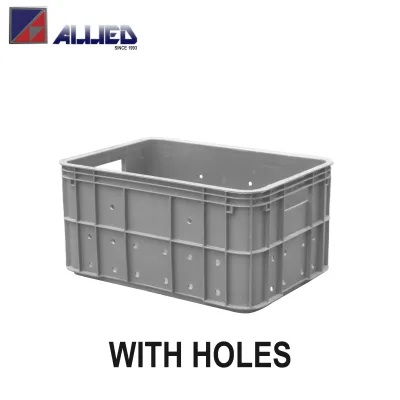
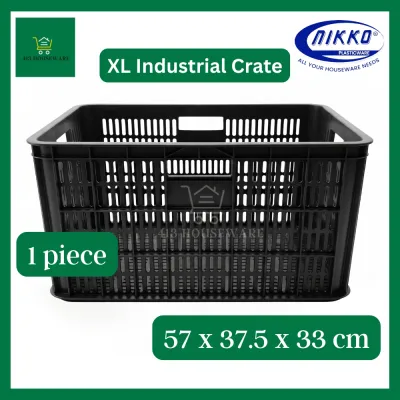
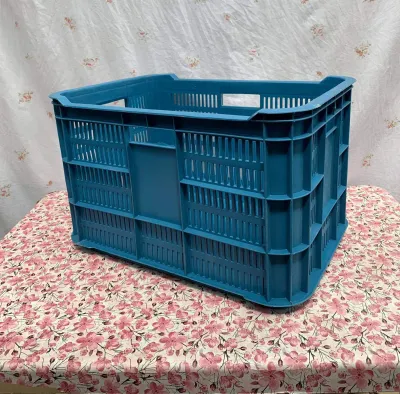
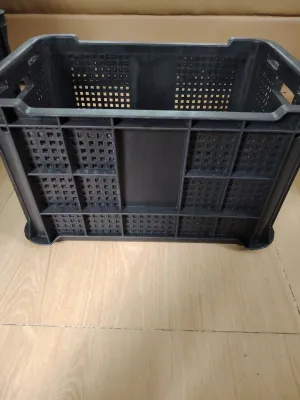
Prices are valid at publication and may change. Please refer to the product page for the latest price.
You must rely on the manufacturer’s stated weight limits and structural specifications rather than assuming durability based solely on material names. A crate labeled “heavy-duty steel” or “industrial plastic” is not guaranteed to hold heavy kitchenware safely unless the manufacturer explicitly certifies its load capacity. Always check the product label, technical data sheets, or manufacturer instructions for verified weight limits before integrating any crate into your modular kitchen system.
What to Verify Before Buying Kitchen Storage Crates
Load Capacity and Weight Distribution
To prevent shelf collapse or crate failure, you must verify the manufacturer’s stated maximum load capacity on the product label or specification sheet. This rating indicates the maximum weight the crate can safely support under normal conditions. Do not estimate the weight of your kitchen items; use a kitchen scale to determine the actual weight of your heaviest pots, pans, and appliances to ensure they fall well within the crate’s certified limits.

Weight distribution within the crate is just as critical as the overall weight limit. When storing dense, heavy items like cast iron cookware, heavy clay pots, or bulk dry goods, place the heaviest items flat along the bottom of the crate. Avoid stacking heavy items unevenly on one side, as this creates localized stress points that can cause the crate base to warp or crack. Never overload a crate beyond its tested threshold, as sudden structural failure can damage both your cookware and your modular shelving.
Dimensional Compatibility with Modular Shelving
Achieving a seamless fit requires measuring the internal shelf width, depth, and height clearance of your modular cabinets. Use a metal measuring tape for accuracy, and measure from the innermost surfaces of the cabinet walls. If your modular shelving has adjustable shelf pins, measure the clearance height based on the specific shelf configuration you plan to use.
You must also account for physical obstructions that can interfere with the crate’s movement. Take note of cabinet door hinges, lip overhangs, sliding track hardware, and handle protrusions. These components often reduce the usable entry width or depth of the cabinet. Ensure there is at least a two-centimeter clearance margin around the sides and top of the crate to allow you to comfortably pull the crate in and out of the shelving unit without scraping the cabinet walls.
Material and Climate Considerations
The tropical climate of the Philippines introduces high relative humidity and frequent temperature fluctuations, which can rapidly degrade substandard storage materials. When selecting metal crates, check the product labels for specific rust-resistance coatings, such as powder coating, chrome plating, or vinyl wrapping. For plastic or composite crates, verify that the materials are food-safe, BPA-free, and treated to resist moisture absorption and mold growth.
Always verify the manufacturer’s care instructions to ensure the material can withstand local kitchen conditions. Kitchens are prone to steam from cooking and moisture from dishwashing areas, which accelerates rust on bare metals and causes untreated wood to warp or rot. If the manufacturer’s instructions do not explicitly state that the crate is suitable for high-humidity environments, look for alternative options that carry those specific environmental ratings.
Best Types of Heavy-Duty Crates for Modular Setups
Heavy-Duty Stackable Plastic Crates
Heavy-duty stackable plastic crates are ideal for creating uniform, highly organized storage systems. These crates are best suited for holding canned goods, heavy jars, sauces, and dry bulk items like sacks of rice or flour. Their solid or ventilated plastic walls protect contents from dust while keeping items securely contained.
When choosing plastic crates, you must verify the plastic grade, such as high-density polyethylene (HDPE) or polypropylene (PP). Look for visible structural ribbing along the bottom and sides of the crate, which adds rigidity without significantly increasing the weight. Always adhere strictly to the manufacturer’s stated stacking load limits on the product label. Stacking plastic crates beyond their certified limit can cause the bottom crate to buckle, leading to a collapse of the entire storage column.
Wire Mesh and Metal Grid Crates
Wire mesh and metal grid crates are excellent for items that require constant airflow and high visibility. These crates are highly suitable for storing fresh produce, root vegetables like onions and potatoes, or dish towels and cleaning supplies. The open grid design allows you to quickly identify contents without needing to pull the crate completely out of the cabinet.
Because metal is highly susceptible to corrosion in humid environments, you must check the manufacturer’s specifications for the coating type. Look for heavy-duty powder-coated steel or stainless steel options. Verify the rust-prevention care requirements provided by the manufacturer. Bare or poorly coated metal will degrade quickly in a humid kitchen, potentially leaving rust stains on your modular shelves and kitchenware.
Reinforced Wood or Composite Crates
For open modular shelving displays, reinforced wood or composite crates offer a warm, natural aesthetic while maintaining structural stability. These crates are well-suited for holding heavy, stable appliances like stand mixers, food processors, or decorative serving platters that you want to keep on display.
Before purchasing wood or composite crates, verify the specific wood treatment used by the manufacturer. Ensure that any sealants, varnishes, or paints applied to the wood are certified food-safe if you plan to store edible items or cooking utensils inside them. Check the exact weight thresholds provided by the maker, as wooden crates assembled with simple staples or glue can suffer joint failure under heavy loads. Look for crates constructed with recessed screws, dowels, or reinforced metal corner brackets.
How to Safely Integrate Crates Into Modular Shelving
Before placing any heavy-duty crates onto your modular shelves, you must perform a thorough pre-installation check. Verify the weight capacity of the modular shelf itself by consulting your kitchen cabinet manufacturer’s manual. A heavy-duty crate is only as safe as the shelf supporting it; if a crate rated for 20 kilograms is placed on a modular shelf rated for only 10 kilograms, the shelf may sag, slip off its support pins, or collapse entirely. Calculate the combined weight of the empty crate and the items you plan to store inside it to ensure it does not exceed the shelf’s maximum load limit.
Your placement strategy plays a vital role in maintaining the safety and stability of your kitchen cabinetry. Always place the heaviest crates containing your densest items, such as cast iron pans or bulk dry goods, on the lowest shelves or the cabinet base. This practice maintains a low center of gravity for the entire modular unit, reducing the risk of structural strain. Lighter items, such as baking molds or packaged snacks, can be placed in crates on higher shelves.
If you plan to stack crates high or store exceptionally heavy items, refer to your modular furniture manual to see if an anti-tip kit is required. Anti-tip brackets secure the cabinet unit directly to the wall, preventing it from leaning forward when heavy crates are pulled out. Never drill, screw, or make permanent physical modifications to your modular shelving to secure crates unless you have obtained explicit approval or instructions from the cabinet manufacturer. Unauthorized modifications can compromise the structural integrity of the cabinetry and void your product warranty.
If you encounter conflicting instructions between the crate manufacturer and your modular shelving manufacturer, stop the installation immediately. Do not attempt to force a heavy-duty crate into a space or onto a shelf where compatibility is uncertain. Consult a qualified professional installer or the respective manufacturers to resolve the conflict and ensure a safe installation.
Routine Maintenance and Safety Inspections
To ensure your heavy-duty kitchen crates remain safe, functional, and hygienic over time, perform routine visual inspections at least once every three months. Empty the crates completely and inspect them under good lighting. Look for stress cracks or whitening in plastic crates, rust spots or peeling coatings on metal joints, and warping, splintering, or loosening joints in wooden crates.
When cleaning your crates, always follow the specific guidelines printed on the manufacturer’s label. For most plastic and coated metal crates, a mild soap and warm water solution is sufficient. Avoid using abrasive scrubbing pads or harsh chemical cleaners that can strip away protective rust-resistant coatings or damage plastic surfaces. After washing, ensure the crates are completely dry before returning them to the modular shelves. Trapping moisture beneath a damp crate can damage your modular cabinet liners and encourage mold growth.
You must establish clear conditions for when to retire and replace a crate to prevent accidents. If you observe any visible structural deformation, deep rust that penetrates the metal surface, cracked handles, or loose joints, retire the crate immediately. Continuing to use a compromised crate risks a sudden failure that could spill heavy items, causing personal injury or severe damage to your kitchen floor and modular cabinetry.
Frequently Asked Questions (FAQ)
Can I use standard storage crates for heavy kitchen appliances?
You should avoid using standard storage crates for heavy kitchen appliances. Standard crates are typically designed for light household organization and lack the reinforced bases and joints required to support heavy, concentrated loads. Only use crates where the manufacturer’s label explicitly states a certified load capacity that exceeds the appliance’s weight with a safe margin.
How do I prevent metal crates from rusting in a humid kitchen?
To prevent metal crates from rusting, strictly follow the manufacturer’s care instructions and ensure they are thoroughly dried after washing or exposure to steam. Regularly inspect the crates for any scratches or chips in the protective coating. If you notice exposed bare metal, consult the manufacturer’s guidelines for touch-up recommendations, and keep the crates away from high-moisture areas like the sink or stovetop.
Community discussion
Share your experience or ask a question. Comments are reviewed before publication.