
The most reliable heavy-duty double deck beds for small bedrooms in the Philippines are those constructed from high-gauge (thick-walled) steel or kiln-dried solid hardwood, featuring reinforced metal-to-metal joinery and a verified weight capacity of at least 150 to 200 kilograms per tier. In compact spaces like urban condos and shared family homes, a true double deck bed heavy duty frame must optimize vertical space without wobbling, bending, or succumbing to the country’s high humidity.
Selecting the right frame requires looking past generic marketing labels and carefully analyzing structural specifications, joinery methods, and spatial constraints. By prioritizing material thickness and secure wall-anchoring systems, you can create a safe, space-saving sleeping arrangement that accommodates both growing families and adult guests.
Why "Heavy-Duty" Construction Matters in Compact Philippine Homes
Standard bunk beds are often designed primarily for young children, utilizing thin frames, basic screw connections, and low weight capacities that typically top out around 70 to 80 kilograms. In contrast, heavy-duty double deck beds are engineered to support adult weights and resist structural fatigue over years of daily use. They feature thicker structural profiles, reinforced support slats, and robust locking joints designed to handle active daily stress.
Products mentioned in this guide

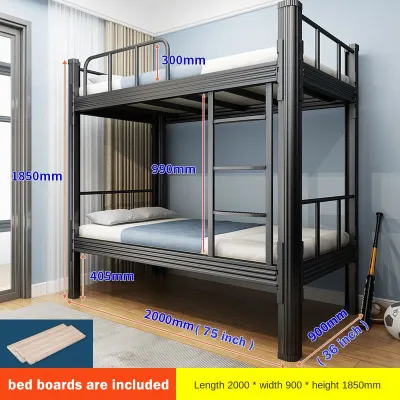
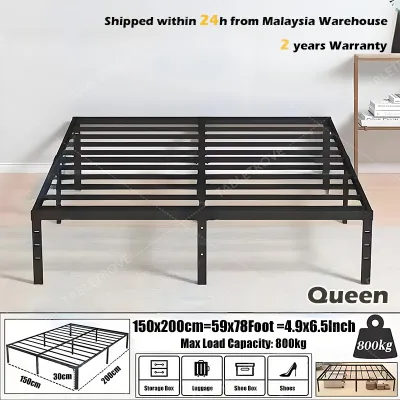
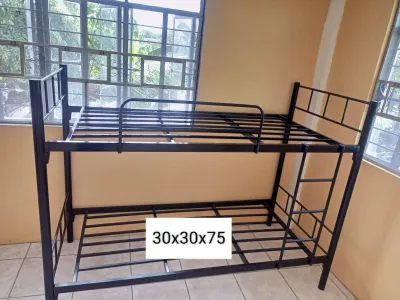
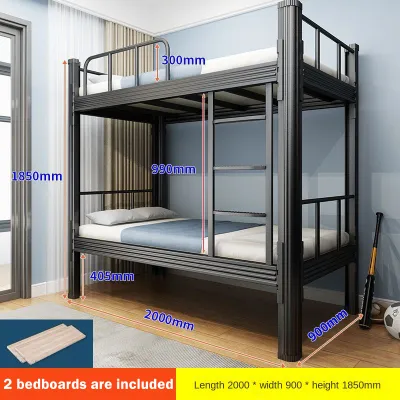

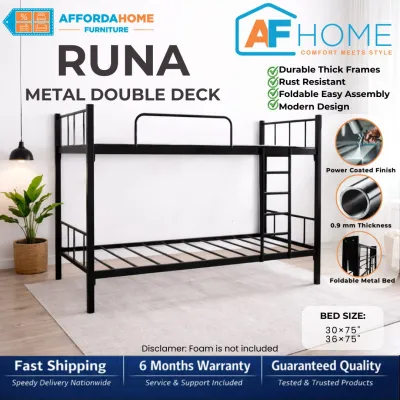
Prices are valid at publication and may change. Please refer to the product page for the latest price.
In the Philippines, urban density has made compact living spaces like studio apartments, small townhouses, and high-rise condominiums the norm. Families often maximize these limited square meters by sharing bedrooms or hosting visiting relatives, which puts immense physical stress on furniture. A standard, lightweight bunk bed can quickly become a safety hazard under these conditions, leading to bent frames, loose joints, and dangerous wobbling.
Additionally, the local tropical climate plays a massive role in material degradation. The Philippines experiences high relative humidity throughout the year, which can cause cheap, untreated metal frames to rust rapidly, especially in coastal areas. For wooden frames, excess moisture in the air can lead to warping, swelling, and mold if the wood is not properly sealed or treated. Therefore, choosing a true heavy-duty frame is not just about weight capacity; it is also about selecting materials treated to withstand these environmental challenges.
Ultimately, “heavy-duty” must be treated as a verifiable engineering standard rather than a mere marketing buzzword. Investing in a structurally sound frame prevents premature replacement and ensures a safe, stable sleeping environment for everyone in the household.
Essential Specifications to Verify Before Purchasing
When shopping for a heavy-duty bunk bed, you must evaluate several concrete technical specifications to ensure the frame is safe and fits your room perfectly. Relying on vague seller claims can lead to purchasing an inadequate product.

Weight Capacity Limits Look for manufacturers that explicitly state the weight limit per bunk, rather than offering a single, vague total capacity for the entire unit. A genuine heavy-duty double deck bed should easily support at least 150 kilograms on the lower deck and 100 to 150 kilograms on the upper deck. This rating must account for the combined weight of the sleepers and the mattresses. Be cautious of sellers who use generic phrases like “adult-friendly” without providing concrete, verified weight limits.
Material Thickness and Grade For steel frames, the thickness of the metal tubes is measured by gauge; a lower gauge number indicates thicker, stronger steel. Look for frames made from 14-gauge or 16-gauge steel, which offer superior rigidity compared to flimsy 20-gauge alternatives. For solid wood frames, inspect the thickness of the main support posts. The posts should ideally measure at least 6 centimeters by 6 centimeters to provide a stable foundation. Additionally, ensure the frame features multiple horizontal support slats and a reinforced center beam to prevent the mattress from sagging.
Footprint and Clearance Measurements In compact bedrooms, precise spatial planning is non-negotiable. Before purchasing, measure the exact floor area where the bed will be placed, taking into account protruding baseboards, electrical outlets, light switches, and the swing clearance of closet doors. You must also ensure there is enough clearance around the ladder or staircase so that users can climb up and down safely without blocking pathways or entryways.
Hardware and Joinery The structural integrity of a bunk bed relies heavily on its joints. Heavy-duty frames utilize robust mechanical fasteners, such as high-tensile steel bolts, locking nuts, and heavy-duty metal brackets that clamp the components tightly together. Avoid beds that rely primarily on wood screws, dowels, or basic glue, as these fasteners are prone to loosening over time under the physical stress of daily use and the swelling cycles caused by fluctuating humidity.
Recommended Frame Types for Small Spaces and High Weight Limits
Balancing a high weight capacity with a compact footprint requires choosing the right structural configuration and material type. Different frame styles offer unique advantages depending on your room layout and aesthetic preferences.
Reinforced Steel Frame Bunk Beds
Metal frames are highly popular in compact Philippine homes because of their slim profiles. They occupy significantly less physical floor space than bulky wooden frames while offering exceptional tensile strength. This makes them ideal for tight condo bedrooms where every centimeter of floor space is highly valuable.
When selecting a heavy-duty steel bed, look for frames finished with electrostatically applied powder coating. This specialized finish creates a durable barrier against moisture, effectively preventing rust and corrosion in humid environments. Ensure the bed features fully welded joint connections at key stress points, supplemented by heavy-duty bolts, and includes a series of welded steel mattress support slats with reinforced center support beams.
The primary trade-off with steel frames is the potential for noise. Over time, slight movements can cause metal-on-metal friction, resulting in annoying squeaking sounds. To mitigate this issue, perform regular maintenance checks to tighten loose bolts, and consider placing rubber washers or specialized isolation tape between metal contact points during the assembly process.
Solid Hardwood Frames with Metal Brackets
For homeowners who prefer a warmer, more traditional aesthetic, solid wood offers a sturdy, substantial feel that complements various interior styles. However, you must distinguish between engineered wood products—such as MDF, particleboard, or cheap plywood laminates, which warp and fail under heavy loads—and genuine solid hardwoods like mahogany, tanguile, or high-quality imported pine.
To ensure a wooden frame is truly heavy-duty, check that it incorporates heavy metal reinforcement brackets at the corners and along the mattress slat supports. These brackets distribute weight away from the wood fibers, preventing splitting or cracking under sudden impacts or heavy loads.
In the tropical Philippine climate, wood must be properly kiln-dried and treated. Untreated wood will absorb atmospheric moisture, leading to swelling, warping, and susceptibility to wood-boring insects, locally known as bukbok. Ask the manufacturer for confirmation of kiln-drying and anti-termite treatment before purchasing.
L-Shaped and Loft-Style Heavy-Duty Configurations
If your bedroom layout allows, alternative configurations can dramatically optimize limited floor space. L-shaped bunk beds place the bottom bed perpendicular to the top, creating a cozy nook underneath for a small desk, storage chest, or play area. Alternatively, a heavy-duty loft bed elevates the sleeping platform entirely, freeing up the entire floor space beneath for a home office, study desk, or wardrobe.
Because these designs are asymmetrical or highly elevated, they require exceptional structural engineering to remain safe. Look for models with robust corner bracing, extra-wide base footprints, or integrated stabilizer bars that lower the center of gravity and prevent tipping or swaying when a person climbs up.
Additionally, verify the weight capacity of any integrated lower structures. If a loft bed features a built-in desk or shelving unit, ensure these components are rated to handle the weight of computers, books, and daily use without compromising the stability of the entire frame.
Space Planning and Safety Checks for Condo Layouts
Installing a heavy-duty double deck bed in a multi-story dwelling or condominium requires careful logistical planning and safety checks to ensure a smooth setup and secure use.
Delivery and Access Logistics Before placing an order, map out the delivery route. Many high-rise condos in Metro Manila and other urban areas have strict size limits for service elevators and tight angles in stairwells. Measure the height, width, and diagonal clearance of all doorways, corridors, and elevator doors. Ensure the longest components of the bed frame, such as the side rails or corner posts, can be safely transported to your unit without getting stuck.
Ceiling Height and Top Bunk Clearance Standard residential ceiling heights in Philippine condos often range from 2.4 to 2.7 meters. To calculate safe top-bunk clearance, subtract the height of the bed frame’s top deck plus the thickness of your mattress from the total ceiling height. The remaining space should be at least 75 to 90 centimeters, allowing an adult to sit up comfortably without risking head injury. Always position the bed away from ceiling fans, light fixtures, and air conditioning units.
Guardrail and Ladder Safety Safety is paramount for elevated sleeping surfaces. The guardrails on the top bunk must extend at least 13 to 15 centimeters above the top surface of the mattress to prevent accidental falls during sleep. When choosing between access methods, straight ladders save the most floor space but can be challenging to climb safely. Angled staircases with built-in drawers are much safer and provide valuable extra storage, though they require a larger overall footprint.
Wall Anchoring Even the heaviest, sturdiest double deck bed can experience minor swaying, which can worsen over time and compromise the joints. To eliminate the risk of tipping, especially in active households or regions prone to seismic activity, strongly consider anchoring the bed frame directly to the wall studs. Use heavy-duty wall anchors and brackets designed for concrete, brick, or drywall, depending on your condo’s wall construction.
Sourcing and Verifying Quality from Local and Online Retailers
Finding a high-quality heavy-duty bed requires a strategic approach to shopping, whether you prefer browsing online marketplaces or visiting physical showrooms.
Navigating Online Marketplaces When browsing popular e-commerce platforms in the Philippines, filter search results carefully and look past generic promotional titles. Read customer reviews thoroughly, paying close attention to photos and videos uploaded by actual buyers. Search the reviews for specific terms like “wobble,” “shake,” “rust,” “bent,” and “missing parts” to gauge the real-world performance and durability of the frame.
Requesting Proof of Specifications Do not hesitate to contact the seller or manufacturer directly before making a purchase. Ask for official product datasheets, maximum weight capacity test certificates, and exact material specifications (such as metal gauge or wood species). Reputable brands specializing in heavy-duty furniture will readily provide this information and offer clear guidance on mattress compatibility.
Inspecting in Physical Showrooms Whenever possible, visit local furniture showrooms or manufacturing workshops in areas like Pampanga, Rizal, or Metro Manila to inspect the beds in person. Test the structural rigidity by firmly shaking the corner posts of the display model. Inspect the weld joints on metal frames; they should be smooth, continuous, and free of cracks or air bubbles. Check the wood finish for even application, ensuring there are no exposed, unsealed areas.
Understanding Warranties and Return Policies A genuine heavy-duty double deck bed is a long-term investment, and the warranty should reflect that. Look for warranties that cover structural failures, weld breaks, or frame bending for at least one to five years. Carefully read the return policy, especially regarding who covers the shipping costs for bulky, heavy items if the product arrives damaged or does not match the advertised specifications.
Frequently Asked Questions (FAQ)
Can a heavy-duty double deck bed safely support two adults?
Yes, a high-quality heavy-duty double deck bed can safely support two adults, provided you verify the weight capacity for each individual bunk. Many heavy-duty models are rated for 150 kg or more per level, which easily accommodates average adult weights. Ensure the mattress support system features robust steel slats or solid wood panels with center support rails to distribute the weight evenly, and use a mattress within the manufacturer’s recommended thickness to keep the top guardrails effective.
How do I protect a metal bunk bed from rust in a humid climate?
To protect a metal frame from rust in the humid Philippine climate, start by choosing a bed with a high-quality powder-coated finish. Conduct regular visual inspections of the joints, welds, and ladder rungs for any scratches or chips in the paint. Keep the bedroom well-ventilated, and use air conditioning or a dehumidifier if moisture levels are consistently high. If you notice minor scratches, clean the area immediately and apply a manufacturer-approved rust-inhibiting touch-up paint to seal the bare metal.
What is the minimum ceiling height needed for safe top-bunk clearance?
While a standard ceiling height of 2.4 meters is generally sufficient for most standard bunk beds, the critical factor is the distance from the top of the mattress to the ceiling. You should maintain a minimum clearance of 75 to 90 centimeters between the mattress surface and the ceiling. This allows the sleeper to sit up comfortably without bumping their head. Remember to factor in the thickness of your mattress when calculating this distance, as a thicker mattress will reduce the safe clearance space.
Community discussion
Share your experience or ask a question. Comments are reviewed before publication.