
Setting up a balcony bar in the Philippines transforms a small outdoor space into a personal sanctuary or an entertainment hub. To make this setup work, choosing a foldable table heavy duty enough to withstand both the physical load of bottles and glassware and the harsh tropical climate is essential. A reliable table must offer structural stability, weather-resistant materials, and a convenient folding mechanism that allows you to reclaim your balcony floor space whenever needed.
When selecting a table, you must look beyond aesthetic appeal and consider how the materials and design will perform under intense heat, high humidity, and heavy monsoon rains. This guide breaks down the structural requirements, material choices, and key features to look for when selecting a heavy-duty foldable table for your Philippine balcony bar.
Defining "Heavy-Duty" for Outdoor Balcony Bars
The term “heavy-duty” is frequently used in product listings, but its actual meaning must be verified through structural specifications rather than marketing claims. For an outdoor balcony bar, a truly heavy-duty table is one engineered to remain stable under lateral pressure while supporting significant weight without bowing or shaking. This requires a combination of robust frame materials, reinforced joints, and secure locking mechanisms.
Products mentioned in this guide
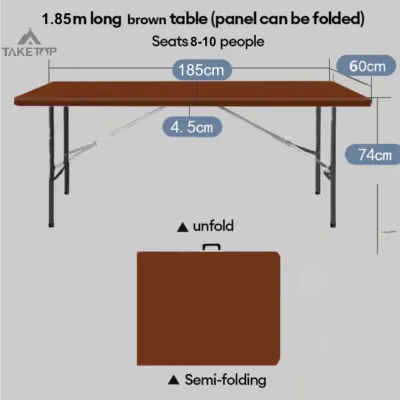
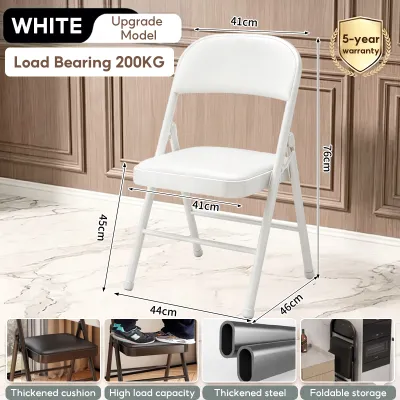
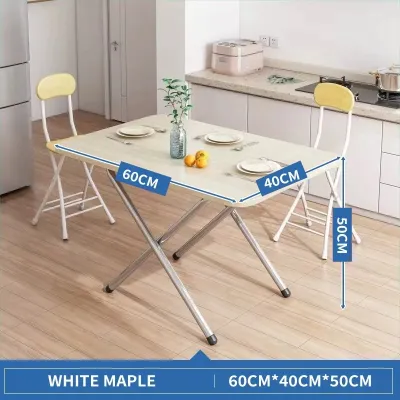
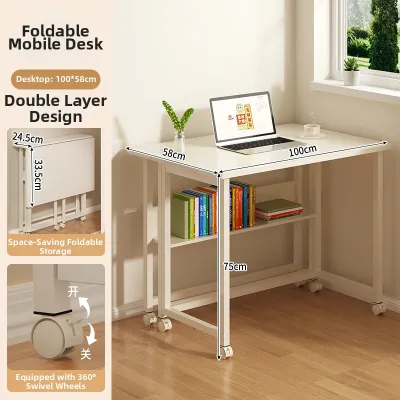
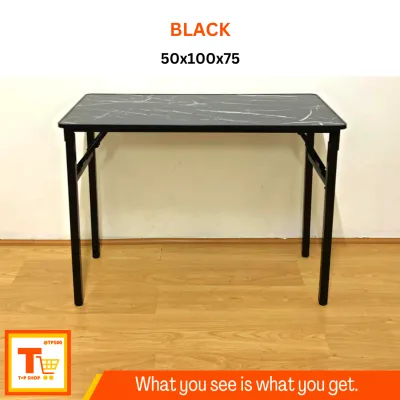
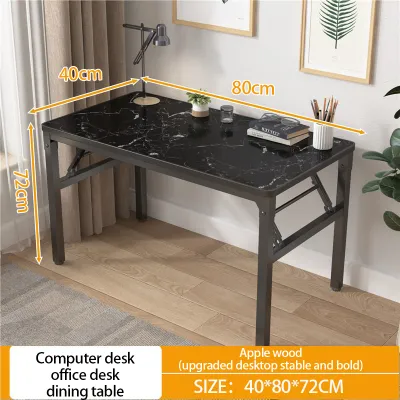
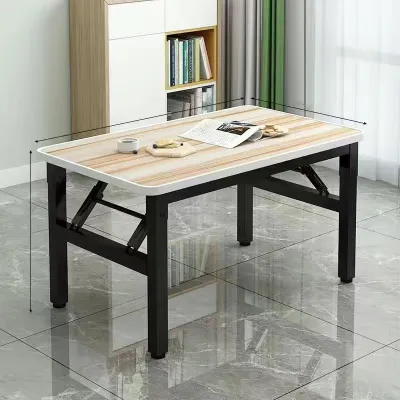
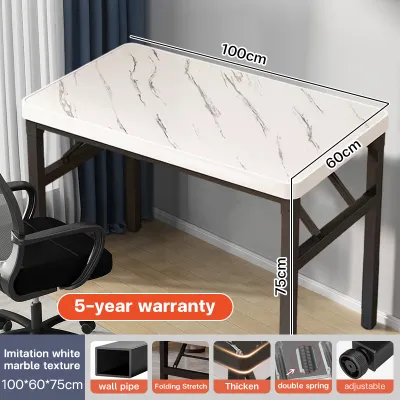
Prices are valid at publication and may change. Please refer to the product page for the latest price.
The frame serves as the backbone of the table, and its material composition directly dictates its longevity and weight capacity. Look for frames constructed from heavy-gauge, powder-coated steel or reinforced aluminum. Powder coating is a critical dry finishing process where protective polymer resins are electrostatically applied and cured under heat, creating a hard finish that is far more resistant to chipping, scratching, and corrosion than standard liquid paint.
Joint construction and leg bracing are equally vital for structural integrity. High-quality tables feature welded joints rather than simple bolted connections, along with diagonal cross-braces that connect the legs to the underside of the tabletop. These braces distribute weight evenly and prevent the table from swaying when guests lean against it or when heavy bottles are placed on the surface.
In the Philippines, the tropical climate presents unique environmental challenges that accelerate the wear and tear of outdoor furniture. High humidity levels, salt-laden air in coastal areas, and intense ultraviolet (UV) radiation can quickly degrade unprotected metals and plastics. Therefore, verifying that the frame has undergone rust-resistant treatments and that any plastic components are UV-stabilized is non-negotiable for ensuring your table does not degrade within a few seasons.
To ensure safety, always check the manufacturer’s technical specifications for an explicit weight capacity rating. A reliable heavy-duty table should clearly state its maximum load capacity, which typically ranges from 100 to over 300 kilograms for freestanding commercial models. Relying on vague product descriptions like “supports heavy loads” without numerical proof increases the risk of structural failure and damage to your bar equipment.
Essential Features for a Functional Balcony Bar Setup
Choosing the right table height is the first step in creating a comfortable and functional balcony bar. Standard dining tables typically stand at around 30 inches (76 cm) high, which is too low for a bar setup. For a true bar feel, you should look for counter-height tables, which stand at 36 inches (91 cm), or bar-height tables, which range from 40 to 42 inches (102 to 107 cm) high.

The table height must align correctly with your seating and the balcony railing. If you plan to use standard bar stools, which usually have seat heights of 28 to 32 inches, a bar-height table is necessary to provide comfortable leg clearance. Additionally, the table height should ideally sit below or level with your balcony railing to preserve your view while ensuring that items on the table are shielded from sudden gusts of wind.
Surface materials for a balcony bar must be exceptionally durable and easy to clean. The tabletop will regularly encounter condensation from ice-cold drinks, accidental spills of acidic liquids like calamansi juice or alcohol, and exposure to greasy finger foods. Look for non-porous surfaces that resist staining, do not absorb moisture, and can be quickly wiped clean with a damp cloth without leaving water rings.
Space management is a primary concern for high-rise condominium balconies in urban centers like Metro Manila or Cebu, where floor space is limited. Before purchasing, measure your balcony’s finished dimensions and check the width of your doorways and service elevators to ensure the table can be easily transported. Evaluate the table’s folded dimensions and thickness; a table that folds down to a profile of three inches or less can easily slide behind a washing machine, stand against a wall, or fit inside a narrow utility closet.
Finally, pay close attention to the feet of the table. Heavy-duty tables should be equipped with non-slip, non-marking rubber or polyurethane foot caps. These caps serve a dual purpose: they provide essential grip on smooth balcony tiles to prevent the table from sliding during high winds, and they protect your flooring from scratches and scuffs when the table is moved or folded away.
Top Foldable Table Designs for Balcony Bars
Different balcony layouts and personal design preferences require specific structural configurations. Understanding the primary table designs available in the market allows you to select a model that balances load capacity, aesthetic appeal, and space efficiency.
Commercial-Grade Resin and Steel-Frame Tables
Commercial-grade resin tables are highly popular for heavy-duty applications due to their exceptional durability and utility. These tables feature a tabletop made from high-density polyethylene (HDPE), a thermoplastic polymer known for its high strength-to-density ratio and resistance to impacts. The HDPE top is paired with a thick, powder-coated steel tube frame that provides a solid foundation.
The primary advantage of these tables is their outstanding weight capacity and resilience. They are virtually impervious to water damage, do not rot or splinter, and can withstand heavy loads of bar equipment, ice buckets, and glassware without flexing. Additionally, the textured resin surface is highly resistant to staining and can be cleaned easily with mild household detergents.
However, these tables come with clear trade-offs. The industrial, utilitarian appearance of white or grey plastic may not match a sophisticated balcony lounge aesthetic. Furthermore, because of their robust construction, these tables are significantly heavier to carry and set up, and they require a larger storage footprint even when folded in half.
Weatherproof Wood-Composite and Treated Bamboo Tables
For homeowners who prefer a warmer, more natural aesthetic, wood-plastic composite (WPC) or heavily treated bamboo tables offer an excellent alternative. These materials mimic the organic look and texture of natural wood while providing enhanced resistance to the elements. Wood-plastic composites blend wood fibers with thermoplastics to create a highly stable material that does not require regular staining or sealing.
Treated bamboo tables utilize engineered bamboo that has been pressure-treated, laminated, and sealed with protective resins to prevent moisture absorption. These tables offer a premium, resort-like appearance that complements tropical balcony gardens and cozy lounge chairs. They are highly resistant to moisture warping, checking, and splintering, which are common issues with untreated solid wood in humid environments.
When choosing a composite or bamboo table, it is crucial to inspect the quality of the edge sealing and the hardware. Moisture can penetrate poorly sealed edges, causing the internal fibers to swell and degrade over time. Ensure that all assembly screws, hinges, and brackets are made from stainless steel or brass to prevent rust from compromising the structural joints.
Wall-Mounted Fold-Down Bar Tables
When dealing with narrow or compact balconies where a freestanding table would block walkways or restrict movement, wall-mounted fold-down tables are the ideal solution. These tables feature a drop-leaf design where the tabletop is mounted directly to the balcony wall or railing and can be folded flat against the surface when not in use, completely freeing up the floor space.
The safety and load capacity of a wall-mounted table depend entirely on the structural integrity of the mounting surface and the hardware used. In the Philippines, most condominium balconies feature solid concrete or structural concrete block walls, which provide an excellent, stable substrate for mounting. You must avoid mounting heavy-duty tables to lightweight drywall, thin plasterboard, or decorative cladding without securing them directly to the structural studs.
During installation, always use heavy-duty masonry anchors, such as steel sleeve anchors or expansion bolts, rather than standard plastic wall plugs. Because the wall and the folding brackets bear the entire downward and lateral load, a flawless installation is the single most important factor in preventing the table from collapsing. If you are unsure about the wall material or do not have the proper rotary hammer drill, hiring a professional installer is highly recommended.
How to Verify Stability and Weight Capacity
Before fully loading your new table with expensive glassware, bottles, and bar accessories, you must verify its stability and weight capacity. A heavy-duty table must feel rock-solid when assembled, with no noticeable wobble or sway when horizontal pressure is applied. This verification process should begin during the purchase phase and be repeated as a physical inspection upon delivery.
When evaluating a table, look for dual-locking mechanisms on the folding legs. High-quality tables use gravity-slide rings or spring-loaded pins that automatically lock the leg hinges into the fully extended position. These locks prevent the legs from accidentally folding inward if the table is bumped or shifted. Additionally, check for the presence of horizontal cross-bars near the base of the legs, which reinforce the frame against lateral forces.
Understanding how manufacturers calculate weight limits is essential for safe usage. Most weight ratings assume an “evenly distributed load,” meaning the weight is spread uniformly across the entire surface of the tabletop. If you place a very heavy object, such as a large ceramic drink dispenser or a heavy ice chest, in a single spot (a “point load”), the table may experience localized stress that exceeds its structural limits, even if the total weight is below the maximum rating.
Once your table is delivered, perform a systematic stability check before using it for your balcony bar:
- Inspect the locks: Fully assemble the table on a flat surface and ensure that all leg locks and hinge pins are completely engaged and secure.
- Check for levelness: Place the table in its intended spot on the balcony and check if all feet make firm contact with the floor; if the table wobbles due to uneven balcony tiles, adjust the leveling feet if your model has them, or use durable rubber shims.
- Perform a gentle shake test: Grasp the edges of the table and gently shake it from side to side and front to back to check for excessive play or loose joints in the frame.
- Apply gradual weight: Place a moderate, stable weight (such as a stack of books or a filled water container) on the center of the table and observe if there is any bowing in the tabletop or slipping in the leg locks.
Maintaining Your Foldable Table in Tropical Climates
The combination of high humidity, intense sunlight, and heavy rainfall in the Philippines can shorten the lifespan of outdoor furniture if proper maintenance is neglected. Fortunately, keeping your heavy-duty foldable table in optimal condition requires only a few simple, low-risk steps that prevent premature wear and cosmetic damage.
Prompt cleanup of spills is the most effective way to prevent permanent staining and surface degradation. While resin and composite surfaces are highly resistant to liquids, highly acidic spills like calamansi juice, red wine, or dark spirits can etch or discolor protective coatings if left to dry in the hot sun. Keep a microfiber cloth nearby to wipe up spills as soon as they occur.
For routine cleaning, use a mild solution of liquid dish soap and warm water applied with a soft sponge or cloth. Avoid using harsh abrasive cleaners, steel wool, or stiff-bristled brushes, as these can scratch plastic surfaces and strip away the protective zinc or powder coatings on the metal frame. After washing, rinse the table thoroughly with clean water and dry it with a towel to prevent water spots and mineral buildup.
Proper storage and protection are vital during the monsoon season or when the table is not in use for extended periods. Whenever possible, fold the table down and store it in a dry, shaded indoor area, such as a utility room or a covered hallway. If indoor storage is not an option, invest in a high-quality, breathable, and waterproof furniture cover. Ensure the cover is securely fastened to prevent wind from blowing it away, and choose a breathable fabric that prevents moisture from becoming trapped underneath, which can lead to mold growth and accelerated corrosion of the metal hinges.
Frequently Asked Questions (FAQ)
Can I leave a heavy-duty foldable table outside in the rain?
While heavy-duty tables made from weather-resistant materials like HDPE, powder-coated steel, or wood-plastic composites can withstand occasional rain showers, leaving them permanently exposed to wet conditions is not recommended. Over time, persistent moisture can seep into joints, hinges, and screw holes, leading to rust, mold, and structural degradation. To maximize the lifespan of your table, fold it and store it in a dry, covered area or use a waterproof cover when rain is expected.
What is the standard height for a balcony bar table?
A standard balcony bar table typically stands between 40 and 42 inches (102 to 107 cm) high, which aligns perfectly with standard bar stools that have a seat height of 28 to 32 inches. If you prefer a slightly lower profile, a counter-height table standing at 36 inches (91 cm) is an excellent alternative that pairs well with 24-to-26-inch counter stools. Always measure your balcony railing height before purchasing to ensure the table does not block your view or create a safety hazard.
Community discussion
Share your experience or ask a question. Comments are reviewed before publication.