
In compact Philippine condominium units, maximizing every square inch of space is a daily necessity. When it comes to organizing a small condo bathroom, InHome drill-free storage products offer an exceptional balance of utility, style, and structural safety. These damage-free solutions allow you to install corner shelves, towel bars, and hanging organizers without drilling a single hole into your walls. By utilizing high-strength adhesives, suction mechanisms, and tension designs, you can easily customize your bathroom layout while keeping your lease agreement intact and your security deposit secure.
Choosing the right drill-free storage requires understanding how different materials and mounting methods perform in high-humidity environments. In the Philippines, where tropical humidity is consistently high, selecting moisture-resistant organizers and installing them correctly makes the difference between a long-lasting storage setup and a shelf that falls in the middle of the night. This guide explores the best storage categories, detailed selection criteria, and proper installation techniques to help you create a highly functional, clutter-free condo bathroom.
Why Drill-Free Storage is Essential for Condo Bathrooms
Condominium living in major Philippine urban hubs comes with strict structural guidelines. Most property management offices and landlords enforce rigid rules against altering walls, specifically prohibiting drilling into bathroom tiles or concrete backer boards. Violating these terms can lead to significant penalties or deductions from your security deposit when your lease ends. Drill-free organizers allow you to bypass these restrictions entirely, giving you the freedom to customize your space without permanent structural modifications.
Products mentioned in this guide
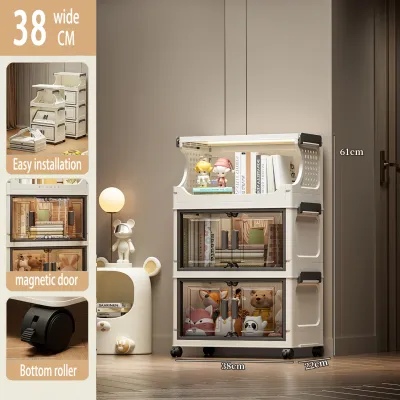

Prices are valid at publication and may change. Please refer to the product page for the latest price.
Beyond administrative rules, drilling into bathroom walls carries substantial physical risks. Modern condo bathrooms are compact, with plumbing lines and electrical conduits routed directly behind the tiled walls. Without precise architectural blueprints, using a power drill in the shower zone runs a high risk of puncturing a water pipe or hitting a live electrical wire. A single misplaced drill hole can cause extensive water damage, disrupt utility services for your neighbors, and result in incredibly expensive emergency repair bills.
Furthermore, bathroom tiles are fragile and highly susceptible to damage during installation. Glazed ceramic, porcelain, and homogenous tiles require specialized diamond-tipped drill bits and a highly steady hand to penetrate without cracking. If a tile splits or chips during drilling, replacing it is rarely a simple patch job; it often requires sourcing matching tiles—which may no longer be in production—and hiring a professional mason. Drill-free storage eliminates this risk entirely, preserving the pristine condition of your tiled surfaces.
Finally, small condo layouts demand creative space optimization. Standard bathroom designs often leave valuable vertical areas and tight corners completely unused. Because you cannot easily install traditional wall-mounted cabinets, drill-free alternatives allow you to reclaim these dead zones. Whether it is the empty corner inside your shower enclosure or the space directly above your toilet, non-invasive storage solutions let you build upward, keeping your countertops clear and your daily essentials within arm’s reach.
How to Choose InHome No-Drill Products for Humid Bathrooms
To select the most reliable drill-free storage for your bathroom, you must first evaluate the specific mounting mechanism. The three primary options are traceless adhesive pads, suction cups, and tension-based poles. Traceless adhesives use a specialized polymer backing that bonds tightly to smooth surfaces, offering the highest weight capacity and excellent stability. Suction cups rely on a vacuum seal, making them incredibly easy to reposition, though they are highly sensitive to surface texture. Tension poles use internal spring-loaded mechanisms or screw-tightened compression to lock between the floor and ceiling, requiring no wall contact at all.

Material selection is another critical factor in a tropical climate. The high relative humidity in the Philippines accelerates the oxidation of metals, leading to unsightly rust and structural failure within months if low-grade materials are used. When browsing storage options, prioritize rust-resistant materials such as space aluminum, 304 stainless steel, or high-grade ABS plastics. Space aluminum is particularly well-suited for bathrooms because it is lightweight, highly durable, and naturally resistant to corrosion, even when exposed to direct water spray daily.
Before purchasing any drill-free product, always verify its surface compatibility against your bathroom walls. Read the manufacturer’s product labels and specifications carefully to confirm which surfaces the mounting system supports. Smooth glass, acrylic panels, and glazed ceramic tiles are ideal for almost all drill-free mounting types. However, if your bathroom features textured stone, matte-finished tiles, porous slate, or painted drywall, standard suction cups and adhesives will struggle to maintain a secure grip. For these challenging surfaces, tension-based systems or specialized heavy-duty adhesives are required.
Lastly, pay close attention to the surface area of the mounting plate. For adhesive-based products, a larger base plate distributes weight more effectively across the tile surface, reducing the shear stress on any single point. In humid conditions, steam and warmth can slightly soften adhesive compounds over time. A wide, generous adhesive pad provides a much stronger, more resilient bond that can withstand the weight of heavy, wet shampoo bottles without sliding or peeling away from the wall.
Best InHome Drill-Free Storage Categories for Small Bathrooms
Adhesive Corner Shelves for Shower Essentials
Adhesive corner shelves are the ultimate space-saving solution for the wet zone of your bathroom. The corners of a shower enclosure are almost always underutilized, making them the perfect spot to consolidate your daily hygiene products. By installing a triangular corner shelf, you can move bulky shampoo bottles, body washes, and facial cleansers off the floor or the edge of the tub, instantly making the shower area feel larger and more organized.
When choosing a corner shelf, look for hollow-out, slatted, or open-wire designs. These patterns allow water to drain away instantly after a shower, preventing water from pooling around the bases of your bottles. Rapid drainage is essential for preventing the buildup of soap scum, mold, and mildew, which thrive in stagnant water. Wire caddies made from space aluminum or powder-coated stainless steel keep your toiletries dry and hygienic while remaining incredibly easy to wipe clean.
It is important to note that adhesive corner shelves have strict surface limitations. They require a perfectly flat, non-porous surface to form a secure bond. While they perform exceptionally well on standard glazed ceramic or porcelain tiles, they should never be installed on painted drywall, wallpaper, or highly textured natural stone. The weight of the shelf combined with the moisture in the air will cause the adhesive to pull away, tearing the paint or paper and causing the shelf to fall.
Tension-Pole and Suction-Cup Towel Racks
Towel storage can be incredibly difficult to manage in a small condo bathroom, especially when you need to dry multiple towels simultaneously. Tension-pole organizers offer an elegant solution by utilizing vertical space from the floor to the ceiling or from the edge of the bathtub to the ceiling. These poles feature adjustable trays, hooks, and hangers that can be rotated and positioned at various heights, providing ample storage without requiring any wall contact or leaving any sticky adhesive residue behind.
For smaller hand towels or washcloths, suction-cup towel bars and hooks offer excellent flexibility. However, suction-cup mechanisms require an absolute airtight seal to function properly. This means they must be installed on completely smooth, non-porous surfaces like glass shower panels or highly polished tiles. If you attempt to install a suction cup over a grout line or on a matte-finished tile, air will slowly seep under the cup, breaking the vacuum seal and causing the rack to slip off the wall.
To maximize the efficiency of your towel racks, focus on strategic placement that promotes air circulation. In a humid bathroom, towels take much longer to dry, which can lead to musty odors and bacterial growth. Position your tension poles or suction-cup racks in well-ventilated areas, such as near the bathroom exhaust fan or away from the direct spray of the shower. Spacing out your towels on multi-tiered racks ensures they dry quickly and remain fresh between uses.
Over-the-Door and Hanging Organizers
The back of your bathroom door is prime storage real estate that is often completely overlooked. Over-the-door organizers and hanging racks allow you to store items completely outside the direct wet zone of the bathroom. This makes them ideal for housing items that must stay dry, such as clean bath towels, bathrobes, hair styling tools, spare toilet paper rolls, and dry cleaning supplies.
Before purchasing an over-the-door organizer, you must perform a few crucial structural checks. First, measure the clearance gap at the top and bottom of your bathroom door when it is closed. Most over-the-door hooks require a gap of at least 2 to 3 millimeters to allow the door to open and close smoothly without binding. Additionally, assess the strength of your door hinges. Many modern condo doors are hollow-core wood or PVC, which can sag or warp if subjected to excessive, uneven weight over a long period.
To protect your door from cosmetic damage, look for organizers that feature padded or silicone-coated hooks. Unprotected metal hooks can scratch the paint or laminate finish of your door every time it is opened or closed. Silicone padding also acts as a dampener, preventing the organizer from rattling or banging against the door panel when you enter or exit the room, ensuring a quiet and premium-feeling bathroom environment.
Safe Installation and Maintenance for Tiled Bathroom Walls
Achieving a long-lasting, reliable hold with drill-free bathroom storage depends heavily on proper installation. The first and most critical step is thorough surface preparation. Even if your bathroom tiles look clean, they are often coated in an invisible layer of soap scum, body oils, and moisture. Wash the target tile area with dish soap to cut through grease, rinse thoroughly, and then wipe the surface down with 70% isopropyl or ethyl rubbing alcohol. Allow the tile to dry completely before applying any adhesive; even a tiny amount of moisture can ruin the chemical bond.
Once the adhesive pad is applied to the clean, dry tile, you must respect the mandatory curing time. Press the adhesive pad firmly against the wall, working from the center outward to push out any trapped air bubbles. After application, do not hang the storage shelf or add any weight to the organizer immediately. Most manufacturers require the adhesive to cure undisturbed for 24 to 72 hours. In the highly humid tropical climate of the Philippines, it is highly recommended to wait the full 72 hours to ensure the polymer bond reaches its maximum load-bearing strength.
When it comes time to move out of your condo or rearrange your bathroom layout, removing drill-free adhesives requires a gentle, patient approach to prevent surface damage. Never try to pry or rip an adhesive pad off the wall with brute force, as this can easily crack the tile or peel away the glaze. Instead, use a hairdryer or a portable heat gun on a medium-high setting to blow hot air directly onto the adhesive pad for a few minutes. The heat will soften the acrylic adhesive, making it pliable. Once softened, slide a piece of dental floss or thin fishing line behind the pad and gently slice downward through the foam backing.
To ensure your storage setup remains secure over the years, establish a routine maintenance check. Every few months, visually inspect the edges of your adhesive pads and suction cups, especially those located directly under or near hot showerheads. Look for any signs of peeling, lifting, or discoloration. If you notice an adhesive pad beginning to fail, remove it immediately, clean the tile, and replace the pad with a fresh adhesive refill to prevent your shelf and toiletries from falling unexpectedly.
Frequently Asked Questions (FAQ)
Can drill-free adhesive damage bathroom tiles when removed?
High-quality, traceless acrylic adhesives will not damage glazed ceramic, porcelain, or glass tiles when they are removed correctly. Because these surfaces are non-porous and highly durable, the adhesive bonds only to the surface layer and can be cleanly sliced away using heat and dental floss. Any remaining sticky residue can be easily wiped off with rubbing alcohol, eucalyptus oil, or a standard adhesive remover, leaving the tile in its original, pristine condition.
However, you must avoid using strong adhesives on painted walls, wallpaper, or fragile, unsealed natural stone tiles. Because these materials are porous or have delicate surface layers, the adhesive will penetrate deep into the material. When you attempt to remove the pad, the bond will be stronger than the wall surface itself, causing the paint to peel, the wallpaper to tear, or the natural stone to chip and flake.
How much weight can no-drill bathroom shelves actually hold?
The weight capacity of drill-free bathroom shelves varies significantly based on the specific product design, the size of the adhesive pad, and the texture of your wall. On average, high-quality adhesive corner shelves can safely support between 5 to 10 kilograms of weight when installed on perfectly smooth, clean tiles. Suction-cup organizers generally have a lower capacity, typically holding between 2 to 5 kilograms.
To find the exact weight limit for your specific organizer, always consult the manufacturer’s packaging and product instructions. To prevent long-term adhesive creep—where the adhesive slowly slides down the wall under constant stress—it is best to distribute the weight of your toiletries evenly across the shelf. Avoid overloading a single corner shelf with multiple heavy, liter-sized glass bottles; instead, transfer heavy liquids into smaller, lightweight plastic dispenser bottles.
Community discussion
Share your experience or ask a question. Comments are reviewed before publication.