
Maximizing your cabinet space requires a strategic combination of vertical hanging solutions, modular shelving, and pull-out drawers tailored to your specific wardrobe items. Instead of cramming items onto a single rod or letting piles collapse on deep shelves, the key is to systematically divide the interior into distinct functional zones. Before buying any accessories, you must measure the interior dimensions of your cabinet and assess its structural limits to ensure everything fits and functions properly. By mapping the right organizer to the upper, middle, lower, and door zones, you can eliminate dead zones and create a highly efficient storage system.
How to Measure and Assess Your Cabinet Before Buying
Before purchasing any organizers, you must accurately measure the interior dimensions of your cabinet using a metal tape measure. Measure the absolute width, height, and depth from the inside surfaces, rather than the exterior panels. Be highly attentive to internal obstructions such as protruding door hinges, sliding door tracks, center support panels, and face frames, as these elements can reduce the actual usable clearance by several centimeters.
You must also evaluate the door clearance and the physical path that drawers or pull-out baskets will take when fully extended. For cabinets with hinged doors, ensure that side-mounted drawer slides will clear the door when it is open at a ninety-degree angle, as hinges often block the outer edges of the opening. For sliding doors, remember that only one side of the cabinet is accessible at any given time, which completely rules out full-width pull-out drawers and requires half-width configurations instead.
Products mentioned in this guide
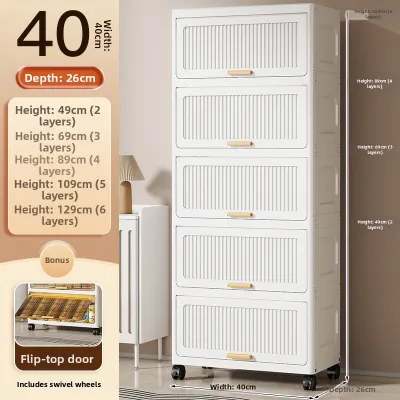
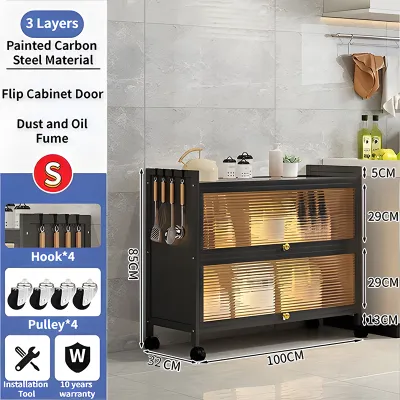
Prices are valid at publication and may change. Please refer to the product page for the latest price.
Another critical step is evaluating the weight capacity of your existing shelves and the overall cabinet frame material. Many modern wardrobes are constructed from engineered wood, such as particleboard or medium-density fiberboard (MDF), which have limited screw-holding capacity and can sag under heavy loads. If you plan to add heavy metal pull-out systems or stack dense items, you must verify that the supporting panels can handle the extra weight without bending or pulling away from their wall fasteners.
Finally, take time to identify the specific dead spaces within your current setup that are ripe for optimization. These typically include the empty air space directly above your hanging rods, the unused floor area beneath short hanging garments like shirts and skirts, the blank flat panels on the inside of cabinet doors, and the hard-to-reach back corners of deep shelves. Pinpointing these underutilized zones allows you to choose targeted add-ons that directly address your wardrobe’s unique spatial gaps.
Best Internal Storage Organizers by Cabinet Zone
Hanging Organizers and Drop-Down Rods
Fabric hanging shelves and hanging shoe organizers are highly effective for utilizing open vertical hanging space without requiring permanent installation. These organizers attach directly to your existing wardrobe rod using wide hook-and-loop straps or sturdy metal hooks, instantly converting hanging space into a column of neat, fabric cubbies. They are ideal for storing lightweight, foldable items such as t-shirts, knitwear, activewear, and lightweight footwear that might otherwise clutter the floor or lower shelves.

For high cabinets where the upper wardrobe rod is out of arm’s reach, drop-down or pull-down hanging rods offer an excellent ergonomic solution. These mechanical systems feature a hydraulic or spring-assisted handle that allows you to pull the entire clothing rack down to chest height for easy access, then glide it smoothly back up into the high ceiling space. This maximizes the vertical capacity of tall cabinets, making high-up areas fully functional for daily clothing storage without requiring a step stool.
If your cabinet features a tall single-hanging section but you primarily store short garments like shirts, blouses, folded trousers, and skirts, you can install a secondary hanging rod to double your capacity. Adjustable tension rods or screw-mounted secondary rods can be positioned directly below your main rod to create two distinct tiers of hanging space. This simple adjustment effectively doubles the number of garments you can hang in the exact same footprint.
However, you must carefully observe the structural limitations and weight limits associated with these hanging solutions. Fabric organizers can sag, warp, or tear if overloaded with heavy denim, thick winter jackets, or heavy bags, so they should be reserved strictly for lightweight items. Mechanical pull-down rods require robust, secure mounting, meaning they must be screwed into solid wood side panels or reinforced cabinet ceilings; attempting to mount them to thin, unsupported MDF panels can result in structural failure.
Pull-Out Drawers, Baskets, and Bins
Deep lower cabinet shelves often become dark, inaccessible zones where clothing and accessories are forgotten at the back. Installing wire or solid pull-out baskets on sliding metal tracks solves this issue by allowing you to pull the entire contents of the shelf forward into full view and easy reach. This eliminates the need to bend down, crouch, or reach blindly into deep corners, making every square centimeter of your lower cabinet fully functional.
For existing shallow drawers that quickly turn into chaotic piles, modular drawer inserts and adjustable dividers are indispensable. These dividers partition your drawers into custom-sized compartments, keeping small accessories, underwear, socks, ties, and belts neatly separated and visible. This organization prevents items from shifting, tangling, or getting crushed at the back of the drawer every time it is opened or closed.
On the highest shelves of your cabinet, where visibility is low and access is difficult, lightweight fabric or plastic storage bins with front-facing handles are the best choice. These bins are perfect for storing seasonal clothing, extra bedding, blankets, or travel accessories that you do not need to access daily. The integrated front handles allow you to safely pull the bins down from a high shelf and slide them back into place with minimal effort.
Before committing to any sliding or pull-out components, you must perform essential installation checks. Ensure that the cabinet floor or shelf is perfectly level, as even a slight slope can cause pull-out drawers to drift open on their own or bind along their tracks. Additionally, verify that the drawer slides are rated for the weight of the items you plan to store, and confirm that the cabinet frame can support the shifting center of gravity when drawers are fully extended.
Stackable Shelves and Adjustable Dividers
Tall, empty vertical gaps between existing fixed shelves are a major source of wasted space in standard cabinets. Freestanding stackable shelf risers allow you to split these tall spaces in half without drilling holes or making permanent structural changes. By creating an additional elevated platform, you can double your storage capacity for folded clothes, shoes, or handbags, preventing them from being buried under tall, unstable stacks.
When you stack folded garments like sweaters, jeans, or linens directly on a shelf, the piles often topple over and create a messy, disorganized cabinet. Adjustable shelf dividers clip directly onto your existing shelves to act as sturdy vertical walls, keeping your clothing stacks upright, neat, and separated. This makes it easy to pull out a single item from the middle of a stack without causing the entire pile to collapse.
For structured handbags, high-end accessories, or designer shoes, acrylic or wood shelf inserts can create custom-sized cubbies within your cabinet. These rigid inserts provide the necessary structural support to keep bags upright, preserving their shape and preventing them from scuffing against adjacent items. They also create a clean, boutique-style aesthetic that makes organizing your favorite pieces highly satisfying.
For safety and long-term stability, always ensure that stackable shelf units are equipped with non-slip rubber feet to prevent them from sliding or shifting during daily use. You must also verify that the combined weight of the stackable riser and the items placed on top of it does not exceed the maximum load capacity of the base cabinet shelf. Overloading a single shelf can lead to bowing, cracking, or catastrophic structural failure of the shelf supports.
Door and Wall-Mounted Cabinet Solutions
The inside panels of cabinet doors and the interior side walls of your wardrobe are often completely ignored, yet they represent highly valuable storage space. Over-the-door hooks, hanging organizers, and slim racks can be mounted directly onto hinged doors to hold lightweight items like belts, ties, scarves, and small accessories. This keeps these items organized and immediately accessible, freeing up valuable drawer and shelf space.
On the interior side walls of the cabinet, you can install adhesive-backed or screw-mounted pegboards and small accessory racks. These vertical organizers are perfect for hanging necklaces, watches, bracelets, and other small daily items, keeping them flat, untangled, and in plain sight. Utilizing the side walls is an excellent way to turn narrow, otherwise useless gaps into a dedicated accessory station.
When utilizing these vertical surfaces, you must take careful precautions regarding weight and clearance. Always check the weight capacity of your cabinet door hinges before mounting organizers, as adding too much weight to a door can cause it to sag, misalign, or fail to close properly over time. Additionally, measure carefully to ensure that any door-mounted items will not hit your internal shelves or hanging clothes when the cabinet door is closed.
If you choose to use adhesive mounts on your cabinet walls or doors, ensure they are compatible with the cabinet’s interior surface finish. Some laminates, wood veneers, or painted surfaces can peel, chip, or sustain permanent damage when adhesive pads are removed. For high-value or delicate furniture, temporary tension-based organizers or small, clean screw-mounted options are often much safer and more reliable than heavy-duty adhesives.
How to Match Organizers to Your Specific Items
To build a highly efficient cabinet storage system, you must match your specific wardrobe inventory to the organizer types that accommodate their physical form and usage frequency. The following comparison table outlines the most effective pairing for common household items.
| Item Category | Primary Storage Challenge | Recommended Organizer Type | Ideal Cabinet Zone |
|---|---|---|---|
| Long dresses & coats | Needs full vertical clearance | High hanging rod (single tier) | Middle to lower zone |
| Folded shirts & sweaters | Tends to topple in tall stacks | Stackable shelf risers or dividers | Middle zone |
| Shoes & sandals | Clutters the floor, hard to reach | Drop-down shoe racks or hanging shelves | Lower or upper zone |
| Underwear, socks & belts | Small, easily lost in deep spaces | Drawer dividers or modular inserts | Middle zone (drawers) |
| Seasonal bedding & blankets | Bulky, collects dust over time | Large zippered fabric bins | Upper zone |
| Jewelry, ties & scarves | Tangled easily, needs high visibility | Door hooks or side-wall pegboards | Door or interior side walls |
In humid tropical climates like the Philippines, you must carefully balance open storage with enclosed storage. Open storage, such as hanging rods, open wire baskets, and shelf dividers, promotes vital airflow that prevents musty odors and mold growth on everyday clothes. Enclosed storage, such as zippered fabric bins or plastic boxes with lids, is essential for protecting seasonal items, formal wear, and spare linens from dust and humidity, provided they are completely dry before storage.
If you are renting your home or anticipate moving in the future, prioritize flexibility by choosing modular, freestanding, or tension-based organizers over permanently drilled fixtures. This allows you to reconfigure your cabinet layout easily or pack up the organizers to use in a different wardrobe without leaving unsightly holes behind.
Installation and Safety Checks for Cabinet Add-Ons
Before undertaking any physical modifications to your cabinet, you must verify the construction material of your wardrobe. Solid wood and high-quality plywood can reliably hold screws for heavy-duty hardware like pull-out tracks or drop-down rods, whereas particleboard, MDF, or thin laminate panels are prone to crumbling or stripping under high tension or heavy loads.
When installing hardware, always use the correct screw lengths and anchors, and avoid drilling directly into thin back panels or unsupported side walls. If you are adding heavy pull-out drawers or loaded wire baskets to a freestanding cabinet, you must evaluate the risk of tipping; ensure the cabinet is securely anchored to the wall to prevent it from falling forward when drawers are fully extended.
If you encounter situations where the structural integrity of the cabinet is questionable, the load limits are unknown, or the manufacturer’s warranty might be voided by drilling, stop immediately. In these cases, consult a professional carpenter or the cabinet manufacturer to ensure your modifications are safe and structurally sound.
Frequently Asked Questions (FAQ)
Can I install pull-out drawers in a wardrobe with a center support panel?
Center support panels in wide cabinets are typically load-bearing and should never be removed without professional verification. Instead of attempting a full-width drawer installation, you should install half-width pull-out drawers or baskets on either side of the panel, ensuring that the tracks are mounted securely to the center support and the outer side walls.
How do I prevent mold in fabric hanging organizers in humid climates?
To prevent mold in tropical environments, ensure there is adequate airflow inside your cabinet by avoiding overstuffing and leaving a small gap between hanging items. Place moisture-absorbing dehumidifier boxes containing calcium chloride or silica gel packets on the cabinet floor, and choose breathable canvas or mesh fabric organizers rather than airtight plastic ones for daily-wear items.
Are tension rods safe to use inside wooden cabinets?
Tension rods rely on constant outward pressure to stay in place, which can cause thin particleboard or MDF cabinet side walls to bow, warp, or crack over time. They are safe to use in solid wood or heavily reinforced cabinets, but for engineered wood wardrobes, it is much safer to use screw-mounted secondary rods or freestanding shelf risers to avoid structural damage.
Community discussion
Share your experience or ask a question. Comments are reviewed before publication.