
Integrating a floor table Japanese style design into a compact home is an exceptional solution for maximizing limited square footage in the Philippines. In dense urban areas like Metro Manila, where studio apartments and high-rise condominiums are the standard, traditional bulky furniture can quickly overwhelm a room. Lowering the visual plane of your living space with a low-profile table creates an immediate sense of openness and airiness, making even the smallest studio feel more spacious.
Historically rooted in the minimalist philosophy of traditional Japanese homes, low tables serve multiple purposes throughout the day. A single table can transition seamlessly from a morning coffee spot to a productive work-from-home desk, an afternoon tea station, and finally an intimate dining table for dinner. This multi-functional versatility is highly practical for Filipino households looking to reduce clutter and make the most of their living areas.
Selecting the ideal low table requires balancing aesthetic appeal with practical considerations tailored to the local environment. Factors such as tropical humidity, space constraints, and delivery logistics in high-rise buildings all play a critical role in finding a piece of furniture that is both durable and functional. By focusing on smart design choices and robust materials, you can create a cozy, flexible, and elegant living area that honors both Japanese minimalism and modern Filipino living.
Products mentioned in this guide
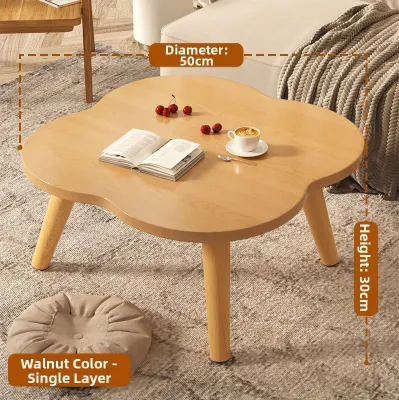
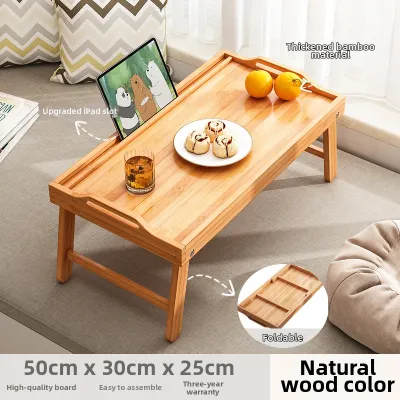
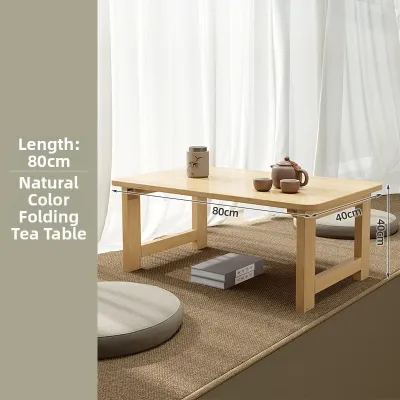
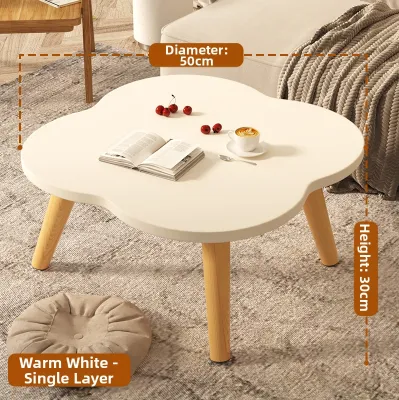
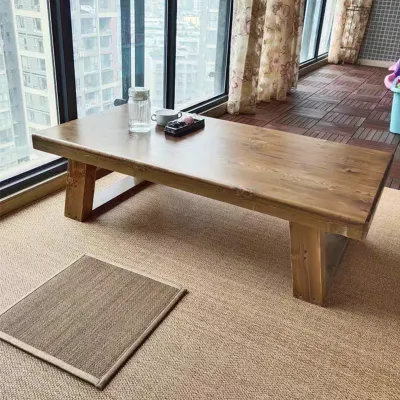
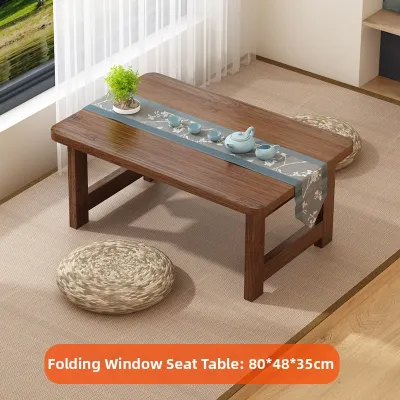
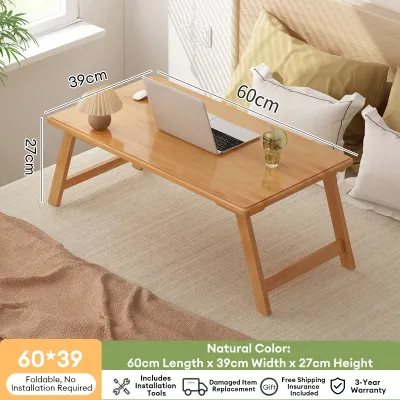
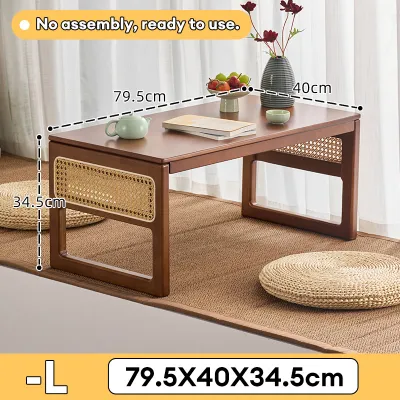
Prices are valid at publication and may change. Please refer to the product page for the latest price.
How to Choose a Japanese-Style Floor Table for Compact Homes
When selecting a floor table Japanese style for a compact home, the primary objective is to balance spatial efficiency with daily comfort. Unlike standard coffee tables, which are designed primarily to hold decorative items or drinks, a floor table functions as a primary work, dining, and social hub. Therefore, the physical dimensions, storage capabilities, and material durability must align with your specific household routines and the unique environmental conditions of the Philippines.
Space-saving mechanisms The ability to reclaim floor space when the table is not in use is a major advantage of low-profile furniture. Foldable legs are the most common space-saving feature, allowing you to collapse the table flat and slide it under a sofa, behind a door, or inside a utility closet. Nesting designs offer another layer of flexibility, providing multiple tiered surfaces that stack neatly together when you only need a single table, but can be pulled apart when hosting guests. If you plan to move the table frequently between rooms, prioritize lightweight builds made of hollow-core wood, bamboo, or high-grade engineered materials that do not sacrifice structural stability for portability.
Dimensions and clearance Before committing to a specific design, it is essential to map out your room’s physical layout. Measure the exact floor area where the table will sit, keeping in mind that you must account for both the table’s footprint and the space required for seating. For comfortable floor sitting, you should maintain a clearance of at least 60 centimeters around the perimeter of the table to allow for leg movement, cushions, and easy walkway access. In tight rooms, a circular or oval table is often more forgiving than a rectangular one, as the rounded edges eliminate sharp corners that can obstruct foot traffic and cause accidental bumps in narrow passages.
Material and surface finish The tropical climate of the Philippines introduces unique challenges for wooden furniture, particularly high humidity levels and sudden temperature fluctuations from air conditioning. It is important to understand that material names alone, such as “solid oak,” “rubberwood,” or “bamboo,” do not guarantee long-term durability or moisture resistance. Instead, you must check the manufacturer’s specifications for protective surface treatments, water-resistant sealants, or polyurethane lacquer finishes. Untreated or poorly sealed wood can absorb atmospheric moisture, leading to warping, joint separation, or mold growth over time. Look for smooth, sealed surfaces that are easy to wipe clean and are rated to withstand daily spills and humidity.
Choosing the Best Floor Table Japanese Style Designs for Small Spaces
Different small-space layouts require different furniture solutions. Understanding the structural variations of Japanese-style low tables allows you to select a design that directly addresses your daily spatial needs and lifestyle preferences.

Foldable Low Tables (Chabudai Style)
The traditional Japanese chabudai is a classic round or rectangular low table featuring collapsible legs. It represents the pinnacle of flexible furniture design, making it an excellent choice for multi-use rooms where floor space must be cleared at a moment’s notice.
This style is ideal for studio apartments where the living room must double as a sleeping area or a home workout space. During the day, the chabudai serves as a dining table or laptop desk; once your tasks are complete, you can fold the legs flat and store the table away, instantly freeing up the center of the room.
When shopping for a chabudai, always inspect the leg-locking mechanisms for safety and durability. Look for heavy-duty metal hinges with spring-loaded locks that secure the legs firmly in place when extended, preventing accidental collapses during use. Verify the manufacturer’s stated weight capacity to ensure the table can support heavy serving dishes or a complete workspace setup without wobbling. Finally, ensure the folded profile is thin enough—ideally under 10 centimeters—to slide easily into your designated storage space.
Kotatsu-Style Frames (Used as Standard Low Tables)
A kotatsu is a traditional Japanese low table frame designed to hold a heavy blanket and an electric heater underneath. While the heating element is unnecessary in the warm Philippine climate, the heavy-duty, double-layer frame design of a kotatsu makes it a highly stable and aesthetically pleasing year-round low table.
These frames are perfect for creating a permanent, cozy low seating area in a dedicated corner of your living room. The unique double-layer tabletop design allows you to sandwich a decorative fabric layer or a light summer blanket between the frame and the top surface for a cozy aesthetic, or you can simply use it as an exceptionally sturdy, thick-topped low table.
Before purchasing a kotatsu-style frame, verify the inner clearance beneath the table. Ensure there is a height of at least 35 to 40 centimeters from the floor to the underside of the frame, which allows for comfortable leg crossing without hitting your knees. Check the stability of the cross-beams, as these tables are heavier than standard foldable designs. Additionally, confirm the tabletop attachment method; high-quality frames use secure dowels, alignment pins, or specialized screws to keep the top layer from shifting or sliding when in use.
Convertible Low Desks and Laptop Tables
For those who work or study from home in a compact condo, a dedicated full-sized desk is often a luxury that space does not permit. A convertible low desk or specialized floor laptop table provides an ergonomic, compact workspace that fits comfortably on a rug or bed.
These tables are designed specifically for modern digital tasks, allowing you to maintain a healthy posture while working from the floor, a low sofa, or even your bed. They are highly portable and can be set up in minutes, making them a practical addition to any small household.
When evaluating convertible low desks, look for models that offer adjustable top angles, which help reduce neck strain by positioning your screen or book at an optimal viewing angle. Ensure the table features built-in edge guards or stopper ledges to prevent your laptop, tablet, or pens from sliding off when the surface is tilted. Stability is paramount, so prioritize designs with wide, sled-style leg bases that distribute weight evenly and prevent the desk from tipping over on soft surfaces like mattresses, thick rugs, or plush floor cushions.
Nesting or Stackable Side Tables
Nesting tables consist of a set of two or three low tables of graduating sizes that fit neatly inside one another. This modular design provides expandable surface area on demand without permanently occupying valuable floor space.
This setup is highly beneficial for entertaining guests in a small apartment. When you are alone, the tables remain stacked as a single, compact side table next to your floor cushions. When visitors arrive, you can slide the smaller tables out to distribute snacks, hold drinks, or provide individual writing surfaces around the room.
When choosing nesting tables, compare the heights of each piece to ensure they slide under one another smoothly without scraping or damaging the lower tables’ finishes. Check the total footprint of the set when fully stacked to ensure it fits neatly into your chosen corner or alcove. Finally, test the stability of the smallest table when fully separated; because smaller tables have a narrower base and lighter weight, they can be more prone to tipping on uneven tiles or soft carpets, so look for designs with sturdy, balanced leg configurations.
Buying and Delivery Checklist for Philippine Homes
Acquiring and setting up furniture in a compact Philippine home requires careful planning, particularly when navigating the logistics of high-rise condominium buildings or narrow subdivision streets. Following a structured checklist ensures a smooth purchasing and installation process.
Sourcing When looking for a floor table Japanese style, explore online furniture platforms, local home depots, and specialty interior boutiques that focus on minimalist or Scandinavian-Japanese (Japandi) designs. If purchasing from online marketplaces, read customer reviews thoroughly to verify the actual color of the wood finish, as lighting in product photos can sometimes be misleading. Look for sellers that provide detailed packaging dimensions and assembly instructions upfront. If you prefer custom dimensions or specific wood types, consider contacting local woodworkers who can craft a bespoke low table tailored to your exact space.
Pre-delivery measurements One of the most common mistakes when buying furniture online is failing to measure the delivery path. Before placing your order, measure the height and width of your building’s elevator cabin, the clearance of stairwell turns, and the exact width of your condo unit’s main doorway. Even though a low table has a short height when assembled, it is typically shipped in a wide, flat box that can be difficult to maneuver around tight hallway corners or through standard doors. Compare these measurements with the manufacturer’s packaged dimensions to ensure the delivery team can safely transport the item to your room.
Assembly and inspection Once your table arrives, conduct a thorough inspection before beginning the assembly process. Unbox the package carefully and verify that all hardware, screws, and tools listed in the manual are present. Check the wooden edges, corners, and tabletop surfaces for any transit damage, such as cracks, deep scratches, or chipped veneer. Test the table’s stability on your actual floor surface—whether you have smooth ceramic tiles, vinyl planks, or a woven area rug. If you notice any wobbling, check if the table legs feature adjustable leveling feet. If not, applying adhesive felt pads to the bottom of the legs is a practical way to level the table while protecting your floors from scratches.
Frequently Asked Questions (FAQ)
Is a floor table practical for everyday dining in a small condo?
Using a floor table for daily meals is highly practical for small condos, provided you address the ergonomic differences of low-profile dining. Sitting on the floor requires greater flexibility and places different pressures on your lower back, knees, and hips compared to sitting on a standard dining chair. To make this setup comfortable for daily use, it is highly recommended to pair your table with back-supported floor chairs (zaisu) or thick, high-density foam floor cushions (zabuton) that relieve pressure on your tailbone. Additionally, establish a quick cleaning routine after every meal. Because floor tables are close to the ground, food crumbs can easily attract pests, which is a common concern in tropical urban environments. Wiping the table surface clean and sweeping the surrounding floor immediately after dining will keep your living space hygienic and comfortable.
How should I care for a wooden low table in a humid environment?
Caring for wood furniture in the humid climate of the Philippines requires consistent, gentle maintenance to prevent moisture damage and warping. Perform routine dusting using a dry, soft microfiber cloth to remove dust particles that can trap moisture against the wood surface. Clean up any liquid spills immediately with a damp cloth, followed by a dry cloth, to prevent water from penetrating the finish and causing the wood grain to swell. Position your table away from direct sunlight near windows, as intense UV rays can fade and dry out the finish. Similarly, avoid placing the table directly in the path of cold air-conditioning drafts, as rapid temperature shifts can cause the wood to contract, leading to cracks or split joints. Always check the applied product’s label and the treated item’s manufacturer instructions before using any commercial wood polishes, waxes, or cleaning sprays. If the instructions conflict, or if the wood type is unidentified, stop and consult a professional furniture restorer.
What type of seating works best with Japanese-style floor tables?
The key to a comfortable low-table setup is choosing seating that complements both your body’s ergonomics and the table’s dimensions. Traditional Japanese floor cushions, known as zabuton, offer excellent, portable padding for your knees and hips. For longer activities like working or watching television, legless floor chairs with built-in back support, known as zaisu, are ideal because they provide crucial lumbar support to prevent slouching. Alternatively, low wooden stools or benches (typically 15 to 20 centimeters high) are a great option for family members or guests who find sitting completely flat on the floor uncomfortable. Before purchasing any specialized seating, verify the manufacturer’s stated weight limits and ensure the seat height aligns comfortably with your table’s clearance. Ideally, there should be a gap of at least 20 to 25 centimeters between the top of the seat cushion and the underside of the tabletop to allow your legs to slide in easily.
Community discussion
Share your experience or ask a question. Comments are reviewed before publication.