
As the school year progresses, creating a dedicated, comfortable study space for your child is essential for fostering focus and healthy physical development. In the Philippines, where students spend hours at their desks completing homework or attending online classes, finding the right chair for kids with sandalan (backrest) becomes a priority for parents. A poorly designed seat can lead to discomfort, restlessness, and long-term posture issues like slouching or spinal misalignment.
Selecting the ideal study chair requires looking beyond bright colors and cartoon designs. Parents must evaluate structural stability, ergonomic support, and material durability to ensure the piece can withstand daily use in a tropical climate. This guide provides a comprehensive framework for selecting, measuring, and setting up a study chair that supports your child’s physical growth and academic journey.
How to Choose the Right Chair for Kids with Sandalan for Studying
Selecting a study chair with a supportive backrest (sandalan) is a critical step in preventing early posture issues. Children’s bodies are highly adaptable but also vulnerable to repetitive strain if they sit in poorly configured furniture. The primary goal of an ergonomic chair is to support the natural “S” curve of the spine, reducing pressure on the lower back and neck.
Products mentioned in this guide
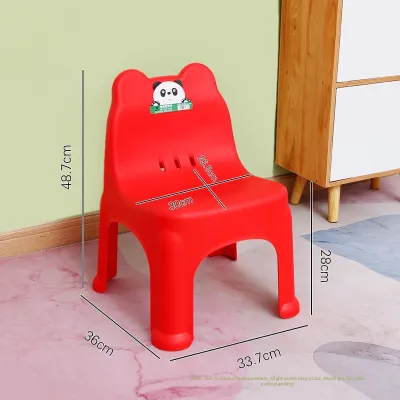
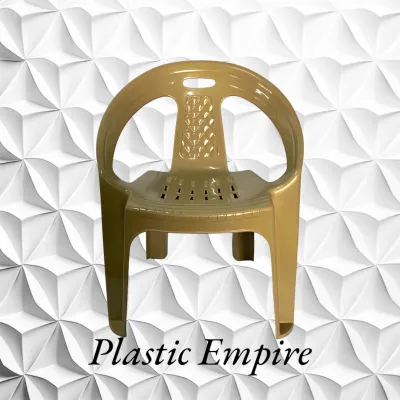
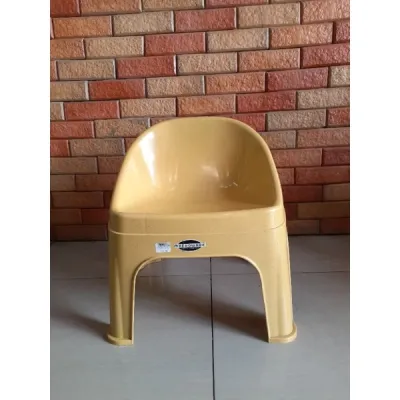
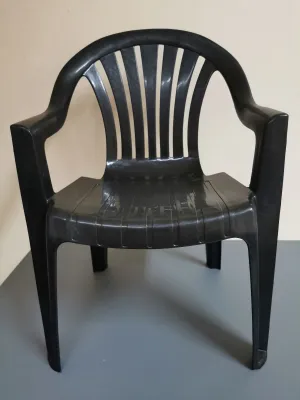
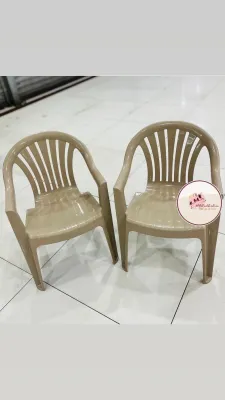
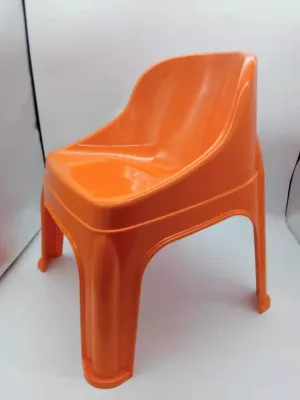
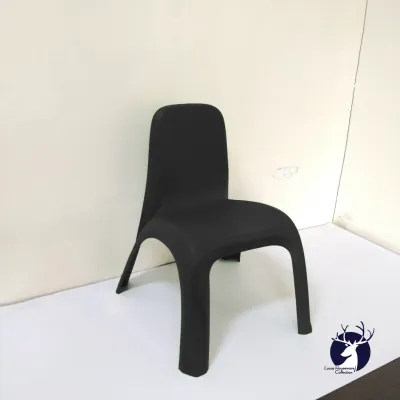
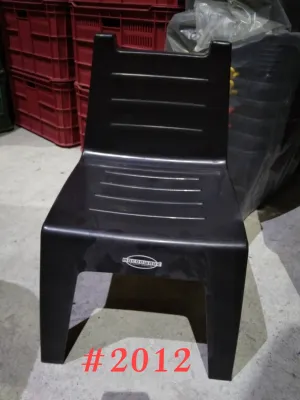
Prices are valid at publication and may change. Please refer to the product page for the latest price.
Lumbar Support and Backrest Alignment
The backrest must feature a distinct lumbar curve that mirrors the natural inward curve of the child’s lower spine. If the backrest is completely flat, the child will naturally slouch forward to find comfort, which strains the spinal discs. Furthermore, the height of the backrest should reach at least the middle of the child’s shoulder blades to provide adequate upper-body support. If the backrest is too short, the child may lean back excessively, creating an unstable sitting position.
Seat Depth and Width
Seat depth is another critical dimension that is often overlooked. When your child sits with their lower back firmly against the sandalan, there should still be a gap of about two to three fingers between the back of their knees and the front edge of the seat cushion. If the seat is too deep, the front edge will press against the back of their knees, restricting blood circulation and forcing them to slide forward, which completely loses the benefit of the backrest. The seat width should allow enough room for the child to sit comfortably without feeling squeezed, leaving a few centimeters of clearance on either side of their thighs.
Adjustability versus Fixed Stability
For rapidly growing children, height-adjustable chairs offer excellent long-term value. These models allow you to raise or lower the seat and adjust the backrest depth as your child grows taller. However, adjustability introduces moving parts, gas lifts, and locking mechanisms that require periodic maintenance. For younger children (ages 3 to 6), a fixed-height chair might be preferable. Fixed chairs offer absolute physical stability, preventing younger kids from spinning, sliding, or playing with adjustment levers during study time.
Safety, Stability, and Tip-Over Prevention
Children are naturally active and may lean, twist, or rock while sitting. To prevent accidental tipping, look for chairs with a wide, stable base. For wheeled chairs, a five-star nylon or steel base with a diameter of at least 50 centimeters provides the necessary stability to prevent the chair from tipping backward when a child leans back. Ensure all edges and corners of the chair frame are rounded and smooth to prevent cuts or bruises during active movement.
Space Constraints in the Home
Before making a purchase, measure the physical space where the chair will be placed. In many Philippine households, study corners are integrated into bedrooms or shared living areas where space is limited. Measure the clearance between the desk legs and the height of the desk drawer line. The chair’s outer dimensions, including any armrests, must allow it to slide completely under the desk when not in use to keep walkways clear and maintain a tidy room.
Recommended Chair Types for Different Study Needs and Ages
Different age groups and study habits require different seating solutions. Understanding the distinct categories of kids’ chairs with backrests helps you narrow down the options based on your child’s developmental stage, your home’s layout, and your budget.

Height-Adjustable Ergonomic Task Chairs
Height-adjustable ergonomic task chairs are designed to adapt to a child’s changing body over several years. These chairs typically feature a pneumatic gas lift mechanism that allows smooth vertical adjustments, ensuring the child can maintain an optimal sitting height relative to their desk.
- Benefits and Posture Support: The primary advantage of these chairs is their ability to maintain the child's eye level with computer screens or books, which prevents neck strain. Many models also feature adjustable armrests that support the forearms, reducing tension in the shoulders. The backrest angle can often be locked into place or adjusted for tilt tension, providing continuous support as the child shifts positions.
- Material Considerations for the Tropics: In the warm and humid climate of the Philippines, material choice directly impacts comfort. Mesh backrests are highly recommended because the open weave allows air to circulate freely, preventing sweat buildup and keeping the child cool during afternoon study sessions. If you choose a padded seat, verify that the upholstery is breathable and easy to spot-clean.
- Limitations and Maintenance: These chairs are generally more expensive, with prices often starting at ₱3,000 and reaching up to ₱10,000 or more for premium ergonomic models. They also require complete assembly upon delivery, which involves handling gas cylinders, casters, and heavy frames. The moving parts must be inspected every few months to ensure screws remain tight and the height-adjustment mechanism functions safely.
Fixed-Height Wooden or Molded Plastic Chairs
Fixed-height chairs made of solid wood or high-density molded plastic are classic, reliable options. They lack mechanical adjustment features, which makes them exceptionally durable and straightforward to use.
- Structural Stability and Longevity: Without gas cylinders or complex hinges, these chairs have very few failure points. High-quality wooden chairs with reinforced joints or heavy-duty molded plastic chairs can withstand rough handling, spills, and heavy impacts. They provide a solid, wobble-free seating experience that helps children feel grounded and focused.
- Matching Seat Height to Desk Height: Because these chairs cannot be adjusted, you must carefully match the seat height to your child's physical measurements and the height of their study desk. For a standard desk height of 75 centimeters, a seat height of approximately 43 to 45 centimeters is standard, but this is often too high for younger children whose feet will dangle. You must ensure that the child's feet can rest flat on the floor or on a built-in footrest to prevent lower back strain.
- Limitations: The lack of adjustability means the chair has a limited useful lifespan. As your child grows, they will eventually outgrow the chair, requiring you to purchase a larger model or adjust the entire desk setup.
Floor-Sitting Chairs with Backrest Support
Floor-sitting chairs, often referred to as floor loungers or tatami chairs with a sandalan, are designed for low-to-the-ground study setups. They feature a padded seat pad connected to a supportive backrest that rests directly on the floor.
- Internal Frame Mechanisms: These chairs utilize an internal metal frame with a ratcheting hinge mechanism. This allows the backrest to be adjusted and locked into multiple reclining angles, ranging from fully upright (90 degrees) to completely flat. This flexibility allows the child to find a comfortable angle for reading, drawing, or studying.
- Ideal Use Cases: Floor chairs are excellent space-saving solutions for compact bedrooms or multi-purpose living areas. They can be paired with low study tables or coffee tables, making them perfect for reading nooks. When study time is over, these lightweight chairs can be folded flat and stored under a bed, inside a wardrobe, or stacked in a corner.
- Ergonomic Limitations: While highly convenient, floor sitting is not recommended for extended writing or typing tasks. Sitting on the floor for hours can strain the hip flexors, hamstrings, and lower back. If your child uses a floor chair, it is essential to establish a rule of taking regular stretching breaks every 30 to 45 minutes to prevent stiffness and fatigue.
Essential Specifications to Verify When Shopping Online
Purchasing a study chair from online marketplaces requires careful scrutiny of product listings. Because you cannot physically test the chair before buying, you must rely on technical specifications, customer feedback, and seller policies to make an informed decision.
Cross-Referencing Physical Dimensions
Never rely solely on age recommendations listed in product titles, as children’s physical sizes vary widely. Instead, check the detailed dimension diagram usually provided in the product images. Note the minimum and maximum seat height, the seat width, the seat depth, and the total height of the chair. Compare these measurements with your child’s current sitting height (from the back of the knee to the floor) and the clearance space under your study desk.
Verifying Weight Capacity and Base Stability
A chair’s weight capacity is a direct indicator of its structural integrity. Check the manufacturer’s specifications for the maximum weight limit, which should ideally be rated for at least 50 to 80 kilograms for children’s chairs, or over 100 kilograms if you expect the chair to last into their teenage years. Ensure the base is made of reinforced nylon or steel. Avoid chairs with narrow, three- or four-star bases, as they lack the stability required to prevent tipping when a child leans to one side.
Assessing Assembly Requirements
Most chairs purchased online are shipped flat-packed to reduce shipping costs. Read the product description carefully to understand the assembly requirements. Verify if the package includes all necessary hardware, tools (such as an Allen key), and a clear, step-by-step instruction manual. If customer reviews mention that the assembly is highly complex or that the pre-drilled holes do not align, you may want to look for a model that offers simpler assembly or pre-assembled delivery options.
Reviewing Warranty and Return Policies
A reliable seller should offer a warranty that covers structural defects, such as a failing gas lift, cracked frames, or broken casters. Look for a warranty period of at least 6 to 12 months. Additionally, familiarize yourself with the e-commerce platform’s return policy. Ensure you can return the product or request a refund if the chair arrives with missing parts, shipping damage, or manufacturing defects. Keep the original packaging until you have fully assembled and inspected the chair.
Matching the Chair to the Study Desk for Proper Posture
An ergonomic study chair can only do its job if it is correctly integrated with the study desk. Setting up the workspace properly ensures that your child can maintain a healthy posture throughout their study sessions, reducing physical fatigue and improving concentration.
The 90-90-90 Ergonomic Rule
To achieve an ideal ergonomic setup, adjust the chair and desk so that your child’s body maintains three 90-degree angles:
- Knees: The knees should be bent at a 90-degree angle, with the feet resting completely flat on a solid surface.
- Hips: The hips should be positioned at a 90-degree angle, with the lower back firmly supported by the chair's sandalan.
- Elbows: The elbows should rest at a 90-degree angle on the desk surface when the child is writing or typing, keeping the shoulders relaxed and down.
Using Footrests for Height Adjustments
If you are pairing an adjustable chair with a standard adult-height desk (usually 75 centimeters high), you will likely need to raise the chair seat so the child’s elbows can comfortably reach the tabletop. This adjustment often leaves the child’s feet dangling in the air. Dangling legs pull the pelvis forward, rounding the lower back and straining the spine. To correct this, place a sturdy wooden block, a specialized ergonomic footrest, or a firm plastic step stool under the desk. The footrest must be high enough to support the child’s feet flat, restoring the 90-degree angle at the knees.
Positioning for Lighting and Focus
The physical placement of the study chair and desk within the room plays a significant role in preventing eye strain and maintaining focus. Position the desk perpendicular to windows to allow natural light to illuminate the workspace without creating direct glare on computer screens or books. If using a desk lamp, place it on the opposite side of your child’s writing hand (e.g., on the left side for a right-handed child) to prevent their hand from casting shadows over their work. Ensure the chair is positioned far enough from walls and doors to allow easy movement, yet close enough to the desk to discourage slouching.
Frequently Asked Questions (FAQ)
At what age should a child switch to an adjustable study chair?
Children typically transition to an adjustable study chair around age 6 or 7, which corresponds with the start of primary school. At this stage, academic demands increase, requiring longer periods of sitting. The transition should be based on physical readiness: the child must be tall enough to sit with their back fully supported by the sandalan while their feet rest flat on the floor or a sturdy footrest.
Is a mesh backrest better than a padded one for tropical climates?
Yes, a mesh backrest is highly recommended for the tropical climate of the Philippines. Mesh allows continuous airflow, which prevents heat and sweat buildup during warm afternoons. Padded backrests can trap heat and require frequent cleaning to prevent sweat stains, mold growth, and unpleasant odors.
How do I clean and maintain a fabric or mesh study chair?
Vacuum the backrest and seat weekly using an upholstery brush attachment to remove dust and crumbs. For spills, blot immediately with a clean, damp microfiber cloth and a mild, diluted dish soap. Always allow the chair to air-dry completely in a well-ventilated room before letting your child use it again to prevent mildew.

Community discussion
Share your experience or ask a question. Comments are reviewed before publication.