
Finding the right kitchen cabinet storage in the Philippines requires balancing space constraints with unique environmental factors. Many Filipino homes feature compact layouts, such as high-rise condominiums in metropolitan areas or traditional residential houses with separate wet and dry kitchens. The local climate—characterized by high humidity, tropical heat, and heavy rainfall—presents unique challenges for furniture preservation. Standard storage solutions that work well in dry, temperate climates can quickly fail here if they lack the appropriate protective finishes or structural integrity. Selecting the ideal kitchen cabinet storage means evaluating not just aesthetic appeal, but also physical clearance, weight capacity for heavy local cookware, and resistance to moisture-induced degradation.
Key Selection Criteria for Filipino Kitchen Layouts
Before purchasing any kitchen cabinet storage unit, measuring the physical space is paramount. You must account for more than just the static footprint of the cabinet or cart. Consider the swing clearance of cabinet doors, drawers, refrigerator doors, and oven doors. In narrow galley kitchens common in local apartments, an open cabinet door can completely block the walkway, creating a safety hazard during cooking. Ensure there is at least 90 to 120 centimeters of clear walkway space when doors are fully extended. Additionally, measure your doorways, hallways, and elevator cabins to guarantee the furniture can actually be delivered and brought into your kitchen without damage.
The tropical climate of the Philippines accelerates wear on poorly finished furniture. Instead of relying solely on generic material names like wood or steel, inspect the specific protective measures applied. For metal components, verify the presence of rust-resistant powder coatings or chrome plating. For engineered wood products like MDF or particle board, check that all edges are fully sealed with PVC edge banding to prevent moisture from seeping in and causing the board to swell and crumble. Look for moisture-tolerant finishes, such as polyurethane sealants or water-resistant laminates, which protect the underlying substrate from steam and spills.
Products mentioned in this guide
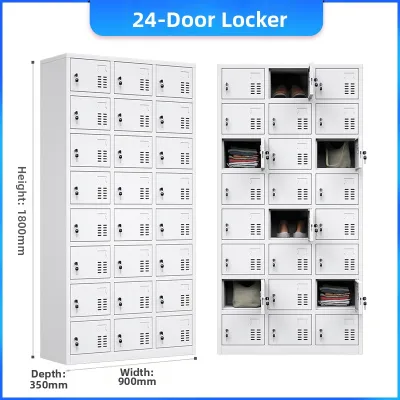
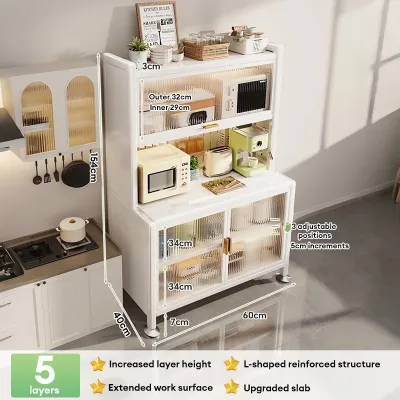
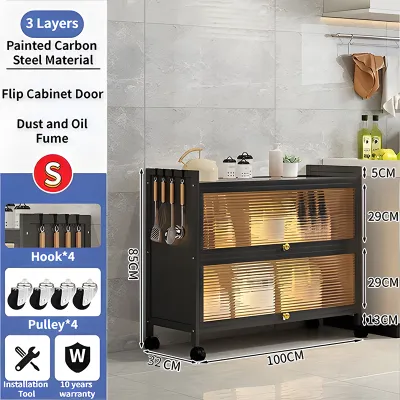
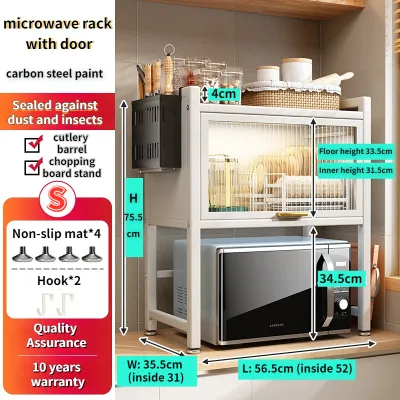
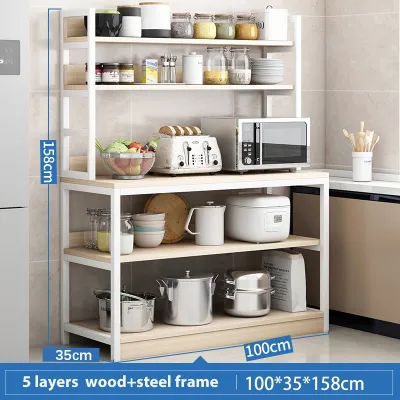
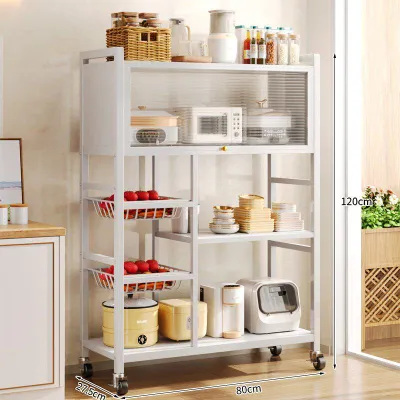
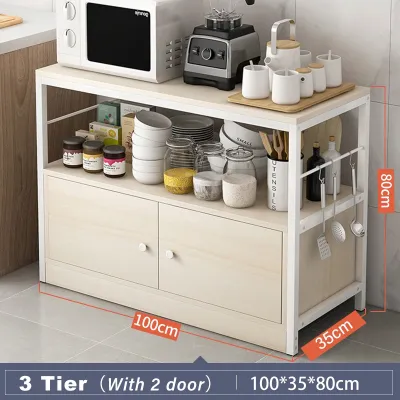
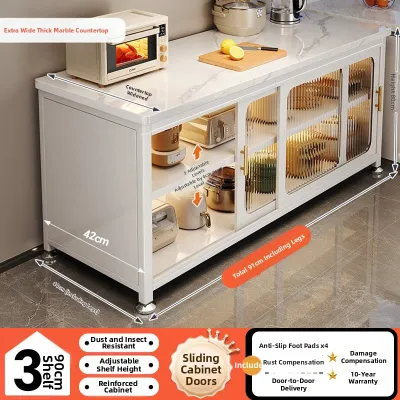
Prices are valid at publication and may change. Please refer to the product page for the latest price.
Filipino cooking often involves heavy kitchen tools, including cast-iron skillets, large aluminum calderos, and heavy mortar and pestle sets. Furthermore, many households store bulk staples, such as 10-kilogram to 25-kilogram sacks of rice. Your storage units must have documented load capacities that can support these heavy items. Verify the load rating per shelf rather than the total unit capacity. Placing a heavy sack of rice on a shelf with a low weight rating can cause bowing, structural failure, or even a dangerous tip-over.
When browsing online marketplaces or local furniture retailers, do not rely on product photos alone, as perspective can be misleading. Always refer to the exact technical specifications. Compare the height, width, and depth of the unit against your measured space. Mark the dimensions on your kitchen floor using masking tape to visualize how much physical space the new cabinet or cart will occupy before finalizing your purchase.
Top Kitchen Storage Solutions for Common Home Layouts
The ideal kitchen cabinet storage solution is highly dependent on your home’s architectural layout. Compact studio condominiums require highly flexible, space-saving units that can serve multiple purposes. In contrast, larger standalone houses with distinct wet and dry kitchens benefit from dedicated, high-capacity storage units that can organize bulk dry goods and specialized cooking equipment. Understanding these spatial dynamics allows you to select a category of storage that directly addresses your kitchen’s unique layout challenges.

Mobile Kitchen Carts for Flexible Workspaces
Mobile kitchen carts offer an adaptable storage and preparation solution, particularly for kitchens with limited built-in counter space. These rolling units can be moved wherever they are needed most—serving as an ingredient prep station next to the stove, a mobile coffee bar, or extra serving space during family gatherings.
Key Features to Verify: When selecting a mobile cart, prioritize units equipped with heavy-duty, 360-degree caster wheels, with at least two wheels featuring reliable locking mechanisms to keep the cart stable during food preparation. The countertop should be made of a durable, easy-to-clean material such as stainless steel, solid hardwood with a food-safe sealant, or water-resistant laminate. Check that the cart has sturdy handles that can double as towel racks and deep shelves with raised edges to prevent items from sliding off during transit.
Limitations and Safety: Mobile carts require clear, unobstructed floor space to maneuver safely. If your kitchen floor features uneven tiles or deep grout lines, the cart may wobble or rattle when moved. To prevent tipping, never overload the top tier of the cart with heavy appliances; keep the heaviest items, such as blenders or canned goods, on the bottom shelf to maintain a low center of gravity.
Freestanding Pantry Cabinets for Bulk Dry Goods
For households that prefer buying groceries in bulk or lack sufficient built-in pantry space, freestanding pantry cabinets provide a dedicated zone for dry food storage. These tall, high-capacity units are ideal for consolidating ingredients, spices, small appliances, and large containers of rice in one organized location.
Key Features to Verify: Look for cabinets featuring adjustable shelving, which allows you to customize the interior layout to accommodate tall cereal boxes, large oil bottles, or bulky rice dispensers. Because enclosed spaces in tropical environments can trap heat and humidity, prioritize cabinets with ventilation slots, slatted doors, or breathable back panels to promote air circulation and discourage mold growth. Ensure the doors have secure latches or magnetic catches to keep pests like ants and weevils out of your food supplies.
Limitations and Safety: Once fully loaded with canned goods, jars, and grain sacks, a freestanding pantry cabinet becomes exceptionally heavy. It must be positioned on a completely level, solid floor away from direct heat sources like stoves or refrigerators, which can accelerate food spoilage. Because of their height and weight distribution, these cabinets present a significant tip-over risk and must be securely anchored to the wall.
Over-Sink and Corner Units for Compact Spaces
In compact apartment kitchens where floor space is at a premium, maximizing vertical and underutilized corner areas is essential. Over-sink organizers and specialized corner cabinet units allow you to reclaim valuable square footage that would otherwise go to waste.
Key Features to Verify: Over-sink units are excellent for drying dishes and storing frequently used items like dish soap, sponges, and spices right above the sink area. Before purchasing, verify the strict weight capacity of the unit and the quality of its mounting hardware. If you are installing a wall-mounted corner cabinet, ensure the mounting anchors are suitable for your wall type—such as heavy-duty masonry anchors for concrete walls or toggle bolts for drywall. The unit should be constructed from highly water-resistant materials, such as high-grade stainless steel with anti-rust coatings or treated plastics, as it will be constantly exposed to moisture.
Limitations and Safety: Take care to ensure that over-sink or wall-mounted units do not block windows, light fixtures, or natural ventilation paths in your kitchen. Blocking airflow can lead to localized humidity buildup, which encourages mold growth on surrounding walls. Additionally, ensure the height of the unit does not interfere with your ability to comfortably use the sink or access nearby electrical outlets.
Quick Comparison of Recommended Storage Solutions
To help you decide which storage solution aligns best with your kitchen’s physical layout and storage needs, refer to the comparison below. This table highlights the primary applications, space requirements, verification points, and limitations of each storage type.
| Storage Type | Best Suited For | Space Requirement | Key Feature to Verify | Main Limitation |
|---|---|---|---|---|
| Mobile Kitchen Carts | Small kitchens needing extra prep space and flexible positioning | Moderate floor space with clear walkways | Lockable caster wheels and durable countertop finish | May wobble on uneven tiles; tipping risk if top-heavy |
| Freestanding Pantry Cabinets | Large households storing bulk dry goods, canned food, and rice | Dedicated floor space away from direct heat | Adjustable shelves and ventilation slots | Very heavy when loaded; requires wall anchoring |
| Over-Sink and Corner Units | Compact apartments and condos with limited counter space | Unused vertical wall space or corner areas | Weight capacity and wall-mounting hardware compatibility | Cannot block windows or natural ventilation paths |
Installation and Upkeep for Humid Environments
Proper installation and consistent maintenance are critical to extending the lifespan of your kitchen storage furniture in a tropical climate. High relative humidity and warm temperatures create an environment where mold, mildew, and rust can quickly degrade even high-quality materials.
When installing freestanding cabinets or shelving units against walls, avoid pushing them completely flush against the surface. Leave a gap of at least 2 to 5 centimeters between the back of the cabinet and the wall. This gap allows air to circulate freely, preventing moisture from becoming trapped behind the furniture, which is a primary cause of mold growth on concrete walls and wooden backing boards.
Periodically inspect all metal hardware, including door hinges, drawer slides, and caster wheels. In humid conditions, these components are prone to rusting, which can lead to squeaking, sticking, or complete structural failure. Wipe down metal parts with a dry cloth regularly, and apply a light lubricant or anti-rust spray as recommended by the manufacturer to keep them operating smoothly. Promptly wipe away any condensation or water spills on all surfaces, especially near sinks or cooking areas.
Before assembling any tall freestanding cabinet, use a spirit level to check the levelness of your kitchen floor. Uneven floors are common in many residential buildings and can cause tall furniture to lean, putting uneven stress on joints and increasing the risk of structural failure or tipping. Use adjustable leveling feet or shims to ensure the cabinet stands perfectly upright.
For all tall freestanding units, installing anti-tip kits is non-negotiable for household safety. This is especially critical in homes with children or pets who might attempt to climb or pull on the cabinet doors. Secure the anti-tip brackets or straps directly to the wall structure according to the manufacturer’s instructions.
Frequently Asked Questions (FAQ)
How do I prevent kitchen cabinets from warping in high humidity?
Preventing cabinet warping requires active moisture management and proper material care. Ensure your kitchen has adequate ventilation by running exhaust fans while cooking and keeping windows open when weather permits to allow steam to escape. Regularly wipe down any condensation that forms on cabinet doors, shelves, and joints. When purchasing wooden or engineered wood cabinets, inspect the edges to ensure they are fully sealed with protective laminates or water-resistant finishes, as unsealed edges allow moisture to penetrate the core fibers, leading to swelling and warping.
What is the safest way to anchor a tall freestanding pantry cabinet?
The safest method to secure a tall freestanding cabinet is by using the manufacturer-provided anti-tip brackets or heavy-duty safety straps. For concrete or masonry walls, which are standard in many Filipino homes, you must use a hammer drill to create holes, insert plastic or metal tox (wall plugs), and secure the brackets with appropriate masonry screws. If mounting to drywall, locate the wooden or metal studs using a stud finder and screw directly into them, or use heavy-duty toggle bolts if no stud is available. Additionally, always load the heaviest items—such as rice dispensers, canned goods, and large pots—on the bottom shelves to lower the cabinet’s center of gravity and improve overall stability.
Community discussion
Share your experience or ask a question. Comments are reviewed before publication.