
Maximizing storage in a Philippine kitchen requires a smart approach to vertical space. The best kitchen hanging cabinets for storage are those that combine space-saving designs with materials capable of withstanding the country’s high humidity and ambient temperatures. Whether you are outfitting a compact condominium in Metro Manila or upgrading a spacious suburban home in Laguna, selecting the right wall-mounted cabinetry is essential for maintaining clutter-free countertops and keeping your cooking essentials organized.
Hanging cabinets do more than just store items; they define the visual flow and functional efficiency of your cooking space. In a region where tropical weather can easily compromise low-quality wood and hardware, making an informed choice involves looking beyond aesthetics. You must evaluate how different designs, materials, and installation methods perform under daily use and local environmental conditions.
Core Criteria for Choosing Kitchen Hanging Cabinets
To select the ideal kitchen hanging cabinet, you must first understand its primary role in your daily routine. These overhead units are designed to keep heavy-use items within arm’s reach while safeguarding dry ingredients, delicate dishware, and small appliances from dust and pests. By utilizing wall space, you effectively double or triple your storage capacity without sacrificing precious floor area.
Products mentioned in this guide
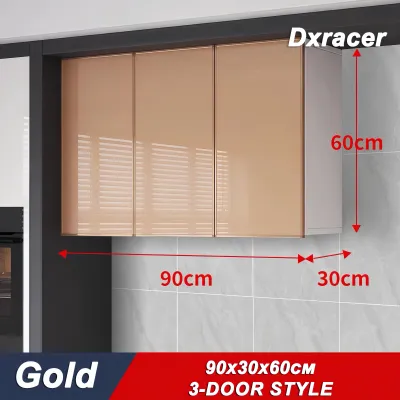
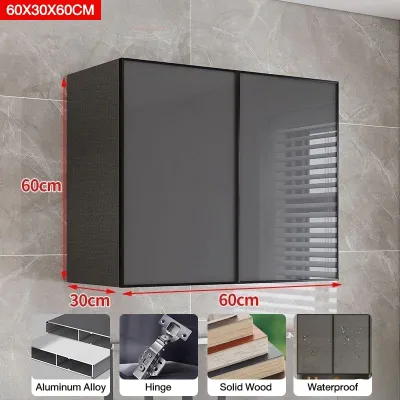
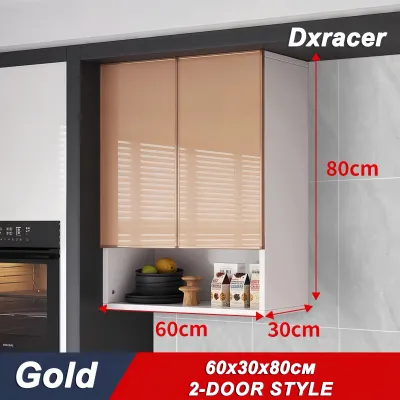
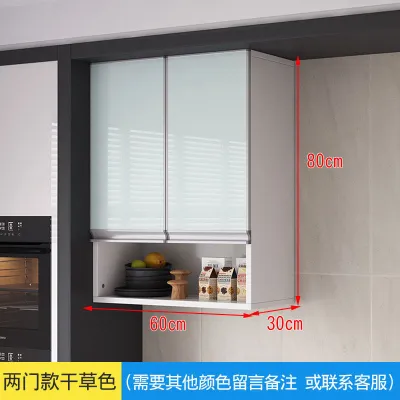
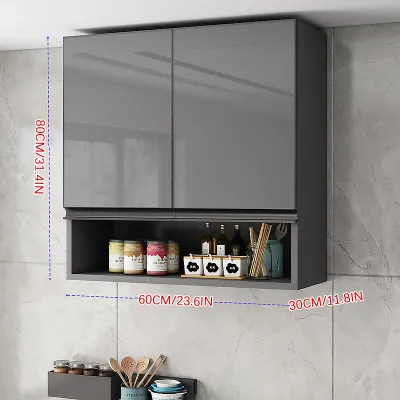
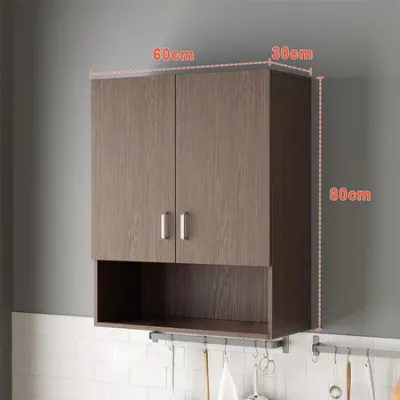
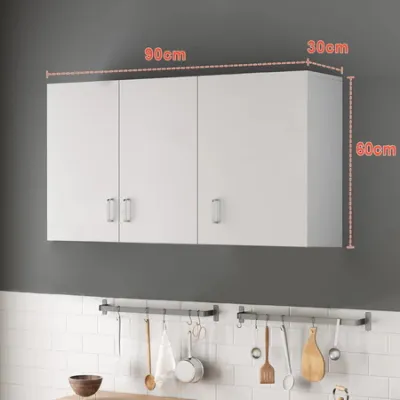
Prices are valid at publication and may change. Please refer to the product page for the latest price.
A reliable evaluation matrix for these cabinets consists of three main pillars: accessibility, weight capacity, and climate resilience. Accessibility ensures that you do not need a step stool for every single meal preparation, while weight capacity determines how many heavy ceramic plates or glass jars the shelves can safely support. Climate resilience is particularly vital in the Philippines, where relative humidity levels frequently exceed 80 percent, promoting mold growth and material warping.
Before browsing online marketplaces or visiting local showrooms, it is critical to measure your available vertical space and assess your walls. You need to know the exact height from your countertop to the ceiling, as well as the locations of any electrical outlets, light switches, or plumbing lines. Furthermore, checking the structural integrity of your wall is a non-negotiable step that dictates the maximum weight your new cabinets can carry.
Top Hanging Cabinet Designs to Maximize Kitchen Storage
Glass-Front and Display Cabinets
Glass-front hanging cabinets offer an elegant way to break up the visual weight of solid wooden doors, making small or narrow kitchens feel significantly more spacious. By allowing light to reflect off the glass surfaces, these cabinets create an airy, open atmosphere while keeping your valuable dinnerware, glassware, and serving bowls protected from airborne kitchen grease and settling dust.

However, choosing glass doors introduces a practical trade-off: the contents of your cabinets are on display for everyone to see. This means you must commit to maintaining strict internal organization, as mismatched containers or cluttered stacks of plastic ware will be immediately visible. If you prefer a compromise between style and privacy, frosted, fluted, or textured glass panels are excellent alternatives that diffuse light and hide clutter while maintaining a modern look.
When opting for glass-front designs, pay close attention to the internal shelving support. Ceramic plates, heavy mugs, and glassware can exert significant downward force. Ensure the cabinet features thick, tempered glass shelves or sturdy wooden supports that are securely anchored to the cabinet frame to prevent sudden structural failures.
Pull-Down and Mechanized Cabinets
High ceiling heights in modern homes are excellent for vertical storage, but they often render the top shelves of standard hanging cabinets virtually useless for daily tasks. Pull-down and mechanized cabinet systems solve this accessibility issue by using gas-assist pistons or counterbalanced spring mechanisms to lower the entire shelf insert down to your eye and hand level.
This design is highly beneficial for shorter family members or anyone looking to maximize every inch of high-altitude cabinet space. It allows you to store frequently used items, such as daily spices, coffee mugs, or baking supplies, in the uppermost sections of your wall units without needing a step stool. Once you are finished, a gentle upward push engages the mechanism to glide the shelves smoothly back into place.
Before installing a pull-down system, you must carefully review the manufacturer’s maximum load specifications. These mechanical systems have strict weight limits, often ranging between 5 to 15 kilograms depending on the model. Overloading the shelves can strain the springs or hydraulic arms, leading to premature wear, mechanical failure, or difficulty in lifting the unit back into its housing.
Corner and Diagonal Wall Cabinets
Corner spaces are notorious for becoming dead zones in L-shaped and U-shaped kitchen layouts. Traditional straight cabinets meeting at a right angle often create deep, dark recesses that are incredibly difficult to reach. Diagonal or blind-corner wall cabinets are specifically engineered to bridge these perpendicular runs, transforming awkward corners into highly functional storage hubs.
To make the most of a corner cabinet, you should consider incorporating specialized internal hardware. Lazy Susans (rotating circular trays) or pull-out corner organizers allow you to spin or pull your stored items directly into view, ensuring that no spice jar or dry food container gets lost or forgotten at the very back of the shelf.
When planning for a corner installation, precise spatial measurements are absolutely crucial. You must verify the clearance angles of the cabinet doors to ensure they do not collide with adjacent appliance handles, range hoods, or window frames when opened. Additionally, check that the diagonal door has a wide enough opening angle to allow you to easily insert and retrieve large mixing bowls or serving platters.
Open Shelving vs. Closed Storage
The debate between open shelving and closed wall cabinets centers on a balance between convenience and maintenance. Open wall shelves provide instant access to your most frequently used cooking items, such as cooking oils, salt cellars, frequently used bowls, and daily coffee mugs. This design creates a contemporary, minimalist aesthetic and makes your kitchen feel larger by eliminating bulky cabinet boxes.
On the other hand, closed cabinets remain the gold standard for long-term storage and protection. In a busy kitchen, cooking oils and steam combine to form a fine, sticky residue that settles on exposed surfaces. Closed cabinet doors act as a crucial barrier, shielding your food items, delicate spices, and clean dishes from this airborne grease, as well as from dust, pests, and ambient humidity.
For most Philippine households, a hybrid storage approach offers the best of both worlds. You can install open shelves in your active cooking zone to keep immediate essentials handy, while relying on closed hanging cabinets for the bulk of your pantry items, food stocks, and less frequently used kitchenware. This setup keeps your workspace highly functional while keeping clutter and cleaning chores to a minimum.
Choosing Humidity-Resistant Materials and Hardware
The tropical climate of the Philippines presents unique challenges for kitchen furniture. High humidity, seasonal rains, and elevated indoor temperatures can cause low-grade materials to warp, swell, or cultivate mold. Therefore, selecting the right core materials and protective finishes is the single most important factor in determining the lifespan of your kitchen hanging cabinets.
- Core Materials: When comparing cabinet box materials, avoid standard particleboard or low-density fiberboard, as these materials absorb moisture rapidly from the air or minor pipe leaks, causing them to sag and crumble over time. Instead, prioritize marine-grade plywood or high-density moisture-resistant medium-density fiberboard (often labeled as MR-MDF or green MDF). Marine-grade plywood, bonded with waterproof adhesives, offers exceptional structural stability and resistance to delamination, making it the premier choice for humid environments.
- Surface Finishes: The exterior finish of your cabinet serves as its first line of defense against daily wear and moisture. High-pressure laminates (HPL) and polyvinyl chloride (PVC) wraps are highly recommended for their ability to completely seal the underlying core material against water vapor and liquid spills. These synthetic finishes are non-porous, highly resistant to scratching, and incredibly easy to clean with a simple damp cloth. If you prefer a sleek, industrial look, powder-coated metal cabinets provide excellent moisture resistance and will not warp or swell under any circumstances.
- Hardware Selection: In a humid kitchen, the cabinet hinges, drawer slides, and mounting brackets are often the first components to fail. Standard iron or low-grade steel hardware will quickly develop rust, leading to squeaking doors, misaligned hinges, and structural instability. Always specify high-quality stainless steel (such as grade 304) or zinc-alloy hardware with certified rust-proof coatings. Soft-close hinges are also a valuable addition, as they prevent doors from slamming, which can loosen wall anchors over time.
- Ventilation Features: To prevent stagnant, humid air from being trapped inside your closed cabinets, look for designs that incorporate subtle ventilation features. Cabinets with slatted doors, woven rattan inserts, or integrated metal ventilation grilles allow continuous airflow. This air circulation is particularly important if you store dry pantry goods, onions, garlic, or wooden cutting boards, as it significantly reduces the risk of musty odors and mold growth.
Space Planning: Matching Cabinets to Your Kitchen Layout
Effective space planning ensures that your hanging cabinets maximize storage capacity without making your kitchen feel cramped, dark, or ergonomically awkward. The ideal configuration depends heavily on your overall kitchen layout and the physical dimensions of your space.
- Compact and Galley Kitchens: In small kitchens, such as those found in urban apartments or townhouses, vertical space is your most valuable asset. Consider extending your hanging cabinets all the way to the ceiling. This design choice eliminates the useless, dust-collecting gap above standard cabinets and provides extra storage for seasonal items or rarely used appliances. To keep a small space from feeling claustrophobic, opt for light-colored cabinet doors, high-gloss finishes, or glass inserts that reflect ambient light and create an illusion of openness.
- Open-Plan and Large Kitchens: If you have a spacious, open-plan kitchen, you have more freedom to use hanging cabinets selectively. Installing solid, heavy cabinets across every wall can make a large room feel dark and boxed-in. Instead, try using hanging cabinets to frame specific architectural features, such as a large window or a central range hood. You can also position a run of overhead cabinets above a kitchen island or peninsula to act as a subtle visual divider between your cooking zone and the dining area.
- Ergonomic Clearances: To maintain a comfortable and safe workspace, you must adhere to standard ergonomic clearances during installation. The standard distance between the top of your countertop and the bottom of your hanging cabinets should be between 18 and 24 inches (approximately 45 to 60 centimeters). This clearance ensures you have plenty of vertical room to operate small appliances like blenders, rice cookers, and coffee makers, while still keeping the lower shelves of your overhead cabinets within comfortable reaching distance.
- Appliance Integration: Your hanging cabinet layout must seamlessly accommodate your kitchen appliances. If you plan to install an under-cabinet microwave or a range hood, you must adjust the depth and mounting height of the surrounding cabinets accordingly. For instance, range hoods typically require a clearance of 24 to 30 inches above a gas cooktop to operate safely and effectively. Additionally, ensure that cabinets placed above refrigerators have sufficient rear and top clearance to allow the appliance's condenser coils to dissipate heat properly.
Installation Safety and Structural Load Checks
Hanging cabinets are designed to carry substantial weight, from heavy ceramic dinnerware sets to stacks of canned goods. A single structural failure can result in severe property damage, broken items, and serious personal injury. Therefore, ensuring a safe and secure installation is paramount.
- Wall Type Assessment: Before mounting any heavy cabinet, you must accurately identify the composition of your kitchen walls. In the Philippines, residential walls are commonly constructed from solid concrete, brick, or concrete hollow blocks (CHB). These masonry walls provide excellent load-bearing capacity and are ideal for supporting heavy hanging cabinets. However, if your kitchen features lightweight partition walls made of drywall, plasterboard, or gypsum, you cannot mount heavy cabinets directly to the wall surface without locating and anchoring into the underlying wooden or metal studs.
- Anchoring and Fasteners: The safety of your hanging cabinets relies entirely on using the correct heavy-duty fasteners. For solid concrete or brick walls, you must use high-quality metal expansion bolts or concrete sleeve anchors that grip the masonry securely. For drywall partitions, you must utilize heavy-duty toggle bolts or specialized stud screws that penetrate deep into the structural framing. Never rely on standard wood screws, plastic wall plugs, or adhesive strips to support the weight of loaded overhead cabinetry.
- Load Distribution: To preserve the structural integrity of your cabinets and walls, practice smart weight distribution. Always store your heaviest items—such as cast-iron pans, large ceramic serving platters, and heavy small appliances—in your lower base cabinets or on the very bottom shelves of your hanging units. Reserve the middle and upper shelves of your wall cabinets for lighter items like glassware, plastic storage containers, cereal boxes, and dry spices. This practice lowers the center of gravity and reduces the pulling force exerted on the wall anchors.
- Professional Consultation: While basic shelving can sometimes be a weekend DIY project, installing a full suite of heavy kitchen hanging cabinets is a task best left to qualified professionals. If you are uncertain about your wall's load-bearing capacity, if your cabinets are exceptionally large or heavy, or if the installation requires modifying existing electrical wiring or plumbing lines, hire a licensed carpenter or contractor. A professional installer will have the specialized tools, such as stud finders, rotary hammer drills, and laser levels, to ensure your cabinets are perfectly level, structurally sound, and safely secured for years to come.
Frequently Asked Questions (FAQ)
What is the standard distance between the countertop and hanging cabinets?
The standard recommended clearance between a kitchen countertop and the bottom of hanging cabinets is 18 to 24 inches (45 to 60 centimeters). An 18-inch clearance is highly practical for shorter users, as it keeps the lower shelves easily accessible without stretching. However, if you regularly use tall countertop appliances like high-capacity air fryers, stand mixers, or tall espresso machines, a 24-inch clearance provides the necessary vertical workspace, though you may need a small step stool to access the uppermost shelves of the cabinet.
How can I prevent mold inside my kitchen wall cabinets?
To prevent mold growth in the humid Philippine climate, always ensure that plates, cups, and cooking utensils are completely dry before placing them inside closed cabinets. You can place moisture-absorbing desiccant boxes or silica gel packets on the shelves to capture excess ambient humidity. Additionally, make it a habit to leave your cabinet doors open for a few hours every week to promote air circulation, especially after cooking sessions that generate a lot of steam, and regularly wipe down the interior surfaces with a dry microfiber cloth.
Community discussion
Share your experience or ask a question. Comments are reviewed before publication.