
Preparing daily meals in a busy household requires a highly functional washing and prep station. Selecting a durable lababo kitchen sink with cabinet setup is one of the most practical decisions you can make to streamline your culinary workflow. This integrated furniture piece combines a heavy-duty washing basin with a dedicated storage unit underneath, keeping essential tools organized and protecting your kitchen floor from water damage.
For Filipino home cooking, which often involves handling large cookware and preparing fresh ingredients from scratch, a standard sink basin is rarely enough. A well-designed cabinet base not only conceals unsightly plumbing but also provides a sturdy foundation that can withstand the daily rigors of a high-moisture environment. By choosing a unit tailored to your cooking habits, you can maintain a clean, organized, and highly efficient kitchen space.
Why a Sink with Cabinet Setup Suits Filipino Cooking Habits
Filipino culinary traditions are centered around hearty, slow-cooked meals, vibrant stir-fries, and large-batch preparations. Dishes like bulalo, sinigang, and adobo require heavy pots, deep woks, and massive clay vessels that take up significant space during both preparation and cleaning. Washing these bulky items in a small or poorly supported sink leads to water splashing everywhere, which quickly compromises nearby wooden counters and creates safety hazards on the floor.
Products mentioned in this guide
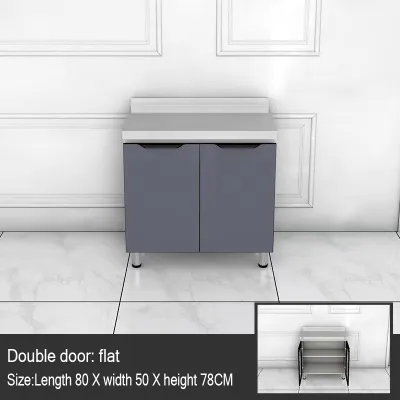
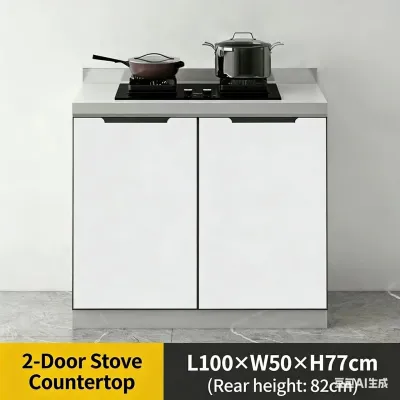
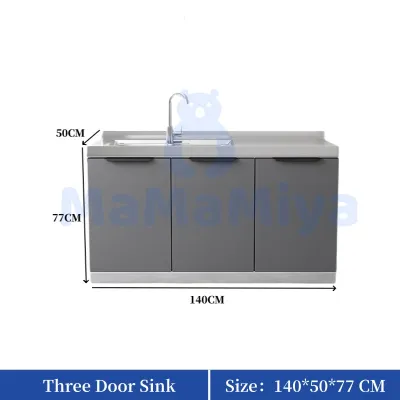
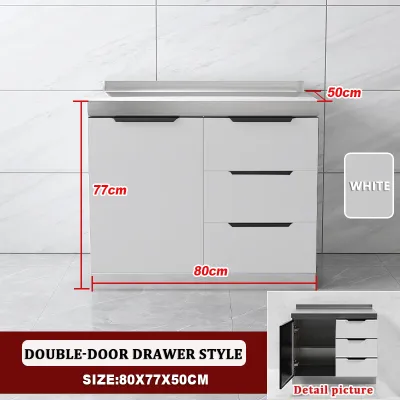
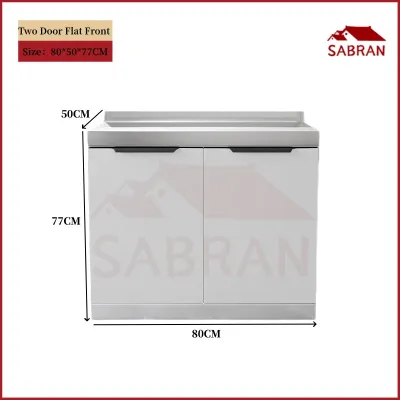
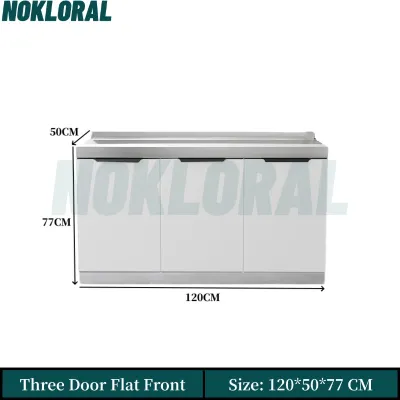
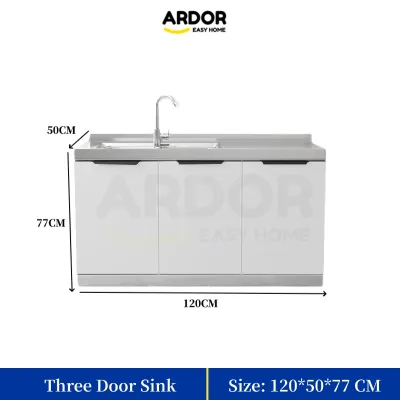

Prices are valid at publication and may change. Please refer to the product page for the latest price.
An integrated cabinet sink unit addresses these challenges by offering a self-contained station designed to handle heavy-duty cleaning. The structural support of a dedicated cabinet base ensures that the weight of a water-filled basin, loaded with heavy cast-iron or stainless steel cookware, remains perfectly stable. This stability is crucial for preventing structural shifting over time, which can lead to plumbing leaks and costly water damage.
Beyond structural support, the under-sink cabinet serves as an indispensable storage solution for busy households. It provides a hidden, organized zone for dish soaps, scouring pads, extra sponges, and heavy-duty cleaning agents that would otherwise clutter the countertops. Keeping these items behind closed doors maintains a tidy kitchen aesthetic, which is especially important in modern open-concept layouts where the kitchen is visible from the living area.
Managing moisture is another critical factor in tropical climates. The high humidity in the Philippines accelerates wood rot and mold growth when water is allowed to pool in hidden crevices. A unified sink and cabinet unit, when sealed correctly, acts as a barrier that prevents water runoff from seeping into the surrounding floorboards or adjacent walls. This containment keeps your kitchen dry, hygienic, and free from persistent musty odors.
Essential Selection Criteria for a Lababo Kitchen Sink with Cabinet
Choosing the right lababo kitchen sink with cabinet requires looking beyond aesthetics to evaluate structural specifications and material performance. Because this unit will endure constant exposure to water, soap, and physical impact, every component must meet strict quality standards. Prioritizing the right dimensions and structural designs will save you from premature replacements and expensive repairs.

Basin Dimensions and Volume The depth and width of the sink basin dictate how easily you can wash your largest cookware. A basin depth of at least 200 millimeters is highly recommended for local kitchens, as it provides enough vertical clearance to submerge deep pots while minimizing water splashback. The width should be generous enough to accommodate a standard wok with its handles, allowing you to scrub the cookware without constantly hitting the sides of the basin.
Cabinet Material Suitability The cabinet base must be constructed from materials that do not warp, swell, or degrade when exposed to high humidity and occasional water drips. Standard particle board or low-grade medium-density fiberboard should be avoided, as they act like sponges when wet. Instead, look for cabinet bases made from marine-grade plywood, high-density PVC boards, or powder-coated stainless steel frames that offer superior moisture resistance.
Countertop Integration and Sealing The interface between the sink rim and the cabinet countertop is the most common point of failure for water intrusion. Ensure the unit features a raised edge or a built-in drip barrier to redirect water back into the basin. During installation, verify that a high-quality, mold-resistant silicone sealant is applied generously along all joints to create an airtight, watertight barrier that protects the cabinet structure below.
Plumbing Accessibility and Clearance A well-designed cabinet must provide unobstructed access to the P-trap, drainage pipes, and water supply lines. Look for models with removable back panels or spacious interior layouts that allow you to perform routine leak checks or clear clogs without dismantling the cabinet. This internal clearance is also essential if you plan to install under-sink water filtration systems or reverse osmosis units in the future.
Recommended Kitchen Sink and Cabinet Configurations
Kitchen layouts and cooking styles vary greatly, meaning a sink configuration that works for a spacious suburban home might not suit a compact high-rise apartment. Understanding the strengths and limitations of different designs will help you select a unit that aligns with your daily routine and available floor space.
Deep Single-Bowl Setup for Heavy-Duty Washing
A deep single-bowl configuration features one large, undivided basin that maximizes the available washing area. This design is highly favored by home cooks who frequently prepare meals using oversized cookware, baking sheets, and large stockpots that require complete submersion for thorough cleaning.
The primary advantage of this setup is the sheer, unobstructed space it provides. Without a central divider, you can easily maneuver a long-handled wok or a multi-quart rice cooker inner pot without splashing water onto the surrounding countertops. This makes it incredibly efficient for scrubbing heavy grease and managing large volumes of dishes after family gatherings.
However, the single-bowl design comes with a distinct workflow limitation. Because there is only one basin, you cannot easily separate dirty dishes from food preparation tasks. Rinsing vegetables or draining boiled pasta while the sink is filled with soapy water requires using an external prep bowl or waiting until the basin is completely cleared and sanitized.
Double-Bowl and Drainboard Setup for Multitasking
For households that prioritize multitasking and structured workflows, a double-bowl sink paired with an integrated metal drainboard is an excellent choice. This configuration typically features two adjacent basins—often in a 60/40 or 50/50 size ratio—allowing for separate washing and rinsing zones.
The utility of having two distinct basins is unmatched during complex meal preparation. You can dedicate one bowl to soaking dirty pots and pans while keeping the second bowl completely clean for washing fresh produce, rinsing rice, or washing hands. The attached metal drainboard provides a dedicated, sloped surface where clean dishes can air-dry, allowing water to drain directly back into the sink.
In a humid tropical climate, an integrated drainboard is highly practical. It prevents water from pooling on wooden or laminate countertops, which significantly reduces the risk of mold growth and water staining. The main drawback of this configuration is its physical size; it requires a wide cabinet base and a significant amount of wall space, making it unsuitable for small or narrow kitchen layouts.
Compact Cabinet Setup for Small Condo Kitchens
Urban living often requires working with limited square footage, particularly in modern condominiums and townhouses. A compact cabinet sink setup is specifically engineered to maximize functionality within a highly restricted footprint, often measuring between 50 to 60 centimeters in width.
These space-saving units utilize clever design features to make the most of every millimeter. Many models incorporate narrow base cabinets with vertical storage solutions, such as slim pull-out trash bins or custom U-shaped drawers that curve around the under-sink plumbing. This allows you to store cleaning supplies efficiently without wasting the awkward space around the drainpipes.
The trade-off for this space efficiency is the reduced size of the basin. Compact sinks struggle to accommodate oversized cookware, meaning you will need to wash large pots and pans in sections or use alternative cleaning methods. Additionally, the limited cabinet volume means you must be highly selective about the items you store underneath to avoid crowding the plumbing lines.
Material and Durability Checks for Humid Climates
The longevity of your kitchen cabinet sink unit depends heavily on the quality of its materials and how well they withstand the local climate. High humidity, warm temperatures, and frequent exposure to water create a challenging environment for any furniture piece. Verifying specific material standards before purchasing will ensure your investment lasts for years.
Stainless Steel Verification When evaluating stainless steel sinks, do not rely solely on the material name. Check the manufacturer’s specifications for the steel grade. Grade 304 is the industry standard for kitchen applications, offering excellent resistance to rust, corrosion, and acidic food stains. Lower grades, such as Grade 201, are more affordable but contain less nickel, making them highly susceptible to pitting and rust spots over time.
Cabinet Board Composition Avoid cabinets made of standard particle board or untreated fiberboard, as these materials will warp and disintegrate rapidly when exposed to moisture. Look for cabinet bases constructed from marine plywood, which uses waterproof adhesives to prevent delamination. Solid high-density PVC boards are another excellent choice, as they are completely impervious to water and insect damage, though they require a sturdy internal frame to prevent sagging under heavy loads.
Hardware and Joint Quality The hinges and drawer slides are often the first components to fail in a humid kitchen. Inspect these moving parts to ensure they are made of stainless steel or treated with a robust rust-proof coating. Choosing soft-close hinges not only prevents loud slamming but also reduces the physical impact on the cabinet doors, preserving the structural integrity of the joints over years of frequent use.
Manufacturer Care Instructions Even the most durable materials require proper maintenance to prevent premature wear. Always refer to the manufacturer’s care instructions for cleaning and maintenance guidelines. Avoid using harsh chemical cleaners, bleach, or highly abrasive steel wool on stainless steel surfaces, as these can strip away the protective oxide layer and invite rust. Regularly wipe down the interior of the cabinet to remove any condensation or minor spills.
Pre-Purchase Measurement and Installation Checklist
Proper preparation is key to a successful installation. Before finalizing your purchase, you must verify that the chosen unit fits your physical space, aligns with your plumbing infrastructure, and can be safely delivered into your home. Following a structured checklist will help you avoid costly logistical errors.
Verify Spatial Dimensions and Access
- Measure the available floor space where the cabinet will stand, noting the maximum allowable width, depth, and height.
- Ensure there is sufficient clearance for the cabinet doors and drawers to swing open fully without blocking main walkways.
- Measure the widths of all doorways, hallways, stairwells, and elevator doors along the delivery route to guarantee the unit can be brought inside safely.
- Check the load capacity of your floor, especially if you are installing a heavy natural stone or cast-iron sink unit.
Check Plumbing Alignment
- Locate your existing water supply valves and floor or wall drain outlets.
- Measure the distance from the floor to these plumbing connections to ensure they align with the cabinet's internal clearance zones.
- Verify if the cabinet's back panel is pre-cut or if it allows for custom drilling to accommodate your specific pipe configuration.
Countertop Cutout and Leveling
- If you are installing the sink into an existing countertop, obtain the manufacturer's exact cutout template before making any cuts.
- Ensure the cabinet base is perfectly level during installation; use adjustable leveling feet if your kitchen floor is slightly uneven.
- A non-level cabinet will prevent water from draining properly, leading to pooling in the corners of the sink basin and accelerated wear on the sealant.
Professional Consultation While some modular units are marketed as simple DIY projects, consulting a qualified plumber or professional carpenter is strongly advised. A professional can ensure all water line connections are completely watertight, secure the cabinet firmly to the wall to prevent tip-over accidents, and apply professional-grade silicone sealing to protect your walls from hidden moisture buildup.
Frequently Asked Questions (FAQ)
Can I install a garbage disposal in a sink with a cabinet?
Yes, you can install a garbage disposal, but compatibility depends on the structural design of your cabinet and basin. You must measure the vertical and horizontal clearance inside the cabinet to ensure the disposal unit fits alongside your existing plumbing and drainage pipes. The sink basin itself must have a standard drain opening—typically 3.5 inches—and be constructed of a durable, thick-gauge material like 304-grade stainless steel to withstand the vibrations of the motor. Always consult a licensed plumber to verify that your local drainage system and building codes permit the use of garbage disposals.
How do I prevent the under-sink cabinet from developing odors?
Preventing odors requires keeping the cabinet interior dry and well-ventilated. Regularly inspect all pipe joints and supply lines for micro-leaks, as even a tiny drip can create a damp environment where mold thrives. Place reusable moisture-absorbing canisters or silica gel packs inside the cabinet to control humidity levels. Ensure the P-trap is cleaned periodically to remove trapped food particles that cause foul smells. Finally, avoid storing damp sponges, wet cleaning rags, or harsh, open chemical cleaners inside the cabinet, as trapped chemical fumes can degrade the cabinet’s interior finishes and hardware over time.
Community discussion
Share your experience or ask a question. Comments are reviewed before publication.