
Relocating to a new home is a major milestone, but the logistics of packing, transporting, and unpacking your belongings can quickly become overwhelming. When planning a lipat-bahay, selecting the right organizers storage cabinet kwarto systems can dramatically simplify your relocation process. The ideal moving-ready storage solutions are those that combine structural rigidity, secure latching mechanisms, moisture resistance, and modular stackability. By choosing organizers that serve a dual purpose—safely transporting your items during transit and immediately functioning as storage in your new home—you can protect your investments and drastically reduce your unpacking time.
Quick Guide: What Makes a Storage Organizer Ideal for Moving?
Moving in the Philippines presents unique environmental and logistical challenges that standard storage boxes often fail to survive. Transporting items over uneven roads, navigating sudden tropical downpours, and enduring high relative humidity require organizers built for durability. During transit, your belongings are subjected to constant vibration, shifting forces, and the heavy stacking pressure of other cargo inside the moving truck. If your organizers lack structural integrity, they can easily warp, crack, or collapse, leading to damaged goods and chaotic unpacking.
To ensure your storage solutions are up to the task, prioritize three essential features: structural integrity, portability, and space efficiency. Strong, reinforced corners and thick walls prevent the container from buckling under external weight. Portability features, such as integrated side handles, recessed grips, or heavy-duty detachable wheels, make manual lifting and carrying significantly safer and more comfortable for you or your movers. Additionally, space efficiency is crucial; organizers that can nest when empty or fold flat take up minimal room in your moving vehicle before they are packed, maximizing your available cargo space. Utilizing the right storage cabinets and organizers not only safeguards your fragile items from sudden impacts but also allows you to transition smoothly into your new space without facing a mountain of crushed, unidentifiable cardboard boxes.
Products mentioned in this guide
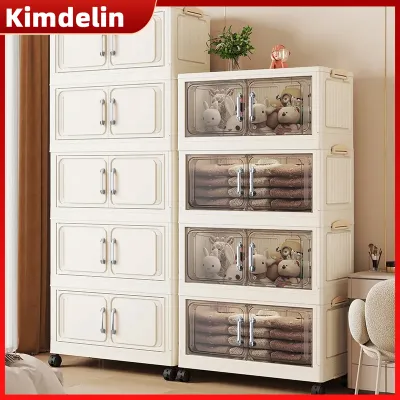
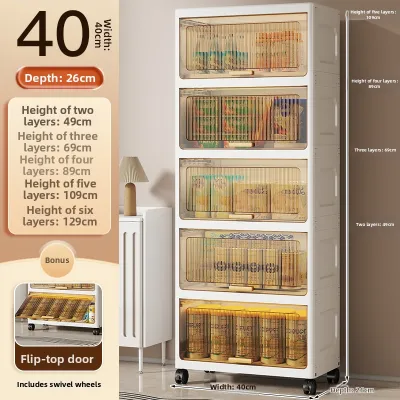
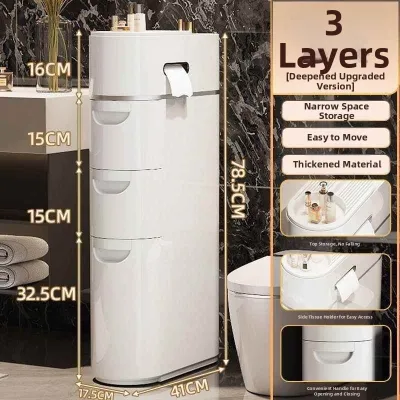
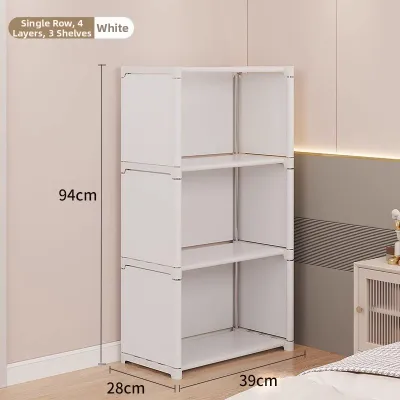
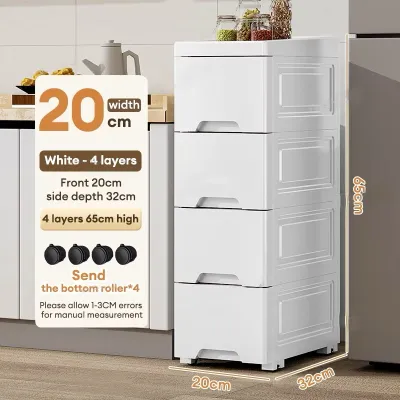
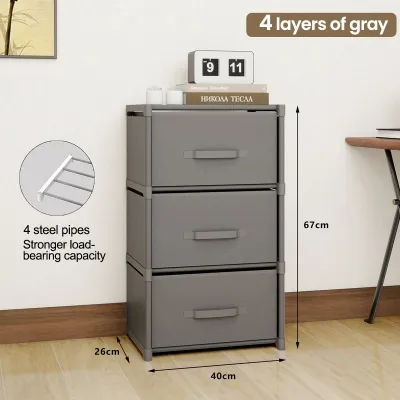
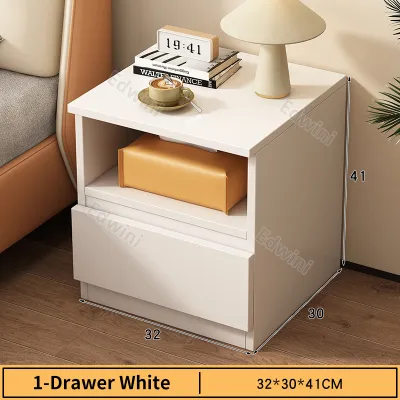
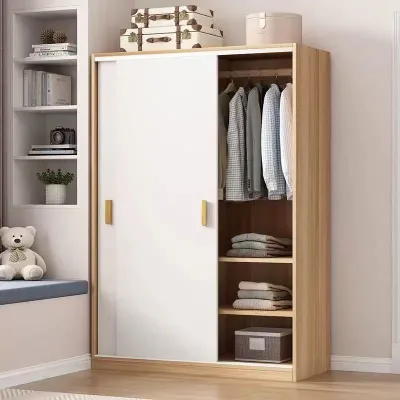
Prices are valid at publication and may change. Please refer to the product page for the latest price.
How to Evaluate Kwarto Storage Cabinets for Relocation
Before purchasing new organizers or preparing your existing furniture for a move, it is critical to evaluate their structural properties. Not all storage cabinets are designed to withstand the physical rigors of being loaded, stacked, and driven across town. Taking the time to assess their materials, portability features, and weight limits beforehand will prevent costly accidents on moving day.

Material Durability and Weather Resistance
When evaluating storage cabinets, always check the manufacturer’s product label or official specifications to understand the exact material composition. Common options include high-density polyethylene or polypropylene plastics, engineered wood such as medium-density fiberboard (MDF) or particle board, and non-woven fabric with internal cardboard or metal support frames. Each material behaves differently under physical stress and environmental exposure.
In the Philippines, where sudden rain showers and high humidity are constant factors, verifying moisture resistance is essential. Engineered wood cabinets are highly susceptible to moisture absorption; if exposed to damp air or rain during a move, the fibers can swell, weaken, and warp, permanently damaging the joints. Non-woven fabric organizers can also absorb moisture, leading to mold or mildew growth on your clothing and linens. While plastic organizers are naturally more water-resistant, you must look for specific product claims regarding water-tight seals or rubber gaskets if you expect exposure to heavy rain. Never assume a material is fully weatherproof based on its name alone; verify the manufacturer’s care and usage instructions to confirm if the cabinet is rated for outdoor or damp environments.
Portability and Space Efficiency
The physical effort required to carry cabinets down narrow hallways, through tight doorways, and up steep staircases is a major bottleneck during any move. To ease this process, look for storage cabinets with built-in portability features. Collapsible designs allow you to fold the unit flat when it is not in use, making it incredibly easy to transport to your new home before packing begins. Detachable shelves are another major advantage, as they allow you to reduce the overall weight of the cabinet frame and pack the shelves separately to prevent them from rattling or breaking during transit.
Before loading day, measure the exterior dimensions of your storage cabinets—both fully assembled and collapsed—and compare them against the cargo dimensions of your moving vehicle. Whether you are hiring a closed van, utilizing an L300 utility vehicle, or loading a personal pickup truck, knowing these measurements ensures you can plan an efficient loading layout. Furthermore, measure the doorways, entryways, and stairwells of both your current and new residences to guarantee that the fully assembled cabinets can pass through without scraping the walls or getting wedged in tight corners.
Weight Capacity and Stacking Limits
One of the most common mistakes during a move is overloading storage cabinets or stacking them too high in the moving truck. Every organizer has a maximum load capacity designated by the manufacturer, which can usually be found on the product packaging, instruction manual, or the official online store page. Exceeding these limits places immense stress on the bottom panels, joints, and handles, often resulting in structural failure when the unit is lifted.
Additionally, pay close attention to the stacking limits of your organizers. Many lightweight plastic drawers and fabric cabinets are not designed to support vertical weight from above. Stacking heavy boxes on top of a non-rated cabinet will cause the frame to bow, preventing the drawers from opening and potentially crushing the contents inside. If you plan to stack your organizers to maximize vertical space in the moving truck, ensure you only use units with reinforced lids and interlocking grooves designed specifically for secure stacking.
Best Types of Storage Organizers for Specific Belongings
Matching the right type of organizer to the specific items you need to transport is key to maximizing space and ensuring safety. Different belongings require different levels of structural support, ventilation, and shock absorption.
Heavy Items and Books
Dense, heavy items such as books, tools, kitchen appliances, and pantry canned goods require small, highly rigid containers. Opt for heavy-duty plastic bins with reinforced bottom grids and secure, snap-lock handles. The small footprint of these bins is intentional; it prevents you from overpacking the container to a point where it becomes too heavy for safe manual lifting.
Avoid using large, multi-tier storage cabinets or wide plastic drawer units for these dense items. Large cabinets encourage overpacking, and the sheer weight of books or tools will cause the shelves to bow or the bottom panel to sag. Furthermore, the integrated handles on large cabinets are rarely rated to support the extreme weight of dense goods, leading to a high risk of the handles snapping mid-carry. Keep heavy items in compact, low-profile organizers to maintain a manageable weight and ensure easy handling.
Clothing and Linens
Soft goods like clothing, bedding, towels, and curtains are highly flexible but require protection from dust, moisture, and pests. For these items, wardrobe boxes, vacuum-seal compatible fabric organizers, and clear plastic drawer units are excellent choices. Fabric organizers with clear viewing windows allow you to identify the contents quickly without having to unzip multiple bags.
When choosing fabric organizers, carefully inspect the quality of the zippers, seams, and internal wire frames. Double-stitched seams and heavy-duty nylon zippers are crucial, as they resist bursting when the organizer is packed to capacity. If you want to keep your everyday clothing organized and ready to use the moment you arrive, consider packing them directly into rigid plastic drawer units. You can secure the drawers shut with stretch wrap, transport the entire unit upright, and place it directly into your new bedroom—instantly eliminating the need to unpack and fold your clothes on your first night.
Fragile Goods and Electronics
Transporting fragile items like glassware, ceramics, small electronics, and decorative ornaments requires maximum shock absorption and secure closures. For these delicate belongings, choose rigid plastic storage cabinets or bins featuring heavy-duty latching lids. Avoid containers with simple snap-on covers, as these can easily pop open if the moving vehicle hits a pothole or if another box shifts against them.
Before packing, verify that the base of the organizer is flat and wide, which provides a low center of gravity and prevents the container from tipping over during sharp turns. Use internal modular dividers or specialized cardboard grid inserts to keep fragile items separated and prevent them from knocking against each other. Always check the internal dimensions of the organizer to ensure there is plenty of extra room around your items for protective cushioning, such as bubble wrap, packing peanuts, or thick packing paper. A snug, cushioned fit is the best defense against transit-induced vibrations.
Step-by-Step Packing and Loading Strategy
Having the right organizers is only half the battle; how you pack and load them determines whether your belongings arrive intact. Following a systematic approach ensures that weight is distributed safely and that your organizers remain secure throughout the journey.
Preparing and Packing the Organizers
To begin, line the bottom of each storage organizer with a thick layer of padding, such as crumpled packing paper, bubble wrap, or even soft bath towels. This initial layer acts as a shock absorber against road vibrations. When placing items inside, always distribute the weight evenly. Position the heaviest items at the very bottom of the organizer to keep the center of gravity low, and place lighter, more delicate items on top.
Fill any remaining empty spaces inside the container with soft materials like clean dishcloths, socks, or crumpled paper. Eliminating these void spaces prevents your belongings from shifting and colliding during transit. Once packed, clearly label each organizer on at least two sides with its contents and the designated room in your new home. Finally, secure any loose components of your storage cabinets. If the cabinet has doors, drawers, or removable shelves, wrap the entire exterior of the unit tightly with industrial stretch wrap or non-damaging moving tape. Before applying any tape, check the manufacturer’s care instructions for the cabinet’s finish, as some strong adhesives can peel off wood veneers or paint when removed.
Loading and Securing in the Moving Vehicle
When loading your packed organizers into the moving vehicle, always adhere to the “heavy bottom, light top” rule. Place your heaviest, most rigid plastic bins and solid wood cabinets on the floor of the vehicle first. This creates a stable foundation and prevents lighter, more fragile containers from being crushed. Never stack heavy organizers on top of lightweight plastic drawers or fabric storage units.
To prevent movement during transit, secure all large or wheeled storage cabinets using heavy-duty ratchet straps, tie-down ropes, or bungee cords attached to the vehicle’s interior anchor points. If your cabinet has wheels, lock them in place or place wooden blocks around them to prevent rolling. Before lifting any large, assembled cabinet, perform a quick safety check of your exit path. Ensure all doorways, hallways, and stairwells are completely clear of obstacles, and verify that you have sufficient handholds to carry the unit safely. If a cabinet is exceptionally tall, heavy, or structurally delicate, consult the manufacturer’s guidelines to determine if it requires complete disassembly before it can be safely moved.
Frequently Asked Questions (FAQ)
Should I disassemble my wooden storage cabinets before moving?
Yes, it is highly recommended to check the manufacturer’s assembly guide before moving large wooden or engineered wood cabinets. These units are often held together by wooden dowels, cam locks, and screws that are not designed to withstand the lateral shearing forces experienced in a moving truck. Transporting them fully assembled can cause the joints to loosen, strip, or break entirely. Disassembling large cabinets makes them much lighter, easier to carry through tight stairwells, and significantly reduces the risk of structural damage. Conversely, small, rigid plastic organizers are structurally unified and can safely remain fully assembled during a move.
How do I protect plastic organizers from cracking in the heat?
Prolonged exposure to direct sunlight and high temperatures can degrade certain types of plastics, making them brittle and prone to cracking under stress. During a move in the Philippines, temperatures inside a closed, unventilated moving truck can rise rapidly, especially during midday. To protect your plastic organizers, cover them with thick moving blankets or cotton sheets to shield them from direct sunlight. Avoid leaving your loaded moving vehicle parked in direct sunlight for extended periods, and prioritize unloading plastic containers first so they can be placed in a cool, well-ventilated indoor environment.
Can I use vacuum storage bags inside fabric Kwarto organizers?
Yes, using vacuum storage bags inside fabric organizers is an excellent way to compress bulky items like pillows, winter wear, and extra linens to save space. However, you must exercise caution. When compressed, these items become highly dense and heavy, and their rigid, brick-like shape can exert outward pressure on the fabric organizer’s seams. Before packing, check the manufacturer’s weight capacity label on your fabric organizer to ensure the combined weight of the vacuum bags does not exceed its limits. Additionally, avoid forcing the compressed bags into the organizer, as this can bend the internal metal or wire support frames.
Community discussion
Share your experience or ask a question. Comments are reviewed before publication.