
Finding the perfect balance between Japanese minimalism and Scandinavian warmth—known as Japandi—requires a thoughtful approach to your living room’s centerpiece. In the Philippines, where residential spaces range from open suburban homes to compact high-rise condominiums in bustling urban centers, the right sofa l (L-shaped sectional) serves as the ultimate anchor. This layout maximizes seating efficiency and defines the living zone without overwhelming the room’s visual flow.
To achieve an authentic Japandi aesthetic, the search goes beyond simply picking a neutral-colored couch. It requires balancing clean geometric lines, low-slung profiles, and highly breathable, climate-resilient materials. By selecting a piece that prioritizes organic textures, sustainable wood frames, and structured comfort, you can create a serene, clutter-free sanctuary that stands up to the demands of tropical living.
What Defines a Japandi L-Shaped Sofa?
The Japandi design movement is a harmonious marriage of two distinct yet complementary philosophies: Japanese wabi-sabi, which finds beauty in simplicity, natural imperfections, and understated elegance, and Scandinavian hygge, which emphasizes cozy comfort, functional design, and warmth. When applied to living room furniture, this fusion results in pieces that are exceptionally functional, beautifully crafted, and free from unnecessary ornamentation.
Products mentioned in this guide
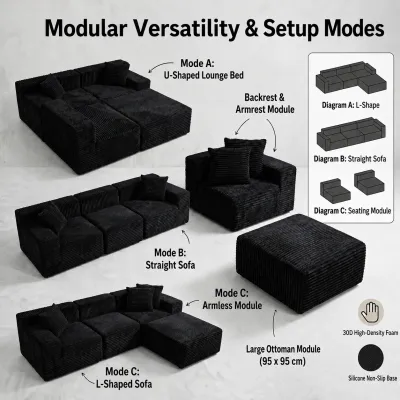
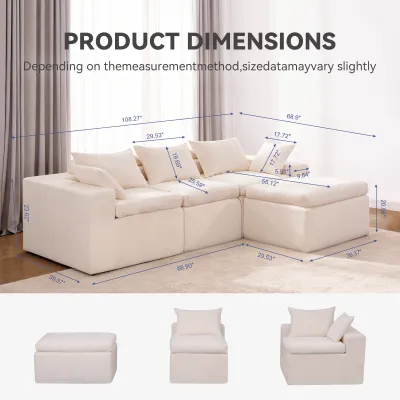
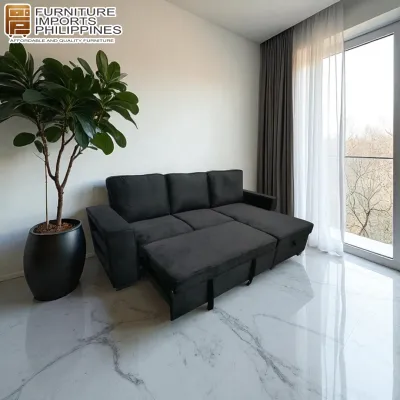
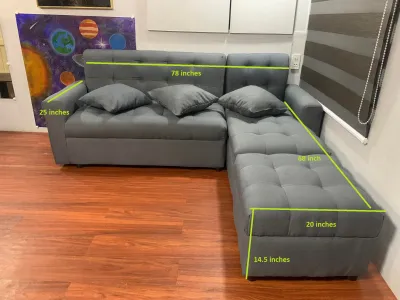
Prices are valid at publication and may change. Please refer to the product page for the latest price.
In the context of sectional seating, an L-shaped configuration is inherently practical. Rather than cluttering a room with multiple individual armchairs, a single well-proportioned sectional grounds the seating area, providing ample room for family gatherings or quiet relaxation. It utilizes corner spaces efficiently, making it an excellent choice for open-plan layouts where the sofa itself acts as a soft, non-intrusive divider between the living and dining zones.
To fit the Japandi ethos, the visual weight of the sectional must be carefully managed. Traditional Western sectionals are often bulky, featuring thick armrests, deep tufting, and bases that sit flush against the floor, which can make a room feel closed-in and heavy. A Japandi-style L-shaped sofa, by contrast, focuses on streamlined proportions, thin or integrated armrests, and elevated bases that allow light and air to pass underneath, maintaining a sense of openness and tranquility.
Choosing a Japandi Sofa L: Recommended Design Features
To find a sectional that truly embodies this hybrid style, look for specific design cues that distinguish authentic Japandi furniture from generic modern pieces.

Low-Profile Frames and Exposed Legs
A low-slung silhouette is a hallmark of traditional Japanese interior design, which historically prioritized living close to the floor to foster a grounded, peaceful connection to the home. In a modern living room, a low-profile frame keeps the overall height of the furniture down, which visually opens up the upper half of the room and makes ceilings appear higher.
To balance this low profile with Scandinavian lightness, look for exposed, tapered wooden legs that lift the main frame slightly off the floor. This gap creates a shadow line that enhances the visual lightness of the piece. The legs should be crafted from solid wood with a smooth, matte finish, avoiding high-gloss varnishes or ornate carvings that detract from the clean, minimalist aesthetic.
Neutral and Earthy Color Palettes
The color palette of a Japandi living room is designed to evoke a sense of calm, mimicking the tones found in natural landscapes. When selecting your upholstery, prioritize warm neutrals such as oatmeal, soft sand, warm gray, taupe, and light beige. These shades reflect natural light beautifully, helping to make the room feel bright and airy even on overcast rainy days.
If you prefer to introduce color, stick to muted, earthy tones that do not compete for attention. Soft olive green, gentle terracotta, and dusty slate blue are excellent options that add depth while maintaining a peaceful atmosphere. Avoid stark, clinical whites, which can feel cold and are highly susceptible to staining, as well as bright, saturated primary colors that disrupt the visual harmony of the space.
Minimalist and Structured Cushioning
Japandi cushioning strikes a precise balance between structured form and physical comfort. Avoid overly plush, slouchy, or overstuffed cushions that sag or lose their shape easily, as these can quickly make the living room look untidy.
Instead, look for cushions with clean, straight edges and firm, high-density foam cores. These maintain their geometric lines over years of use while still providing supportive comfort. The seat and back cushions should align seamlessly with the frame of the sofa, creating a clean, continuous horizontal plane that reinforces the minimalist architecture of the room.
Space Planning and Dimensions for Philippine Homes
Integrating an L-shaped sectional into a Philippine home requires careful spatial planning, particularly in urban areas where high-rise condominiums and compact townhouses are common.
The first critical decision is determining the correct chaise orientation: left-facing or right-facing. This orientation is always determined when looking directly at the front of the sofa. To make the correct choice, trace the flow of movement in your living room. The chaise should be positioned on the side that does not block key pathways, entryways, or access to balcony doors. Placing the chaise on the wrong side can create a physical barrier, forcing residents to walk around the entire sofa to cross the room.
Maintaining adequate clearance around the furniture is essential to prevent the living room from feeling cramped. Aim for a minimum of 60 to 90 centimeters of open walkway space around the exposed sides of the sectional. This allows for comfortable movement and ensures that adjacent furniture, such as coffee tables, sideboards, or media consoles, can be accessed without difficulty.
Before finalizing any purchase, it is vital to measure the entire delivery path, not just the designated spot in your living room. Measure the clearance of your front door, hallway turns, stairwells, and the interior dimensions of your building’s service elevator. Many L-shaped sectionals are shipped in modular pieces, but verifying these dimensions beforehand prevents the stressful situation of a delivery team being unable to bring the sofa up to your unit.
Finally, avoid the temptation to buy an oversized, deep-seated sectional for a compact room. While deep seats are comfortable, a sofa depth exceeding 100 centimeters can quickly dominate a small living space, blocking natural light from windows and making the room feel congested rather than calm and airy.
Material and Upholstery Guide for Tropical Climates
The high humidity and warm temperatures characteristic of the Philippine climate require materials that are both visually aligned with Japandi principles and highly durable under tropical conditions.
Breathable Natural Fabrics
To maintain comfort in warm weather, prioritize breathable upholstery fabrics. Heavy synthetic materials like thick polyester velvet or non-breathable faux leather trap body heat and moisture, leading to an uncomfortable seating experience during hot afternoons.
Linen and cotton blends are the ideal choices for a Japandi aesthetic, offering a distinct, textured weave that feels organic and soft to the touch. Because pure linen can wrinkle easily, a high-quality linen-synthetic blend is often the most practical choice, combining the natural aesthetic of linen with the strength and wrinkle resistance of modern fibers.
Always check the manufacturer’s care label for specific maintenance instructions. Look for fabrics treated with water-resistant or stain-resistant coatings, or opt for models that feature fully removable, washable slipcovers. This is particularly beneficial for light-colored sofas, allowing you to easily wash away dust, sweat, and accidental spills.
Sustainable and Treated Wood Frames
The skeleton of your sectional, as well as any visible wooden trim or legs, should be constructed from high-quality, sustainable hardwoods. Light-colored woods such as white oak, ash, beech, or sustainably sourced rubberwood are excellent options that match the pale wood tones typical of Scandinavian design.
In humid tropical environments, untreated wood is highly vulnerable to warping, cracking, and mold growth. When shopping, verify with the retailer that the wood used in the frame has been properly kiln-dried. This thermal process reduces the moisture content of the timber to an optimal level, preventing the wood from shifting or warping as seasonal humidity levels fluctuate.
Additionally, ensure that any exposed wood has been treated with a moisture-resistant, matte protective sealant. This protects the wood from humidity and accidental spills while preserving its natural, unvarnished look. Review the manufacturer’s warranty and care guidelines regarding direct exposure to sunlight, as prolonged UV exposure can cause certain wood finishes to discolor or fade over time.
How to Evaluate and Purchase Your Sofa
Investing in a high-quality L-shaped sectional is a significant decision that requires careful physical and logistical evaluation to ensure long-term satisfaction.
Before making a final purchase, request physical fabric swatches from the retailer. View these swatches in your living room at different times of the day. The color of a fabric can change dramatically depending on whether it is illuminated by bright afternoon sunlight, cool morning light, or warm indoor lighting in the evening. Testing the swatch against your existing walls and flooring ensures the tones remain harmonious under all conditions.
If you are evaluating the sofa in a showroom, perform a series of physical checks. Sit on every section of the sofa—including the corner seat and the length of the chaise—to ensure the foam density is consistent and supportive. Lean firmly against the armrests and gently shake the frame to test for any structural instability, squeaks, or loose joints. High-quality frames are constructed with secure joinery, such as mortise-and-tenon or double-dowelled joints reinforced with corner blocks, rather than simple glue and staples.
Carefully review the retailer’s delivery timelines, return policies, and warranty terms. Custom-built configurations or imported pieces may have extended lead times, which must be factored into your home renovation or moving schedule. Ensure the warranty explicitly covers structural frame defects and major cushion sagging for a reasonable period.
Finally, consider the total cost of ownership rather than just the initial price tag. Light-colored, natural fabrics in a humid climate may require professional deep cleaning once or twice a year to maintain their fresh appearance and prevent dust mite buildup. Factoring these maintenance steps into your long-term budget ensures your Japandi sanctuary remains clean, healthy, and beautiful for years to come.
Frequently Asked Questions (FAQ)
Can I mix a Japandi sofa with existing traditional furniture?
You can successfully integrate a minimalist Japandi L-shaped sofa with traditional furniture by using carefully selected transitional elements. To bridge the gap between a low-profile, clean-lined sectional and heavier, darker traditional wood pieces, introduce neutral-toned area rugs, minimalist lighting fixtures, and natural wood accent tables. Choosing accent pieces that feature clean lines but share similar wood grains or tones helps create a visual gradient, allowing the different design styles to coexist harmoniously without feeling disjointed.
How do I maintain light-colored linen upholstery in a humid climate?
Maintaining light-colored linen or linen-blend upholstery in a humid environment requires a consistent, low-risk care routine. Vacuum the sofa weekly using a soft upholstery brush attachment to remove dust, pet hair, and environmental allergens before they settle deep into the fabric fibers. In the event of a spill, immediately blot the area with a clean, dry white cloth to absorb the liquid; never rub, as this can push the stain deeper into the weave. Ensure your living room has good natural ventilation or use ceiling fans, air conditioning, or a dehumidifier to keep indoor humidity levels balanced, preventing moisture from getting trapped in the fabric and causing musty odors. Always consult the manufacturer’s care label before applying any liquid spot cleaners or fabric treatments.
Community discussion
Share your experience or ask a question. Comments are reviewed before publication.