
For a large Filipino family, the best lazy couch is one that balances generous seating space, deep lounging comfort, and durable construction to withstand heavy daily use. In Philippine homes—where living rooms serve as central hubs for movie nights, afternoon siestas, and weekend family gatherings—a 3-to-5-seater couch must accommodate multiple body types simultaneously. Choosing the right setup depends on your living room’s dimensions, your family’s lounging habits, and how well the materials perform in a tropical climate.
To find a couch that truly supports relaxation, you must look beyond standard seating designs. A dedicated lounging sofa requires specific structural and material characteristics that ensure every family member can unwind comfortably without compromising the furniture’s longevity.
What to Look for in a Lazy Couch for Large Families
A true lazy couch is distinguished by its generous proportions and relaxed posture. Unlike formal sofas that feature shallow seats and upright backrests, lounging-focused designs offer deep seat depths—typically 24 inches or more—and slightly reclined backrest angles. This combination encourages a semi-reclined or fully stretched-out posture, making it easy to tuck your legs up or lie down comfortably.
Products mentioned in this guide
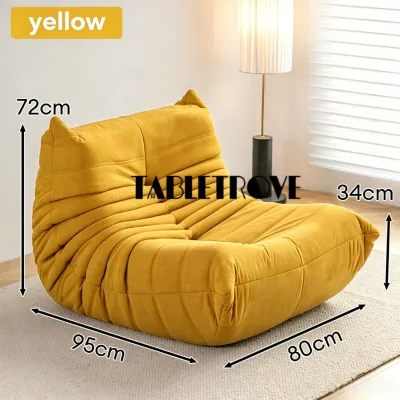
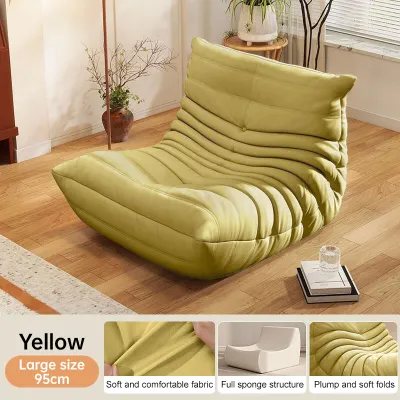
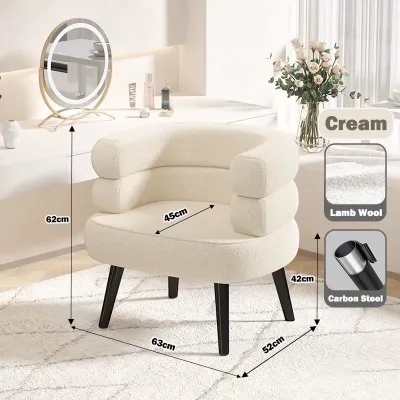
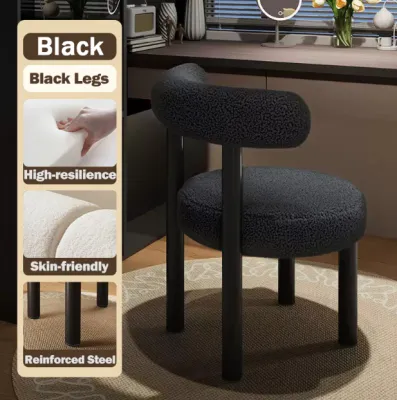
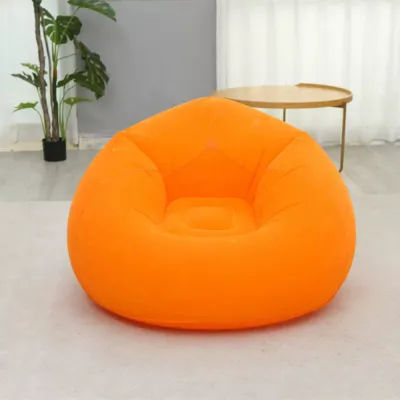

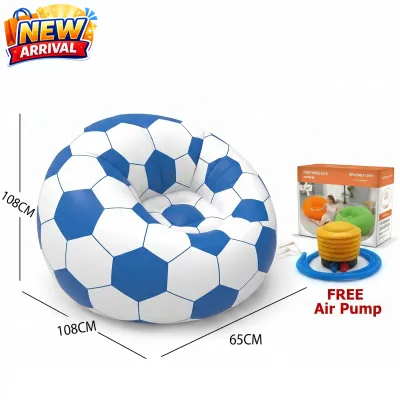
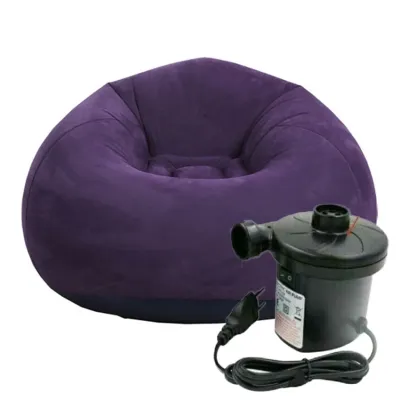
Prices are valid at publication and may change. Please refer to the product page for the latest price.
Cushioning plays a critical role in the overall lounging experience. Look for high-density polyurethane foam cores wrapped in softer layers like pocket springs, memory foam, or down-alternative fibers. This layered construction provides an initial plush, sink-in feeling while maintaining the structural support needed to keep multiple people from sinking too deep or bottoming out against the frame.
Weight distribution is a primary concern for 3-to-5-seater couches. When multiple family members sit together, the sofa frame experiences significant concentrated stress. Ensure the couch features a reinforced suspension system, such as heavy-duty sinuous springs or high-tensile webbing, which distributes weight evenly and prevents localized sagging over years of use.
Before finalizing a purchase, it is highly recommended to test the seat height and depth for all family members. A sofa that is too low can be difficult for elderly relatives or grandparents to stand up from, while a seat that is too deep might leave shorter family members or young children with their feet dangling uncomfortably. Keeping a collection of supportive throw pillows on hand is a practical way to adjust the depth for different individuals.
Best Lazy Couch Styles for 3 to 5 Seaters
Different households have distinct lounging habits, making the structural style of your sofa a primary decision factor. For large families, three main configurations dominate the market, each offering a unique balance of layout flexibility, individual comfort, and space utilization.

L-Shaped Sectionals with Extended Chaises
The L-shaped sectional with an extended chaise lounge is a classic, space-anchoring setup that naturally defines the living room zone in open-plan homes. It provides a dedicated, continuous seating area where family members can sit side-by-side or stretch out fully without blocking the space of others.
The extended chaise is the ultimate feature for single-person lounging or for children to pile onto during movie nights. Because the seating is connected, it fosters a cozy, communal atmosphere that is perfect for shared family activities.
However, sectionals come with structural limitations that require careful planning. Most models feature a fixed left- or right-facing chaise orientation, meaning you must commit to a specific room layout before buying. Their large corner footprint can also overwhelm smaller rooms, making it essential to verify that the chaise does not block high-traffic walkways or doorway access.
Modular Cloud-Style Sofas
Modular cloud-style sofas represent the ultimate in customizable, low-profile comfort. These systems consist of individual, fully finished seating modules, corner pieces, and ottomans that can be rearranged into various configurations based on your immediate needs.
For large families, the primary appeal of a modular system is its adaptability. You can push all the modules together to create a massive, bed-like lounging platform for the entire family, or separate them into individual armchairs and footstools when hosting guests. The deep, armless, or low-arm designs maximize the usable seating surface, ensuring no space is wasted.
On the downside, cloud-style sofas prioritize sink-in plushness over firm lumbar support, which may cause discomfort for family members who require more structured seating. Additionally, because the modules are individual pieces, lightweight models can slide apart on smooth tile or polished wood floors during active use. Look for modular systems equipped with heavy-duty under-seat connector clips to keep the layout secure.
Multi-Reclining Sofas (Manual or Power)
Multi-reclining sofas offer personalized comfort by allowing individual family members to adjust their seating angles independently. A 3-to-5-seater reclining sofa typically features two or three reclining mechanisms built directly into the frame.
This style is ideal for households with diverse comfort preferences. One family member can recline fully for an afternoon nap, while another sits semi-upright to read or watch television. Power-reclining models offer smooth, motorized adjustments at the touch of a button, often including integrated USB ports for charging devices.
Despite their high comfort factor, reclining sofas are exceptionally heavy and difficult to move once in place. Power models require proximity to electrical outlets, which necessitates careful cable management to avoid tripping hazards in busy households. Furthermore, traditional recliners require substantial clearance behind the backrest to fully extend, though “wall-hugger” designs can minimize this space requirement.
Space Planning and Delivery Checks for Philippine Homes
Fitting a large 3-to-5-seater lazy couch into a Philippine home requires precise space planning and a clear understanding of your property’s architectural constraints. Large furniture pieces can easily overwhelm standard living room layouts if not measured correctly.
Begin by mapping out the total footprint of the proposed sofa on your living room floor. Use painter’s tape or lay down flattened cardboard boxes to represent the exact length and depth of the couch. Ensure there is at least 18 to 24 inches of clear walking space around the sofa to maintain natural traffic flow through the room, especially near hallways, dining areas, and balcony doors.
Logistical checks are critical, particularly for families living in condominiums, high-rise apartments, or multi-story townhouses. Before ordering, measure the height, width, and diagonal clearance of all entry points. This includes the building’s service elevator doors, narrow stairwell turns, hallway corridors, and your apartment’s front door frame.
Many large sectionals and reclining sofas are delivered fully assembled, which can lead to delivery failures if the piece cannot clear a tight corner. If your home has narrow access points, prioritize modular sofas that are delivered in individual, manageable boxes, or verify with the retailer if the sofa frame can be partially disassembled for delivery and reassembled on-site.
Finally, if you are opting for a heavy power-reclining model, check your flooring material. Extremely heavy sofas can dent soft wood floors or crack low-grade tiles over time. Placing heavy-duty felt pads or rubber caster cups under the sofa’s legs can help distribute the weight and protect your flooring from scratches.
Upholstery and Frame Checks for Tropical Climates
The high humidity and warm temperatures characteristic of the Philippine climate demand careful attention to materials. A lazy couch that feels comfortable in an air-conditioned showroom may perform differently in a humid, non-air-conditioned living room.
Avoid relying on generic fabric descriptions and instead check the manufacturer’s care labels for material composition and cleaning codes. Look for fabrics with high breathability to prevent heat retention. Natural fibers like cotton and linen blends offer excellent air circulation and feel cool against the skin, but they are highly susceptible to staining and can absorb moisture from humidity, leading to musty odors if not maintained.
Synthetic fabrics, such as high-grade polyester blends or performance microfibers, offer superior stain resistance and are easy to spot-clean with water-based solutions. However, tightly woven synthetics can trap body heat, making them feel warm during hot afternoons. If you prefer leather, opt for genuine top-grain leather, which naturally breathes and ages well, rather than low-grade synthetic leather (polyurethane or PVC) alternatives that can stick to bare skin and crack rapidly under humid conditions.
For the internal structure, humidity is the primary enemy of wood frames. Untreated, low-grade wood can absorb moisture, leading to warping, joint loosening, and squeaking over time. Ensure the couch frame is constructed from kiln-dried hardwood, such as sustainably sourced local mahogany, acacia, or high-quality imported hardwoods.
Inspect the joinery of the frame. High-quality lazy couches feature corner-blocked joints that are glued, dowelled, and screwed together rather than simply stapled. This level of construction ensures the frame remains rigid and squeak-free, even when supporting the weight of a large family day after day.
Quick Comparison: Which Lazy Couch Style Fits Your Family?
To help you determine which configuration best matches your household’s daily routine, the table below summarizes the key attributes of each major lazy couch style.
| Sofa Style | Primary Lounging Style | Space Requirement | Flexibility & Reconfiguration | Best Suited For |
|---|---|---|---|---|
| L-Shaped Sectional | Continuous, shared lounging with an extended leg rest | High; requires a dedicated corner or open-plan wall space | Low; usually fixed left or right orientation | Family movie nights and defining open-plan living zones |
| Modular Cloud Sofa | Ultra-deep, customizable sink-in comfort | High; occupies a large physical and visual footprint | High; individual pieces can be rearranged easily | Dynamic households, flexible entertaining, and casual lounging |
| Multi-Recliner | Individualized, adjustable reclining angles | Medium to High; requires clearance behind and in front | Low; heavy frame is difficult to move or rearrange | Personalized comfort, afternoon naps, and dedicated media rooms |
Frequently Asked Questions (FAQ)
How deep should a lazy couch seat be for comfortable lounging?
Standard sofas typically feature seat depths of 20 to 22 inches, which are designed to keep your posture upright with your feet flat on the floor. For a true lazy couch experience, look for seat depths ranging from 24 to 30 inches or more. This extra depth allows you to pull your feet up onto the cushion, sit cross-legged, or lounge sideways comfortably. If shorter family members find that the deep seat causes them to slouch, you can easily add firm lumbar pillows to adjust the seating depth as needed.
Can a 5-seater lazy couch fit in a standard condominium living room?
Yes, a 5-seater lazy couch can fit in a standard condominium living room if you select a low-profile, modular design. To prevent the sofa from overwhelming a compact space, choose a model with slim, space-saving armrests and low backrests, which maintain a clear line of sight across the room. Positioning the sofa slightly away from the wall or using it as a divider between the living and dining areas can help maintain natural traffic flow. Additionally, opting for modular units allows you to split the seating if you need to adapt the layout to a smaller floor plan.
Community discussion
Share your experience or ask a question. Comments are reviewed before publication.