
Selecting the right bed frame for a high-rise residence requires balancing comfort, aesthetics, and spatial reality. In the context of modern urban living, a loafbed has emerged as an exceptionally practical solution. This style of bed generally refers to two distinct space-saving designs: either a low-profile, visually light upholstered frame with soft, rounded edges resembling a loaf of bread, or an elevated, loft-style structure designed to maximize vertical space. Both variations address the unique constraints of compact floor plans, making them highly sought-after for high-density residential units.
In metropolitan centers across the Philippines, where studio and one-bedroom condominium units often range from a cozy 20 to 35 square meters, optimizing every square centimeter is essential. A traditional, bulky bed frame with an oversized headboard and a protruding footboard can quickly overwhelm a small bedroom, making it feel cramped and restricting movement. A loafbed solves this issue by minimizing visual weight and physical footprint. Low-profile models sit close to the ground and eliminate heavy footboards, which opens up sightlines and makes a small room feel significantly larger. On the other hand, elevated loft-style loafbeds utilize vertical space, allowing residents to reclaim valuable floor area underneath for other essential activities.
When choosing a loafbed for a condo, several critical factors must be evaluated. Beyond the aesthetic appeal, you must consider the overall footprint of the frame, the clearance required for walking paths, and compatibility with standard ceiling heights. Furthermore, high-rise living introduces unique logistical challenges. A bed’s suitability does not depend solely on the dimensions of your bedroom; it is equally dependent on whether the components can physically be transported into your unit. Verifying building access, elevator dimensions, and hallway clearances is a vital pre-purchase step that can prevent costly delivery failures and returns.
Products mentioned in this guide
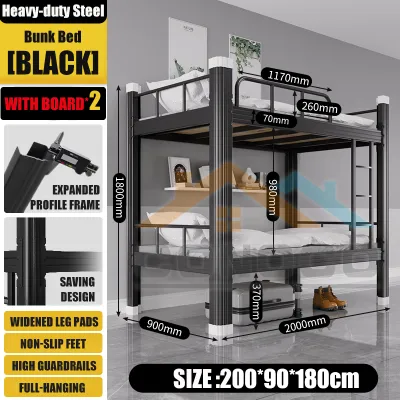
![[Manila 24-hour Boat]Black Loft Bed Elevated Bed 180*200*90/120/150CM Modern Simple and Thickened Iron Art Elevated Bed Apartment Bed Loft Bed For Small Room Student Dormitory Bed Single Size Iron Art Bed Adjustable Staircase Alternating Left And Right](https://img.lazcdn.com/g/p/61a97ae76a0c00cd13c04edac78cc9a4.jpg_400x400q80.jpg_.webp)
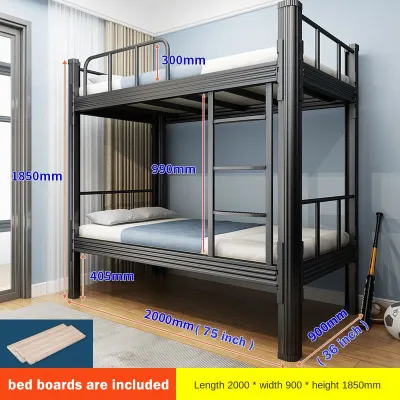

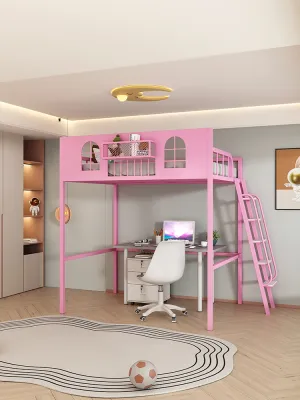
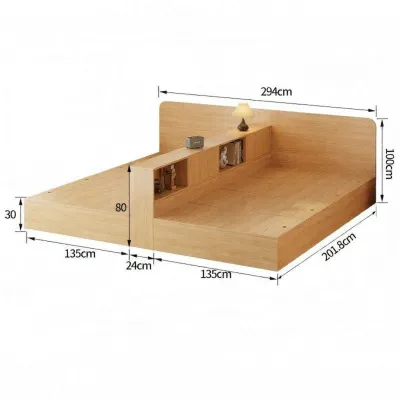
Prices are valid at publication and may change. Please refer to the product page for the latest price.
Top Loafbed Styles and Picks for Philippine Condos
Different condominium layouts present distinct spatial challenges, requiring tailored furniture solutions to maximize efficiency. Whether you are trying to make a studio unit serve multiple purposes or attempting to fit a comfortable sleeping area into a narrow bedroom, selecting the right style of loafbed is key. The following options are evaluated based on their structural stability, space efficiency, and suitability for humid tropical environments, ensuring they provide long-term durability and comfort without relying on temporary pricing or specific brand stock.
Low-Profile Upholstered Loafbeds
Low-profile upholstered loafbeds are designed to sit near the floor, featuring soft, rounded edges and a streamlined silhouette. By eliminating heavy footboards and thick, decorative headboards, these frames maintain clean sightlines across the room. This visual openness is particularly beneficial in bedrooms where floor space is tight but ceiling height is standard, as it prevents the bed from dominating the visual landscape of the room. The absence of sharp corners also reduces the risk of painful bumps in tight walkways, which is a common hazard in compact condo layouts.
However, choosing upholstered furniture in a tropical climate like the Philippines requires careful consideration of materials. High relative humidity, especially during the monsoon season, can trap moisture in dense fabrics, leading to musty odors, dust mite accumulation, or mold growth. To mitigate these risks, prioritize breathable textiles such as linen blends, cotton canvas, or specialized performance fabrics designed to wick away moisture. Avoid heavy, non-porous synthetic leathers or dense velvets that trap heat and sweat, as they can become uncomfortable in warm weather. Opting for frames with removable, washable covers is highly advantageous, allowing for easy cleaning and maintenance.
Beyond aesthetics and fabric choices, structural integrity must not be overlooked. Because low-profile frames sit close to the floor, they sometimes sacrifice structural depth, which can affect support. Before purchasing, verify the manufacturer’s stated weight capacity and inspect the quality of the slat system. A robust support system is essential for both mattress longevity and sleeper comfort. Look for closely spaced wooden slats—ideally made of durable engineered wood or solid timber—spaced no more than 6 centimeters apart. A high-quality slat system eliminates the need for a bulky box spring, keeping the overall profile low while ensuring excellent mattress ventilation and support.
Elevated and Storage-Integrated Loafbeds
For micro-condos and studio apartments where floor area is exceptionally limited, elevated and storage-integrated loafbeds offer an ingenious way to utilize vertical space. Elevated loft-style frames raise the mattress platform high off the ground, creating a functional zone underneath. This reclaimed area can be configured to house a home office desk, a compact wardrobe, a vanity, or a cozy seating area. This multi-functional approach is ideal for young professionals and students who need their living space to double as a productive workspace.
Alternatively, storage-integrated loafbeds utilize the space directly beneath the sleeping surface without elevating the bed to a full loft height. Many of these models feature hydraulic lift mechanisms that allow the entire mattress platform to be raised effortlessly. This reveals a spacious, dust-free compartment underneath, perfect for storing bulky items such as travel suitcases, extra bed linens, seasonal clothing, or household utilities. This built-in storage eliminates the need for additional dressers or chests of drawers, freeing up valuable floor space elsewhere in the room.
When considering an elevated bed, checking ceiling clearance is a non-negotiable step. Many Philippine condominiums feature dropped ceilings to accommodate central air conditioning ducts, fire sprinklers, or utility pipes, resulting in clear heights of 2.4 to 2.7 meters. To sit up comfortably in bed without bumping your head, you need a minimum clearance of 90 centimeters to 1 meter between the top of the mattress and the ceiling. Additionally, stability is paramount for elevated structures. Test the frame for wobble and verify the manufacturer’s anchoring requirements. Many high loft beds must be securely anchored to the wall to prevent swaying. Before drilling, consult your building administration to locate structural columns and ensure you are using the correct wall anchors for concrete, hollow block, or drywall.
Modular and Convertible Loafbeds
Modular and convertible loafbeds provide maximum flexibility for studio apartments, guest rooms, or multi-purpose spaces. These designs are engineered to adapt to changing needs throughout the day. A popular variation is the daybed-style loafbed, which functions as a stylish, deep-seated sofa during daytime hours when styled with large throw pillows, and transitions into a standard single or double bed at night. This eliminates the need for separate living and sleeping furniture, making it an excellent choice for hosting guests or optimizing highly compact layouts.
To withstand the constant transitions and dual-use wear and tear, convertible loafbeds must be constructed with high-quality materials. Sturdy, closely spaced slat systems are critical to supporting both sitting and sleeping weight distributions over time. If the modular bed includes a pull-out trundle mechanism to accommodate an extra sleeper, inspect the hardware carefully. The trundle should glide smoothly on heavy-duty metal runners or high-quality casters. Ensure the wheels are made of non-marring materials, such as polyurethane, to prevent scratching or damaging your condo’s vinyl, laminate, or engineered wood flooring during daily operation.
Critical Measurements and Delivery Checks Before You Buy
Purchasing a loafbed that fits your style is only half the battle; ensuring it physically fits into your home and can be delivered safely is the other. Many condo owners overlook the logistical constraints of high-rise buildings, leading to frustrating delivery failures, damaged walls, or expensive return fees. Taking precise measurements and understanding building regulations beforehand is essential for a smooth installation process.

Room Dimensions and Walkway Clearance
Begin by measuring the exact footprint of your bedroom, taking note of any architectural features such as structural columns, window sills, or electrical outlets. To maintain a comfortable and functional bedroom, you must ensure adequate clearance around the bed. A minimum of 60 centimeters of open space is recommended on all sides of the bed that require access. This walking path allows you to move freely, make the bed comfortably, and clean the surrounding area without restriction.
Furthermore, pay close attention to door swing clearances. Measure the swing arc of your bedroom entry door, en-suite bathroom door, and built-in wardrobe doors. The bed frame must not obstruct these doors from opening fully. If space is incredibly tight, consider replacing traditional swinging wardrobe doors with sliding doors, or position the bed so that it is clear of any door paths. Additionally, ensure that the bed does not block access to wall-mounted light switches, power outlets, or your air conditioning unit’s remote receiver.
Delivery Access and High-Rise Logistics
One of the most common mistakes when buying large furniture for a condominium is failing to measure the delivery path. Unlike landed homes, high-rise buildings require navigating tight communal spaces. You must measure every point of the delivery route, starting from the building’s loading dock or basement parking area.
Key measurements to verify include:
- Service Elevator Dimensions: Measure the elevator door opening width and height, the interior cabin width and depth, and the maximum diagonal clearance. Many pre-assembled loafbed headboards or long, single-piece side rails are too long to fit inside a standard residential elevator.
- Stairwell and Hallway Turns: If the furniture cannot fit in the elevator, it may need to be carried up the stairs. Measure the width of the stairwells, the height of the landings, and the tightest turns in the corridors. Be aware that many delivery services charge steep staircase fees per floor, and some may refuse stair delivery altogether for high floors.
- Entryway and Internal Doors: Measure the width and height of your condo unit's main entrance door and the bedroom door. Ensure there is enough clearance to maneuver the furniture pieces through these openings, especially if the entryway is located in a narrow hallway that prevents a straight-in approach.
To minimize delivery risks, look for knock-down or flat-packed loafbed designs. These models are shipped in multiple smaller boxes that easily fit into standard elevators and narrow hallways, and they are assembled directly inside your bedroom.
Assembly Conditions and Building Rules
Before scheduling your delivery and assembly, familiarize yourself with your condominium’s administration rules. Most high-rise buildings have strict regulations governing contractor activities to maintain peace and security for all residents. Noise-producing work, such as using power drills or hammering, is typically restricted to specific hours—usually between 9:00 AM and 5:00 PM on weekdays—and is entirely prohibited on Sundays and holidays. You may also need to secure a work permit and submit a list of names for the delivery and assembly crew at least 24 to 48 hours in advance.
Additionally, verify the structural conditions of your unit. For heavy storage beds or elevated loft frames, ensure the weight is distributed properly and does not exceed the floor’s load capacity. When positioning your bed, make sure it does not block essential safety features. The frame and mattress must not obstruct fire sprinklers, smoke detectors, or emergency escape routes. Finally, ensure the bed’s position does not block the airflow from your split-type or window air conditioning unit, as obstructed airflow can lead to uneven cooling, increased energy consumption, and strain on the appliance.
Caring for Your Loafbed in a Humid Climate
The tropical climate of the Philippines, characterized by high temperatures and intense humidity, presents unique challenges for furniture maintenance. Without proper care, wood can warp, metal can rust, and fabrics can develop mold or mildew. Implementing a regular maintenance routine is essential to preserve the appearance, hygiene, and structural integrity of your loafbed.
Moisture Management and Placement
Controlling indoor humidity is the most effective way to protect your furniture from climate-related damage. During the humid rainy season, run your air conditioner or a dedicated dehumidifier regularly to maintain indoor relative humidity levels between 40% and 60%. This prevents the air from becoming oversaturated, which is the primary cause of mold growth on fabric and wood surfaces.
The placement of your bed also plays a critical role in moisture prevention. Avoid pushing your bed frame directly flush against an exterior concrete wall. Exterior walls absorb intense heat from the tropical sun during the day and cool down rapidly at night. This temperature differential can cause condensation to form on the indoor side of the wall. If your bed is pressed against it, the trapped moisture will transfer to the headboard or frame, creating a breeding ground for mold. Always leave a gap of at least 5 to 10 centimeters between the bed and the wall to allow air to circulate freely.
Cleaning Routines and Fabric Care
Regular cleaning is vital to prevent dust, sweat, and allergens from accumulating on your bed frame, particularly on upholstered models. Dust mites thrive in warm, humid environments, making weekly maintenance essential. Vacuum all fabric surfaces of your loafbed at least once a week using a vacuum cleaner equipped with a HEPA filter and a dedicated upholstery brush attachment. Pay close attention to seams, tufted details, and the crevices around the base where dust tends to settle.
If a spill or stain occurs, prompt action is necessary to prevent it from setting into the fibers. Always check the manufacturer’s care tag for specific cleaning codes before applying any liquid cleaner. For spot cleaning, use a clean, damp microfiber cloth and a mild, diluted upholstery shampoo. Gently blot the stain from the outside inward to avoid spreading it; never rub vigorously, as this can damage the fabric fibers. Avoid soaking the upholstery or the underlying foam, as trapped moisture inside the cushioning can lead to internal mold growth that is difficult to detect and impossible to clean. Allow the area to air dry completely, using a fan to speed up the process if necessary.
Structural Maintenance and Hardware Checks
High humidity levels and seasonal temperature fluctuations can cause wooden bed frames and slats to expand and contract slightly. Over time, this natural movement can cause screws, bolts, and other connecting hardware to loosen, leading to squeaking, wobbling, or structural instability. To prevent this, establish a bi-annual maintenance routine to inspect and care for your bed’s structure.
During your bi-annual check:
- Tighten All Hardware: Use the appropriate tools to gently tighten all structural bolts, screws, and brackets. Do not overtighten, as this can strip the threads or crack the wood.
- Inspect the Slats: Check the wooden slats for any signs of bowing, cracking, or sagging. Replace any damaged slats immediately to ensure your mattress remains properly supported.
- Check Metal Joints: If your loafbed has metal components or a metal frame, inspect the joints for early signs of rust or corrosion. Wipe down metal surfaces with a dry microfiber cloth to remove moisture. If squeaking occurs, apply a small amount of silicone-based lubricant to the joints to ensure quiet operation.
By taking these preventive measures and maintaining a consistent cleaning routine, you can ensure your loafbed remains a safe, comfortable, and stylish centerpiece in your condo bedroom for years to come.
Frequently Asked Questions (FAQ)
Navigating the logistics of purchasing, delivering, and maintaining furniture in a high-rise building can be challenging. The following frequently asked questions address common concerns faced by condominium residents in the Philippines.
Can a loafbed fit through standard condo elevators?
Whether a loafbed can fit through a standard condo elevator depends entirely on its construction and packaging. Low-profile, flat-packed, or knock-down designs are shipped in multiple compact boxes that easily fit into residential elevators and narrow corridors. However, models with large, pre-assembled, one-piece upholstered headboards or long, solid-wood side rails may exceed the height or diagonal depth of a standard elevator cabin.
Before purchasing, always measure your building’s service elevator door width, height, and interior cabin depth. If a piece of furniture is too large for the elevator, it will have to be carried up the stairwell. Confirm with your retailer or delivery provider beforehand if they offer stair delivery, as this service usually incurs additional fees per floor and may have height limits.
Are upholstered loafbeds prone to mold in the Philippines?
Upholstered furniture is not inherently prone to mold, but the risk increases significantly if the indoor environment is highly humid and poorly ventilated. Mold thrives in stagnant, moisture-rich air, meaning that improper bed placement and lack of climate control are the primary drivers of mold growth.
To prevent mold on your upholstered loafbed, maintain good air circulation in your bedroom by using fans, air conditioning, or dehumidifiers. Avoid placing the bed frame directly flush against exterior concrete walls where condensation can accumulate. Additionally, choose breathable, light-colored fabrics such as linen or cotton blends, which allow moisture to evaporate quickly and make any early signs of mildew easier to spot and treat before it spreads.
Community discussion
Share your experience or ask a question. Comments are reviewed before publication.