
The Appeal of Native Materials in Modern Filipino Interiors
Integrating native Philippine materials into contemporary living spaces offers a sophisticated way to ground modern design in local heritage. A modern bar table cabinet serves as a perfect functional and aesthetic centerpiece for this style, bridging the gap between social entertainment and architectural beauty. Achieving the “Modern Filipino Style” requires a thoughtful blend of clean, minimalist lines with the warm, organic textures of local materials.
When choosing a bar table cabinet, selecting the right native material is not just about visual warmth; it is also about structural survival. This specific piece of furniture must bear the heavy weight of glass decanters, spirit bottles, and barware while constantly resisting moisture from condensation, ice, and accidental spills. By understanding the unique properties of local materials like narra, rattan, and engineered bamboo, you can invest in a piece that elevates your living room while standing up to the demands of tropical daily life.
Top Local Materials for Bar Cabinets: Durability Meets Aesthetics
Selecting the perfect material for a modern bar cabinet requires looking beyond aesthetics to understand how different elements perform under physical stress. A single bar cabinet often utilizes a combination of materials to balance weight, strength, and visual texture. The ideal choice depends heavily on whether the material is intended for the structural frame, the heavy-use countertop, or the decorative cabinet doors.
Products mentioned in this guide
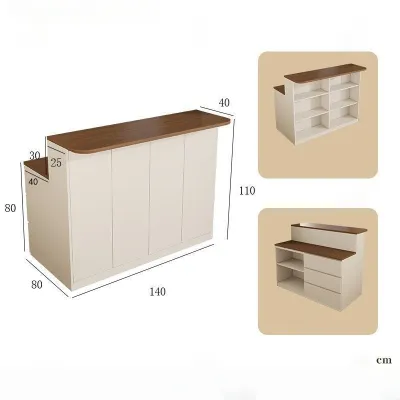
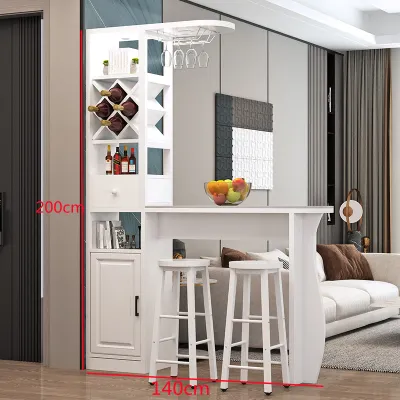
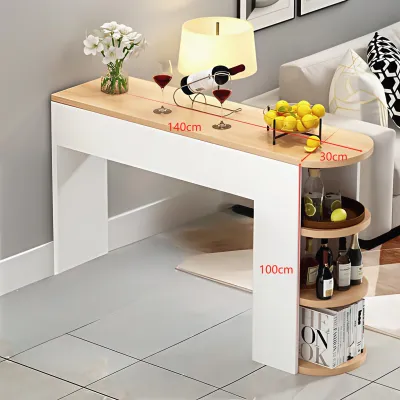

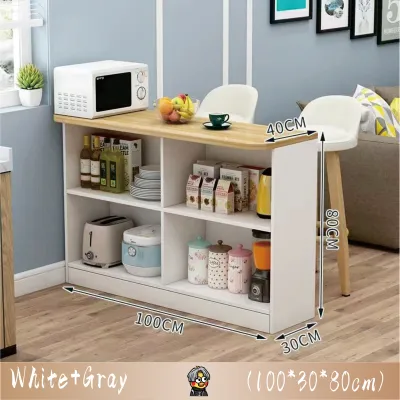
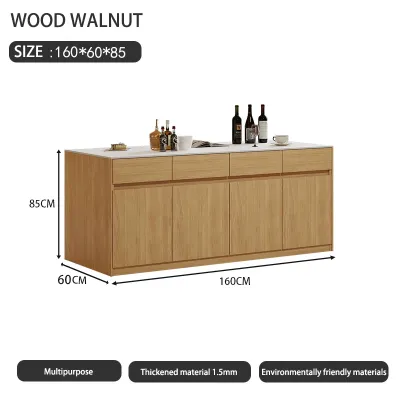
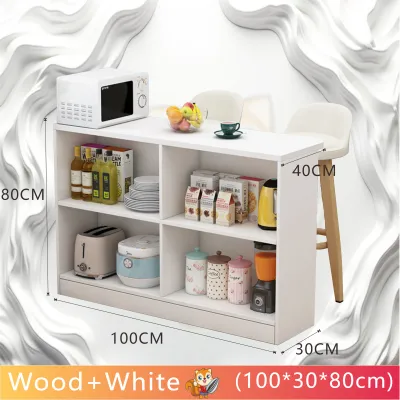
Prices are valid at publication and may change. Please refer to the product page for the latest price.

By breaking down the most prominent local materials used in Philippine furniture making, you can identify which options align with your design goals and performance expectations.
Narra Wood: Structural Strength and Rich Grain
Narra wood, often referred to as Philippine mahogany, remains one of the most prestigious choices for high-end local furniture due to its exceptional density and striking grain patterns.
Application: This dense hardwood is best suited for the main structural frame, supporting legs, and solid wood countertops of your bar cabinet. Its natural weight provides a stable foundation that prevents the cabinet from wobbling when doors are opened or bottles are moved.
What to Verify: Before purchasing a narra bar cabinet, inspect the manufacturer’s specifications regarding wood drying. Ensure the timber has been thoroughly kiln-dried. In the high humidity of the Philippines, improperly dried wood retains moisture, which eventually leads to warping, bowing, or cracking as the indoor temperature fluctuates.
Surface Protection: Because a bar countertop is frequently exposed to water condensation, ice buckets, and alcohol spills, bare wood is highly vulnerable. Verify that the narra surface has been sealed with a high-quality polyurethane, marine varnish, or epoxy coating. This protective layer prevents liquid from penetrating the grain and leaving permanent white water rings or dark stains.
Aesthetic Note: Narra boasts a deep, reddish-brown grain that darkens beautifully over time. When paired with minimalist hardware, such as matte black steel pulls or recessed brass handles, it anchors a modern living room with a sense of quiet luxury.
Rattan and Wicker: Textural Contrast and Ventilation
Rattan and wicker bring a lighter, more organic feel to modern furniture, softening the sharp geometric lines typical of contemporary designs.
Application: These flexible materials are ideal for cabinet door panels, drawer fronts, and decorative accents. Using rattan weave—especially the classic solihiya pattern—on cabinet doors allows continuous airflow through the storage compartments. This natural ventilation is highly practical for bar cabinets, as it prevents musty odors, dampness, and mold from building up around stored glassware and linens.
What to Verify: Pure rattan lacks the structural rigidity needed to support heavy loads of liquor bottles and stone countertops. Always inspect the internal frame behind the rattan panels. The cabinet must feature a sturdy secondary frame made of solid hardwood or metal to carry the actual weight of the unit.
Weave Quality: Run your hand along the woven surfaces to check for tight, uniform weaving and properly secured edges. Loose fibers or poorly finished edges can snag clothing, scratch delicate glassware, or begin to unravel under daily use.
Aesthetic Note: The intricate, woven texture of rattan provides a beautiful visual contrast against the smooth, cold surfaces of glass bottles and metal bar tools, creating a layered and inviting modern aesthetic.
Engineered Bamboo: Sleek Lines and Sustainable Appeal
Engineered bamboo has emerged as a premier material for modern, eco-conscious furniture design, offering a highly stable alternative to traditional hardwoods.
Application: Processed bamboo is typically converted into laminated boards, which are excellent for flat-panel cabinet doors, interior shelving, and clean-lined countertops. It provides a lighter, blonde-to-caramel color palette and exceptionally straight, uniform grain lines.
What to Verify: Ensure the cabinet uses high-quality laminated bamboo, such as strand-woven or cross-laminated boards, rather than raw bamboo poles. Cross-lamination significantly increases the material’s dimensional stability and load-bearing capacity, preventing shelves from sagging under the weight of heavy bottles.
Finish and Edges: Inspect the edge banding and surface sealant of the bamboo panels. High-quality edge treatments are critical to prevent moisture from entering the laminated layers, which could otherwise cause the bamboo to swell, delaminate, or splinter over time.
Aesthetic Note: The clean, linear grain of engineered bamboo makes it incredibly compatible with minimalist, Scandinavian, or Japandi-influenced Modern Filipino interiors, offering a bright and airy feel.
What to Check Before Buying: Construction and Space Requirements
A bar table cabinet is a specialized piece of furniture that demands careful planning before purchase, particularly regarding its physical integration into your home.
Weight Capacity and Stability: A fully stocked bar cabinet is incredibly heavy. A single liter of liquid weighs approximately one kilogram, and when combined with heavy glass bottles, decanters, and a stone or solid wood top, the total load escalates quickly. Always verify the manufacturer’s stated weight limits for both individual shelves and the overall unit. Look for reinforced joinery methods, such as mortise-and-tenon joints, dowels, or heavy-duty metal brackets, rather than simple glue, nails, or basic wood screws.
Dimension and Clearance Checks: Beyond checking if the cabinet fits against your living room wall, you must measure the internal and external clearances. Ensure the internal shelves have enough vertical height to accommodate tall spirit bottles and wine glasses. Externally, map out the swing radius of the cabinet doors to ensure they do not block walkways or collide with nearby furniture. If your bar cabinet features an integrated table extension, measure the clearance needed for bar stools and ensure there is comfortable legroom for guests.
Delivery and Access: One of the most common delivery failures in urban condominium living is purchasing a beautiful, fully assembled bar cabinet that cannot fit into the building’s elevator or navigate tight stairwells. Measure every doorway, hallway corner, and lift entrance along the delivery path. If access is tight, consider custom furniture makers who can assemble the unit directly inside your home or look for modular designs.
Leveling and Floor Protection: Heavy furniture placed on uneven tiled or wooden floors can wobble, causing bottles to rattle or slide. Look for bar cabinets equipped with adjustable leveling feet. Additionally, ensure the feet have felt pads or rubber bases to prevent scratching your flooring and to keep the bottom of the cabinet slightly raised, protecting it from moisture during floor mopping.
Maintaining Local Materials in a Humid Climate
The tropical climate of the Philippines presents unique challenges for preserving natural materials, making consistent maintenance essential for longevity.
Moisture Management: High relative humidity can cause solid wood to expand and contract, while also encouraging fungal growth on natural fibers. Keep your bar cabinet in a well-ventilated room, ideally assisted by ceiling fans or air conditioning. Avoid pushing the cabinet completely flush against exterior concrete walls, which can trap dampness and heat; leave a gap of at least two to three inches to allow air to circulate freely.
Routine Cleaning: Dust and grime can settle into wood grains and rattan weaves, dulling their appearance. For sealed wood and engineered bamboo surfaces, use a dry or slightly damp microfiber cloth to wipe away dust. For intricate rattan weaves, use a soft-bristled brush or a vacuum cleaner equipped with a soft brush attachment to gently remove dust from the crevices. Avoid flooding the surfaces with water or using harsh chemical cleaners, which can strip away protective sealants.
Spill Response: Liquid spills are inevitable around a bar area. Alcohol, acidic mixers like calamansi juice, and simple syrups can quickly erode polyurethane finishes or stain natural fibers if left unattended. Keep a clean cloth nearby and wipe up any spills immediately. Never let water sit on the surface, especially around joints or edge bands where moisture can easily seep in.
Periodic Inspection: Every few months, conduct a quick inspection of your bar cabinet. Check the hinges for squeaks or misalignment, feel the joints to ensure they remain tight, and look for any dull patches on the countertop finish. If you notice the protective sealant wearing thin or see early signs of mold in dark corners, refer to the manufacturer’s care guide or consult a local professional to safely clean and refinish the surface.
Frequently Asked Questions (FAQ)
Can I use a solid narra top for a bar cabinet without worrying about water damage?
While narra is a highly dense and durable hardwood, no untreated wood is entirely waterproof. A solid narra countertop requires a high-quality, intact polyurethane or epoxy sealant to resist alcohol stains and water rings. This protective coating will eventually wear down with regular use and will require professional refinishing over time to keep the wood protected.
How do I prevent mold on rattan cabinet doors in a humid room?
To prevent mold on rattan, ensure the room has adequate air circulation and avoid placing the cabinet in damp, unventilated corners. If your home is consistently humid, running a dehumidifier can help control moisture levels. Clean the rattan occasionally using a dry or barely damp cloth, avoid wet washing, and check the manufacturer’s guidelines for applying safe, anti-fungal wood or wicker treatments.
Community discussion
Share your experience or ask a question. Comments are reviewed before publication.